
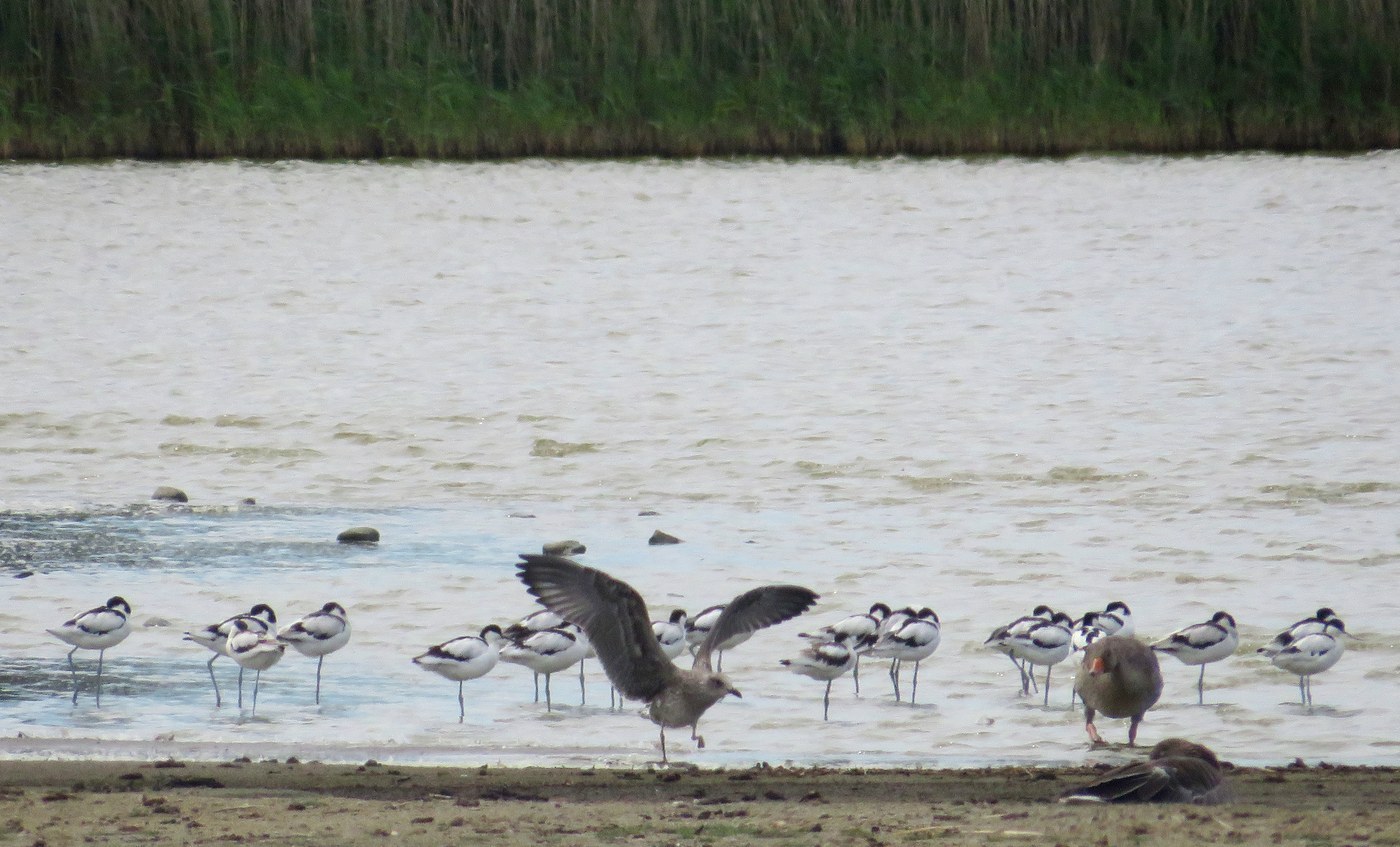
Pied Avocet
Recurvirostra avosetta
A crisp black-and-white wader with a black cap and nape, known for its elegant upturned bill and sweeping feeding motion.
- Feather type
- Contour and flight feathers
- Colours
- Black and white
- Bird size
- Large elegant wader, ~42-45 cm
Found a feather like this?
Identify any feather from a photo, free.
Overview
Overview
The Pied Avocet is a graceful wetland bird instantly recognizable by its clean black-and-white plumage, black cap extending down the nape, and long, thin upturned bill. Long blue-gray legs complete an elegant silhouette often seen wading in shallow coastal lagoons across Europe, Africa, and Asia.
Like its American relative, it sweeps its slender bill through shallow water and soft mud to detect small prey, a foraging technique unique among common wading birds.
Identifying the Feather
Feather Identification
- Head and nape: Solid black cap covering the crown and extending down the back of the neck, contrasting sharply with the pure white face and throat.
- Wing pattern: Black shoulder patch, black primaries, and a black band across the inner wing separated by white, creating a bold striped look on the folded wing.
- Body feathers: Clean white underparts and back with black scapular markings forming stripes down the sides of the back.
- Shaft and texture: Flight feathers are stiff with dark shafts; body feathers are soft white with dense down at the base for insulation in cold shallow water.
- Compared to similar species: The solid black cap/nape distinguishes it from the American Avocet's rufous-cinnamon head, and the black-and-white body pattern separates it from the all-black-winged stilt.
Plumage & Molt
Plumage Notes
Adults show the same black-and-white pattern year-round with only subtle seasonal differences, unlike the American Avocet, which shows a strong seasonal color shift. Sexes are similar, though the male's bill is often straighter and marginally longer than the more strongly upcurved bill of the female. Juveniles show a browner tinge to the black areas of the plumage, which sharpens into full black after the first complete molt.
Habitat & Range
Habitat & Range
Pied Avocets breed around shallow coastal lagoons, salt pans, and estuaries across much of Europe, Central Asia, and parts of Africa, favoring open muddy or sandy margins with sparse vegetation. Northern and inland populations migrate south to milder coasts for winter, while some southern populations are resident year-round.
Behavior & Field Notes
Behavior & Field Notes
Avocets forage by wading through shallow water and sweeping their upturned bills from side to side, filtering out small aquatic invertebrates. They frequently breed in loose colonies on bare or sparsely vegetated ground near water, aggressively mobbing predators near the nest. Their calls are clear, fluted "kluit" notes, often given in flight or alarm, and flocks may perform coordinated wheeling flights over their breeding grounds.
Frequently asked questions
What does a Pied Avocet feather look like?
Feathers are strongly black and white, with a solid black cap and nape, black shoulder patches, and a striped black-and-white wing pattern.
How is the Pied Avocet feather different from the stilt's?
The avocet shows a more complex black-and-white wing pattern with white bands, while the stilt's wing feathers are solidly glossy black with no white.
Do Pied Avocets change color seasonally?
Their black-and-white pattern stays fairly constant year-round, unlike the American Avocet which develops a rusty head in breeding season.
Where are Pied Avocet feathers commonly found?
Near coastal lagoons, salt pans, and estuaries across Europe, Central Asia, and parts of Africa.
Pied Avocet guides
In-depth guides for identifying and understanding Pied Avocet.
Pied Avocet identified by the community
Real feathers identified with Feather Identifier.

Other feathers you may enjoy
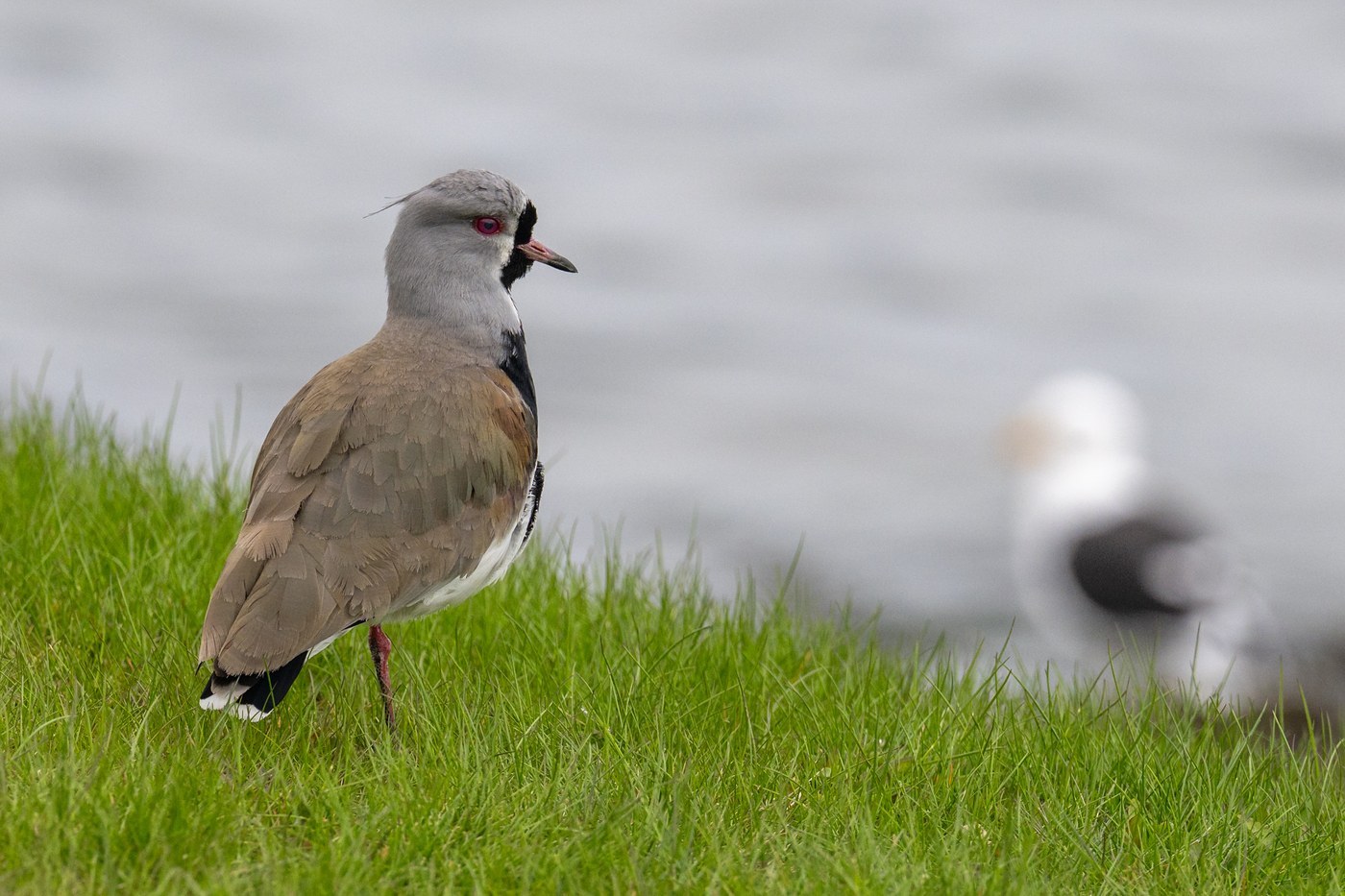
Southern Lapwing
Body, flight, and tail feathers

Jack Snipe
Body and flight feathers

Far Eastern Curlew
Body, flight, and tail feathers

Terek Sandpiper
Body and flight feathers

Wilson's Phalarope
Body and flight feathers
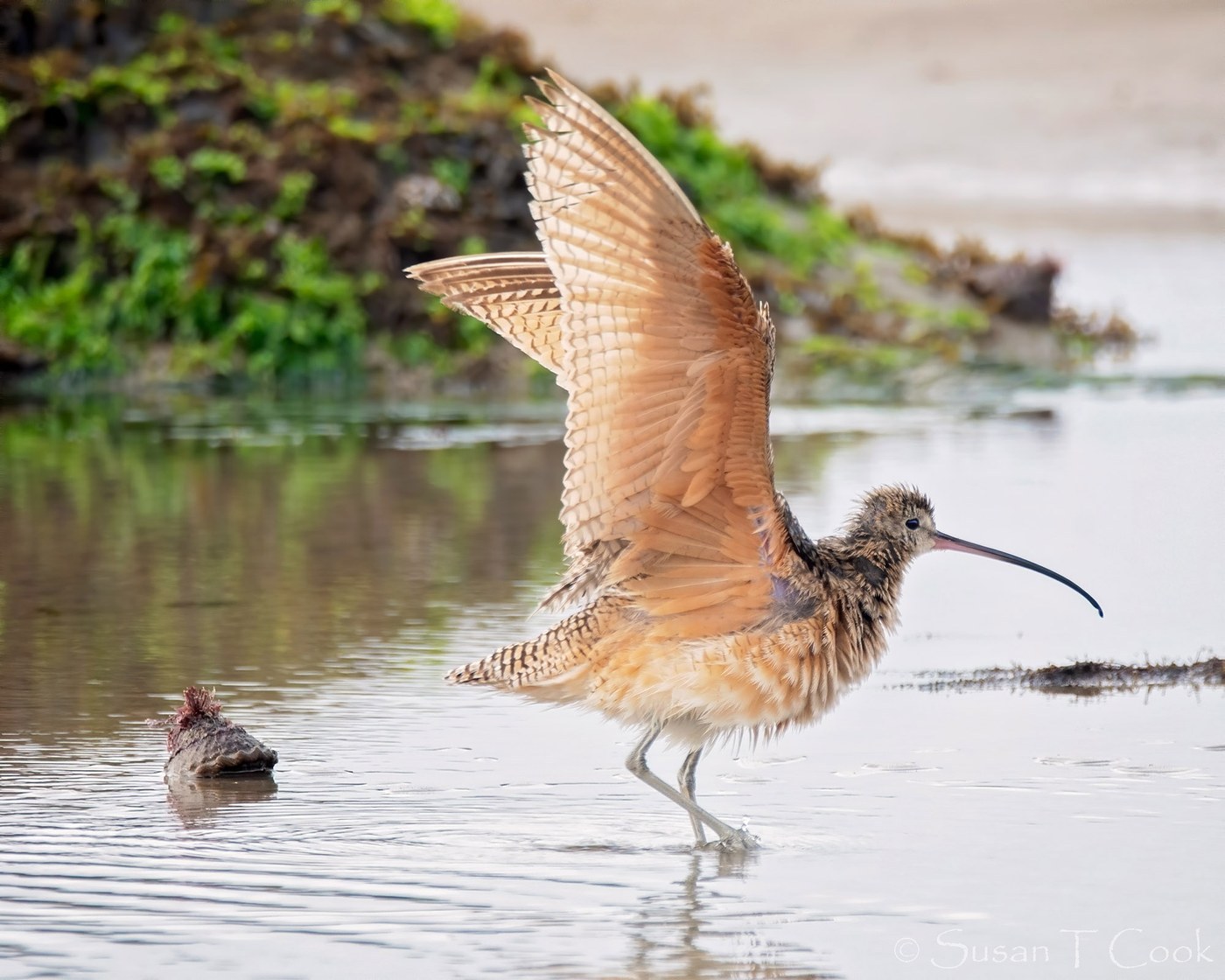
Long-billed Curlew
Body, flight, and tail feathers

Upland Sandpiper
Body, flight, and tail feathers

Red Phalarope
Body and flight feathers

Eurasian Dotterel
Body feathers
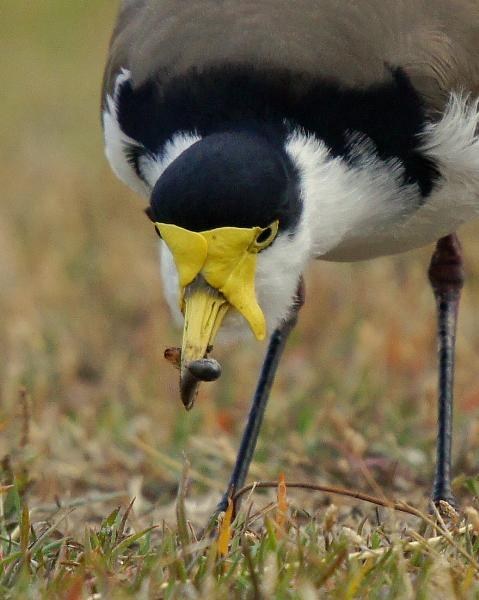
Masked Lapwing
Body, flight, and tail feathers
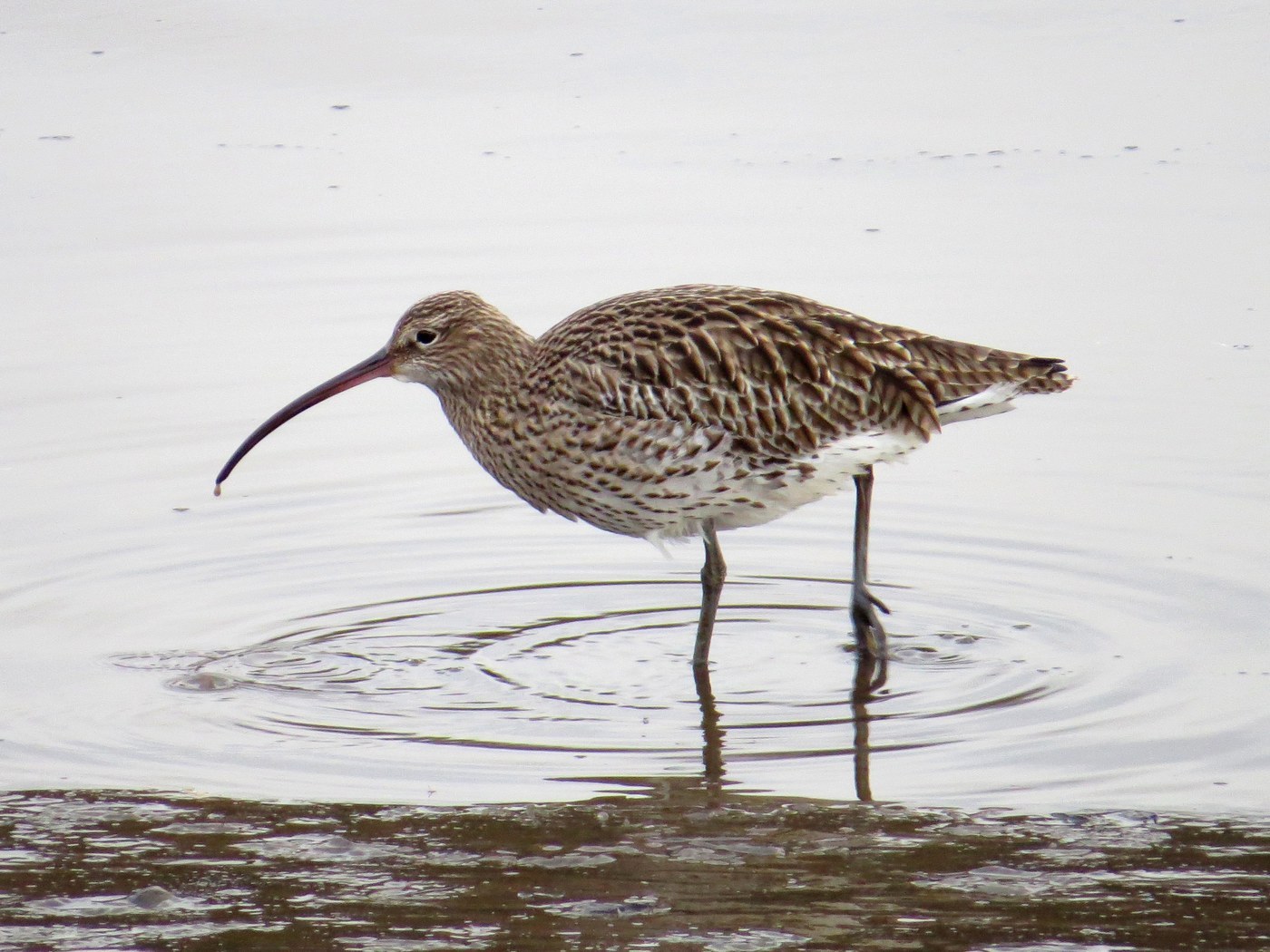
Eurasian Curlew
Body, flight, and tail feathers
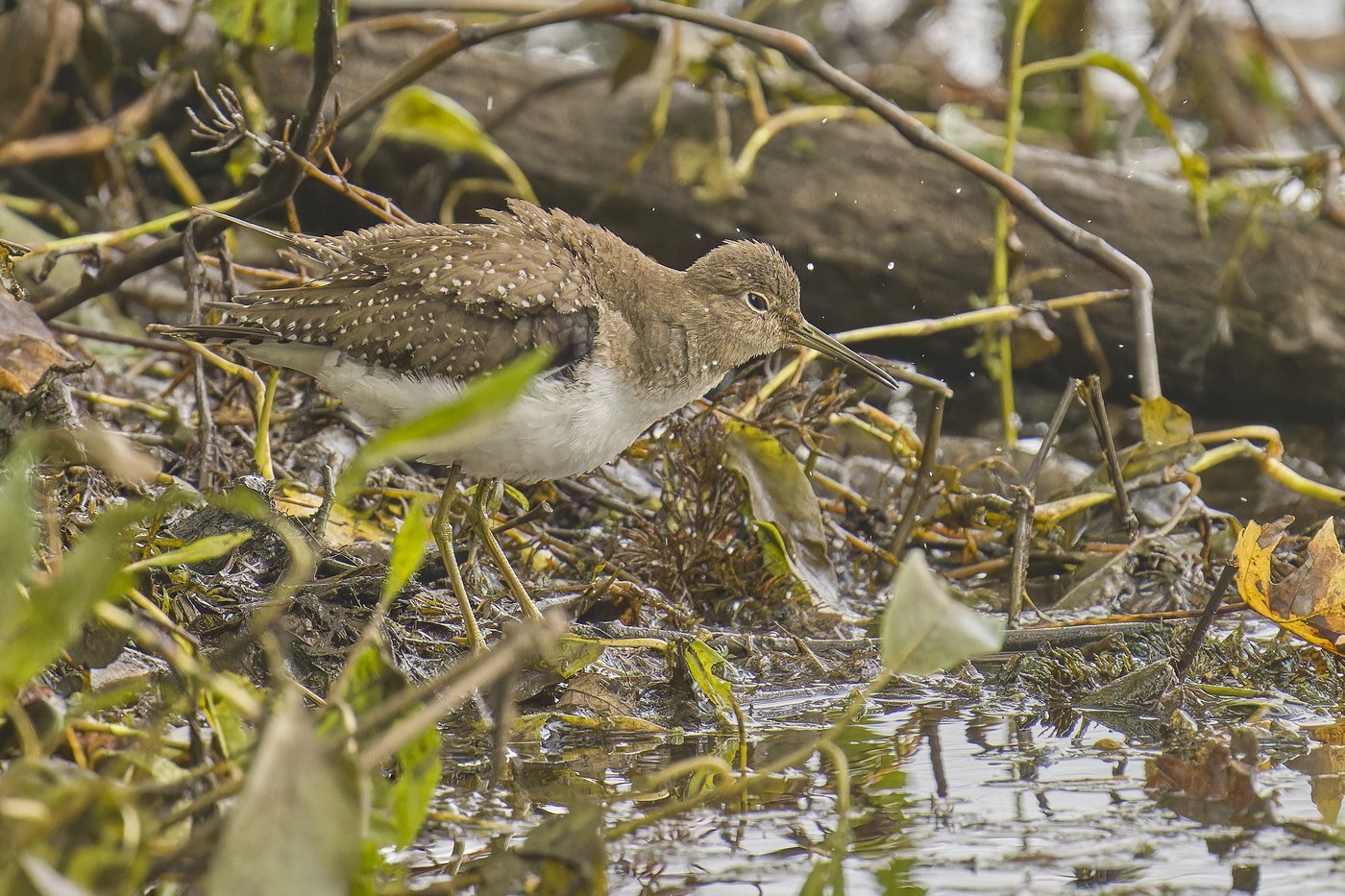
Solitary Sandpiper
Contour and flight feathers