

Philippine Falconet
Microhierax erythrogenys
A tiny falcon endemic to the Philippines, showing glossy black upperparts and white underparts with a rufous lower belly and thighs, distinct among the region's falconets.
- Feather type
- Tiny rounded flight feathers; short tail; black and white body feathers with a rufous belly and thighs
- Colours
- Glossy black upperparts; white underparts with rufous lower belly and thighs
- Bird size
- Very small falcon, ~15-18 cm
Found a feather like this?
Identify any feather from a photo, free.
Overview
The Philippine Falconet is endemic to the Philippine archipelago, occupying forest edges, clearings, and open woodland across several islands. Like its relatives in the genus Microhierax, it is extremely small and often perches conspicuously on bare branches or wires.
Its feathers combine glossy black upperparts with clean white underparts, set apart from related species by a rufous wash confined to the lower belly and thighs rather than the forehead.
Being endemic to the Philippines, any feather matching this pattern found within that country's forests is a strong candidate for the species, since no other falconet occurs there.
Identifying the Feather
Shape and size
- Flight feathers are tiny, typically under 8-9 cm, in keeping with its very small overall body size.
- Tail feathers are short and mostly black with narrow white markings.
Color and pattern
- Upperpart feathers are glossy black.
- Lower belly and thigh feathers show a rufous wash, while the forehead and upper underparts remain white to blackish rather than rufous.
- Shafts are dark on black feathers, pale on white and rufous ones.
Similar species
- Distinguished from the Collared and Black-thighed Falconets, which show rufous mainly on the forehead or flanks, by its rufous patch being concentrated on the lower belly/thigh region; also, it is the only falconet found in the Philippines.
Plumage & Molt
Adults show glossy black upperparts, white underparts, and a rufous lower belly and thigh patch, with sexes similar in pattern. Juveniles are duller with less gloss, brightening after the first molt.
Habitat & Range
Endemic to the Philippines, found in forest edges, clearings, and open woodland on several islands including Luzon and Mindanao. It is a non-migratory resident.
Behavior & Field Notes
Hunts flying insects and small birds from exposed perches, often in pairs or small groups. Nests in tree cavities. Calls are thin, high-pitched, typical of the falconet genus.
Field note: any tiny black-and-white falconet feather with a rufous lower belly/thigh patch found in Philippine forest is very likely this species, as it is the only falconet endemic to the archipelago.
Frequently asked questions
Where specifically is its rufous coloring located?
On the lower belly and thighs, rather than the forehead as in some related falconets.
Is there any other falconet species in the Philippines to confuse this with?
No, it is the only member of its genus found in the Philippines, which simplifies identification by location alone.
How small are its feathers?
Very small, with flight feathers typically under 9 cm.
Does it live in dense primary forest only?
No, it also uses forest edges, clearings, and open woodland, not just closed-canopy forest.
Philippine Falconet guides
In-depth guides for identifying and understanding Philippine Falconet.

Other feathers you may enjoy

Australian Hobby
Long, narrow pointed flight feathers; slender tail feathers

California Condor
Massive flight feathers; long broad primaries; large tail feathers

Brown Falcon
Broad, rounded flight feathers; variable-toned contour feathers
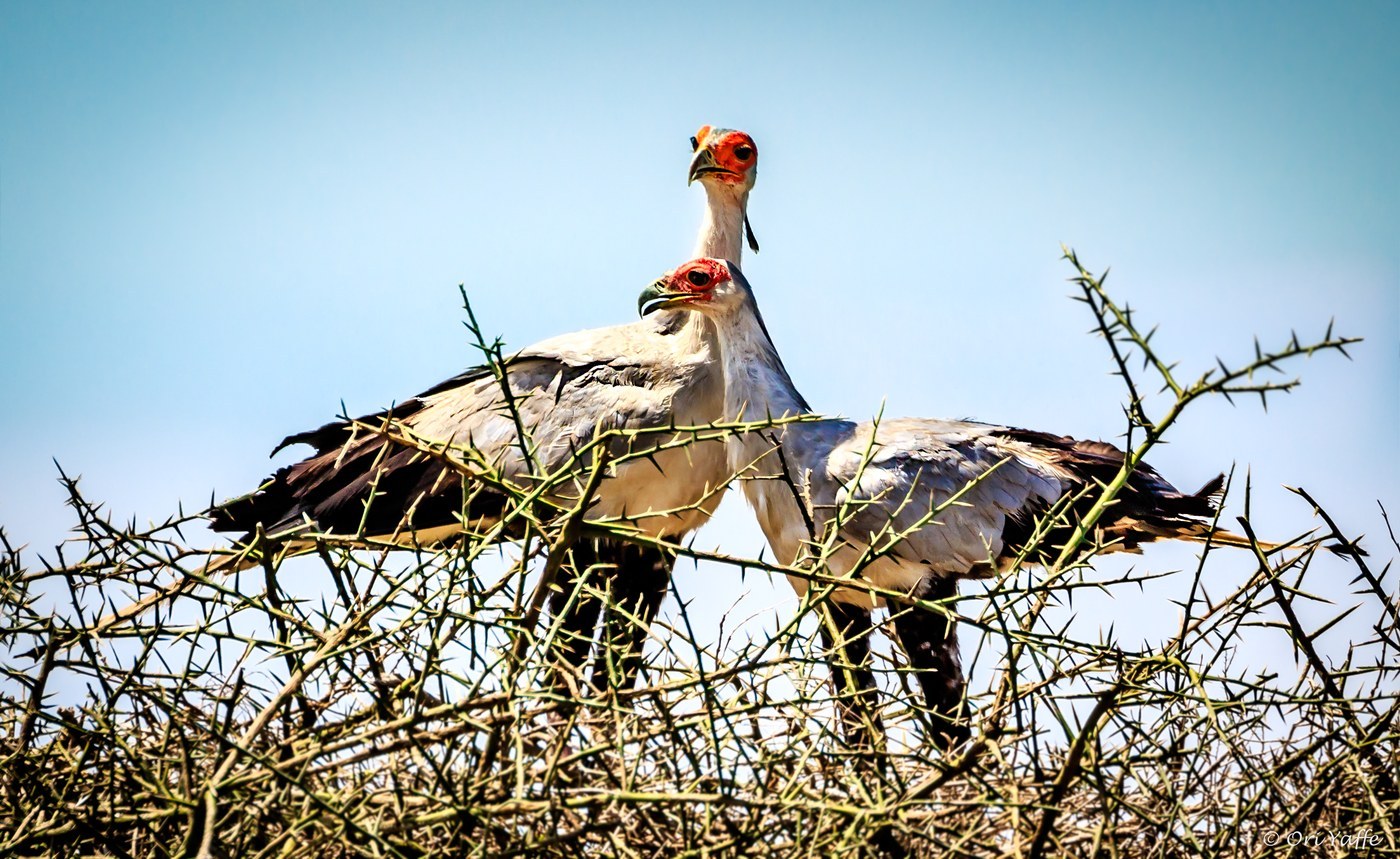
Secretarybird
Long crest feathers; broad flight feathers; elongated central tail feathers

Orange-breasted Falcon
Broad-based pointed flight feathers; bold breast and belly feathers
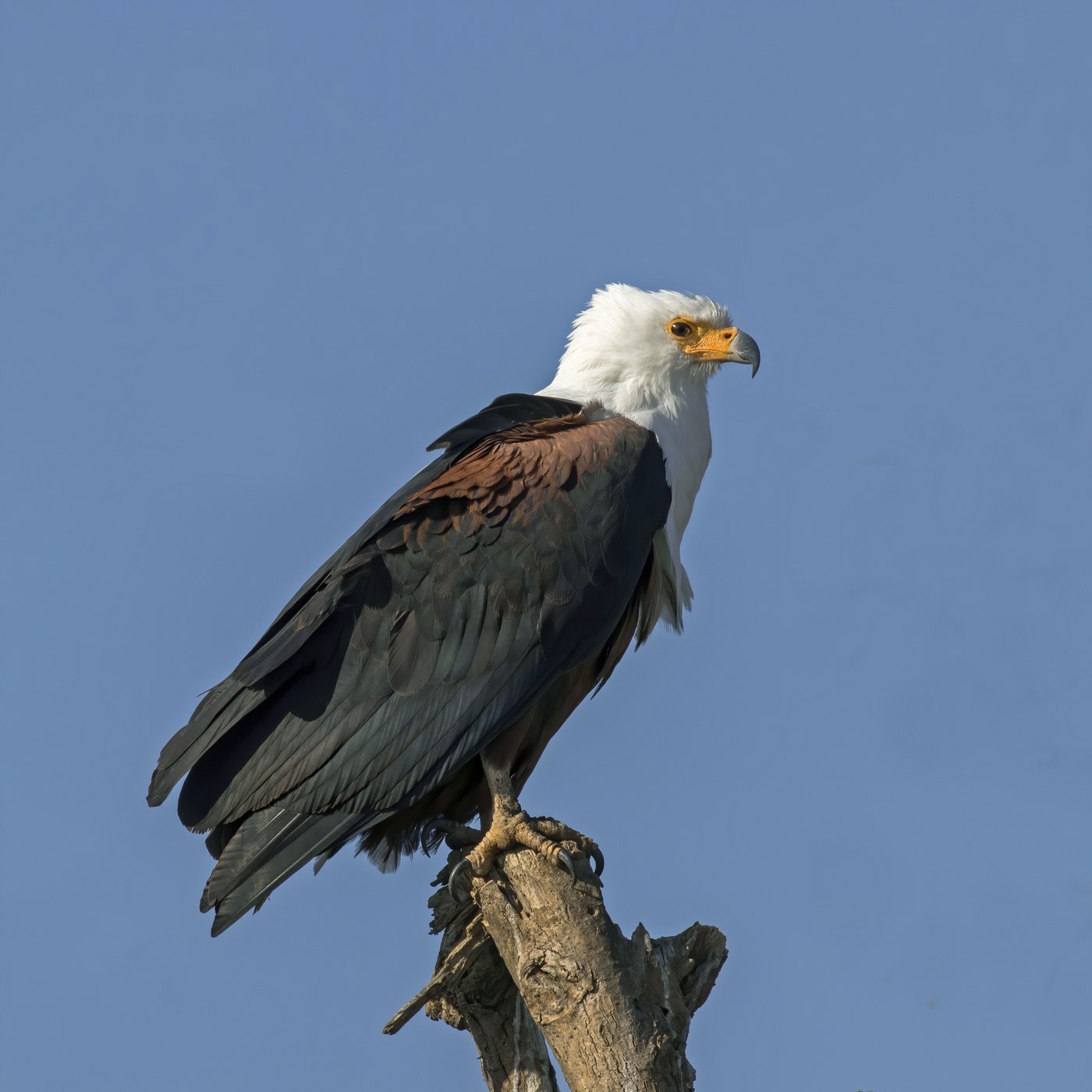
African Fish Eagle
Flight, tail, and body feathers

Amur Falcon
Slender pointed flight feathers; soft slate or orange-buff contour feathers
Red Kite
Flight (wing) and tail feathers
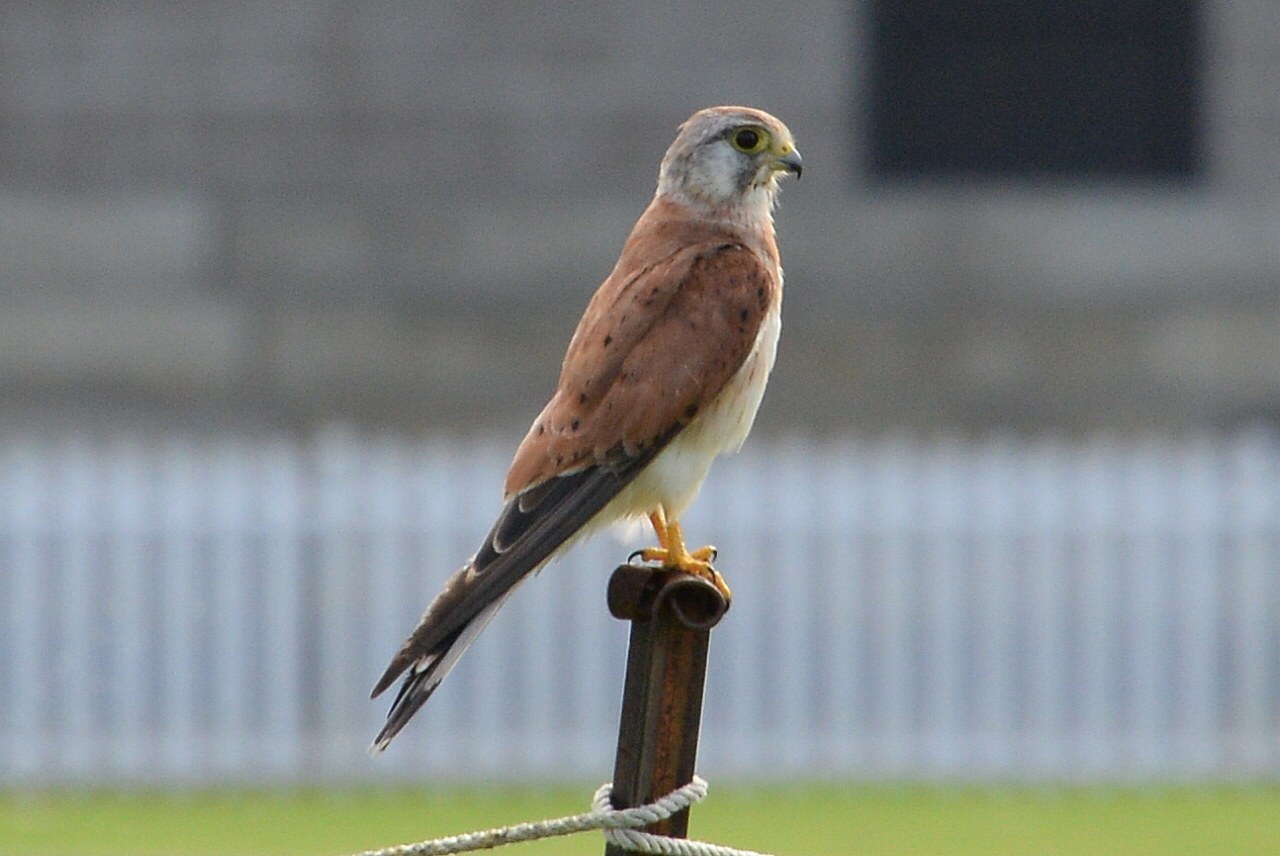
Nankeen Kestrel
Slim pointed flight feathers; lightly marked contour feathers

Andean Condor
Massive flight feathers; broad primaries and secondaries; sturdy tail feathers

Plumbeous Forest Falcon
Short rounded flight feathers; finely barred tail feathers

Sooty Falcon
Long pointed flight feathers; slim tail feathers