

Oriental Magpie
Pica serica
An East Asian magpie closely related to the Eurasian Magpie, recognized by its glossy black-and-white pattern and a somewhat shorter tail than its western relatives.
- Feather type
- Contour, wing, and tail feathers
- Colours
- Black head and body with a white belly and shoulder patch, glossy blue-green iridescent wings and a comparatively short tail
- Bird size
- Dove- to small crow-sized with a long tail, ~40-50 cm including tail
Found a feather like this?
Identify any feather from a photo, free.
Overview
The Oriental Magpie is a familiar and often revered bird across Korea, Japan, and parts of eastern China, common in farmland, villages, and city parks. It shares the classic magpie pattern of glossy black plumage set off by white shoulders and underparts, and was long treated as part of the same species complex as the Eurasian Magpie before being split.
In Korea it holds cultural significance as a symbol of good fortune, and its bold, adaptable nature has helped it thrive alongside people.
Identifying the Feather
- Contour feathers show the typical magpie pattern: glossy black head, throat, and back contrasting with crisp white belly and shoulder patches
- Wing feathers flash iridescent blue-green on their black portions, similar to other Pica magpies
- The tail is proportionally shorter than in the Eurasian or Black-billed Magpies, so individual tail feathers average somewhat shorter relative to overall body size
- Feather texture is dense and sleek on the black areas, with a slightly looser structure on the white belly feathers
Plumage & Molt
Sexes look alike in plumage, with males slightly larger. Juveniles show duller black feathering with reduced gloss, brightening as they mature after their first complete molt. One full annual molt follows the breeding season.
Habitat & Range
- Resident across the Korean Peninsula, Japan, and eastern China, generally in lowland and hill country
- Common in farmland, village edges, and urban parks, often nesting on utility poles and in tall trees near people
- Non-migratory, with birds typically remaining on the same territory year-round
Behavior & Field Notes
Oriental Magpies are bold and adaptable, foraging on the ground and in trees for insects, grain, small animals, and human food scraps. They build large domed stick nests, sometimes reused and expanded over multiple years, often placed conspicuously in tall trees or on structures. Calls are harsh, chattering notes typical of magpies, and the species is generally tolerant of people, often nesting close to houses and roads.
Frequently asked questions
How does this feather differ from a Eurasian Magpie's?
The two are extremely similar; the main distinction is a proportionally shorter tail in the Oriental Magpie, meaning individual tail feathers average somewhat shorter, though this is not always obvious from a single loose feather.
What causes the greenish shine on the wing feathers?
The blue-green iridescence is a structural color effect from the feather's microscopic surface layers, the same mechanism seen in other Pica magpies and many other glossy black birds.
Are the white belly feathers pure white throughout?
Yes, the belly and shoulder patch feathers are white from base to tip, providing a sharp contrast against the glossy black feathers of the head and back.
Where would I most likely find this species' feathers?
Across the Korean Peninsula, Japan, and eastern China, especially around farmland, village edges, and urban parks where the species is common and conspicuous.
Oriental Magpie guides
In-depth guides for identifying and understanding Oriental Magpie.

Other feathers you may enjoy

Yellow-billed Magpie
Contour, wing, and tail feathers

White-throated Magpie-Jay
Contour, wing, and tail feathers

White-necked Crow
Contour and flight feathers

Slender-billed Crow
Contour and flight feathers

Sinaloa Crow
Contour and flight feathers

Siberian Jay
Contour, wing, and tail feathers

Yellow-billed Blue Magpie
Contour, wing, and tail feathers
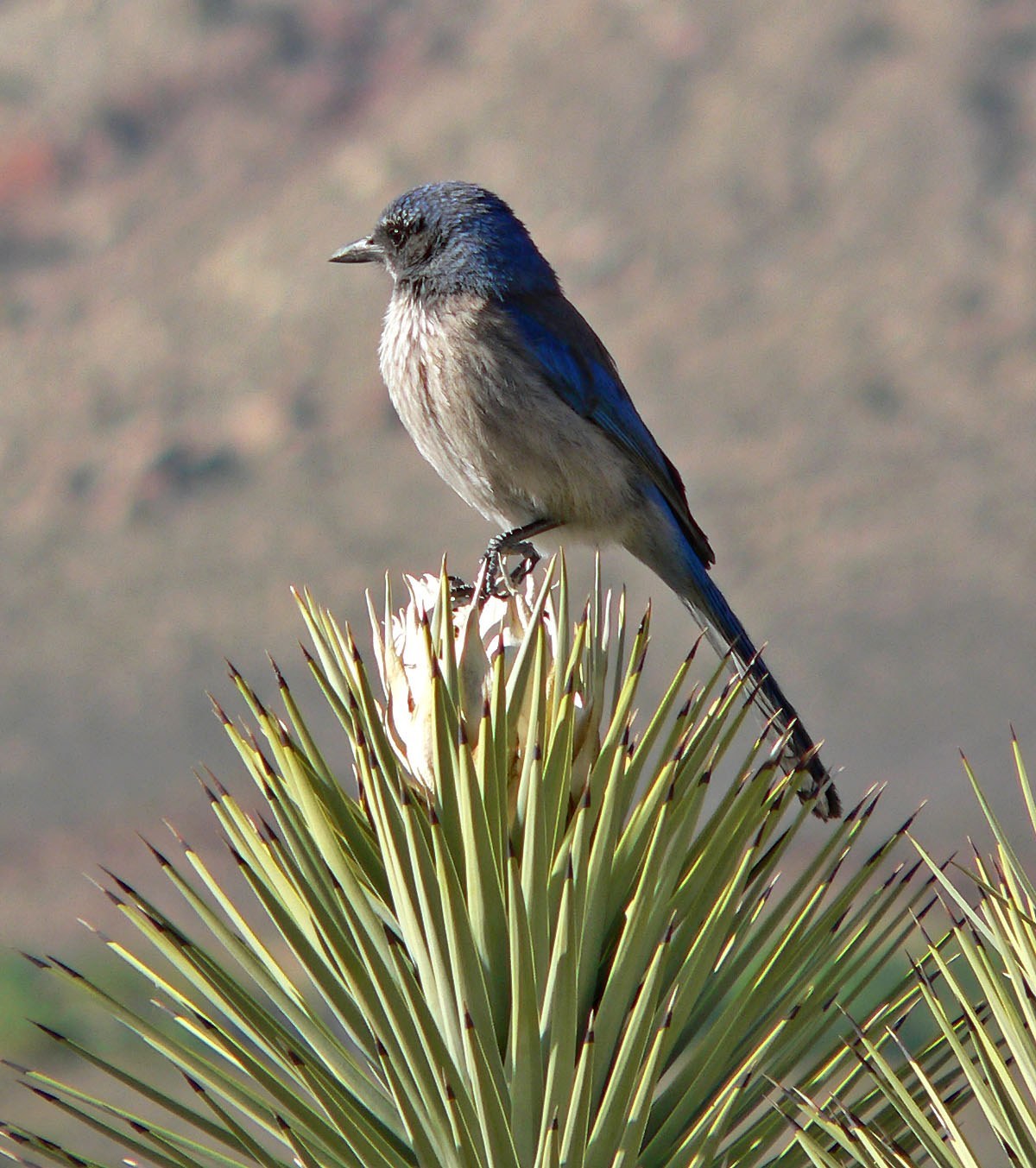
Woodhouse's Scrub-Jay
Contour and flight feathers
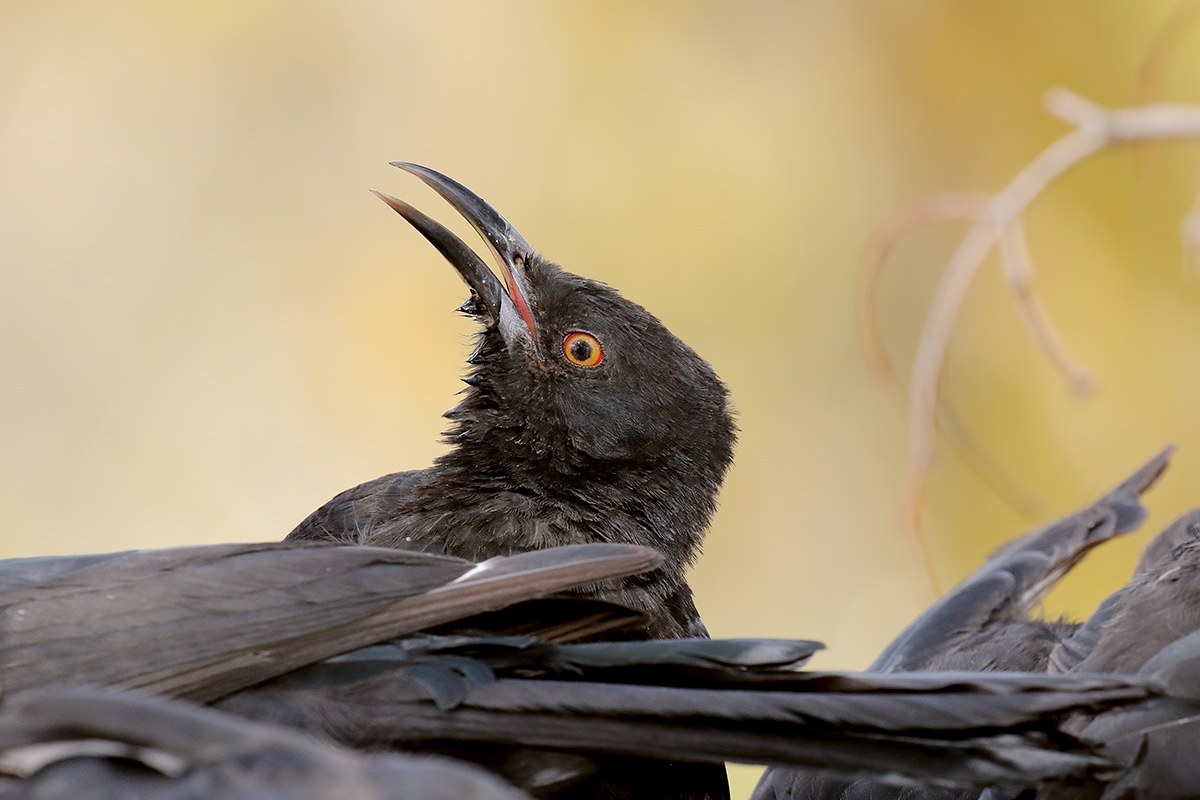
White-winged Chough
Contour and flight feathers

Rufous Treepie
Long, graduated tail feathers; loose body contour feathers

Thick-billed Raven
Contour and flight feathers
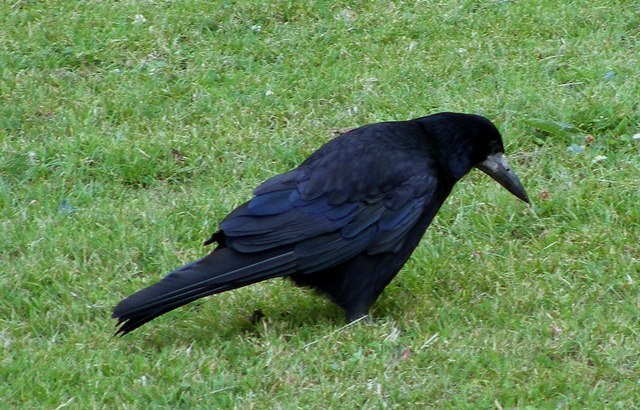
Rook
Glossy purple-black flight and body feathers; loose, shaggy thigh (leg) feathers