

Nuttall's Woodpecker
Dryobates nuttallii
A small woodpecker largely restricted to California oak woodlands, similar to Ladder-backed Woodpecker but with cleaner white underparts and a solid black nape band.
- Feather type
- Barred back feathers with a solid black nape band, small overall
- Colours
- Black-and-white barred back, clean white underparts, red crown patch on male
- Bird size
- Sparrow-to-robin-sized, ~18 cm
Found a feather like this?
Identify any feather from a photo, free.
Overview
Nuttall's Woodpecker is closely tied to oak woodland and adjacent riparian growth in California and northern Baja California, occupying a range that mostly complements rather than overlaps that of the similar Ladder-backed Woodpecker. The two species can be confused, but subtle differences in barring and underpart cleanliness help separate them.
It shows the same general black-and-white barred back pattern found in many small Dryobates woodpeckers, paired with a distinctive solid black band across the nape.
Identifying the Feather
- Back: black-and-white barred, similar in general pattern to Ladder-backed Woodpecker
- Nape: solid black band, a useful mark separating it from Ladder-backed Woodpecker
- Underparts: cleaner white with little to no flank spotting
- Crown: red patch on males, confined to the rear crown; females show plain black
- Vs. Downy Woodpecker: Nuttall's is larger with more extensive back barring and lacks the crisp white back stripe of Downy Woodpecker
Plumage & Molt
Males show a red patch on the rear crown while females have an all-black crown. Juveniles are duller with softer barring and, in young males, a less defined red crown patch. The species undergoes one complete annual molt following breeding.
Habitat & Range
Resident in oak woodland, oak-conifer edge, and riparian corridors across California west of the Sierra Nevada and into northern Baja California. It is largely non-migratory, remaining on territory throughout the year.
Behavior & Field Notes
Forages on oak trunks and branches, gleaning bark-dwelling insects and their larvae, and will also visit riparian willows and cottonwoods. It nests in cavities excavated in dead limbs or trunks, often in oaks. Its calls include sharp rattling notes similar to Ladder-backed Woodpecker, and it drums in short, quick bursts.
Frequently asked questions
How can I tell Nuttall's Woodpecker from Ladder-backed Woodpecker?
Nuttall's shows cleaner white underparts and a solid black nape band, while Ladder-backed has more spotted flanks and a buffier face; their ranges also mostly separate California oak woodland from desert scrub.
What habitat does Nuttall's Woodpecker prefer?
It is closely tied to oak woodland and adjacent riparian growth in California and northern Baja California.
Is Nuttall's Woodpecker migratory?
No, it is largely a non-migratory resident that stays within its oak woodland range year-round.
What does the red crown patch indicate?
It marks the bird as a male; females show a plain black crown without any red.
Nuttall's Woodpecker guides
In-depth guides for identifying and understanding Nuttall's Woodpecker.

Nuttall's Woodpecker identified by the community
Real feathers identified with Feather Identifier.


Other feathers you may enjoy

Ivory-billed Woodpecker
Very large flight feathers with a solid white trailing patch

Great Slaty Woodpecker
Massive, uniformly colored contour feathers

Yellow-tufted Woodpecker
Black body feathers with bright yellow forehead tufts

Magellanic Woodpecker
Very large, glossy contour feathers with a recurved crest

Yellow-bellied Sapsucker
Black-and-white patterned back and facial-stripe feathers
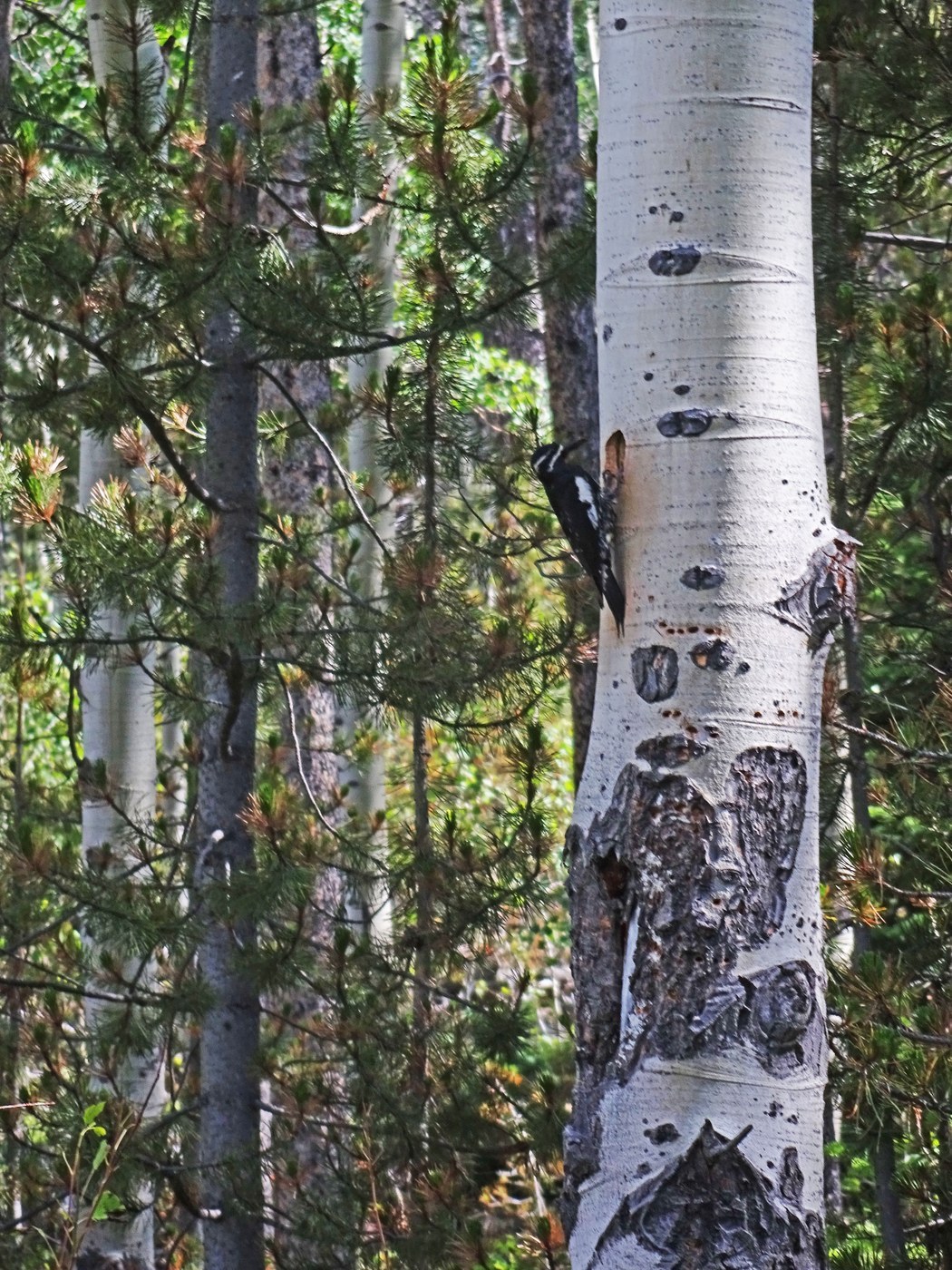
Williamson's Sapsucker
Strongly sexually dimorphic body feathers, glossy black or finely barred brown

Yellow-crowned Woodpecker
Contour and flight feathers

White Woodpecker
Mostly white body feathers with contrasting black wings and back

Red-throated Wryneck
Soft, cryptically mottled contour feathers

White-bellied Woodpecker
Large, glossy black contour and flight feathers

White-backed Woodpecker
Barred back feathers rather than a solid white patch
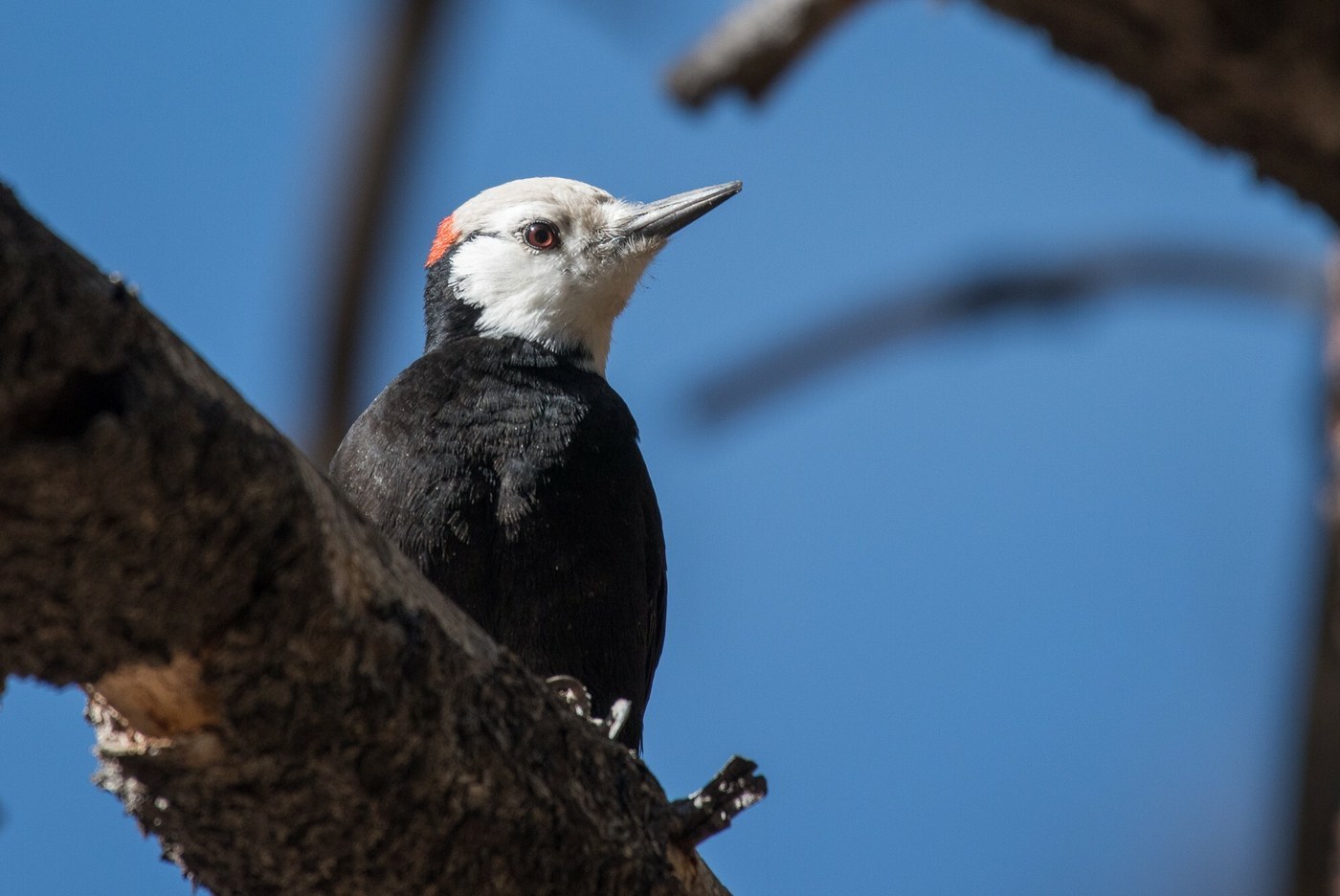
White-headed Woodpecker
Solid black body feathers with an entirely white head