

Syrian Woodpecker
Dendrocopos syriacus
A close look-alike of the Great Spotted Woodpecker found across southeastern Europe and the Middle East, best separated by an incomplete black neck bar and a paler pink vent.
- Feather type
- Great Spotted-type contour feathers with an incomplete neck bar
- Colours
- Black-and-white with a pale, salmon-pink vent
- Bird size
- Medium, ~23 cm
Found a feather like this?
Identify any feather from a photo, free.
Overview
The Syrian Woodpecker closely resembles the widespread Great Spotted Woodpecker in overall plumage pattern but occupies a more southeastern range, from the Balkans and Turkey through the Middle East. It has expanded its European range northward in recent decades and is often found in orchards, parks, and cultivated landscapes more than dense natural forest.
Because the two species are so similar in plumage, careful attention to a few subtle differences is needed to separate feathers of the Syrian Woodpecker from the more common Great Spotted Woodpecker.
Identifying the Feather
Key features:
- Overall black-and-white pattern is nearly identical to the Great Spotted Woodpecker
- The black band running down from the nape does not connect fully to the black shoulder/mantle patch, leaving a strip of white extending around the side of the neck
- Vent and undertail feathers are a paler pink or salmon color rather than the deeper crimson of the Great Spotted Woodpecker
- Males show a red nape patch; females lack red entirely on the head
Compared to similar species: the incomplete neck bar (leaving white connecting around the side of the neck) is the most reliable feather-level distinction from the Great Spotted Woodpecker, whose black neck bar and shoulder patch form a continuous connection.
Plumage & Molt
The overall plumage pattern closely follows that of the Great Spotted Woodpecker type, with males showing a red nape patch and females lacking red on the head. Juveniles show a red crown patch that is lost after the first molt. A single complete annual molt follows the breeding season.
Habitat & Range
This species favors orchards, open woodland, parks, and cultivated areas across southeastern Europe, Turkey, and the Middle East, and has expanded northward into parts of central Europe in recent decades. It is a non-migratory resident and often lives in closer association with human-modified landscapes than the Great Spotted Woodpecker.
Behavior & Field Notes
Syrian Woodpeckers forage on trunks and branches as well as in fruit trees, feeding on insects and some plant material. Their calls and drumming closely resemble those of the Great Spotted Woodpecker. Nest cavities are excavated by both sexes, typically in orchard trees or woodland edges near cultivated land.
Frequently asked questions
How is a Syrian Woodpecker feather told apart from a Great Spotted Woodpecker feather?
The most reliable clue is an incomplete black neck bar that leaves white connecting around the side of the neck, along with a paler, more salmon-pink vent color rather than deep crimson.
Is this species found in dense forest?
It more often occupies orchards, parks, and open woodland near cultivated land rather than dense, unbroken forest, so habitat context can support an identification.
Does crown color help identify sex?
Males show a red nape patch while females lack red on the head entirely; juveniles show a red crown patch that disappears after their first molt.
Where does this species occur?
Southeastern Europe, Turkey, and the Middle East, with a range that has expanded northward into parts of central Europe in recent decades.
Syrian Woodpecker guides
In-depth guides for identifying and understanding Syrian Woodpecker.

Other feathers you may enjoy

Ivory-billed Woodpecker
Very large flight feathers with a solid white trailing patch

Great Slaty Woodpecker
Massive, uniformly colored contour feathers

Yellow-tufted Woodpecker
Black body feathers with bright yellow forehead tufts

Magellanic Woodpecker
Very large, glossy contour feathers with a recurved crest

Yellow-bellied Sapsucker
Black-and-white patterned back and facial-stripe feathers
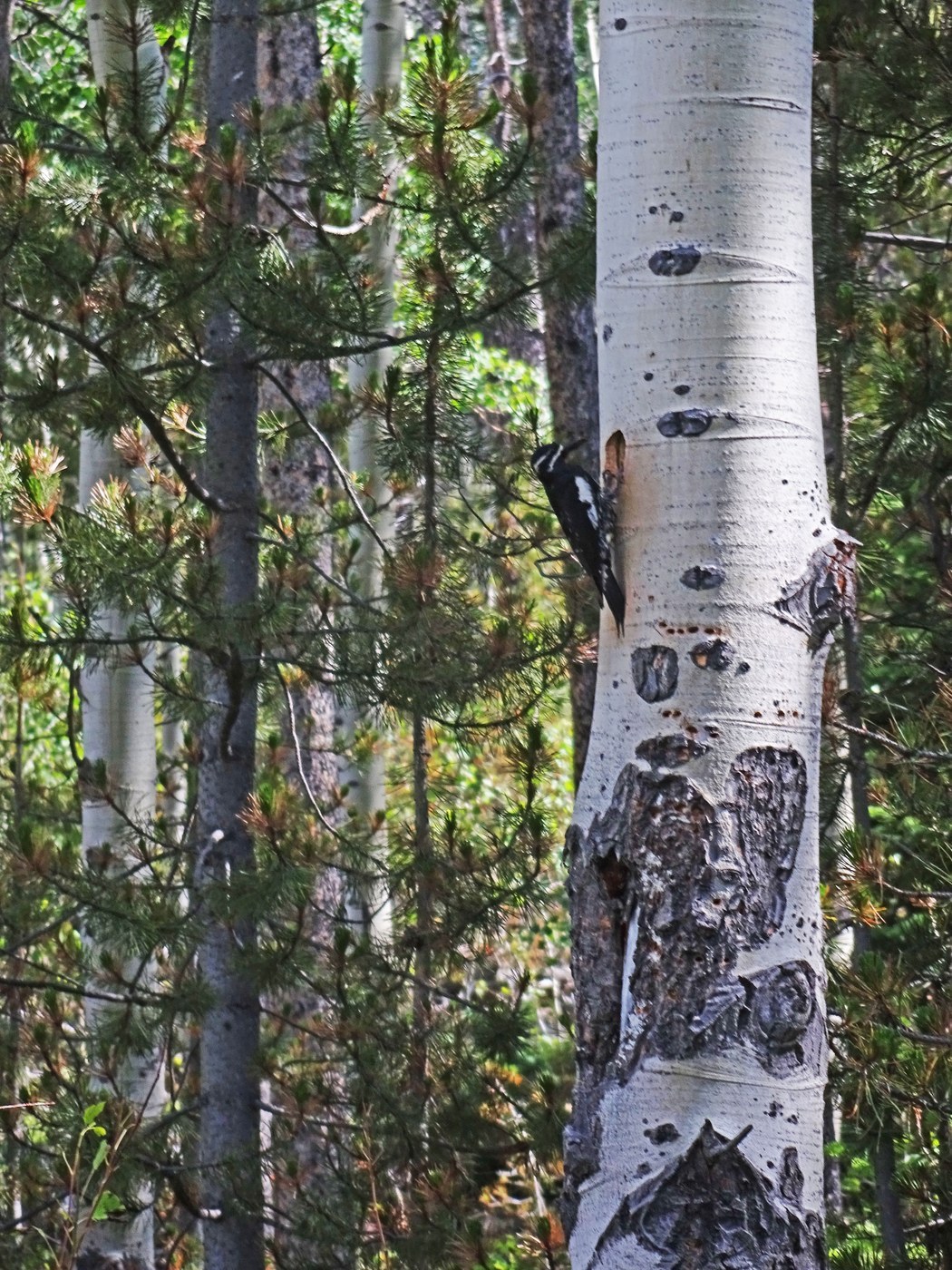
Williamson's Sapsucker
Strongly sexually dimorphic body feathers, glossy black or finely barred brown

Yellow-crowned Woodpecker
Contour and flight feathers

White Woodpecker
Mostly white body feathers with contrasting black wings and back

Red-throated Wryneck
Soft, cryptically mottled contour feathers

White-bellied Woodpecker
Large, glossy black contour and flight feathers

White-backed Woodpecker
Barred back feathers rather than a solid white patch
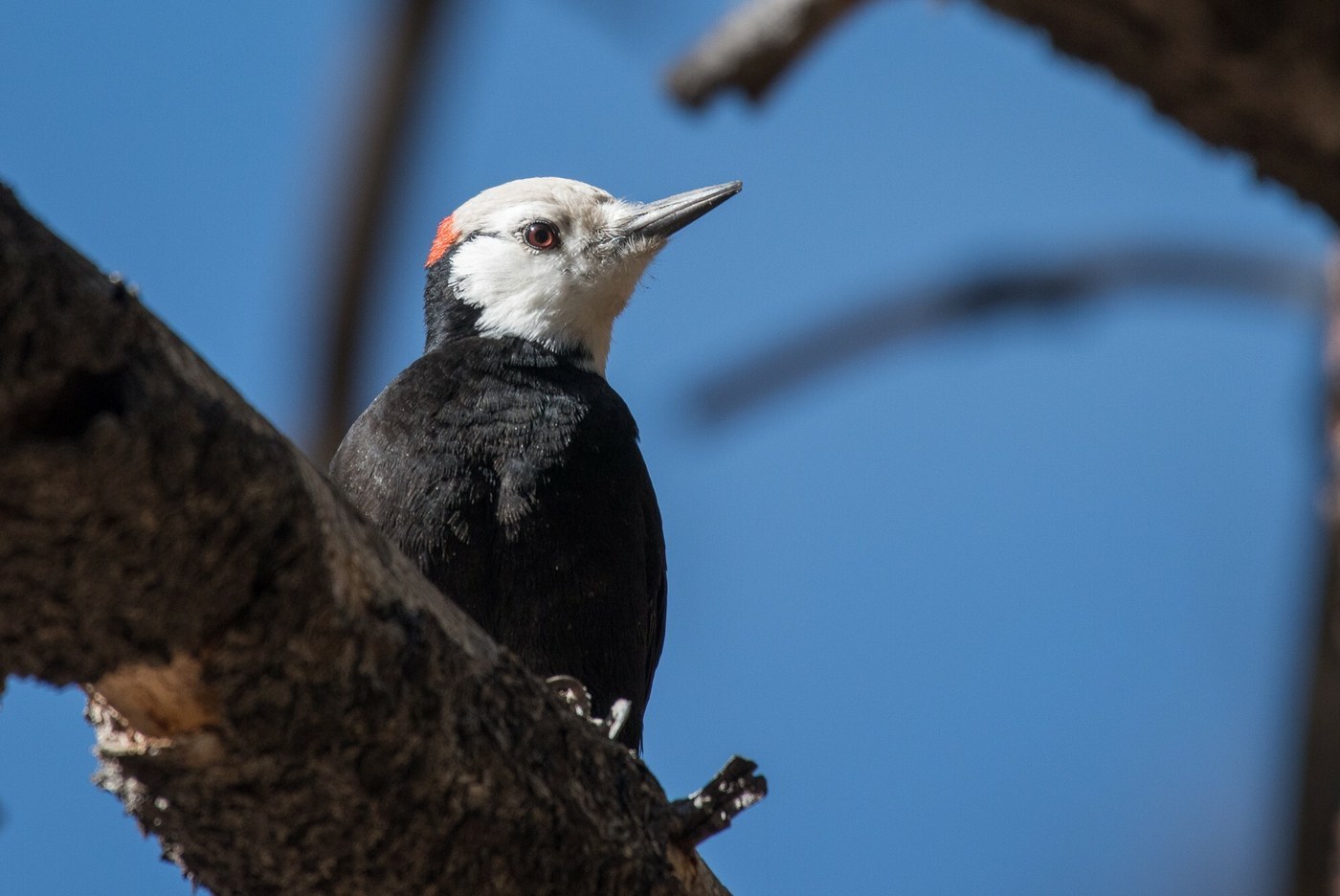
White-headed Woodpecker
Solid black body feathers with an entirely white head