

Yellow-crowned Woodpecker
Leiopicus mahrattensis
A small South Asian woodpecker recognized by a yellow patch on the forecrown, paired with a classic black-and-white barred back and streaked underparts.
- Feather type
- Contour and flight feathers
- Colours
- Yellow forecrown, black-and-white barred back, streaked underparts
- Bird size
- Small woodpecker, ~18 cm
Found a feather like this?
Identify any feather from a photo, free.
Overview
The Yellow-crowned Woodpecker is a small resident species of dry deciduous woodland across the Indian subcontinent. Its yellow forecrown patch, present in both sexes, is a useful and fairly unique feature among the region's pied woodpeckers.
It is generally found in drier, more open woodland than some of its relatives, often associating with scrubby or thorny vegetation.
Identifying the Feather
- Forecrown feathers show a yellow patch present in both sexes, a distinctive feature for the species
- Males additionally show red on the rear crown, absent in females
- Back and wing feathers show classic black-and-white barring
- Underparts are streaked rather than barred, on a pale ground color
- Tail feathers are black with white markings, stiffened for trunk support
Plumage & Molt
Both sexes show a yellow forecrown patch, but males additionally have red on the rear crown, which females lack. Juveniles show duller, less defined streaking below and a less saturated yellow crown patch. A single molt follows breeding.
Habitat & Range
- Resident across much of the Indian subcontinent, including India and Sri Lanka
- Favors dry deciduous woodland, scrub, and thorn forest
- Non-migratory
Behavior & Field Notes
This species forages on trunks, branches, and twigs, taking insects and larvae, and is often found in drier and more open habitat than many related pied woodpeckers. It gives sharp calls and drums in short bursts. Nest cavities are excavated in dead branches or trunks within its dry woodland range.
Frequently asked questions
What is the key identifying feather feature?
A yellow patch on the forecrown, present in both sexes, is the most distinctive feature of this species.
How can sex be determined?
Males show additional red on the rear crown behind the yellow forecrown patch; females lack red entirely.
What habitat should I check for this species?
Dry deciduous woodland, scrub, and thorn forest across the Indian subcontinent.
Are the underparts barred or streaked?
Streaked, distinguishing the underparts pattern from the barred back and wings.
Yellow-crowned Woodpecker guides
In-depth guides for identifying and understanding Yellow-crowned Woodpecker.

Other feathers you may enjoy

Ivory-billed Woodpecker
Very large flight feathers with a solid white trailing patch

Great Slaty Woodpecker
Massive, uniformly colored contour feathers

Yellow-tufted Woodpecker
Black body feathers with bright yellow forehead tufts

Magellanic Woodpecker
Very large, glossy contour feathers with a recurved crest

Yellow-bellied Sapsucker
Black-and-white patterned back and facial-stripe feathers
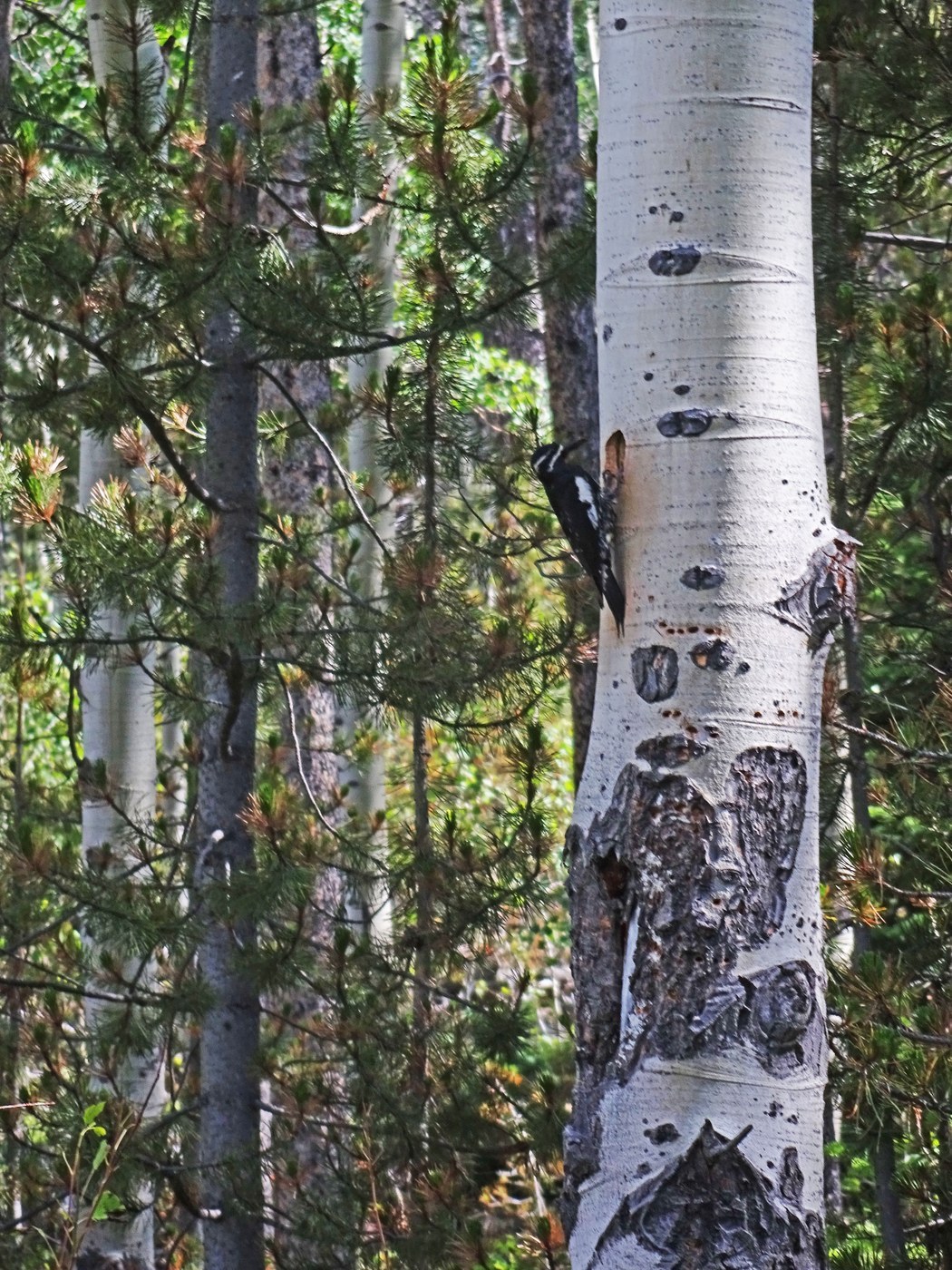
Williamson's Sapsucker
Strongly sexually dimorphic body feathers, glossy black or finely barred brown

White Woodpecker
Mostly white body feathers with contrasting black wings and back

Red-throated Wryneck
Soft, cryptically mottled contour feathers

White-bellied Woodpecker
Large, glossy black contour and flight feathers

White-backed Woodpecker
Barred back feathers rather than a solid white patch
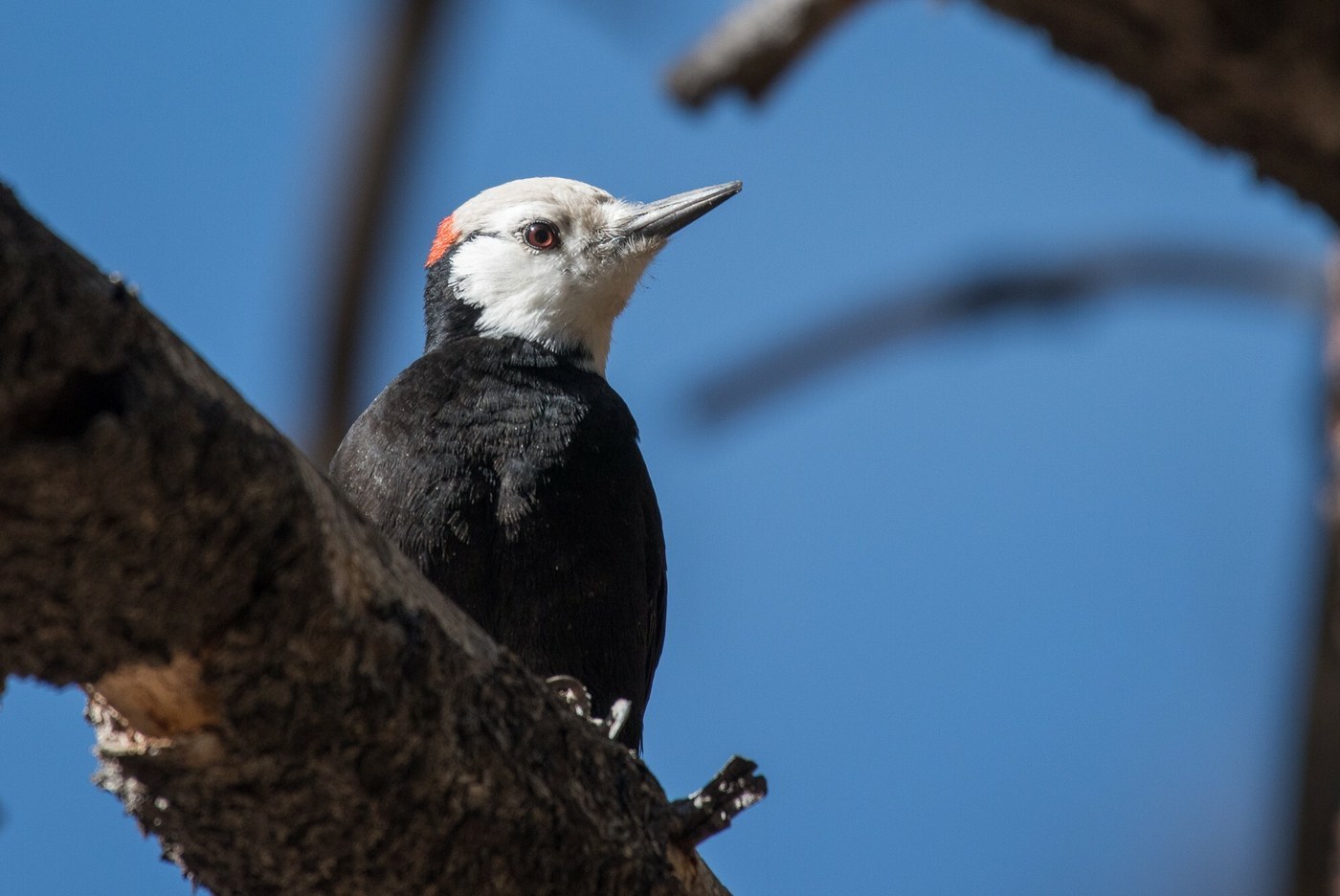
White-headed Woodpecker
Solid black body feathers with an entirely white head

Syrian Woodpecker
Great Spotted-type contour feathers with an incomplete neck bar