

Smoky-brown Woodpecker
Dryobates fumigatus
An unusually plain Neotropical woodpecker, lacking the bold barring or spotting typical of most relatives and instead showing an even smoky rufous-brown plumage.
- Feather type
- Contour and flight feathers
- Colours
- Plain smoky rufous-brown, largely unmarked
- Bird size
- Small woodpecker, ~16-18 cm
Found a feather like this?
Identify any feather from a photo, free.
Overview
The Smoky-brown Woodpecker stands out among its relatives for its notably plain plumage, an even smoky rufous-brown covering most of the body rather than the bars or spots typical of related species. It occurs in humid forest from Central America into parts of South America, generally at low to middle elevations.
Its subdued coloring can make it easy to overlook, and it is often detected first by call or by soft tapping while foraging.
Identifying the Feather
- Body feathers are an even smoky rufous-brown with little to no barring or spotting, unusual for a woodpecker of this genus
- Wing and tail feathers are similarly plain brown, showing only subtle tonal variation rather than strong contrast
- Males show a small red patch on the nape, while females lack red entirely
- Overall feather texture and size are consistent with a small woodpecker
- The lack of bold pattern is itself a useful identification clue when compared with barred or spotted relatives
Plumage & Molt
Males carry a small red nape patch; females show no red on the head. Juveniles are similarly plain, perhaps slightly duller, with the species lacking pronounced age-related pattern differences seen in more boldly marked relatives. A single molt occurs after breeding.
Habitat & Range
- Found from parts of Central America south through the Andean foothills and adjacent lowlands of South America
- Favors humid montane and lowland forest, including forest edge and secondary growth
- Resident, generally sedentary within suitable forest habitat
Behavior & Field Notes
This species forages on trunks and branches for insects, often working quietly and less conspicuously than more boldly patterned relatives. Its call is a simple, unremarkable note compared to the sharper calls of many other woodpeckers. Nest cavities are excavated in dead or soft wood within humid forest.
Frequently asked questions
Why does this species look so different from other woodpeckers?
It lacks the bold barring or spotting typical of most relatives, instead showing an even smoky rufous-brown plumage over most of the body.
How can males be told from females?
Males show a small red patch on the nape; females lack red on the head entirely.
What habitat does it favor?
Humid montane and lowland forest, including forest edge and secondary growth, in Central and South America.
Is the plain plumage itself a useful clue?
Yes, the near-absence of barring or spotting helps separate it from most other Neotropical woodpeckers, which tend to be more boldly patterned.
Smoky-brown Woodpecker guides
In-depth guides for identifying and understanding Smoky-brown Woodpecker.

Other feathers you may enjoy

Ivory-billed Woodpecker
Very large flight feathers with a solid white trailing patch

Great Slaty Woodpecker
Massive, uniformly colored contour feathers

Yellow-tufted Woodpecker
Black body feathers with bright yellow forehead tufts

Magellanic Woodpecker
Very large, glossy contour feathers with a recurved crest

Yellow-bellied Sapsucker
Black-and-white patterned back and facial-stripe feathers
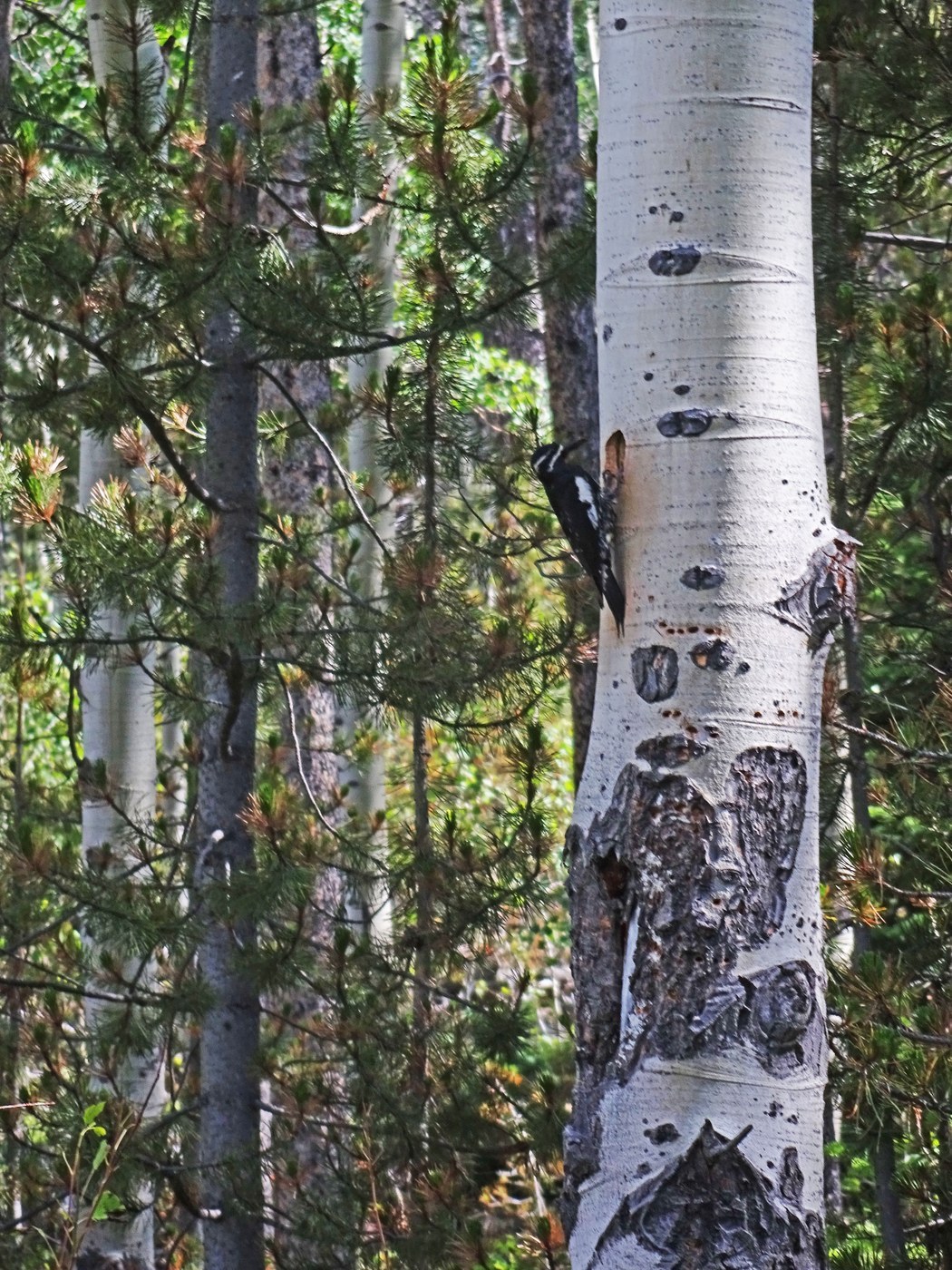
Williamson's Sapsucker
Strongly sexually dimorphic body feathers, glossy black or finely barred brown

Yellow-crowned Woodpecker
Contour and flight feathers

White Woodpecker
Mostly white body feathers with contrasting black wings and back

Red-throated Wryneck
Soft, cryptically mottled contour feathers

White-bellied Woodpecker
Large, glossy black contour and flight feathers

White-backed Woodpecker
Barred back feathers rather than a solid white patch
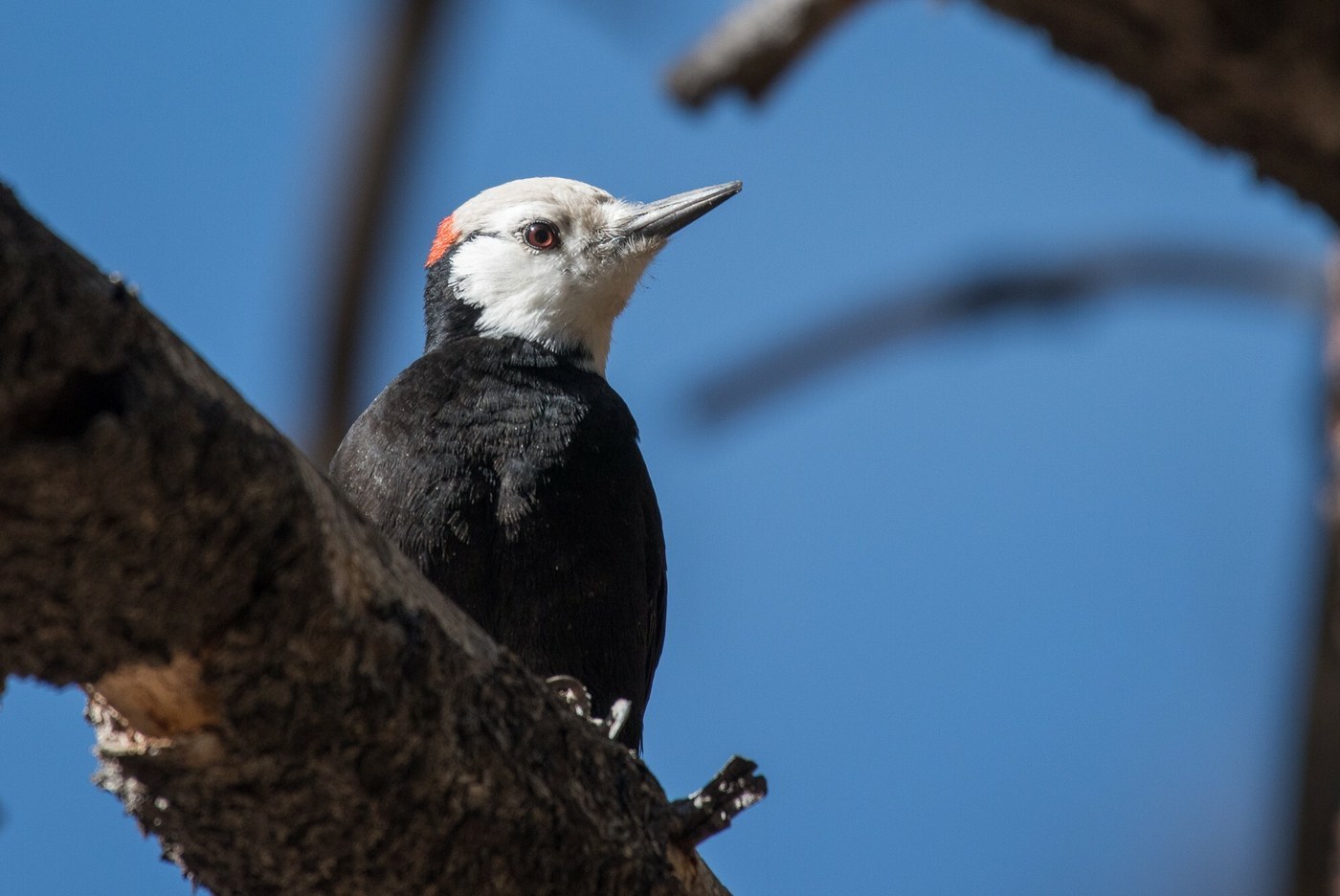
White-headed Woodpecker
Solid black body feathers with an entirely white head