

Great Slaty Woodpecker
Mulleripicus pulverulentus
The largest living woodpecker species, a huge slate-grey bird of South and Southeast Asian forests that typically travels in noisy family parties.
- Feather type
- Massive, uniformly colored contour feathers
- Colours
- Slaty grey overall with a pale cream throat
- Bird size
- Very large, ~48-58 cm (the world's largest living woodpecker)
Found a feather like this?
Identify any feather from a photo, free.
Overview
The Great Slaty Woodpecker is the largest living species of woodpecker in the world, found in lowland and foothill evergreen and semi-evergreen forest from India and Southeast Asia to parts of Indonesia and the Philippines fringe. Unlike most woodpeckers, it lacks bold black-white-red patterning, instead showing a fairly uniform slate-grey body relieved mainly by a pale throat and, in males, a small red cheek patch.
Its requirement for large tracts of mature forest makes it sensitive to deforestation.
Identifying the Feather
Key features:
- Body feathers are uniformly slaty grey, lacking the bold black-white-red contrast typical of most woodpeckers
- Throat and upper breast feathers are pale creamy-buff, contrasting with the grey body
- Males show a small pinkish-red patch on the lower cheek/malar area, absent in females
- Tail feathers are long with stiff, pointed tips typical of true woodpeckers
Compared to similar species: the very large size and overall uniform grey tone, rather than a bold patterned plumage, immediately separates this species' feathers from virtually any other sympatric woodpecker.
Plumage & Molt
Males show a small pinkish-red patch on the lower cheek, which females lack, otherwise showing identical plumage. Juveniles are duller and browner grey overall compared to adults. A complete molt occurs annually.
Habitat & Range
This species inhabits lowland and foothill evergreen and semi-evergreen forest from India and Southeast Asia through Indonesia and toward the Philippines fringe, requiring large tracts of mature forest. It is non-migratory.
Behavior & Field Notes
Great Slaty Woodpeckers typically forage in noisy family groups on large trunks and branches, feeding on ants and other wood-boring insects. Their calls are loud and carry over long distances through the forest canopy. They nest in cavities within large trees and are considered a strong indicator of intact lowland forest, becoming scarce or absent where extensive logging has occurred.
Frequently asked questions
How can I identify a Great Slaty Woodpecker feather?
A large, uniformly slaty grey feather, especially one of unusually large size compared to other woodpeckers, along with any pale creamy-buff throat feathers, points strongly to this species.
Why does this species lack the typical black-white-red woodpecker pattern?
It is simply a distinctive trait of this species and its genus; rather than bold contrasting patterns, it relies on a fairly uniform slate-grey body with a pale throat and, in males, a small red cheek patch.
Is this really the largest woodpecker in the world?
Yes, among currently confirmed living woodpecker species, the Great Slaty Woodpecker is considered the largest.
What habitat is this species associated with?
Large tracts of lowland and foothill evergreen or semi-evergreen forest across South and Southeast Asia, since it is sensitive to deforestation and forest fragmentation.
Great Slaty Woodpecker guides
In-depth guides for identifying and understanding Great Slaty Woodpecker.

Other feathers you may enjoy

Ivory-billed Woodpecker
Very large flight feathers with a solid white trailing patch

Yellow-tufted Woodpecker
Black body feathers with bright yellow forehead tufts

Magellanic Woodpecker
Very large, glossy contour feathers with a recurved crest

Yellow-bellied Sapsucker
Black-and-white patterned back and facial-stripe feathers
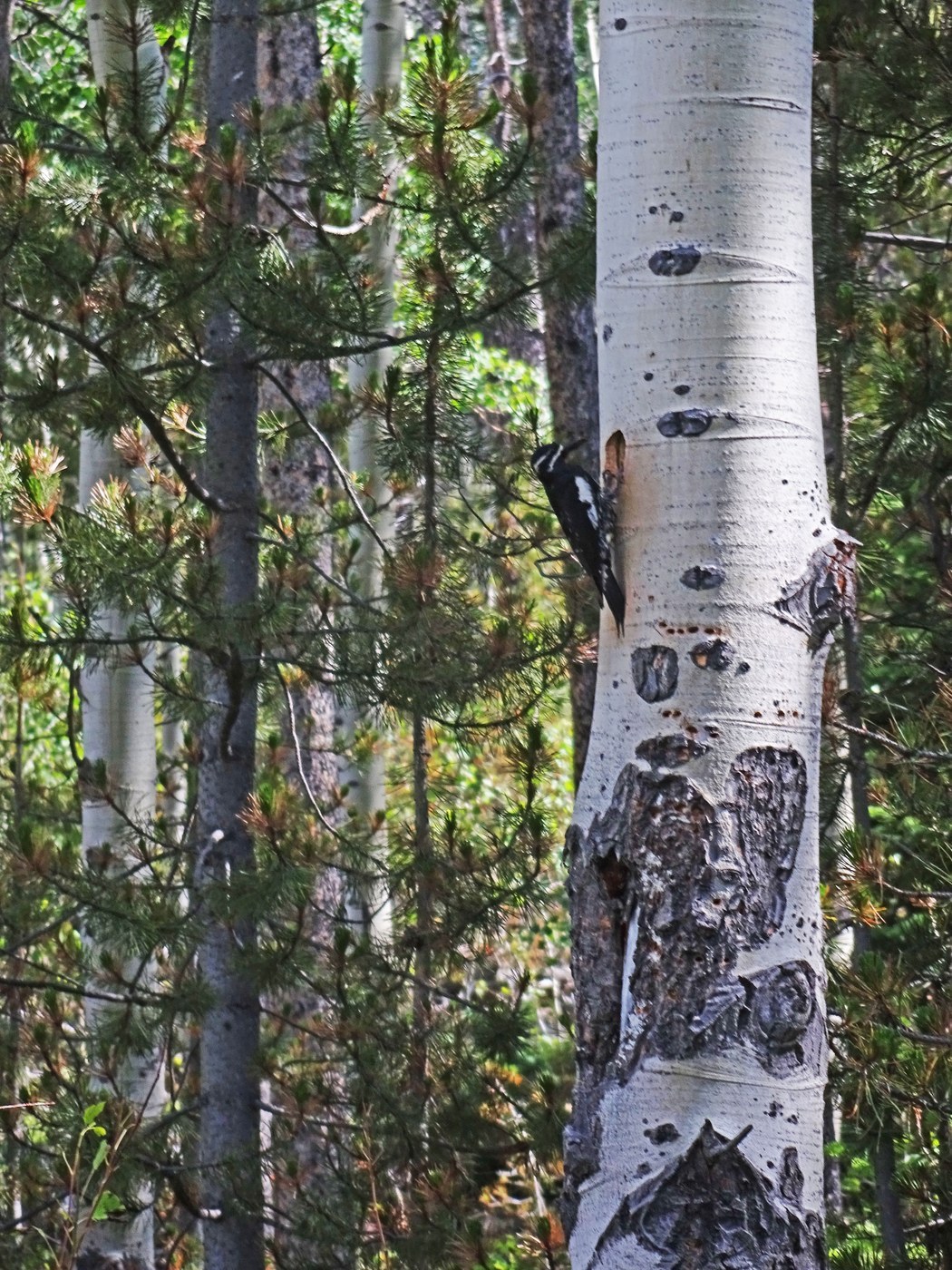
Williamson's Sapsucker
Strongly sexually dimorphic body feathers, glossy black or finely barred brown

Yellow-crowned Woodpecker
Contour and flight feathers

White Woodpecker
Mostly white body feathers with contrasting black wings and back

Red-throated Wryneck
Soft, cryptically mottled contour feathers

White-bellied Woodpecker
Large, glossy black contour and flight feathers

White-backed Woodpecker
Barred back feathers rather than a solid white patch
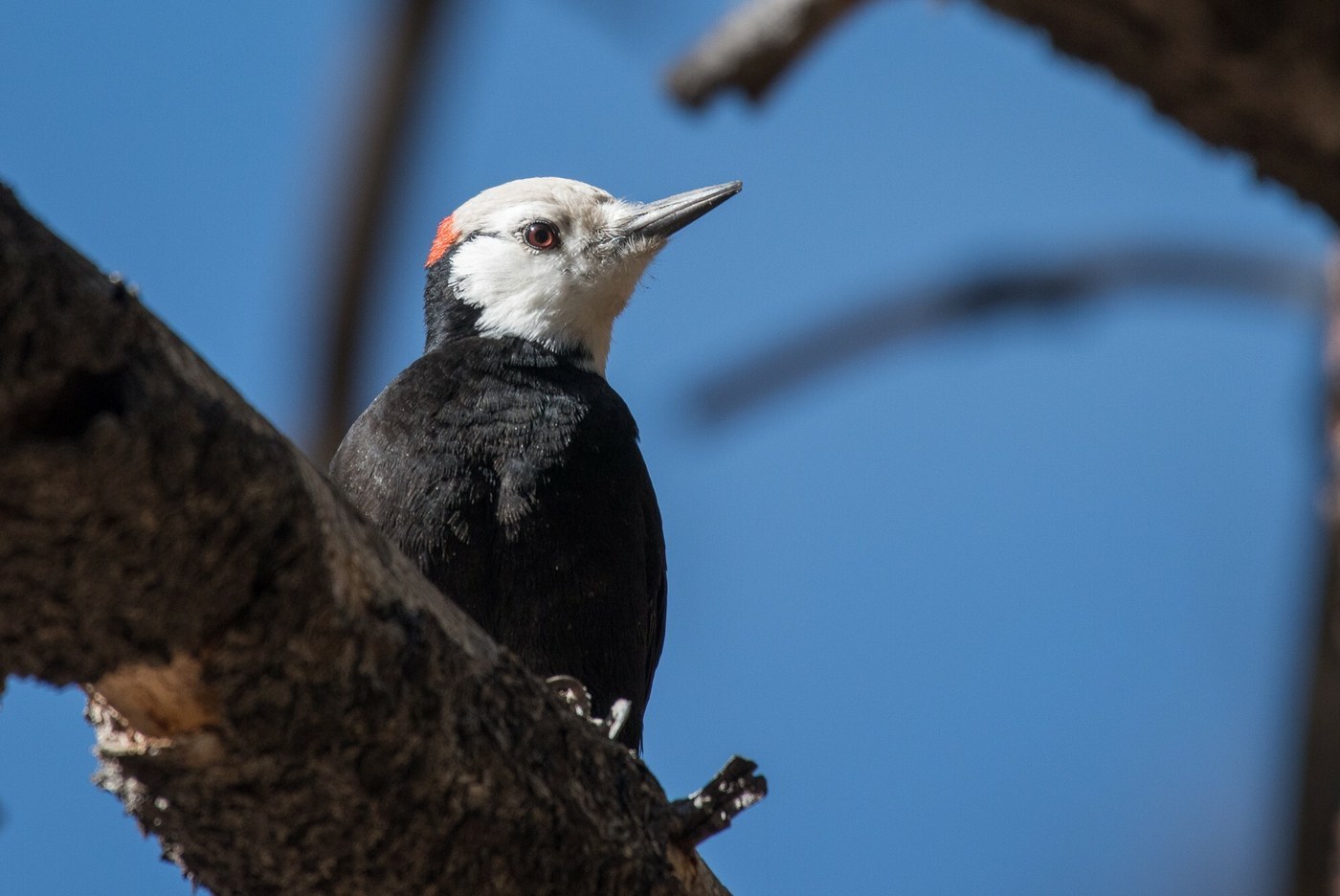
White-headed Woodpecker
Solid black body feathers with an entirely white head

Syrian Woodpecker
Great Spotted-type contour feathers with an incomplete neck bar