

Northern Royal Albatross
Diomedea sanfordi
One of the largest albatrosses, a mostly white southern seabird with a predominantly black upperwing edged in white, closely related to the Wandering Albatross group.
- Feather type
- Contour, flight (very long primaries), and tail feathers
- Colours
- White body, mostly black upperwing, white leading edge
- Bird size
- Very large, ~110-115 cm
Found a feather like this?
Identify any feather from a photo, free.
Overview
The Northern Royal Albatross is among the largest of the albatrosses, rivaling the Wandering Albatross in size, but distinguished by its consistently mostly white body from early adulthood rather than the long, gradual whitening process seen in that species. It breeds mainly on islands around New Zealand and ranges widely over the Southern Ocean.
Identifying the Feather
- Body feathers are white from a relatively early age, without the extended dark juvenile phase of the Wandering Albatross
- Upperwing feathers are mostly blackish, with a contrasting white leading edge and variable white mottling that increases somewhat with age
- Tail feathers are white, typically with a narrow dark tip
- Flight feathers are extremely long, narrow, and stiff, adapted for sustained dynamic soaring over the open ocean
- Underwing feathers are largely white with a narrow dark trailing edge and wingtip
Plumage & Molt
- Adults are predominantly white with a mostly black upperwing and a white leading edge to the wing
- Plumage changes with age are less dramatic than in the Wandering Albatross, with birds attaining a largely white body relatively early in life
- Older adults may show slightly more white mottling in the upperwing over time
- Sexes are similar in plumage
- Molt is slow and spread across the long intervals between the species' extended breeding cycle
Habitat & Range
Northern Royal Albatrosses breed on a small number of islands around New Zealand, including the Chatham Islands and a mainland colony at Taiaroa Head, nesting on open, exposed ground. Outside the breeding season they range widely over the Southern Ocean, circling the globe on prevailing winds and covering vast distances between foraging areas.
Behavior & Field Notes
This albatross forages by seizing squid, fish, and other prey from the ocean surface during long-distance flights that can cover thousands of kilometers between feeding areas. It breeds biennially in most cases, laying a single egg and raising the chick over an extended fledging period. Pairs engage in elaborate courtship displays involving synchronized calling, bill-clacking, and wing-spreading, with adults otherwise largely silent at sea.
Frequently asked questions
How can I tell a Northern Royal Albatross feather from a Wandering Albatross feather?
Northern Royal Albatross adults typically show a mostly white body relatively early in life alongside a consistently dark, mostly black upperwing, whereas Wandering Albatross plumage passes through a long, gradual whitening process from a mostly brown juvenile stage, so overall pattern and known age matter more than any single feather.
Why is the upperwing mostly black in this species?
Unlike the palest adult Wandering Albatrosses, Northern Royal Albatross retains a mostly dark upperwing throughout adulthood, with only the leading edge and some mottling turning white.
Where does the Northern Royal Albatross breed?
It breeds on a small number of islands around New Zealand, including the Chatham Islands and a well-known mainland colony at Taiaroa Head on the South Island.
Northern Royal Albatross guides
In-depth guides for identifying and understanding Northern Royal Albatross.

Other feathers you may enjoy

Western Gull
Body, flight, and tail feathers
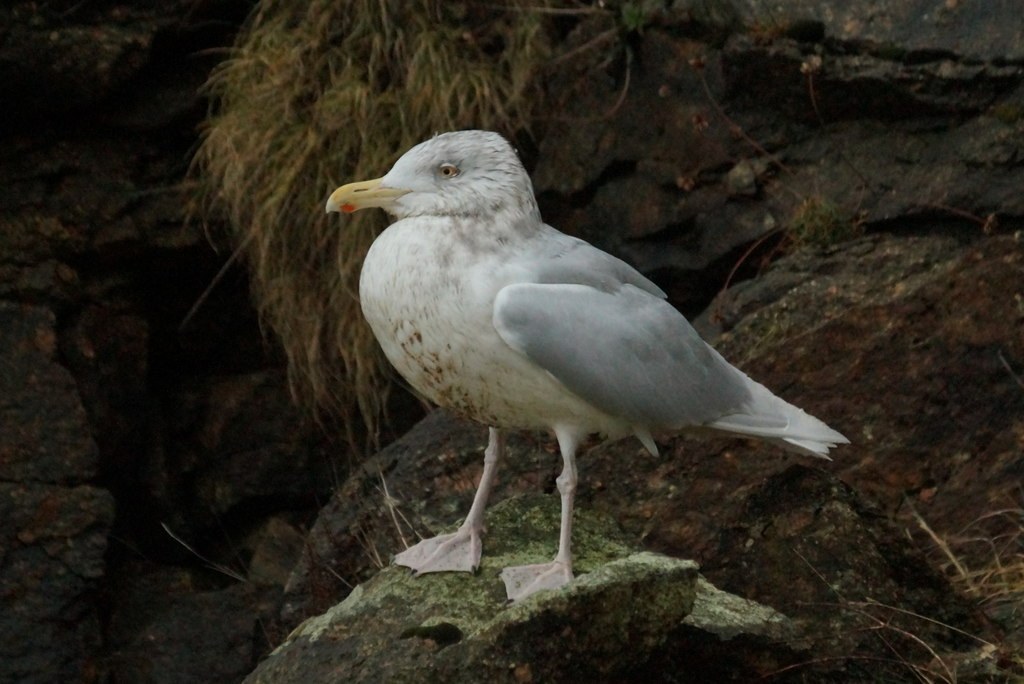
Glaucous Gull
Body, flight, and tail feathers

American Herring Gull
Body, flight, and tail feathers

Great Black-backed Gull
Body, flight, and tail feathers

Common Gull
Body, flight, and tail feathers
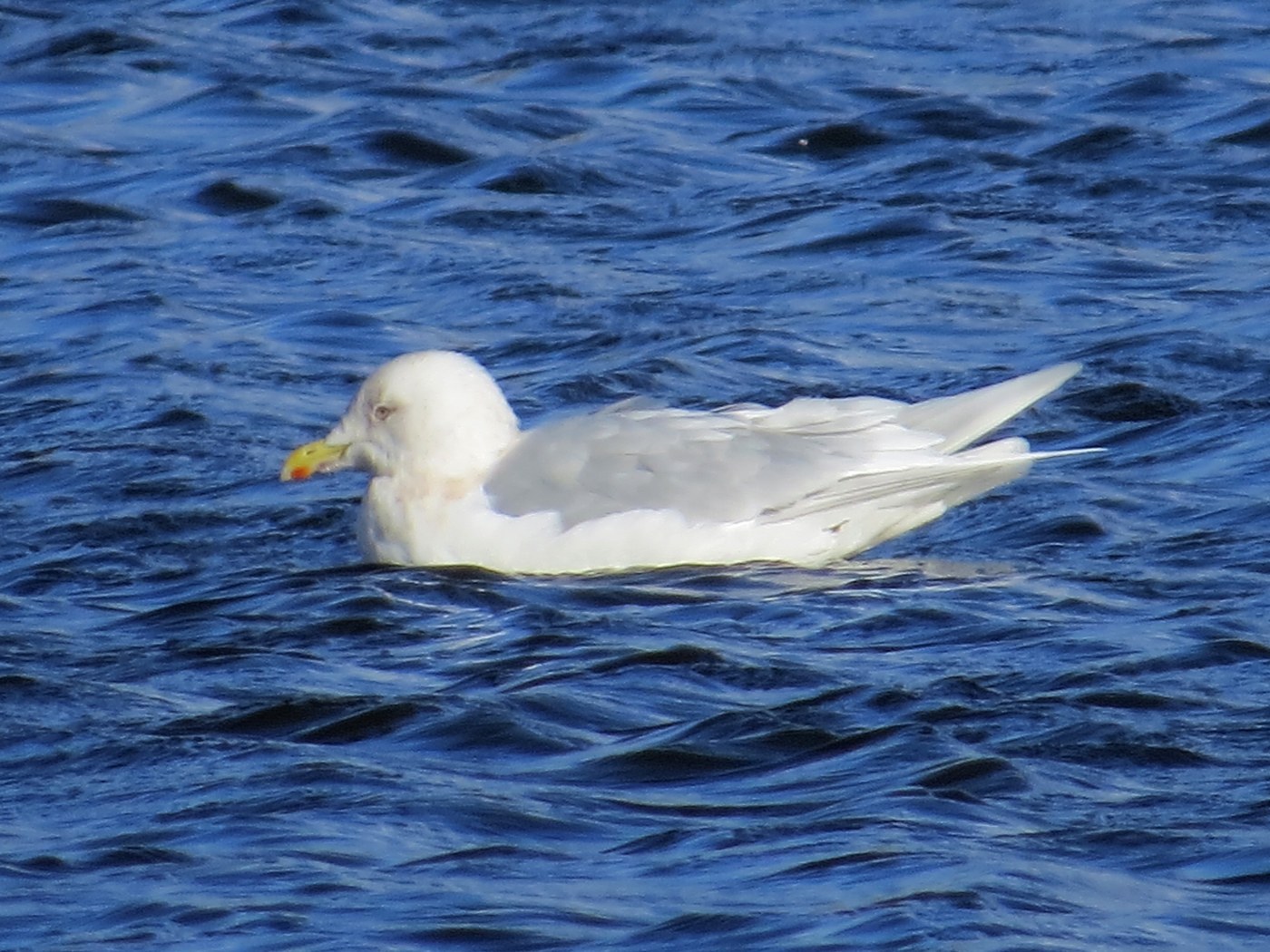
Iceland Gull
Body, flight, and tail feathers

Ring-billed Gull
Body, flight, and tail feathers

Glaucous-winged Gull
Body, flight, and tail feathers

Herring Gull
Body, flight, and tail feathers

Lesser Black-backed Gull
Body, flight, and tail feathers

California Gull
Body, flight, and tail feathers
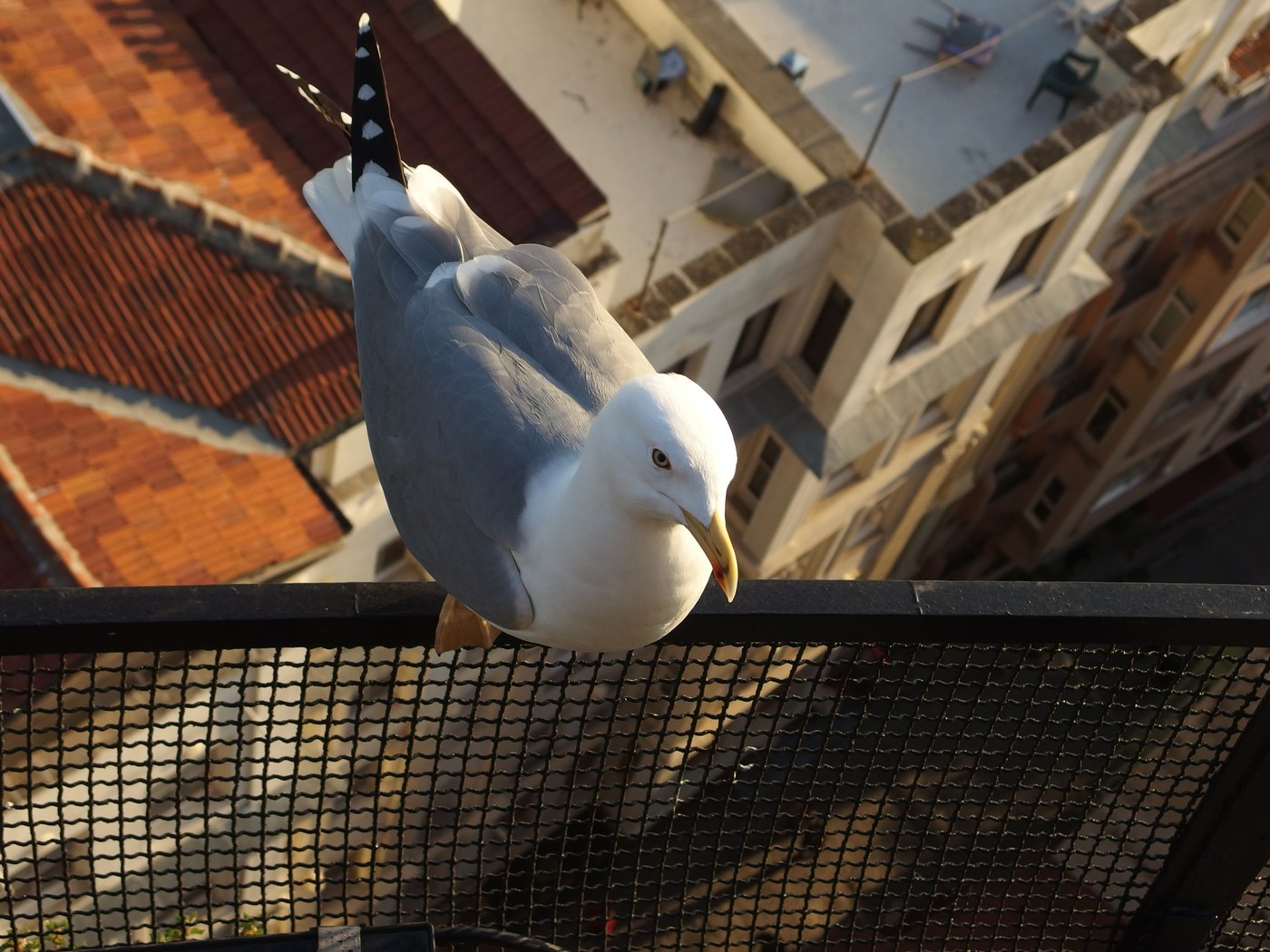
Yellow-legged Gull
Body, wing covert, and flight feathers