

Nicobar Pigeon
Caloenas nicobarica
The Nicobar Pigeon is a striking island pigeon with long, shimmering hackle-like neck feathers in shifting metallic greens and coppers, set off by a pure white tail.
- Feather type
- Long, hackle-like elongated neck feathers with iridescent sheen
- Colours
- Metallic green, copper, and bronze neck plumes with a white tail
- Bird size
- Large pigeon, ~40 cm
Found a feather like this?
Identify any feather from a photo, free.
Overview
The Nicobar Pigeon is one of the most visually distinctive pigeons in the world, sporting elongated, pointed neck feathers that resemble a mane and shimmer with iridescent color as it moves. It is closely tied to small offshore islands, where it roosts and breeds in large numbers, flying daily to nearby larger islands to feed.
Identifying the Feather
The neck and upper mantle feathers are greatly elongated, narrow, and pointed, forming a distinctive hackle that ripples with metallic green, copper, and bronze iridescence depending on the angle of light. The body plumage is otherwise dark slate-grey with a coppery sheen. The short, square tail is pure white, contrasting sharply with the dark body and unique among pigeons of similar size. No other pigeon combines elongated iridescent neck hackles with an all-white tail.
Plumage & Molt
Sexes are similar, though males typically show slightly longer and more developed neck hackles and richer iridescence than females. Juveniles lack the elongated neck feathers, appearing shorter-necked and duller with a dark tail that whitens with maturity. Adults undergo a gradual molt of the hackle feathers, which regrow to their full length between breeding cycles.
Habitat & Range
Restricted to small, often uninhabited islands and coastal forest fringes from the Nicobar Islands and surrounding archipelagos east through Southeast Asia to the Solomon Islands and Palau. Birds commute daily between breeding islets and larger foraging islands, and populations are largely sedentary within their island range.
Behavior & Field Notes
Nicobar Pigeons feed on fallen seeds, fruit, and other forest floor items, foraging in small to large flocks on the ground. They nest colonially, building stick platform nests in low trees on predator-free islets. Their voice includes a deep, resonant guttural call. Their strong dependence on small islands makes them vulnerable to habitat disturbance.
Frequently asked questions
What is unique about Nicobar Pigeon feathers?
Its elongated, pointed neck feathers form iridescent green-and-copper hackles unlike any other pigeon.
Why is the tail white?
The short white tail contrasts sharply with the dark, iridescent body and is a key field mark.
Where does the Nicobar Pigeon live?
On small islands and coastal forest from the Nicobar Islands through Southeast Asia to the western Pacific.
Do juveniles look like adults?
No, young birds lack the long neck hackles and have duller, shorter feathering until they mature.
Nicobar Pigeon guides
In-depth guides for identifying and understanding Nicobar Pigeon.

Other feathers you may enjoy

Victoria Crowned Pigeon
Large lace-like fan crest plumes over dense body contour feathers

Plain Pigeon
Contour feathers, plain and uniformly toned, with a white wing patch

Zenaida Dove
Contour and flight feathers, faint iridescent sheen on neck

Pink Pigeon
Soft contour feathers with graduated tail
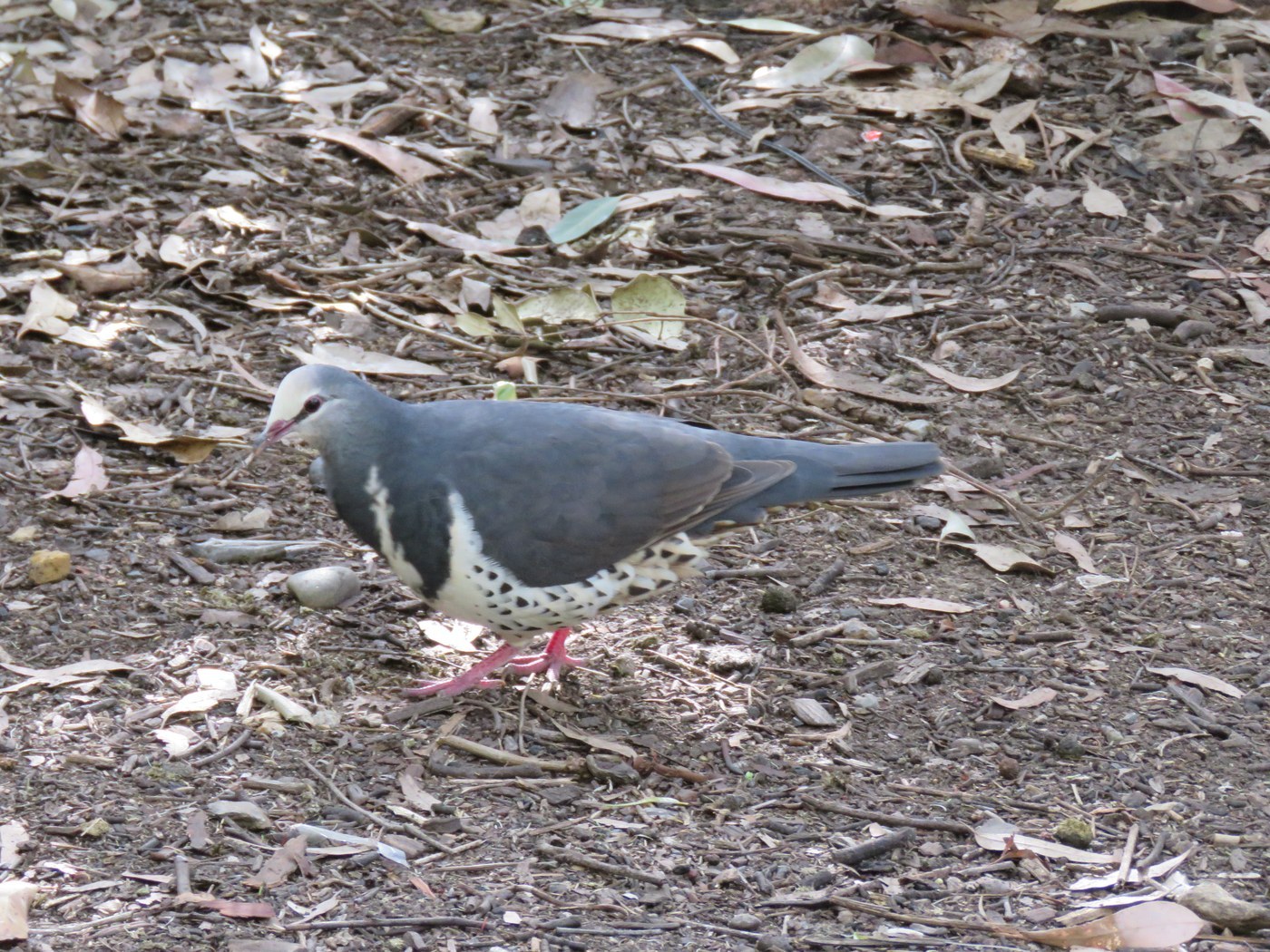
Wonga Pigeon
Dense, soft body contour feathers over a stocky frame

Squatter Pigeon
Dense, cryptic body contour feathers with a bold facial pattern

White-winged Dove
Broad, sturdy flight feathers with a bold white wing stripe

Western Crowned Pigeon
Rounded fan crest plumes over dense soft body feathers

Snow Pigeon
Dense insulating body contour feathers with a bold white rump and belly patch

Zebra Dove
Contour feathers with bold, extensive black-and-white barring

Scaly-naped Pigeon
Contour feathers with iridescent scaled nape pattern
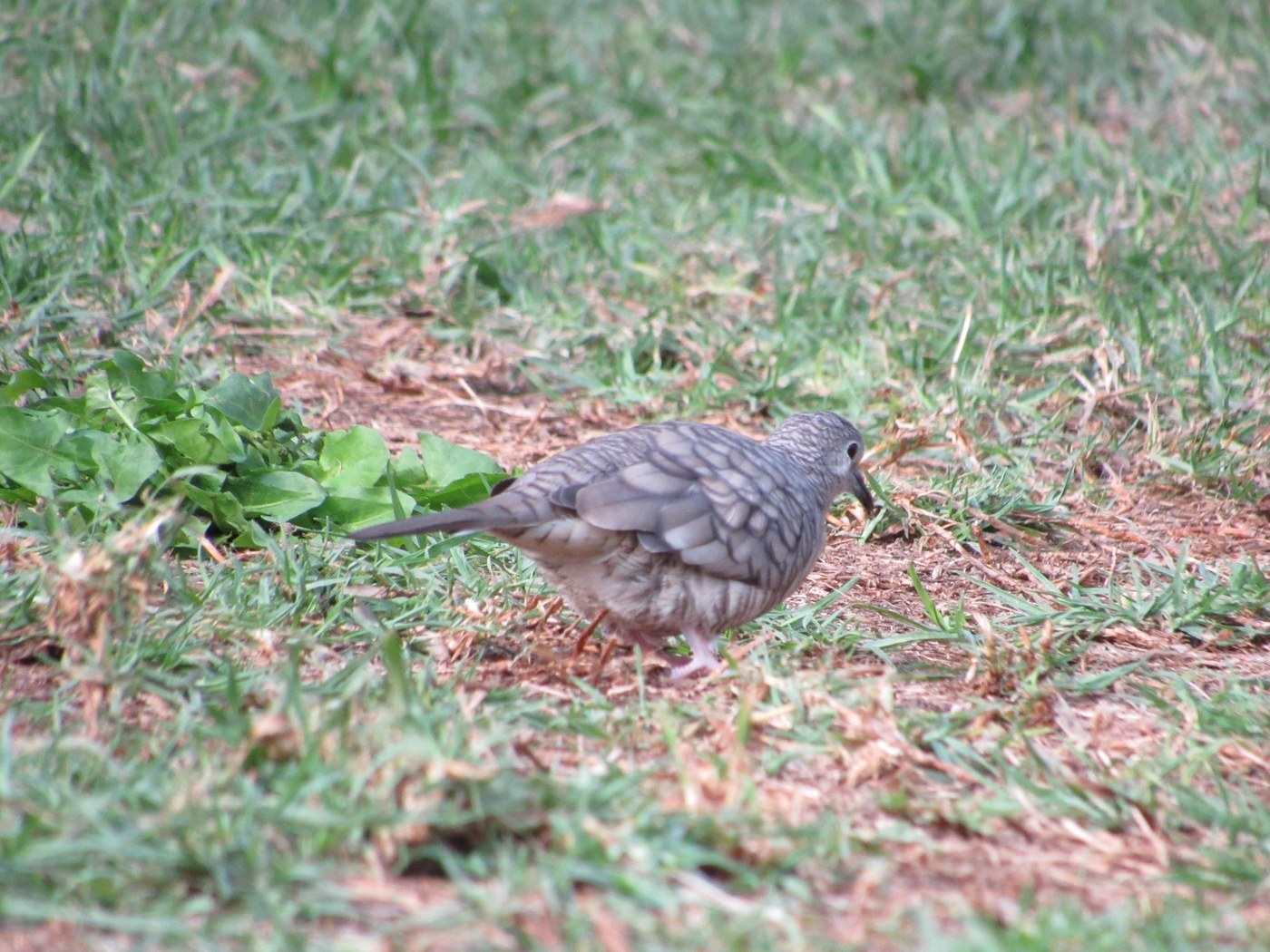
Scaled Dove
Contour feathers with dark scalloped edging