

Mountain Caracara
Phalcoboenus megalopterus
A bold, high-altitude Andean raptor with black upperparts and breast set against a clean white belly and rump, often seen scavenging near mountain settlements and livestock.
- Feather type
- Broad rounded flight feathers; dark tail with a pale base; black and white body feathers
- Colours
- Black upperparts and breast; white belly, rump, and wing patches
- Bird size
- Large raptor, ~52-56 cm
Found a feather like this?
Identify any feather from a photo, free.
Overview
The Mountain Caracara is a striking raptor of the high Andes, found from Peru and Bolivia south through Chile and Argentina at elevations often above 3,000 meters. It is a bold, inquisitive bird frequently seen around mountain towns, campsites, and livestock areas.
Its feathers show a sharp contrast between black upperparts and breast and a clean white belly, rump, and wing patch, a pattern well suited to the rocky, open terrain it inhabits.
Because it is comfortable around human activity at altitude, feathers are often found near mountain settlements, refuse areas, and grazing land as much as in remote high-Andean grassland.
Identifying the Feather
Shape and size
- Flight feathers are broad and rounded, with a white patch near the base of the primaries visible in flight; primaries can reach 30-34 cm.
- Tail feathers are dark with a white base, giving a two-toned appearance.
Color and pattern
- Head, upper back, and breast feathers are solid black.
- Belly, rump, and lower back feathers are clean white.
- Wing feathers show a white patch at the base of the primaries.
- Shafts are pale on white feathers, dark on black feathers.
Similar species
- Distinguished from the White-throated Caracara by its solid black breast (rather than a white throat with black chest band) and from the Carunculated Caracara by lacking obvious yellow-orange facial caruncles reflected in overall coloring.
Plumage & Molt
Adults show a black head, back, and breast, with a white belly, rump, and wing patch, sexes similar. Juveniles are browner overall with less crisp black-and-white contrast, sharpening with age over a year or more.
Habitat & Range
Found in high-altitude Andean grassland, rocky slopes, and puna habitat from Peru and Bolivia south through Chile and Argentina, generally above 3,000 meters. It is largely resident, with some local altitudinal movement.
Behavior & Field Notes
An opportunistic forager that scavenges carrion, raids nests, and takes small animals, often around human settlements and livestock at altitude. Builds a stick nest on cliff ledges or rocky outcrops. Calls are harsh and raucous.
Field note: a black feather with a clean white base or belly-region feather found at high elevation in the Andes is a good match for this species, especially near mountain towns or grazing areas.
Frequently asked questions
What is the key difference from the White-throated Caracara?
This species has a solid black breast, while the White-throated Caracara shows a white throat separated from the belly by a black chest band.
At what elevation is this species typically found?
Often above 3,000 meters in high-Andean grassland and rocky slopes.
Is it shy around people?
No, it is notably bold and often seen around mountain towns, campsites, and livestock areas.
What color is visible on the wings in flight?
A white patch near the base of the primaries, visible as the bird flies overhead.
Mountain Caracara guides
In-depth guides for identifying and understanding Mountain Caracara.

Other feathers you may enjoy

Australian Hobby
Long, narrow pointed flight feathers; slender tail feathers

California Condor
Massive flight feathers; long broad primaries; large tail feathers

Brown Falcon
Broad, rounded flight feathers; variable-toned contour feathers
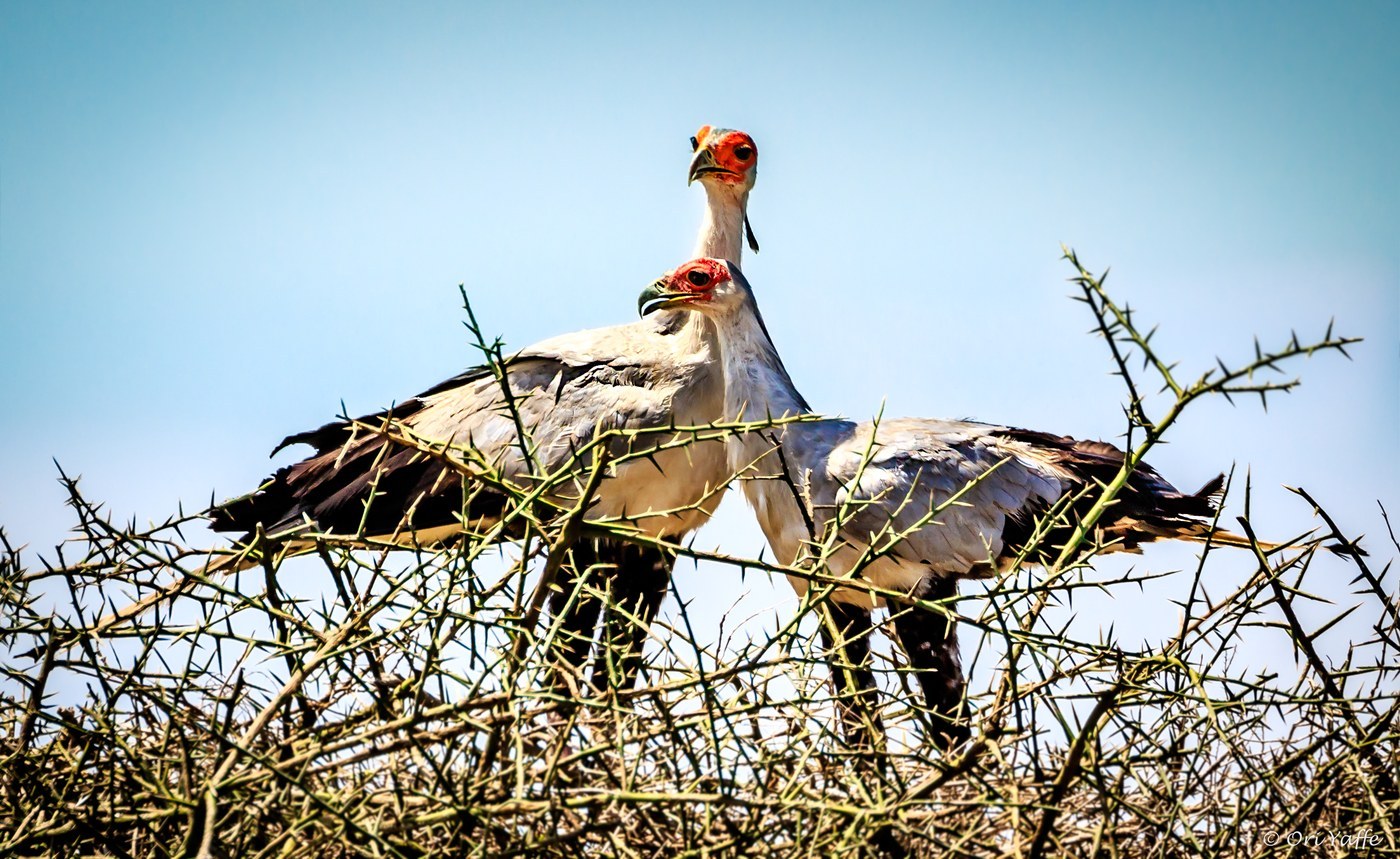
Secretarybird
Long crest feathers; broad flight feathers; elongated central tail feathers

Orange-breasted Falcon
Broad-based pointed flight feathers; bold breast and belly feathers
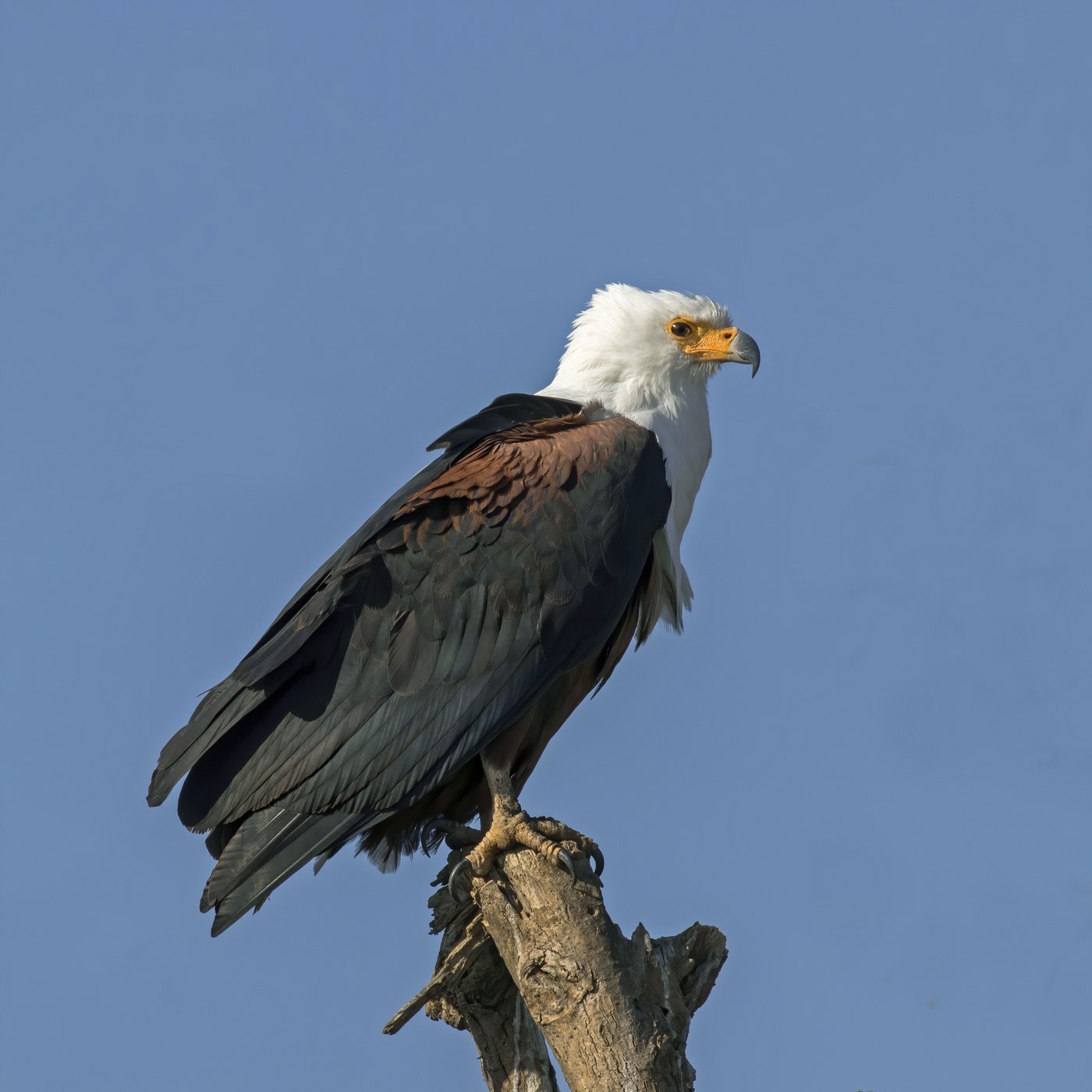
African Fish Eagle
Flight, tail, and body feathers

Amur Falcon
Slender pointed flight feathers; soft slate or orange-buff contour feathers
Red Kite
Flight (wing) and tail feathers
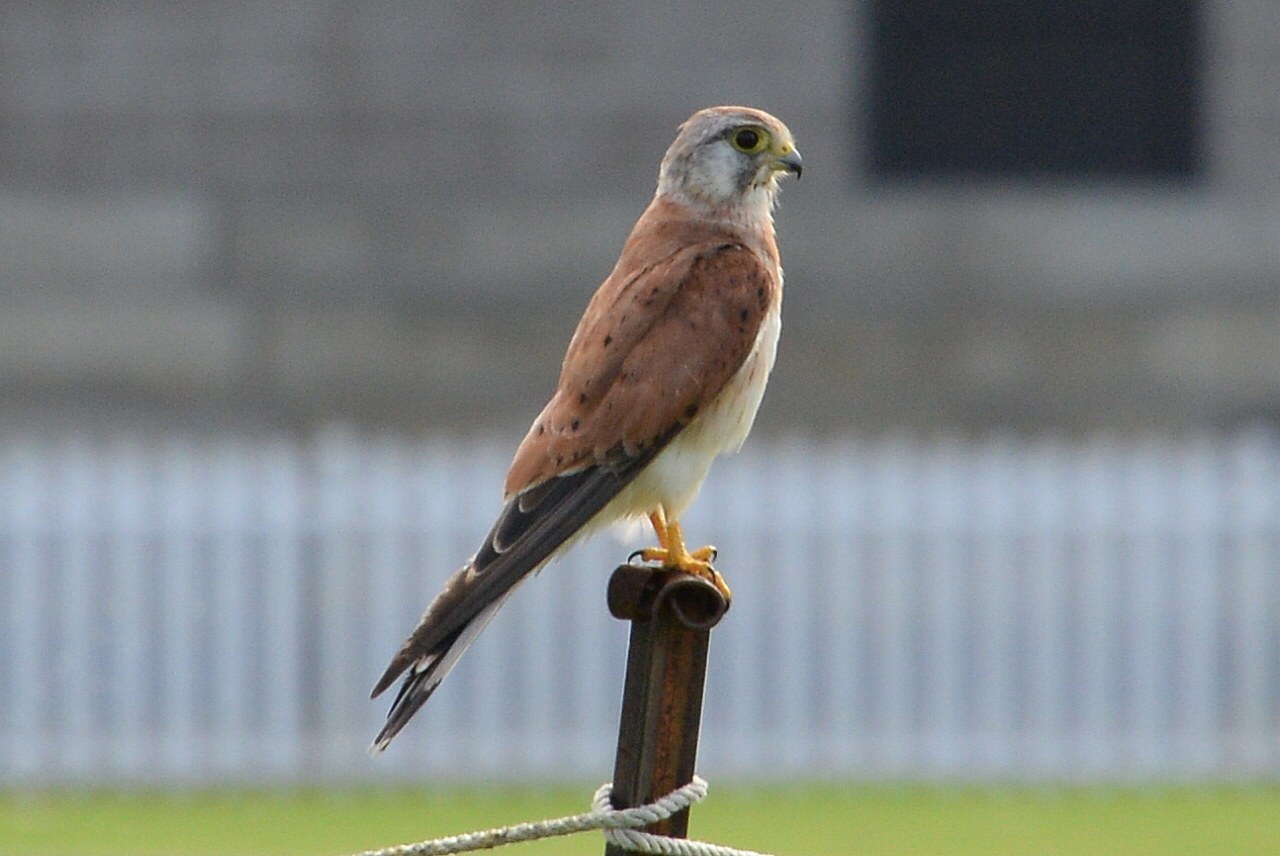
Nankeen Kestrel
Slim pointed flight feathers; lightly marked contour feathers

Andean Condor
Massive flight feathers; broad primaries and secondaries; sturdy tail feathers

Plumbeous Forest Falcon
Short rounded flight feathers; finely barred tail feathers

Sooty Falcon
Long pointed flight feathers; slim tail feathers