

Merlin
Falco columbarius
A small, fast, direct-flying falcon of open northern landscapes, males showing slate-blue upperparts while females and juveniles are brown, both with heavily streaked underparts and no bold facial moustache.
- Feather type
- Compact pointed wings, medium banded tail
- Colours
- Male blue-gray above; female and juvenile brown, both heavily streaked below
- Bird size
- Small compact falcon, ~24-30 cm
Found a feather like this?
Identify any feather from a photo, free.
Overview
The Merlin is a compact, powerfully built falcon breeding across boreal forest edge, moorland, and tundra of the Northern Hemisphere, wintering in more temperate open country, coastlines, and marshes. It is known for direct, fast flapping flight low over the ground while pursuing small birds, rather than the soaring habits of larger raptors.
Identifying the Feather
Male back and crown feathers are slate-blue gray with dark tail bands, while female and juvenile feathers are dark brown above, both showing buffy underparts heavily marked with dark streaking rather than barring. The facial pattern is subtle, lacking the bold malar stripe of Peregrine Falcon, giving a plainer-faced appearance. Tail feathers show several narrow bands, and the compact, evenly proportioned wings reflect this falcon's low, fast pursuit flight style rather than soaring.
Plumage & Molt
Adult males are blue-gray above with black tail bands and underparts variably washed rufous depending on subspecies, while females and juveniles are brown above and heavily streaked below. The facial pattern is comparatively plain compared to other falcons, without a bold, contrasting moustache stripe. Subspecies across the wide range show some variation in overall tone, from pale tundra populations to darker coastal ones.
Habitat & Range
Merlins breed in open moorland, boreal forest edge, and tundra across northern North America and Eurasia, wintering in open country, coastal areas, and marshes across temperate latitudes. Northern-breeding populations are long-distance migrants, while some southern and coastal populations show more limited seasonal movement.
Behavior & Field Notes
It hunts small birds using fast, low-level pursuit flight with direct, powerful wingbeats rather than soaring. Nests are often old crow or other raptor nests reused in low trees, or on the ground in open tundra habitat, and the species gives sharp, chattering calls, especially near the nest.
Frequently asked questions
How does Merlin's face differ from Peregrine Falcon's?
Merlin has a much plainer facial pattern lacking the bold black malar stripe that Peregrine shows prominently.
How do male and female Merlins differ?
Males are blue-gray above with black tail bands, while females and juveniles are brown above, both heavily streaked below.
What is Merlin's typical hunting flight style?
Fast, direct, low-level pursuit flight with powerful wingbeats, rather than soaring.
Where does Merlin nest?
Often in old crow or raptor nests in low trees, or directly on the ground in open tundra habitat.
Merlin guides
In-depth guides for identifying and understanding Merlin.

Other feathers you may enjoy

Australian Hobby
Long, narrow pointed flight feathers; slender tail feathers

California Condor
Massive flight feathers; long broad primaries; large tail feathers

Brown Falcon
Broad, rounded flight feathers; variable-toned contour feathers
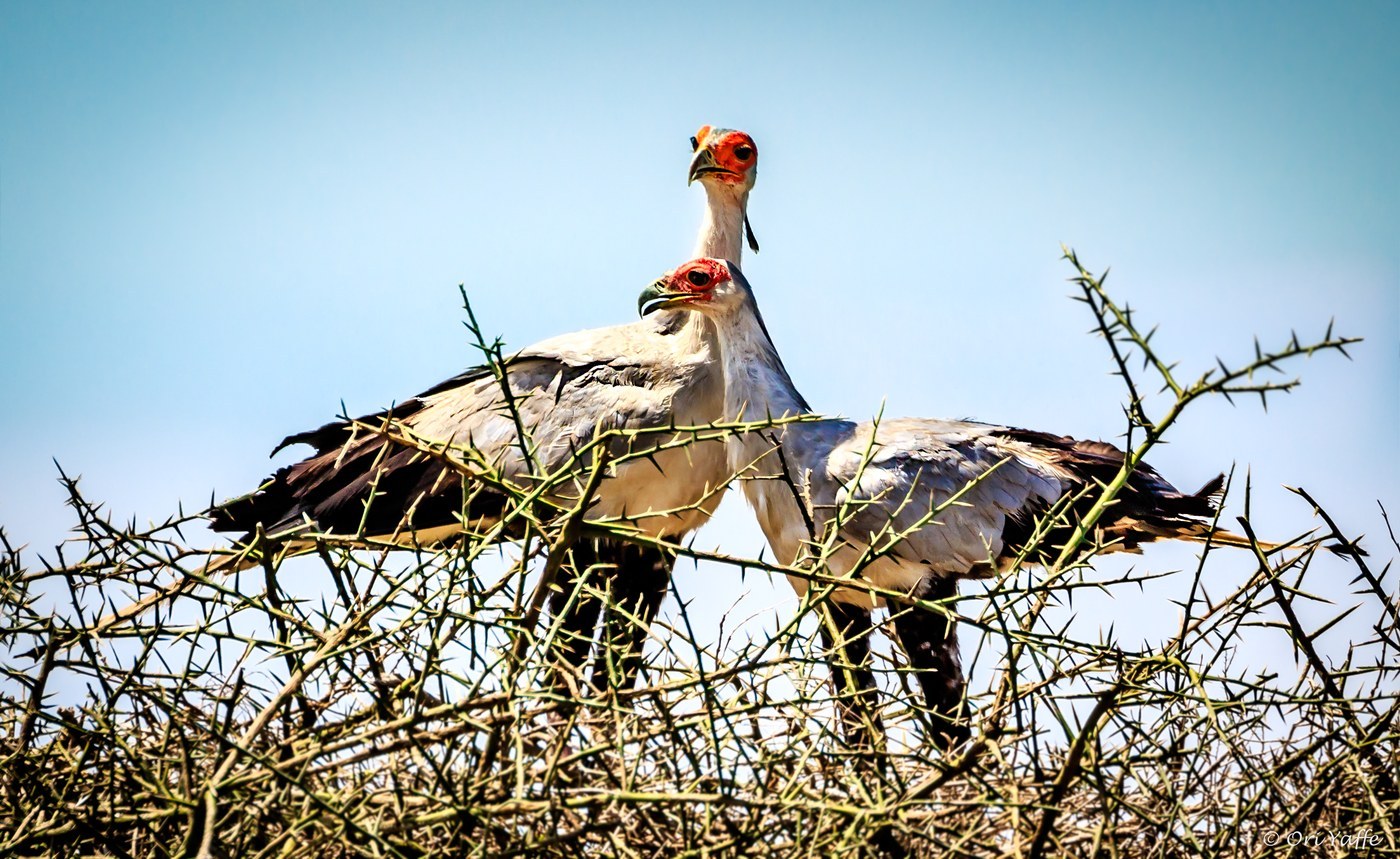
Secretarybird
Long crest feathers; broad flight feathers; elongated central tail feathers

Orange-breasted Falcon
Broad-based pointed flight feathers; bold breast and belly feathers
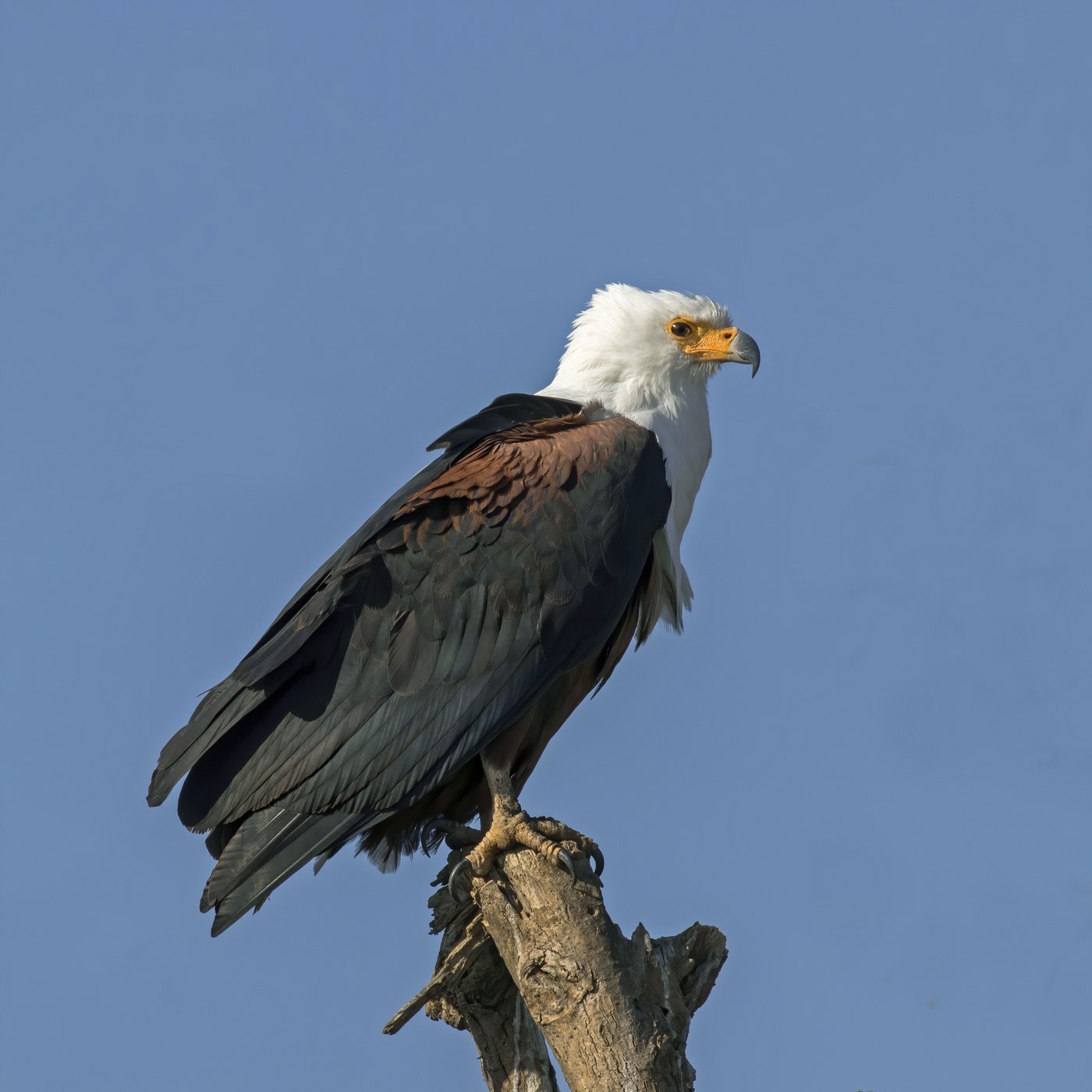
African Fish Eagle
Flight, tail, and body feathers

Amur Falcon
Slender pointed flight feathers; soft slate or orange-buff contour feathers
Red Kite
Flight (wing) and tail feathers
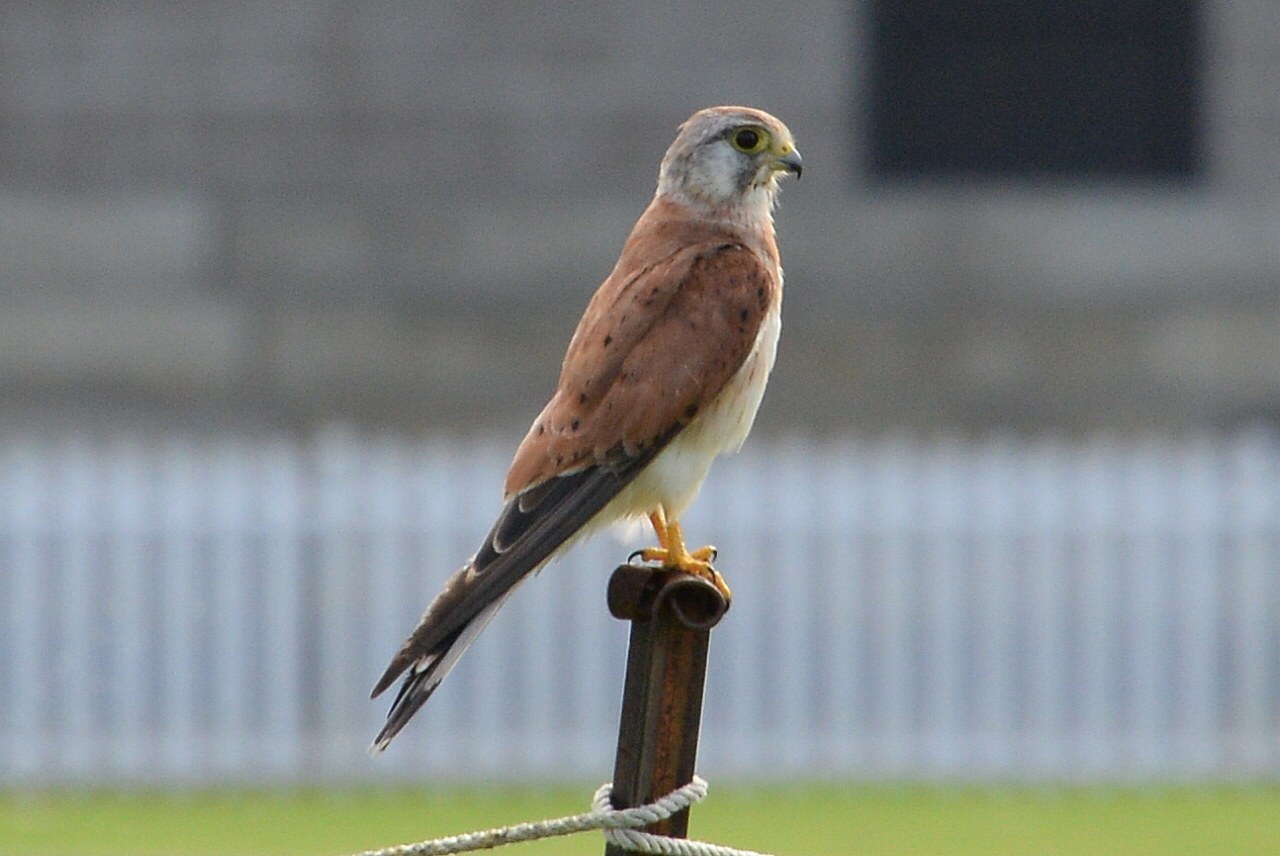
Nankeen Kestrel
Slim pointed flight feathers; lightly marked contour feathers

Andean Condor
Massive flight feathers; broad primaries and secondaries; sturdy tail feathers

Plumbeous Forest Falcon
Short rounded flight feathers; finely barred tail feathers

Sooty Falcon
Long pointed flight feathers; slim tail feathers