

Masked Booby
Sula dactylatra
The largest booby species, with a clean white body set off by black flight feathers, a black tail, and a dark facial mask around the bill.
- Feather type
- Large, sturdy flight feathers, mostly white body plumage
- Colours
- White body with black flight feathers and tail, dark facial mask
- Bird size
- Large, ~74-85 cm
Found a feather like this?
Identify any feather from a photo, free.
Overview
Overview
The Masked Booby is the largest member of the booby family, sharing a general white-body, black-flight-feather pattern reminiscent of gannets, but distinguished by its black tail and dark facial mask surrounding the base of the bill.
It breeds on remote tropical islands worldwide and is a powerful plunge-diver, often foraging farther offshore than some of its smaller relatives.
Identifying the Feather
Masked Booby feathers show a clean white-and-black pattern typical of the larger booby species.
- Body feathers: White overall, including the head, neck, back, and underparts.
- Flight feathers: Primaries and secondaries are black, contrasting sharply with the white body.
- Tail feathers: Black, distinguishing Masked Booby from the mostly white-tailed pattern of some Red-footed Booby morphs.
- Compared to Red-footed Booby (white morph): Masked Booby is notably larger overall and consistently shows a black tail, whereas the white-morph Red-footed Booby is smaller-bodied with the tail color sometimes appearing dark as well, making overall size the more reliable clue.
- Compared to Northern Gannet: Masked Booby shows a black tail, unlike the all-white tail of the Northern Gannet.
Plumage & Molt
Adults are white overall with black primaries, secondaries, and tail feathers, along with a dark facial mask of bare skin around the base of the bill. Sexes look similar. Juveniles are mostly brown with a paler collar and belly, gradually molting into the crisp white adult pattern over a couple of years.
Habitat & Range
Masked Boobies breed on remote tropical and subtropical islands across the Atlantic, Pacific, and Indian Oceans, nesting on open ground often near cliff edges or exposed terrain. They forage over open ocean, sometimes ranging farther from the colony than smaller booby species, and are highly pelagic outside the breeding season.
Behavior & Field Notes
This booby feeds by powerful plunge-diving from considerable heights, targeting schooling fish and squid, often foraging alone or in small, loose groups rather than large flocks. Nesting occurs on bare ground, typically with two eggs laid though usually only one chick survives due to sibling competition. Calls include harsh honking or trumpeting notes given at breeding colonies, with some difference in pitch between the sexes.
Frequently asked questions
What is the clearest identification feature of a Masked Booby feather?
A black tail feather combined with white body feathers and black flight feathers, distinguishing it from gannets with white tails and from most Red-footed Booby morphs.
How big is a Masked Booby compared to other boobies?
It is the largest booby species, which is reflected in correspondingly larger flight feathers than smaller relatives like Blue-footed or Red-footed Booby.
Are juvenile Masked Booby feathers different from adults?
Yes, juveniles are mostly brown with a paler collar and belly, gradually acquiring the crisp white adult pattern over about two years.
Where would a Masked Booby feather likely be found?
Near remote tropical island breeding colonies across the Atlantic, Pacific, and Indian Oceans, often on exposed or cliff-edge nesting terrain.
Masked Booby guides
In-depth guides for identifying and understanding Masked Booby.

Other feathers you may enjoy

Western Gull
Body, flight, and tail feathers
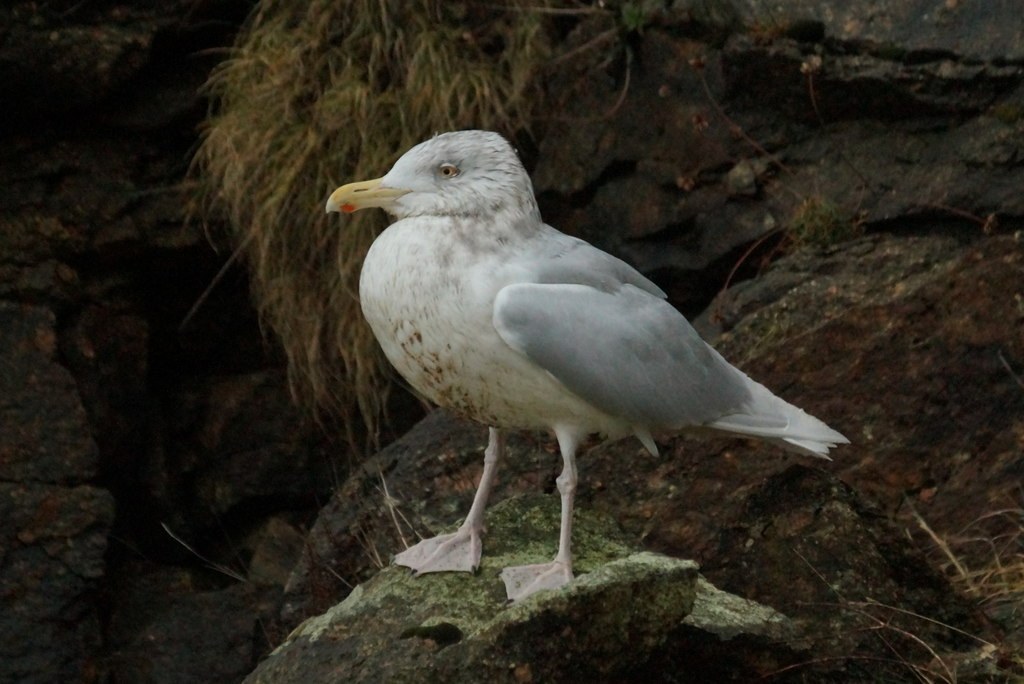
Glaucous Gull
Body, flight, and tail feathers

American Herring Gull
Body, flight, and tail feathers

Great Black-backed Gull
Body, flight, and tail feathers

Common Gull
Body, flight, and tail feathers
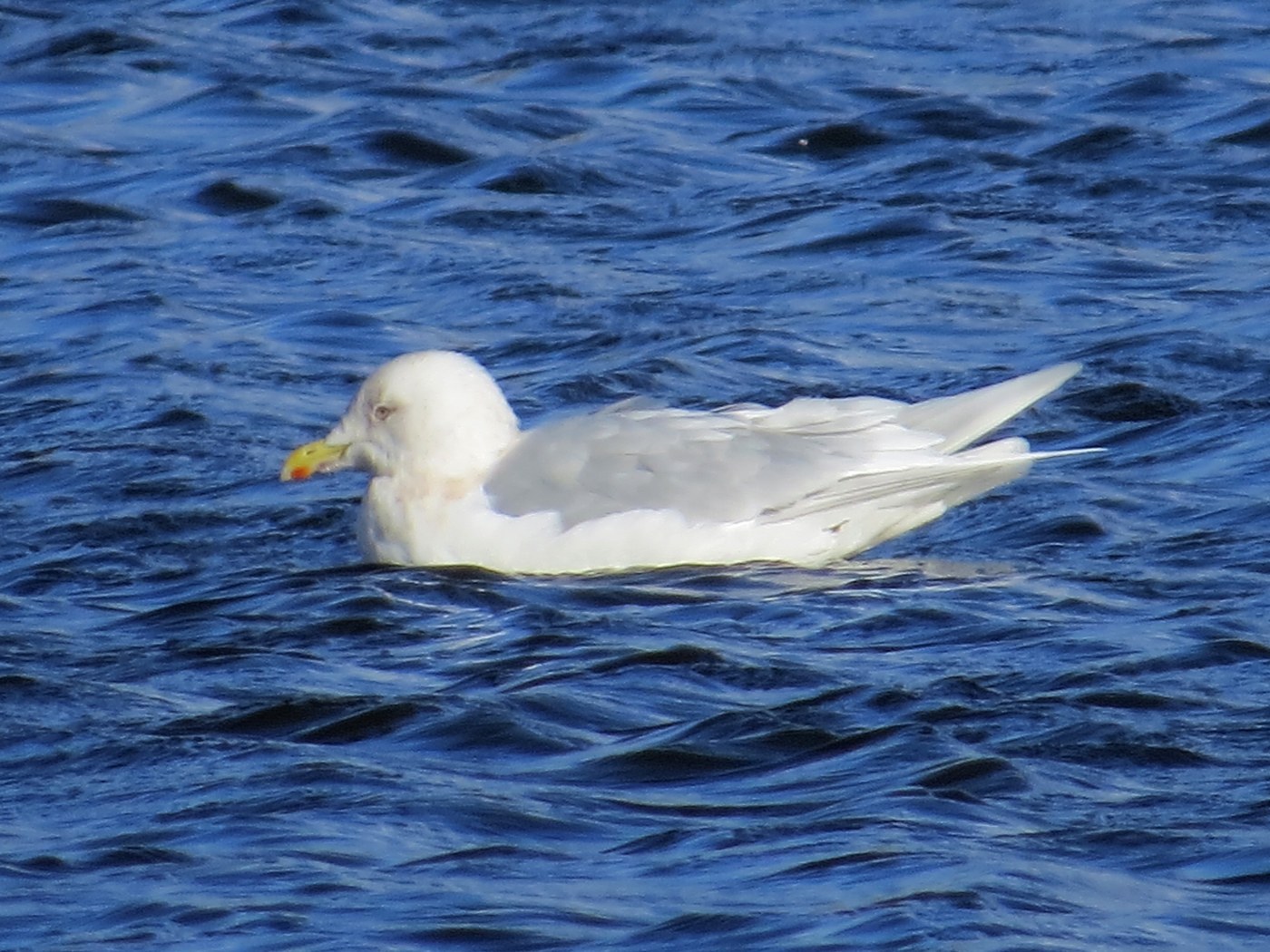
Iceland Gull
Body, flight, and tail feathers

Ring-billed Gull
Body, flight, and tail feathers

Glaucous-winged Gull
Body, flight, and tail feathers

Herring Gull
Body, flight, and tail feathers

Lesser Black-backed Gull
Body, flight, and tail feathers

California Gull
Body, flight, and tail feathers
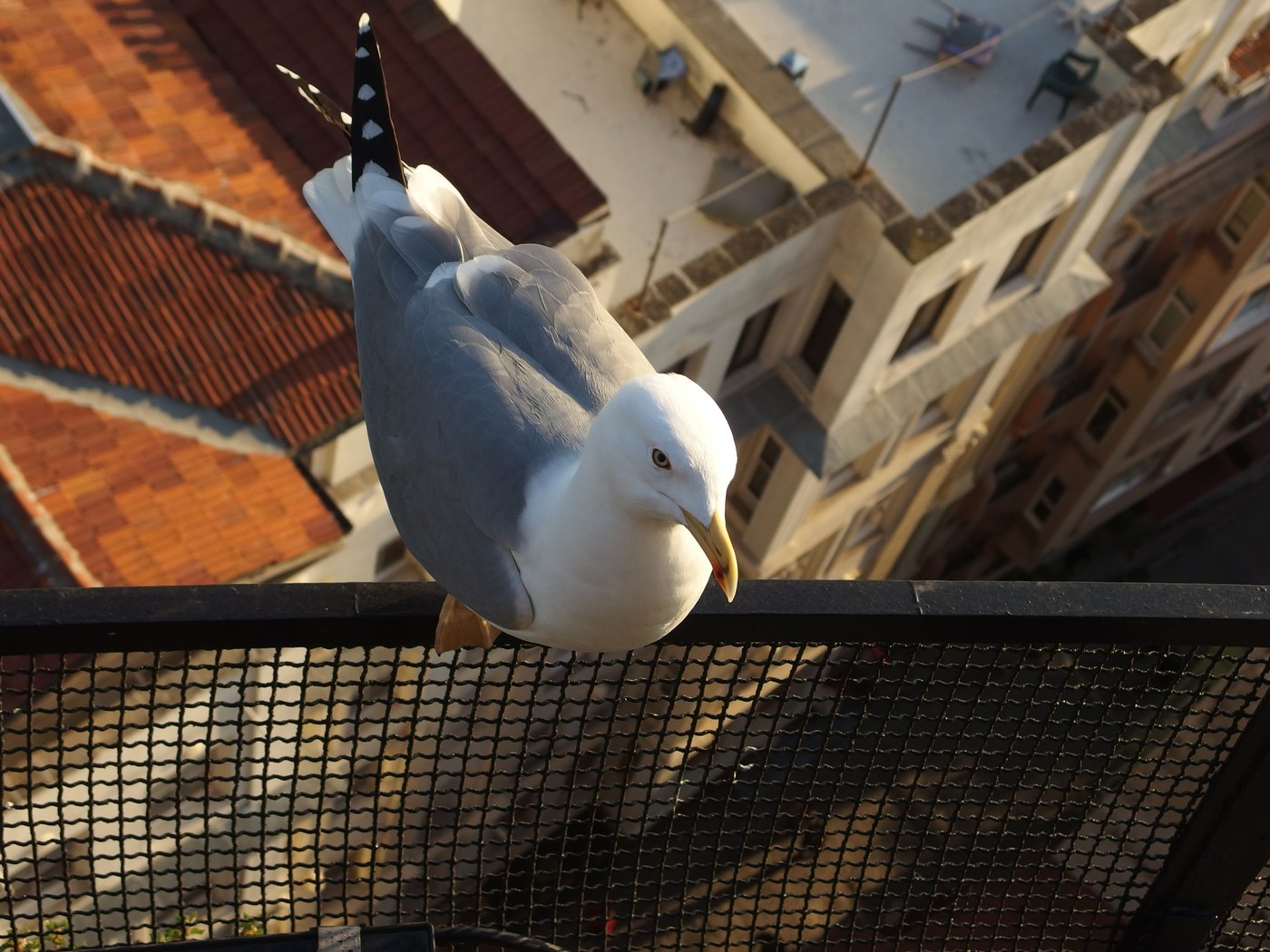
Yellow-legged Gull
Body, wing covert, and flight feathers