
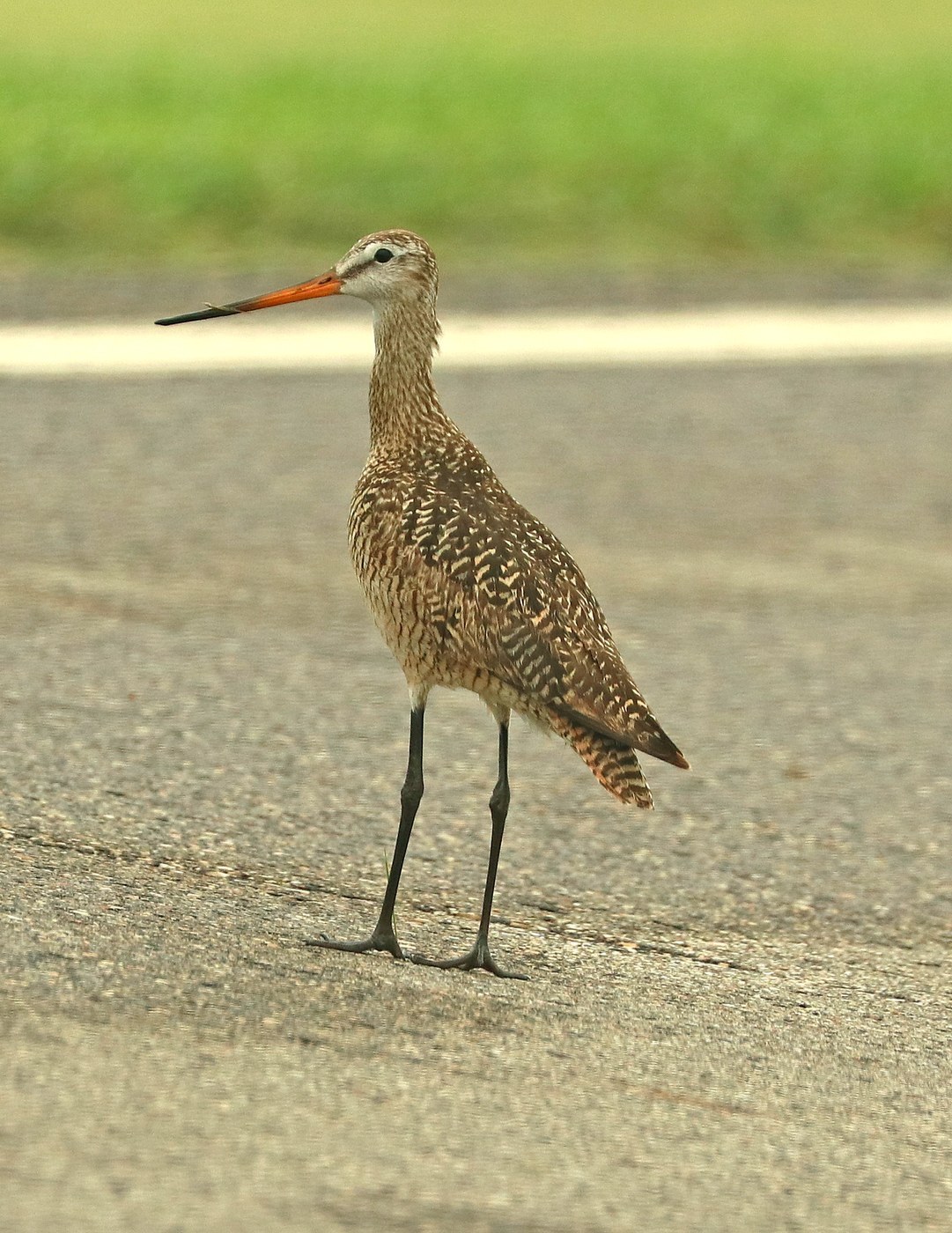
Marbled Godwit
Limosa fedoa
The largest North American godwit, with an overall warm cinnamon-buff plumage finely barred with dark markings and a long, slightly upturned bicolored bill.
- Feather type
- Large wader contour and flight feathers
- Colours
- Warm cinnamon-buff overall with fine dark barring; cinnamon underwings
- Bird size
- Large, ~42-48 cm
Found a feather like this?
Identify any feather from a photo, free.
Overview
Overview
The Marbled Godwit is a large, long-billed shorebird that breeds primarily on northern prairie grasslands of the north-central United States and Canada, an unusual habitat for a large wader, and migrates to winter on coastal mudflats and estuaries across the Americas. Its warm, cinnamon-toned plumage sets it apart from the grayer or more contrastingly patterned godwits.
Feathers are found both on prairie grassland breeding areas and, more commonly, on coastal mudflats and beaches during migration and winter.
Identifying the Feather
Feather Identification
- Overall tone: warm cinnamon-buff overall, finely barred and mottled with dark brown, giving a marbled appearance that gives the species its name.
- Underwing feathers: bright cinnamon underwing coverts, conspicuous in flight and a useful clue on shed wing feathers.
- Size: notably large, among the biggest feathers likely to be found among regularly occurring shorebirds in its range.
- Nonbreeding versus breeding: breeding adults show slightly more barring on the underparts; nonbreeding birds are somewhat plainer but retain the overall warm cinnamon tone year-round, unlike the more dramatic seasonal shift seen in some godwits.
- Versus other godwits: the warm, uniformly cinnamon-buff tone with fine barring throughout distinguishes Marbled Godwit from the more strongly patterned or grayer plumages of Hudsonian, Black-tailed, or Bar-tailed Godwits.
Plumage & Molt
Plumage Notes
Breeding adults show cinnamon-buff upperparts and underparts with fine dark barring throughout, particularly on the flanks and underparts; sexes look similar, with females averaging slightly larger and longer-billed. Nonbreeding adults are only subtly duller, retaining much of the warm cinnamon tone rather than transforming to gray as seen in some related godwits.
Juveniles resemble adults but show slightly less barring and a cleaner buff wash on the underparts. Molt into nonbreeding plumage is relatively gradual and less dramatic than in species like Hudsonian Godwit.
Habitat & Range
Habitat & Range
Marbled Godwits breed primarily on native prairie grasslands of the northern Great Plains in the United States and adjacent Canada, with additional isolated breeding populations near Hudson Bay and in Alaska. They migrate to winter on coastal mudflats, estuaries, and beaches along both coasts of the United States, Mexico, and Central America.
Behavior & Field Notes
Behavior & Field Notes
Marbled Godwits forage by probing deeply into mud or soil with their long, slightly upturned bill, taking invertebrates from both prairie wetlands and coastal mudflats depending on the season. On breeding grounds they nest directly on open grassland rather than near water, an unusual choice among large shorebirds.
Nests are shallow scrapes in short grass. The flight call is a loud, ringing "god-WIT" or "radica" note, from which the group's common name may derive. Feathers can be found both on prairie breeding grounds in summer and coastal wintering and migration sites the rest of the year.
Frequently asked questions
What gives Marbled Godwit feathers their name?
A warm cinnamon-buff overall tone finely barred and mottled with dark brown, creating a marbled appearance.
What color are the underwing feathers?
Bright cinnamon, conspicuous in flight and a helpful clue on shed wing feathers.
Where does this species breed?
Primarily on native prairie grasslands of the northern Great Plains, an unusual habitat for a large shorebird.
How can I tell Marbled Godwit from other godwits?
Its uniformly warm cinnamon-buff tone with fine barring throughout distinguishes it from the grayer or more contrastingly patterned plumages of Hudsonian, Black-tailed, or Bar-tailed Godwits.
Does plumage change dramatically between seasons?
No, the shift from breeding to nonbreeding plumage is relatively subtle compared to some related godwit species.
Marbled Godwit guides
In-depth guides for identifying and understanding Marbled Godwit.
Other feathers you may enjoy
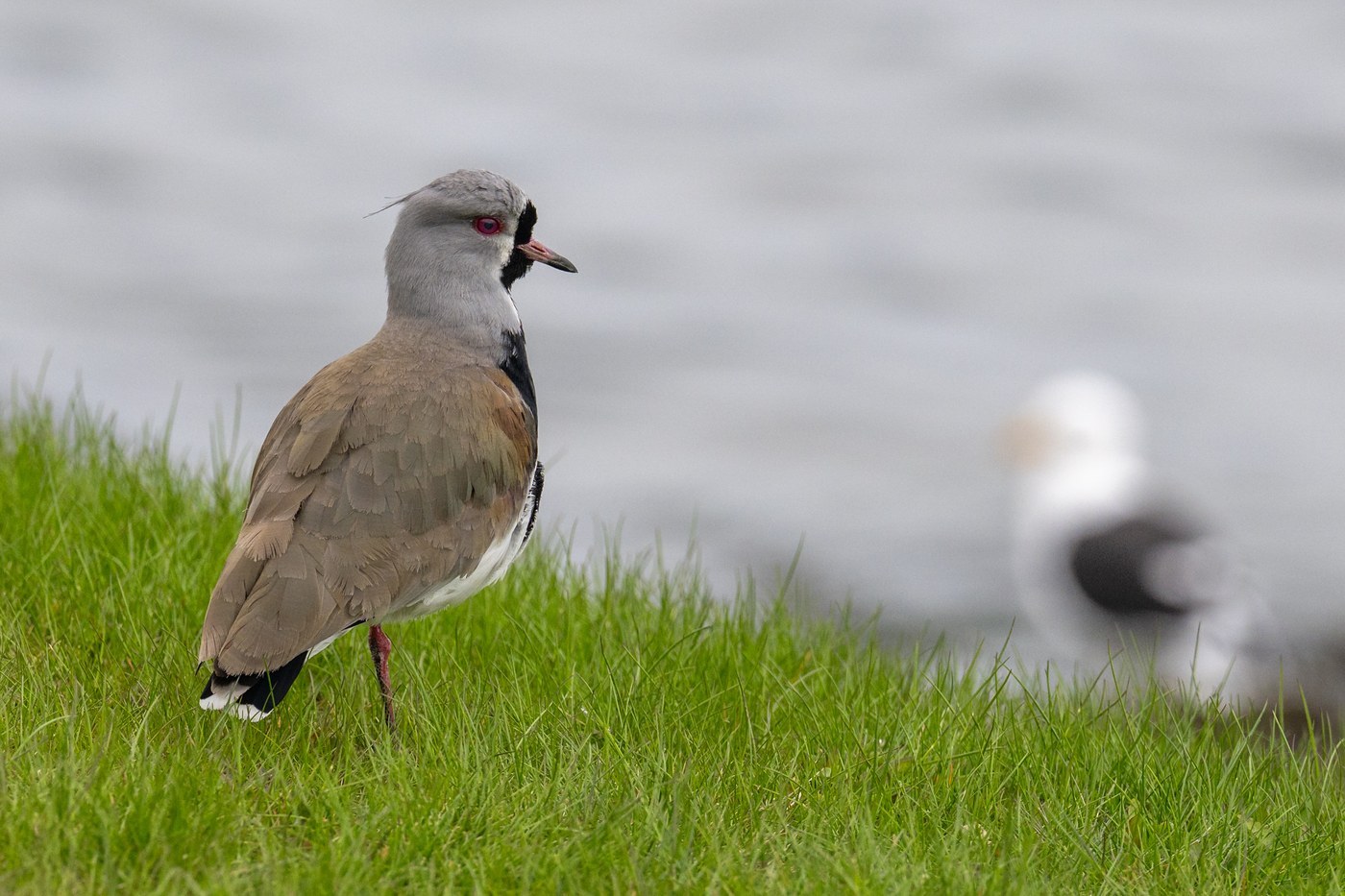
Southern Lapwing
Body, flight, and tail feathers

Jack Snipe
Body and flight feathers

Far Eastern Curlew
Body, flight, and tail feathers

Terek Sandpiper
Body and flight feathers

Wilson's Phalarope
Body and flight feathers
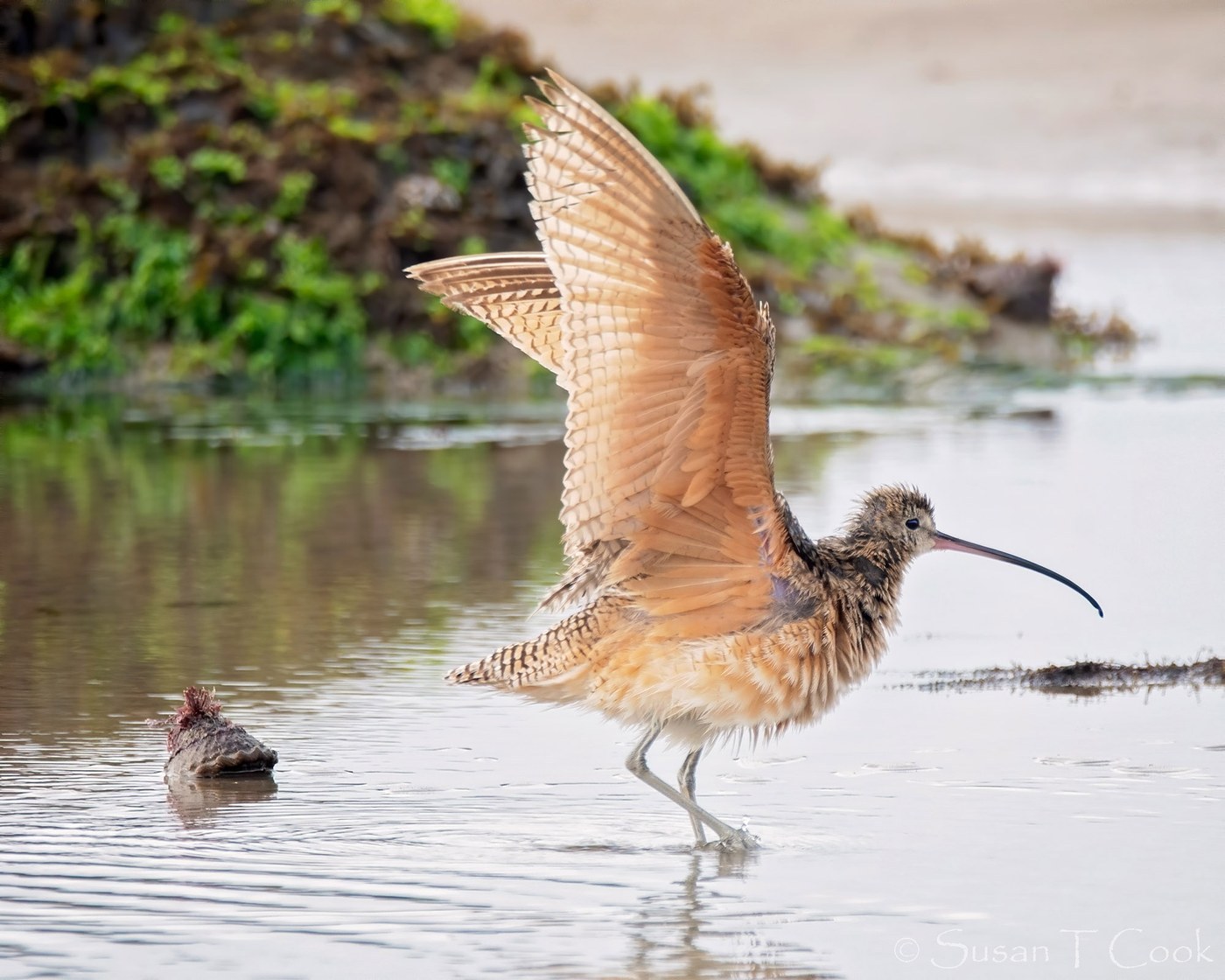
Long-billed Curlew
Body, flight, and tail feathers

Upland Sandpiper
Body, flight, and tail feathers

Red Phalarope
Body and flight feathers

Eurasian Dotterel
Body feathers
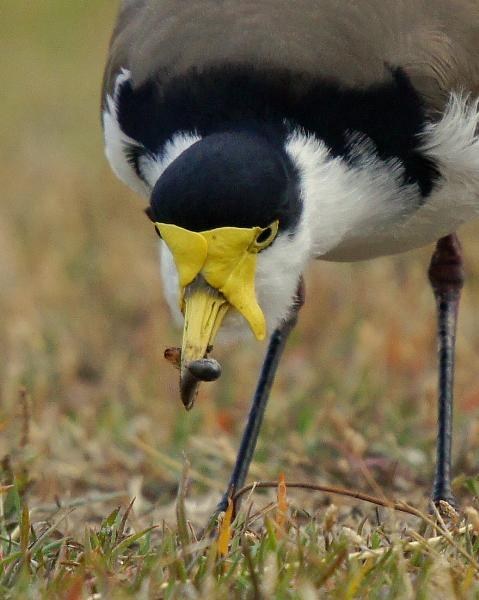
Masked Lapwing
Body, flight, and tail feathers
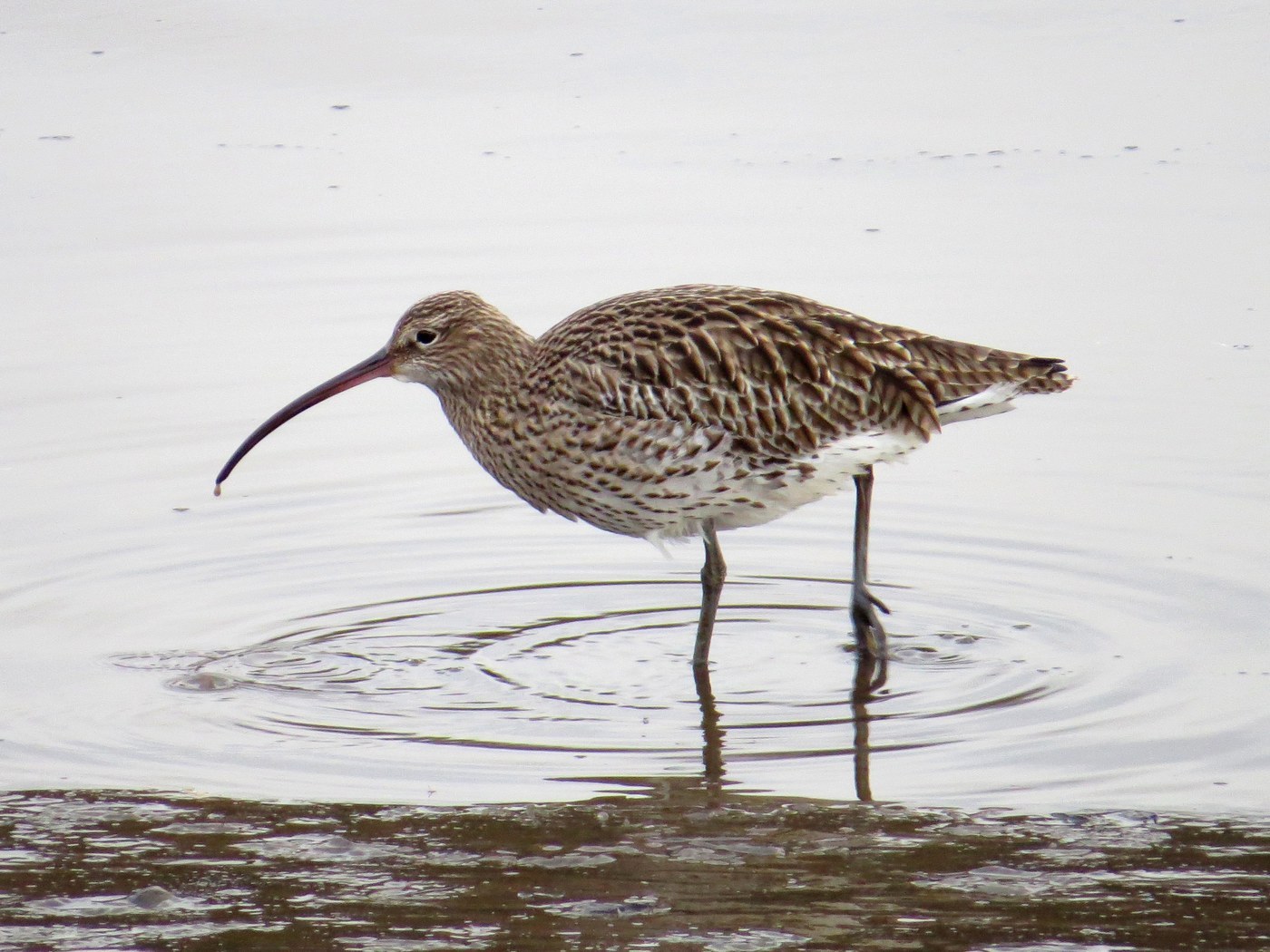
Eurasian Curlew
Body, flight, and tail feathers
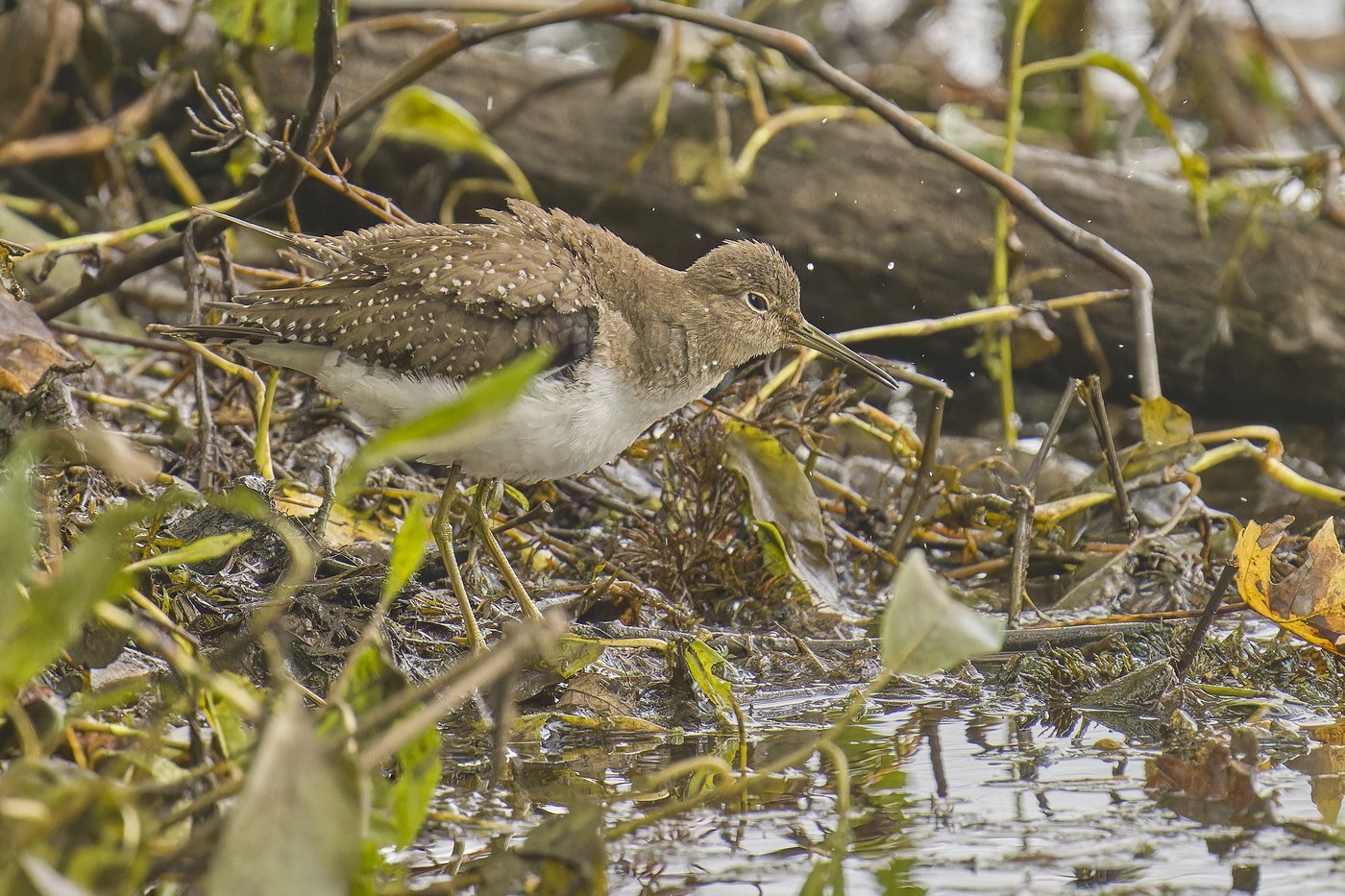
Solitary Sandpiper
Contour and flight feathers