

Mallard
Anas platyrhynchos
The world's most familiar duck, identifiable from almost any single wing feather by its glossy blue speculum bordered in white, shared by both sexes.
- Feather type
- Wing (speculum), body, and tail feathers
- Colours
- Iridescent green head and chestnut breast in males; both sexes show a blue speculum bordered with white
- Bird size
- Medium duck, ~50-65 cm
Found a feather like this?
Identify any feather from a photo, free.
Overview
The Mallard is the most widespread and abundant duck in the Northern Hemisphere, the ancestor of most domestic duck breeds, and a common sight on almost any body of water from wild wetlands to city parks.
Identifying the Feather
The single most reliable Mallard feather for identification is the speculum - a patch of secondary feathers on the inner wing that is a glossy iridescent blue, bordered front and back by white bars. This feature is present in both males and females, making it useful even when only body feathers of the more cryptic female are found. Male body feathers include a glossy bottle-green head feather (iridescent, appearing almost black in poor light), a chestnut-brown breast, and finely vermiculated grey flank feathers; the central tail feathers curl upward distinctively, a feature unique to the drake. Female body feathers are mottled brown and buff throughout, providing camouflage, with a plainer, only slightly curled tail.
Plumage & Molt
Males (drakes) are strikingly patterned outside of the late-summer eclipse period, when they molt into a female-like brown camouflage plumage while flightless, before regaining breeding plumage by autumn. Females retain mottled brown plumage year-round. Juveniles resemble adult females until young males begin acquiring adult feathering in their first autumn.
Habitat & Range
Mallards inhabit an enormous range of freshwater and brackish habitats, from wild marshes and rivers to urban ponds and park lakes, and are found throughout much of North America, Europe, and Asia. Populations vary from fully resident to strongly migratory depending on the region and severity of winter conditions.
Behavior & Field Notes
Mallards are dabbling ducks, feeding by tipping forward to graze on submerged vegetation, seeds, and invertebrates rather than diving. Females give the familiar loud quack, while males produce quieter, softer notes. Nests are built on the ground, often near water and well concealed in vegetation.
Frequently asked questions
How can I identify a Mallard feather if it's plain brown?
Look for the iridescent blue speculum patch bordered with white on the wing, which both male and female Mallards share regardless of otherwise plain body feather color.
Why do male Mallard feathers look brown in late summer?
Drakes molt into a temporary female-like eclipse plumage after breeding, while they are flightless and vulnerable, before regaining bright plumage by autumn.
What is distinctive about Mallard tail feathers?
Males have one or more small, upward-curling central tail feathers, a unique feature not found in the female or in most other duck species.
Are Mallard feathers found worldwide?
The species is native to much of the Northern Hemisphere and has also been introduced elsewhere, so its feathers are among the most commonly encountered duck feathers globally.
Mallard guides
In-depth guides for identifying and understanding Mallard.

Mallard identified by the community
Real feathers identified with Feather Identifier.


Other feathers you may enjoy

Spectacled Eider
Large sea-duck body feathers with distinctive eye-ring patches

Canada Goose
Body and flight feathers
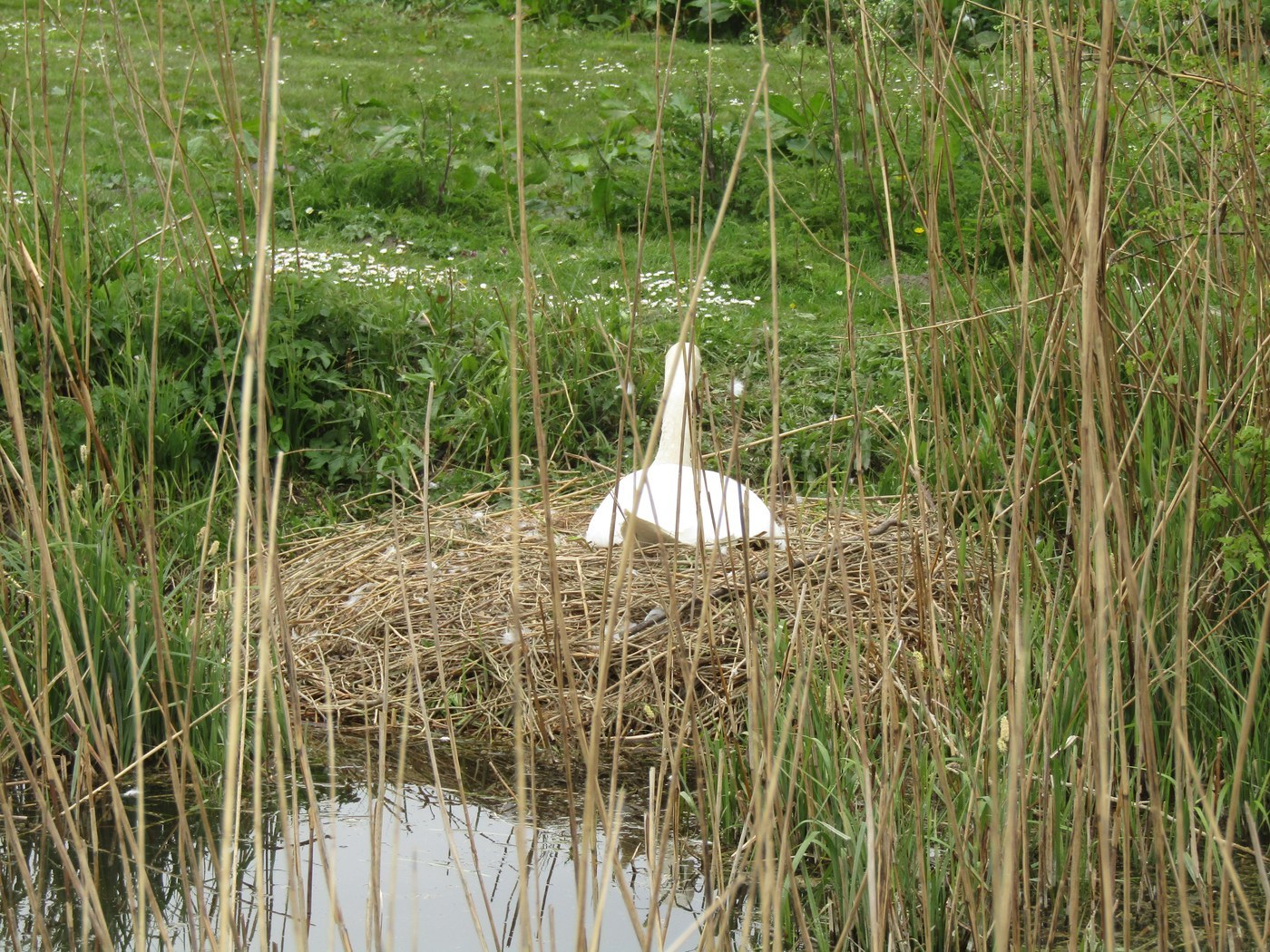
Mute Swan
Body (contour) and flight feathers

Wood Duck
Iridescent crest feathers; ornate scapular and flank feathers; white teardrop facial feathers (female)
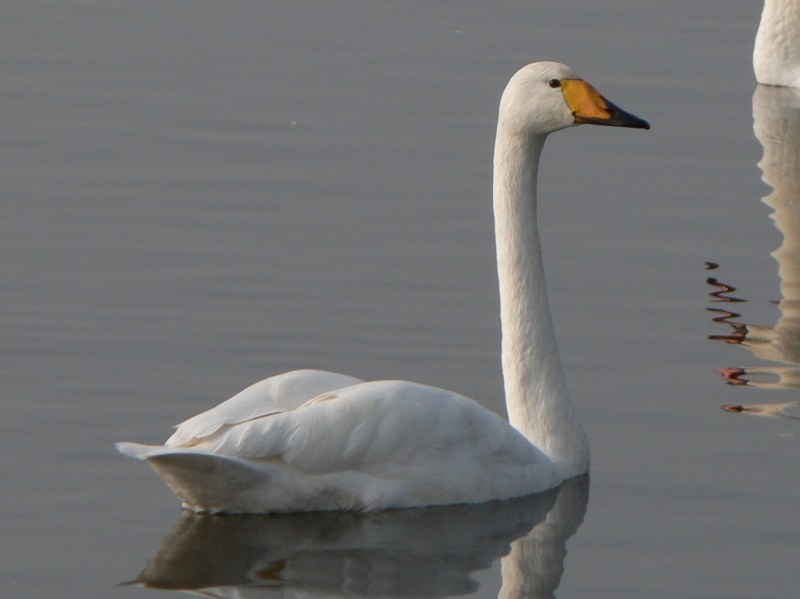
Whooper Swan
Contour and flight feathers

White-winged Scoter
Large sea-duck body feathers with a white wing patch

Ruddy Duck
Stiff tail feathers and compact body plumage

Ross's Goose
Contour and flight feathers

White-cheeked Pintail
Contour and elongated tail feathers

Torrent Duck
Dense, sleek contour feathers; stiff, pointed tail feathers used for bracing against rocks

Tundra Swan
Contour and flight feathers
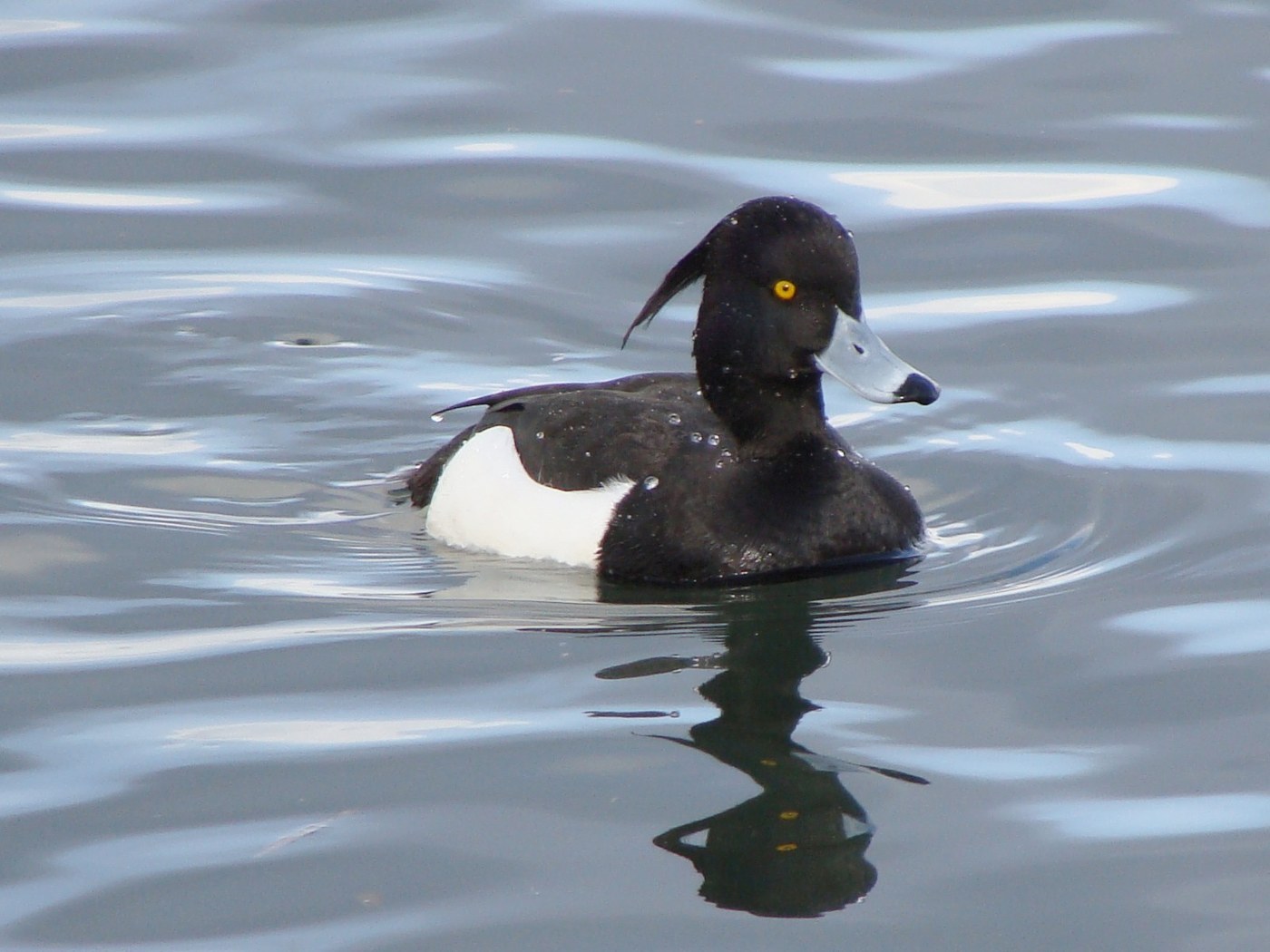
Tufted Duck
Diving-duck body feathers with an elongated crest