

Wood Duck
Aix sponsa
One of the most ornately feathered ducks in the world, with males showing an iridescent crested head and boldly patterned body, and females recognizable by a distinctive white teardrop eye patch.
- Feather type
- Iridescent crest feathers; ornate scapular and flank feathers; white teardrop facial feathers (female)
- Colours
- Iridescent green, purple, and bronze with bold white stripes (male); grey-brown with a white teardrop eye patch (female)
- Bird size
- Medium perching duck, ~47-54 cm
Found a feather like this?
Identify any feather from a photo, free.
Overview
The Wood Duck is a medium-sized perching duck native to North America, closely associated with wooded swamps, rivers, and beaver ponds where it nests in tree cavities, unlike most ducks that nest on the ground.
Breeding males are considered among the most ornately patterned of all waterfowl, with an iridescent green and purple crested head marked by bold white stripes, a chestnut breast speckled with white, and a body showing intricate bronze, black, and white patterning.
Females are far less flashy, mottled grey-brown overall, but are still readily recognizable by a distinctive white, teardrop-shaped patch around the eye, a reliable identifying feature even without any of the male's bright colors.
Identifying the Feather
Size and shape
- Distinctive crest feathers on the head, elongated and often glossy, especially in males
- Body contour feathers with unusually crisp, almost scalloped or laced-looking edges compared to most ducks
Color and pattern
- Male head feathers iridescent green and purple, marked with bold white stripes running along the crest and face
- Male breast feathers rich chestnut, marked with fine white speckling near the front edge
- Male flank feathers buffy-gold with fine black vermiculation and crisp white and black bars at the flank edge
- Female body feathers grey-brown overall, with an iridescent blue-green speculum
- Female facial feathers form a distinctive white, teardrop-shaped patch around the eye
Distinguishing from similar species
- No other North American duck shares the male's combination of iridescent crest, chestnut speckled breast, and boldly patterned flanks
- The female's white teardrop eye patch is distinctive among female dabbling and perching ducks, useful when male coloring is not present
Plumage & Molt
Breeding males are extremely ornate, with an iridescent green, purple, and bronze crested head, chestnut breast speckled with white, buffy-gold flanks with black vermiculation, and a glossy dark back. Females are mottled grey-brown with a crested head, iridescent speculum, and the diagnostic white teardrop eye patch. Males undergo a pronounced eclipse molt, becoming much duller and female-like for a period after breeding, before regaining full ornate plumage. All undergo a flightless period during wing molt.
Habitat & Range
Found across much of eastern North America, with additional populations in the West, favoring wooded swamps, slow rivers, beaver ponds, and other forested wetlands with nearby tree cavities for nesting. Northern populations are migratory, moving south for winter, while populations in milder southern regions are largely resident year-round.
Behavior & Field Notes
Feeds on seeds, aquatic vegetation, and invertebrates, foraging both in water and on land beneath trees, including mast such as acorns. Nests in natural tree cavities or nest boxes, often well away from open water, with ducklings famously jumping from the nest hole to the ground or water shortly after hatching. Voice includes a distinctive rising whistle in females, often given in flight. Its unusual tree-cavity nesting habit and crested, ornate feathers make it one of the more instantly recognizable ducks from feather material found near wooded wetlands.
Frequently asked questions
What is the most distinctive feature of a female Wood Duck's feathers?
A white, teardrop-shaped patch of feathers around the eye, visible even though her overall plumage is a fairly plain mottled grey-brown.
Why are male Wood Duck feathers considered so ornate?
They combine iridescent green and purple crest feathers, bold white facial stripes, a speckled chestnut breast, and finely vermiculated gold flanks, a combination unmatched by other North American ducks.
Does the Wood Duck nest like other ducks?
No, it nests in tree cavities or nest boxes rather than on the ground, an unusual habit among ducks.
Is the Wood Duck migratory?
Northern populations migrate south for winter, while those in milder southern regions tend to stay resident year-round.
Wood Duck guides
In-depth guides for identifying and understanding Wood Duck.

Wood Duck identified by the community
Real feathers identified with Feather Identifier.

Other feathers you may enjoy

Mallard
Wing (speculum), body, and tail feathers

Spectacled Eider
Large sea-duck body feathers with distinctive eye-ring patches

Canada Goose
Body and flight feathers
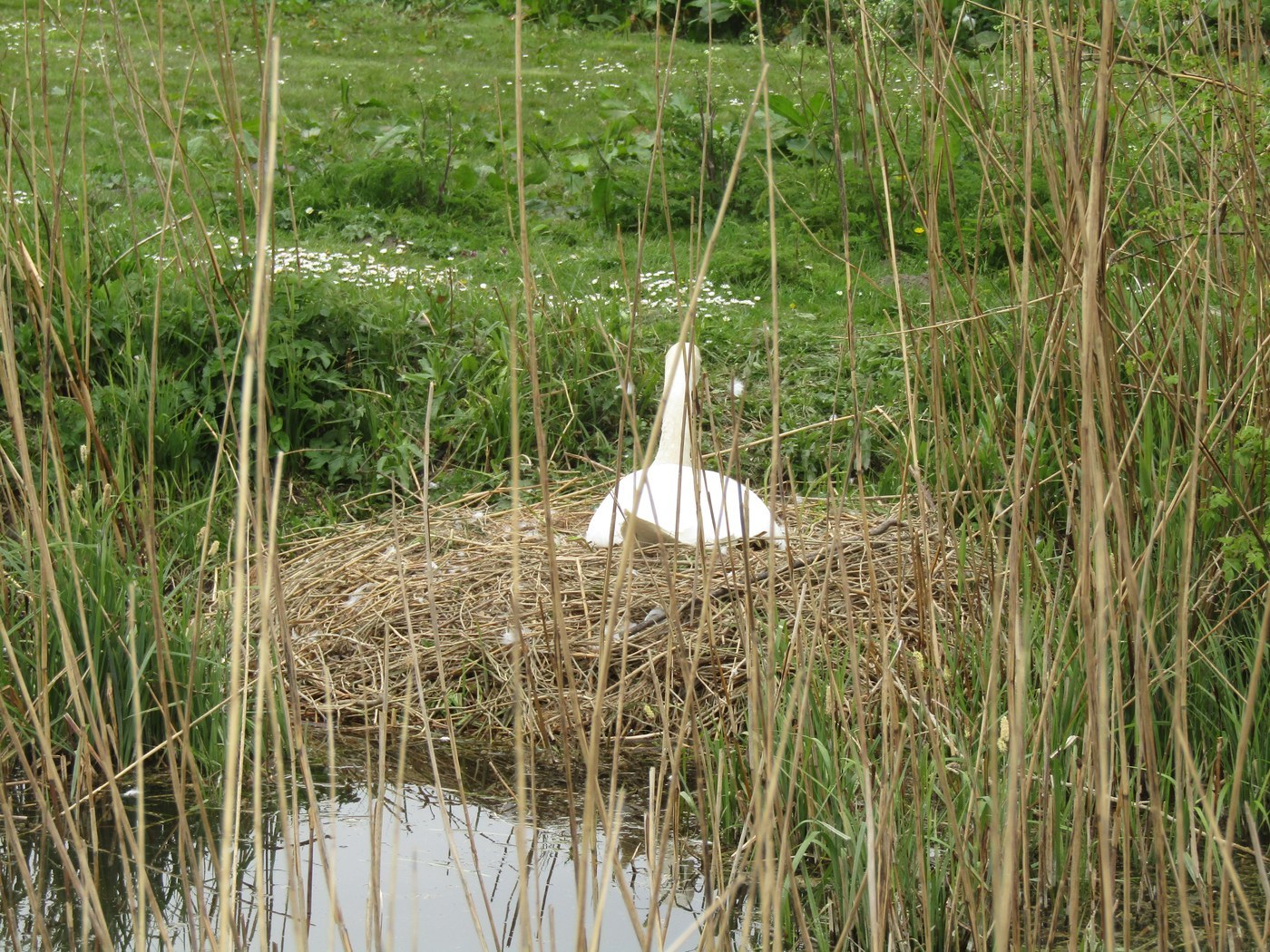
Mute Swan
Body (contour) and flight feathers
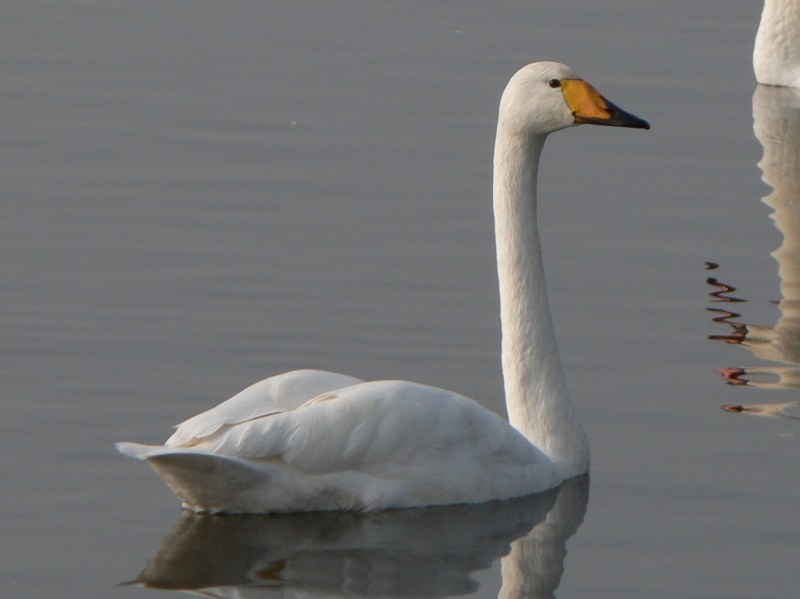
Whooper Swan
Contour and flight feathers

White-winged Scoter
Large sea-duck body feathers with a white wing patch

Ruddy Duck
Stiff tail feathers and compact body plumage

Ross's Goose
Contour and flight feathers

White-cheeked Pintail
Contour and elongated tail feathers

Torrent Duck
Dense, sleek contour feathers; stiff, pointed tail feathers used for bracing against rocks

Tundra Swan
Contour and flight feathers
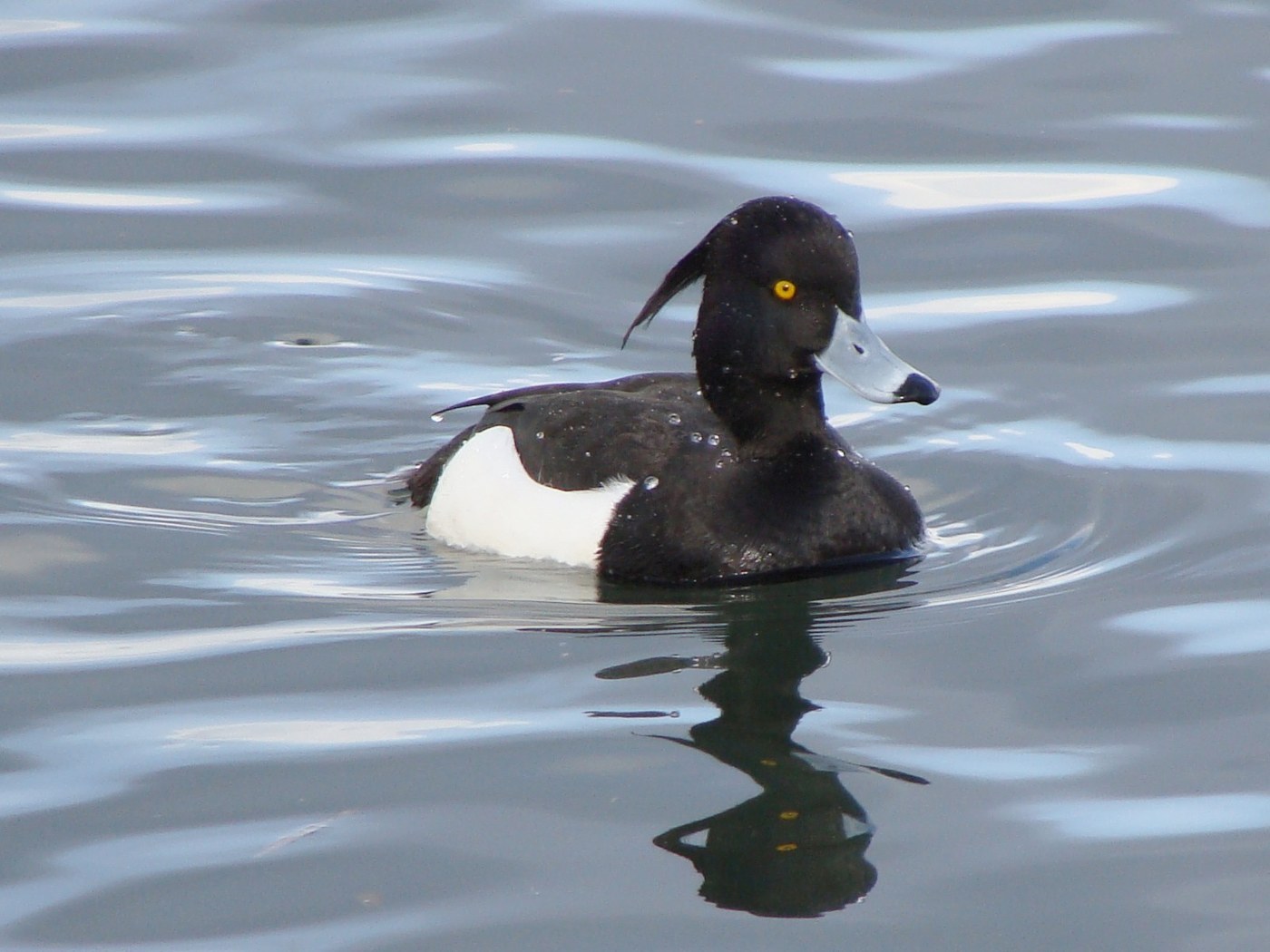
Tufted Duck
Diving-duck body feathers with an elongated crest