

White-cheeked Pintail
Anas bahamensis
A Caribbean and South American dabbling duck with a sharply demarcated white cheek and throat patch set against a dark crown, and a warm buffy body heavily marked with dark spots.
- Feather type
- Contour and elongated tail feathers
- Colours
- Buffy-brown body with dark spotting, bold white cheek and throat patch
- Bird size
- Medium-small duck, ~41 cm
Found a feather like this?
Identify any feather from a photo, free.
Overview
The White-cheeked Pintail is a non-migratory dabbling duck resident across the Caribbean, coastal South America, and the Galapagos Islands, favoring saline coastal lagoons and mangrove-lined wetlands. Its bold facial pattern and boldly spotted body plumage distinguish it readily from other regional waterfowl.
Identifying the Feather
Face feathers form a sharply demarcated white patch covering the cheeks and throat, contrasting strongly against a dark brown crown and nape—this pattern is visible and diagnostic even on a single facial feather. Body feathers are warm buffy-brown boldly marked with dark spots and crescents rather than the fine vermiculation typical of many other dabbling ducks. The bill has a distinctive red-orange base with a black tip. The central tail feathers are somewhat elongated, echoing (in miniature) the pointed tail of the Northern Pintail, though shorter. The speculum is green bordered with buff.
Plumage & Molt
Unusually among dabbling ducks, the sexes look quite similar, with females only slightly duller and marginally smaller than males. Juveniles are duller overall with a less crisply defined cheek patch, sharpening as they mature.
Habitat & Range
Resident across the Caribbean islands, coastal South America, and the Galapagos Islands, favoring saline lagoons, salt ponds, and mangrove-fringed wetlands, though also found on some freshwater habitats.
Behavior & Field Notes
Feeds by dabbling and upending for seeds, aquatic vegetation, and small invertebrates in shallow saline or brackish water. Generally non-migratory, remaining resident year-round within its range. Nests on the ground near water, often well concealed in vegetation. Gives soft whistling and quacking calls.
Frequently asked questions
What is the most distinctive feather feature of the White-cheeked Pintail?
A sharply defined white patch covering the cheeks and throat, contrasting against a dark crown, visible even on an isolated facial feather.
Do male and female White-cheeked Pintails look alike?
Yes, unusually for dabbling ducks, the sexes are quite similar, with females only slightly duller and smaller.
Is the White-cheeked Pintail migratory?
No, it is generally non-migratory, remaining resident within its Caribbean and South American range year-round.
What habitat does the White-cheeked Pintail prefer?
Coastal saline lagoons, salt ponds, and mangrove-lined wetlands, though it also uses some freshwater habitats.
White-cheeked Pintail guides
In-depth guides for identifying and understanding White-cheeked Pintail.

Other feathers you may enjoy

Mallard
Wing (speculum), body, and tail feathers

Spectacled Eider
Large sea-duck body feathers with distinctive eye-ring patches

Canada Goose
Body and flight feathers
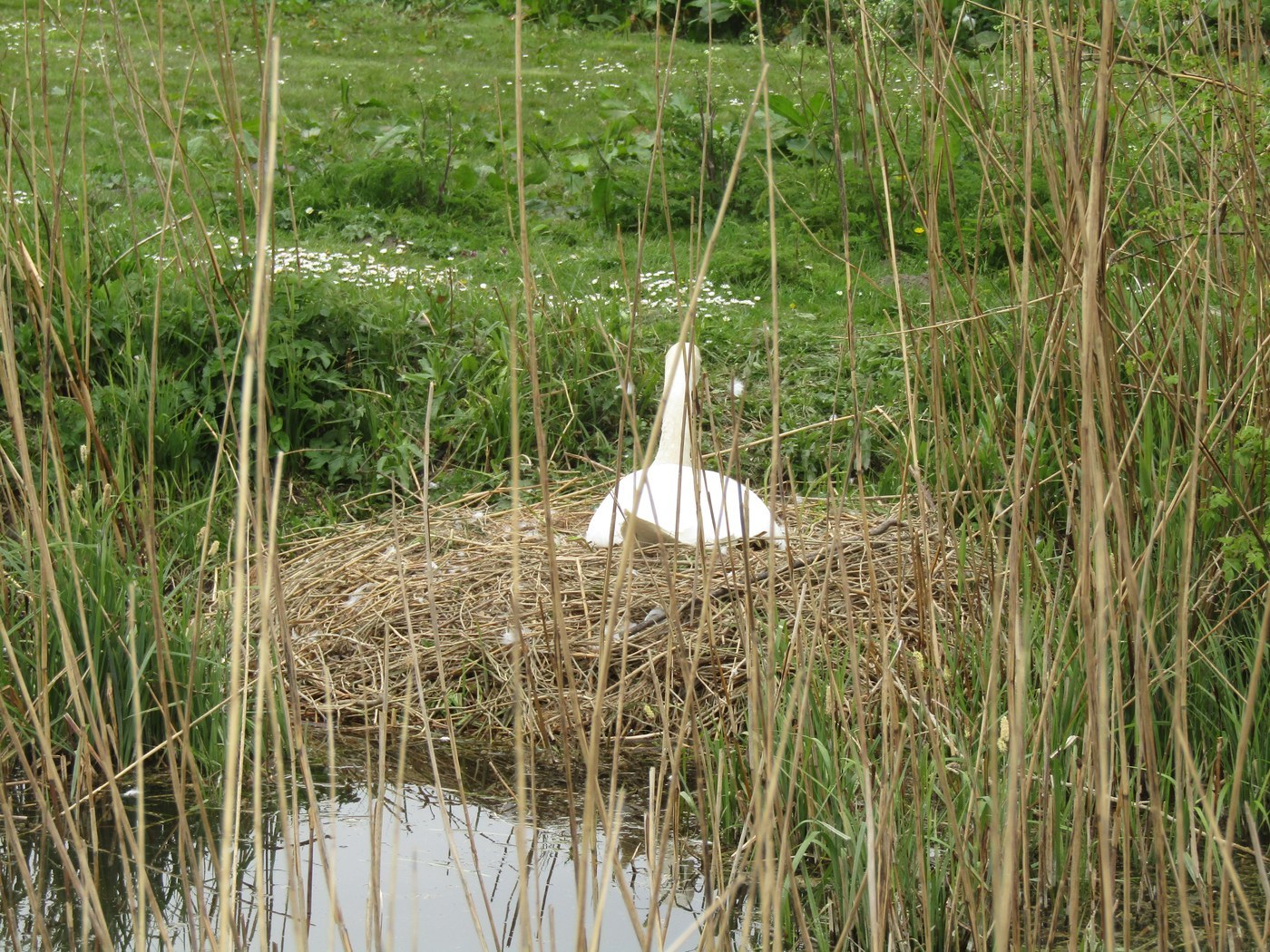
Mute Swan
Body (contour) and flight feathers

Wood Duck
Iridescent crest feathers; ornate scapular and flank feathers; white teardrop facial feathers (female)
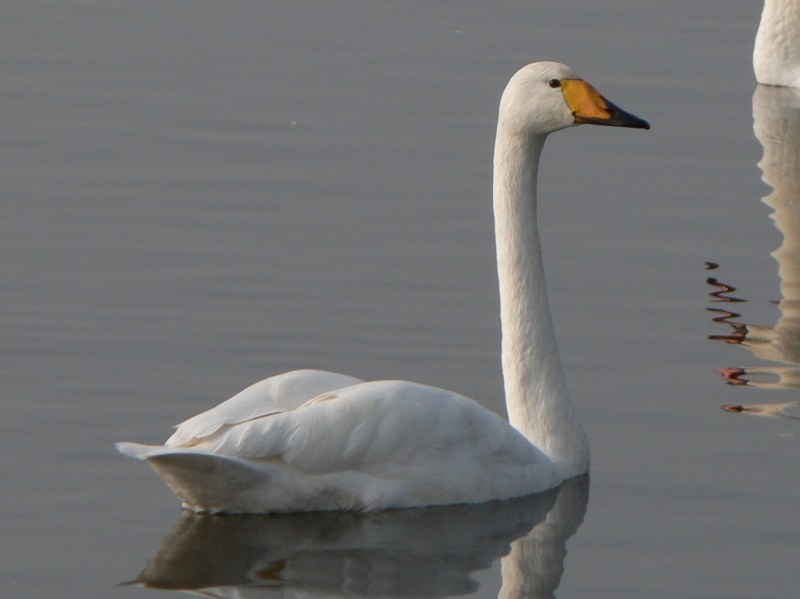
Whooper Swan
Contour and flight feathers

White-winged Scoter
Large sea-duck body feathers with a white wing patch

Ruddy Duck
Stiff tail feathers and compact body plumage

Ross's Goose
Contour and flight feathers

Torrent Duck
Dense, sleek contour feathers; stiff, pointed tail feathers used for bracing against rocks

Tundra Swan
Contour and flight feathers
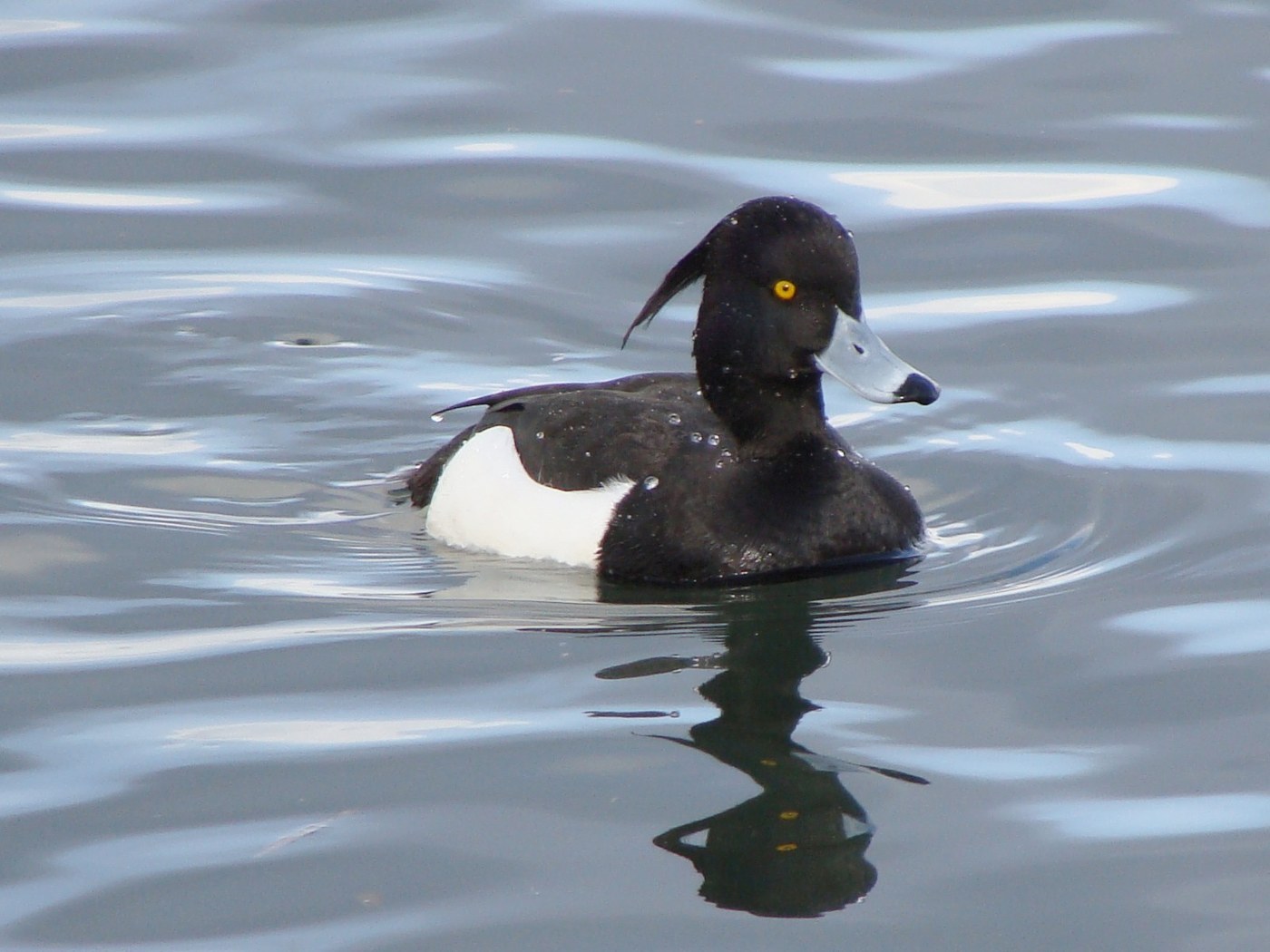
Tufted Duck
Diving-duck body feathers with an elongated crest