

Trumpeter Swan
Cygnus buccinator
The heaviest native North American bird and largest swan, entirely white with a solid black bill, sometimes showing a rust-stained head from iron-rich feeding grounds.
- Feather type
- Contour and flight feathers
- Colours
- Pure white, sometimes rust-stained on the head
- Bird size
- Very large, ~150 cm
Found a feather like this?
Identify any feather from a photo, free.
Overview
The Trumpeter Swan is North America's largest waterfowl species, a bird whose populations declined dramatically due to hunting and habitat loss before recovering through decades of conservation effort. It breeds on interior lakes, rivers, and marshes across parts of Alaska, Canada, and the northern United States, and its resonant, trumpet-like call gives the species its name.
Identifying the Feather
Contour feathers are large, dense, and pure white with a substantial layer of insulating down beneath, reflecting the species' cold-climate habits. Flight feathers are correspondingly massive, among the largest of any North American bird. The head and neck feathers are sometimes stained orange-rust from iron compounds in the mud and vegetation where the bird feeds, a mark shared with Tundra Swan. The black facial skin extends smoothly to the eye without a contrasting yellow spot at the base of the bill, a useful distinction from many Tundra Swans, which often (but not always) show a small yellow lore spot.
Plumage & Molt
Sexes are alike, with males somewhat larger. Cygnets are pale gray, gradually molting into white plumage over their first one to two years. Adults undergo a complete flightless molt after breeding.
Habitat & Range
Breeds on secluded lakes, ponds, and slow rivers with abundant aquatic vegetation across Alaska, western Canada, and reintroduced areas of the northern United States. Some populations are resident where open water persists year-round, while others migrate to ice-free wetlands for winter.
Behavior & Field Notes
Feeds by dabbling and upending to reach submerged aquatic plants, as well as grazing on land. Builds a large mound nest of vegetation near water, defended vigorously by both parents. Pairs form long-term bonds. Known for a deep, resonant, trumpet-like call, audible over long distances and the source of its common name.
Frequently asked questions
How do you tell a Trumpeter Swan from a Tundra Swan by feathers?
Their white feathers look nearly identical, but Trumpeter Swan feathers average larger, matching its bigger overall size; facial skin patterns differ but are not feather-based clues.
Why are some swan heads stained orange?
Feeding in iron-rich mud and vegetation can stain the white head feathers of Trumpeter and Tundra Swans a rusty orange color.
Is the Trumpeter Swan the largest waterfowl in North America?
Yes, it is both the largest swan and the heaviest native bird in North America.
Do Trumpeter Swans migrate?
Some populations are largely resident where water stays open year-round, while others migrate south to ice-free wetlands for winter.
Trumpeter Swan guides
In-depth guides for identifying and understanding Trumpeter Swan.

Other feathers you may enjoy

Mallard
Wing (speculum), body, and tail feathers

Spectacled Eider
Large sea-duck body feathers with distinctive eye-ring patches

Canada Goose
Body and flight feathers
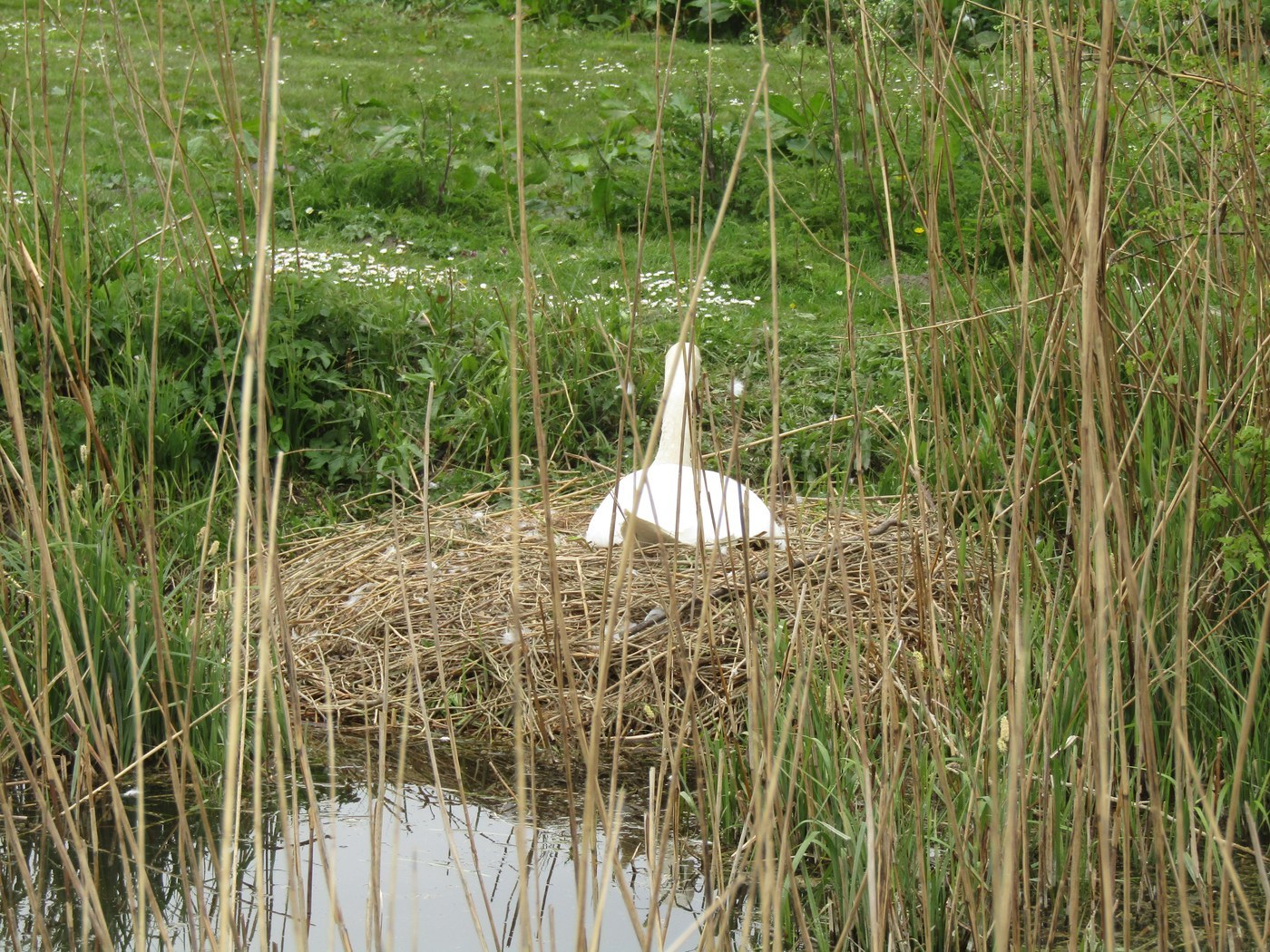
Mute Swan
Body (contour) and flight feathers

Wood Duck
Iridescent crest feathers; ornate scapular and flank feathers; white teardrop facial feathers (female)
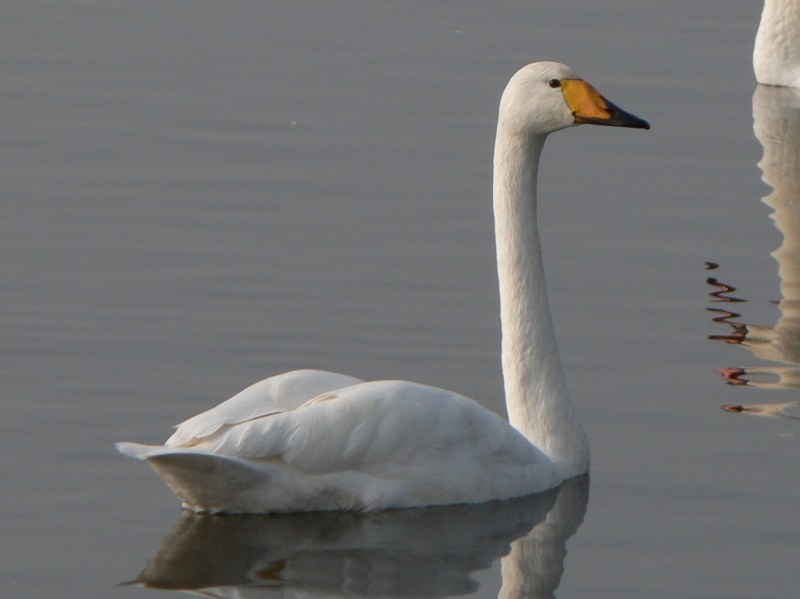
Whooper Swan
Contour and flight feathers

White-winged Scoter
Large sea-duck body feathers with a white wing patch

Ruddy Duck
Stiff tail feathers and compact body plumage

Ross's Goose
Contour and flight feathers

White-cheeked Pintail
Contour and elongated tail feathers

Torrent Duck
Dense, sleek contour feathers; stiff, pointed tail feathers used for bracing against rocks

Tundra Swan
Contour and flight feathers