
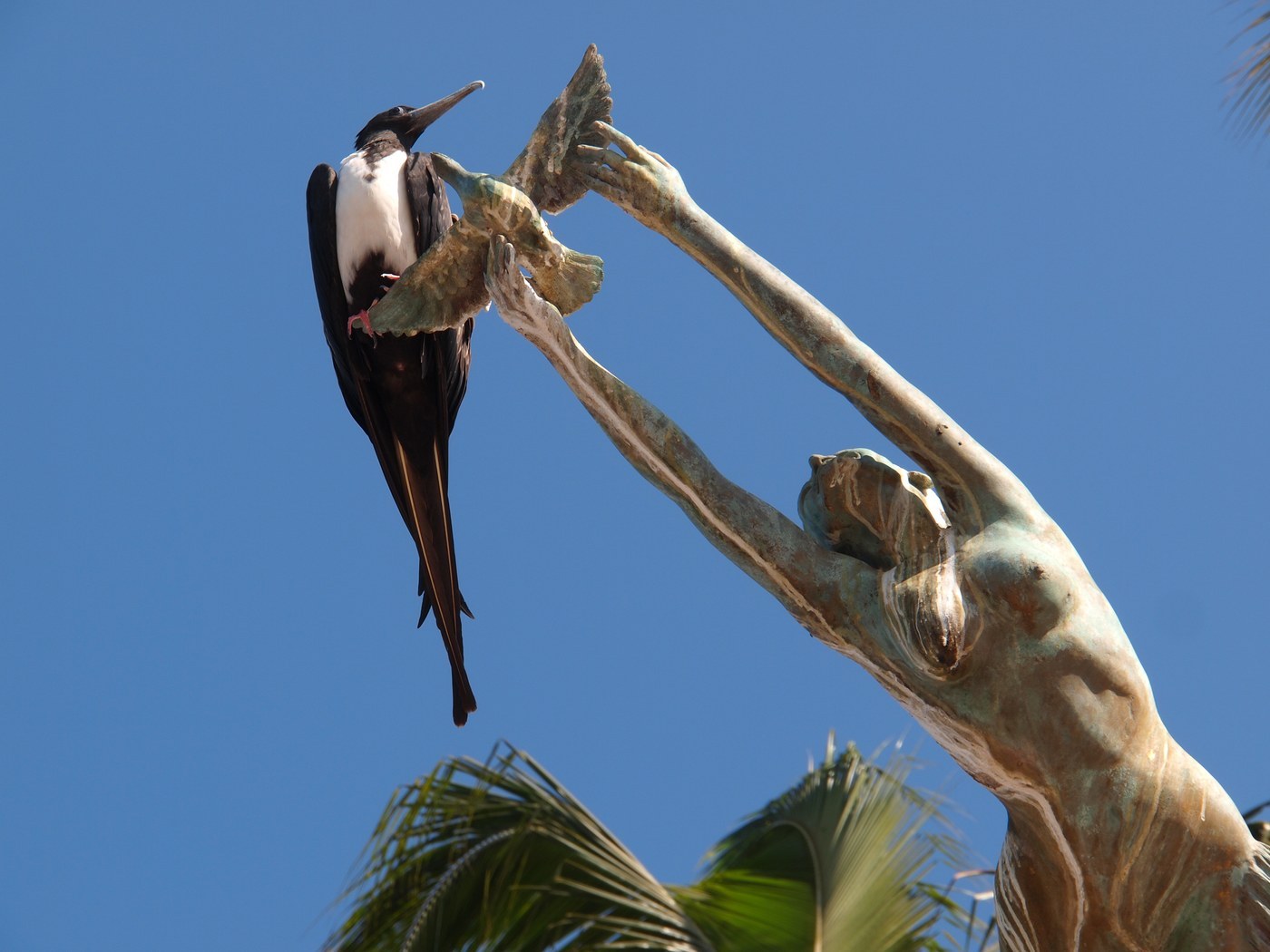
Magnificent Frigatebird
Fregata magnificens
A large, aerial seabird with long angular wings and a deeply forked tail, glossy black in males and marked with a white breast patch in females.
- Feather type
- Long, narrow flight feathers with a deeply forked tail
- Colours
- Glossy black overall in males; black with a white breast patch in females
- Bird size
- Large, ~89-114 cm wingspan very broad relative to body
Found a feather like this?
Identify any feather from a photo, free.
Overview
Overview
The Magnificent Frigatebird is a striking tropical seabird built for a life almost entirely in the air, with extremely long, narrow wings and a deeply forked tail that give it exceptional maneuverability. Males are glossy black overall and famous for an inflatable red throat pouch used in courtship display, while females show a contrasting white patch across the breast.
Frigatebirds have very limited waterproofing in their plumage compared to most seabirds and rarely land on water, instead snatching prey from the surface or stealing food from other seabirds in flight.
Identifying the Feather
Magnificent Frigatebird feathers are long, narrow, and built for extended soaring rather than swimming.
- Male body feathers: Glossy black overall with an iridescent purple-green sheen in good light.
- Female body feathers: Black overall but with a clean white patch of feathers across the breast and lower throat, and often a paler brownish bar on the upperwing coverts.
- Flight feathers: Long, narrow, and blackish, suited to soaring flight rather than diving or swimming.
- Tail feathers: Notably long and forming a deeply forked shape when spread.
- Compared to Great Frigatebird: Magnificent Frigatebird males show a purple-green iridescent gloss, while Great Frigatebird males show a more greenish gloss; females of the two species differ subtly in throat coloring and the presence of a pale upperwing bar, with Great Frigatebird females typically showing a more developed pale bar.
Plumage & Molt
Adult males are entirely glossy black with an iridescent purple-green sheen, most visible on the back and scapular feathers, along with an inflatable red gular throat pouch used in display. Adult females are black overall with a clean white patch across the breast and lower throat, generally lacking the male's iridescent sheen and throat pouch. Juveniles have a white or rusty-tinged head and underparts that darken with successive molts over several years before reaching adult plumage. Molt is protracted, given the species' large size and the energetic demands of near-constant flight.
Habitat & Range
Magnificent Frigatebirds are found along tropical and subtropical coastlines of the Americas, from the southern United States through the Caribbean and Gulf of Mexico to South America, nesting colonially in mangroves, shrubs, or low trees on coastal islands. They spend much of their time soaring over coastal and nearshore waters, rarely venturing far from land or landing on the water's surface.
Behavior & Field Notes
This frigatebird feeds by snatching fish, squid, and other prey from at or just below the water surface without landing, and is notorious for kleptoparasitism, harassing other seabirds in flight to steal their catch. Its exceptionally long wings and forked tail allow for sustained, energy-efficient soaring for extended periods. Nesting occurs in colonies, often alongside other seabird species, with males inflating their bright red throat pouches in dramatic courtship displays; a single egg is laid per season. Calls include various rattling, drumming, and whistling sounds, especially during courtship display.
Frequently asked questions
How can I tell a male from a female Magnificent Frigatebird feather?
Male feathers are uniformly glossy black with a purple-green iridescent sheen, while female feathers include a section of clean white plumage from the breast patch.
How does a Magnificent Frigatebird feather differ from a Great Frigatebird feather?
Males differ subtly in iridescent sheen tone (purple-green versus more greenish), and females of the two species differ in throat coloring and the development of a pale upperwing bar, which is generally more pronounced in Great Frigatebird.
Why don't frigatebird feathers seem very waterproof?
Frigatebirds have reduced waterproofing compared to most seabirds since they rarely land on water, instead feeding by snatching prey from the surface while in flight.
Where would a Magnificent Frigatebird feather likely be found?
Along tropical and subtropical coastlines of the Americas, especially near mangrove or coastal island breeding colonies in the Caribbean and Gulf of Mexico region.
Magnificent Frigatebird guides
In-depth guides for identifying and understanding Magnificent Frigatebird.

Other feathers you may enjoy

Western Gull
Body, flight, and tail feathers
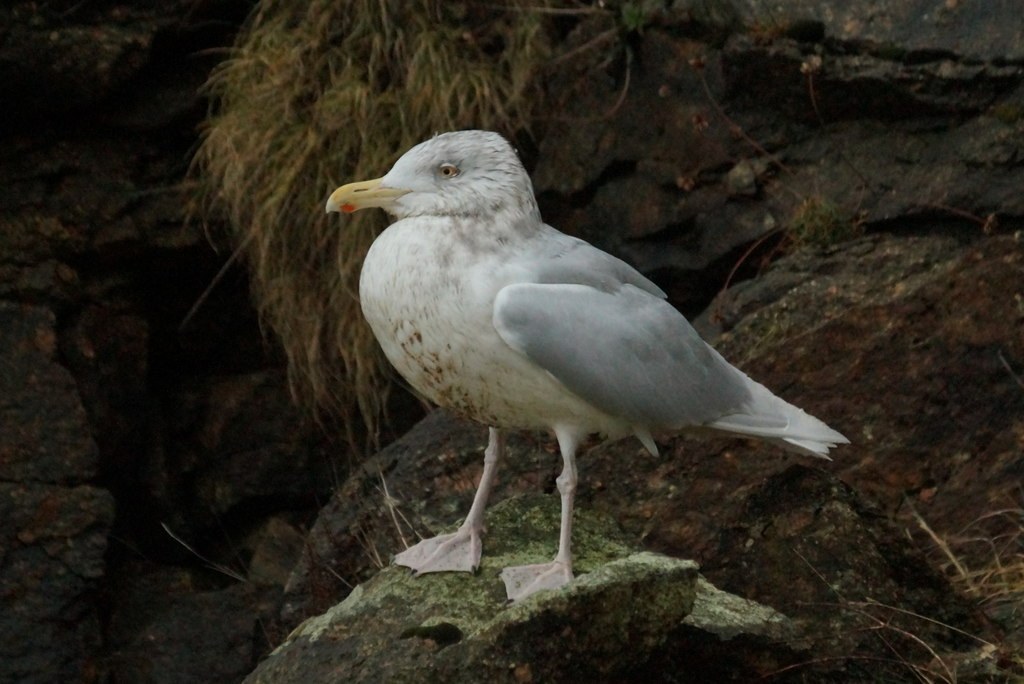
Glaucous Gull
Body, flight, and tail feathers

American Herring Gull
Body, flight, and tail feathers

Great Black-backed Gull
Body, flight, and tail feathers

Common Gull
Body, flight, and tail feathers
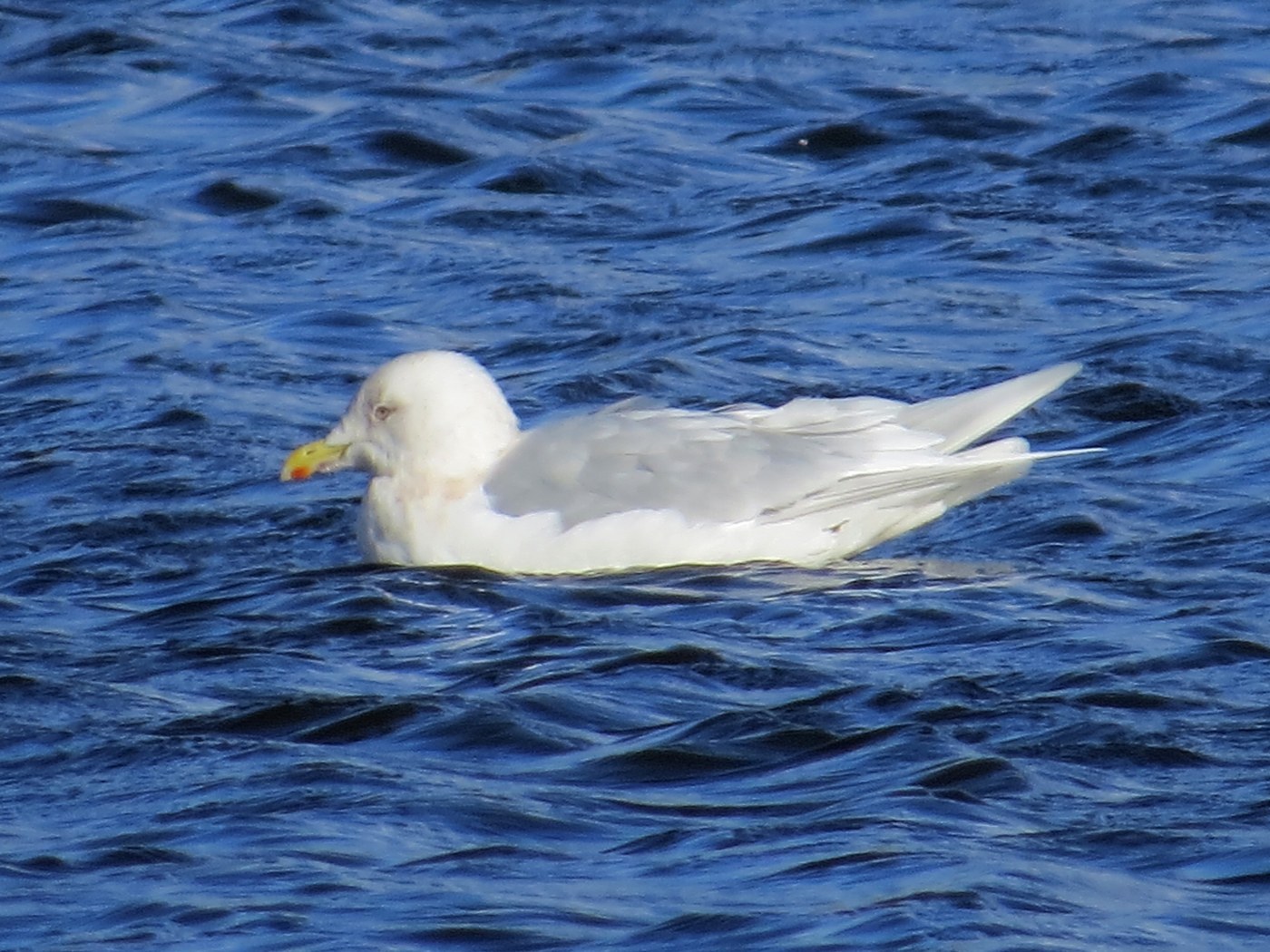
Iceland Gull
Body, flight, and tail feathers

Ring-billed Gull
Body, flight, and tail feathers

Glaucous-winged Gull
Body, flight, and tail feathers

Herring Gull
Body, flight, and tail feathers

Lesser Black-backed Gull
Body, flight, and tail feathers

California Gull
Body, flight, and tail feathers
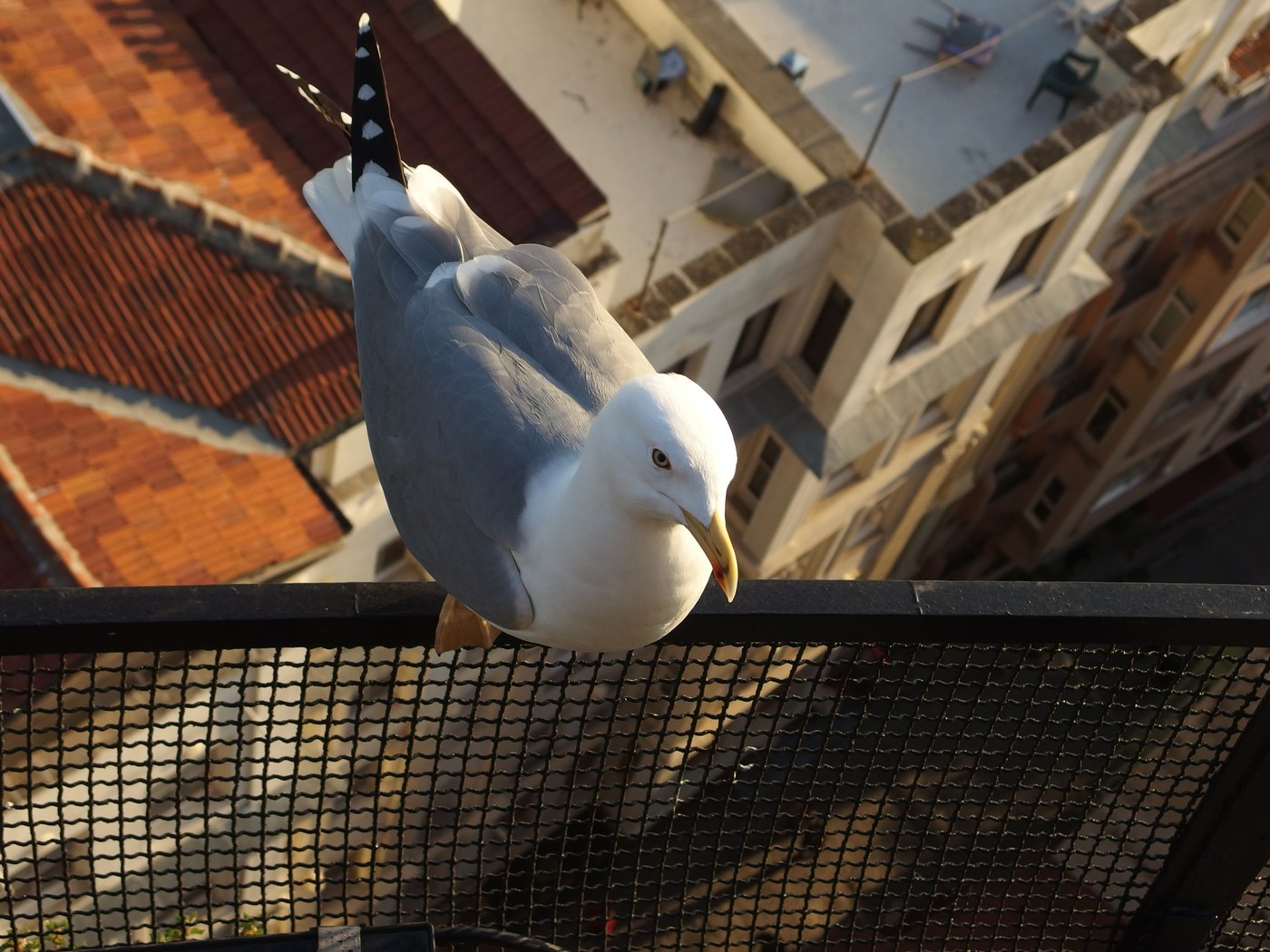
Yellow-legged Gull
Body, wing covert, and flight feathers