

Little Tern
Sternula albifrons
The Old World counterpart to the Least Tern, a tiny, fast-flying species of European, African, and Asian coasts, distinguished by its small size, yellow bill, and bold white forehead patch.
- Feather type
- Body and flight feathers
- Colours
- Pale gray upperparts, white underparts, black cap with white forehead patch
- Bird size
- Very small tern, ~22-24 cm
Found a feather like this?
Identify any feather from a photo, free.
Overview
Overview
The Little Tern is a diminutive tern widely distributed across coastal and riverine habitats of Europe, Africa, and Asia, filling an ecological role very similar to that of the Least Tern in the Americas. It shares the same combination of very small size, a yellow bill tipped in black, and a bold white forehead patch set against a black cap, features that make it one of the more readily identifiable small terns within its range.
Like its American counterpart, the Little Tern depends on open sand, shingle, or gravel for nesting, making it vulnerable to disturbance from coastal recreation and development, and its colonies are often the focus of conservation efforts in areas with high human coastal use.
Identifying the Feather
Feather Identification
- Wing feathers: Pale gray upperwing with a narrow dark leading edge on the outer primaries, similar in pattern to Least Tern given the close relationship and similar size between the two species.
- Size and shape: Feathers are very small and delicate, matching the tiny overall body size, among the smallest of any regularly encountered tern.
- Head feathers: Black cap with a bold white forehead patch in breeding adults, a shared pattern with the closely related Least Tern.
- Compared to similar species: Least Tern is essentially the New World equivalent of this species with a nearly identical appearance; the two are best distinguished by geographic range rather than by plumage differences, since they are extremely similar in size and pattern.
Plumage & Molt
Plumage Details
Breeding adults show a black cap with a white forehead patch, pale gray upperparts, white underparts, a yellow bill with a black tip, and orange-yellow legs. In nonbreeding plumage the cap becomes less crisp and the bill darkens. Juveniles show scaly brown-and-buff patterning on the back and wing coverts along with a dark bill, molting toward the paler gray adult-type plumage over their first year.
Habitat & Range
Habitat & Range
Little Terns breed in scattered colonies on sandy and shingle beaches, river sandbars, and estuaries across much of Europe, Africa, and Asia. The species is migratory in temperate parts of its range, with European and northern Asian breeders moving to wintering areas along the coasts of Africa and southern Asia, while some populations in warmer regions are more resident. As with its American counterpart, its dependence on open, unvegetated substrates for nesting makes it sensitive to coastal disturbance and habitat loss.
Behavior & Field Notes
Behavior & Field Notes
Little Terns forage by hovering and plunge-diving for small fish in shallow coastal and estuarine waters, often near their nesting colonies. They nest in loose colonies on open sand, shingle, or gravel with minimal nest structure, leaving eggs and chicks exposed to disturbance and predation, a vulnerability that has prompted conservation measures such as fenced or wardened colonies in some areas. The call is a sharp, high-pitched chattering note, similar in quality to that of the closely related Least Tern. Its very small size and white forehead patch are the most useful identification features within its Old World range.
Frequently asked questions
How is the Little Tern related to the Least Tern?
The two species are very closely related and nearly identical in size and pattern, essentially filling the same ecological niche, with Little Tern found in Europe, Africa, and Asia and Least Tern found in the Americas.
What is the main identification challenge with this species?
Its very small size can make it easy to overlook among larger terns, though the combination of a yellow black-tipped bill and white forehead patch helps confirm identification.
Where does the Little Tern typically nest?
In loose colonies on open sandy or shingle beaches, river sandbars, and estuaries, habitats that require minimal vegetation and are vulnerable to human disturbance.
Is the Little Tern migratory?
Populations in temperate parts of its range are migratory, moving to wintering areas in Africa or southern Asia, while some populations in warmer regions remain closer to their breeding areas year-round.
Little Tern guides
In-depth guides for identifying and understanding Little Tern.

Other feathers you may enjoy

Western Gull
Body, flight, and tail feathers

Glaucous Gull
Body, flight, and tail feathers

American Herring Gull
Body, flight, and tail feathers

Great Black-backed Gull
Body, flight, and tail feathers

Common Gull
Body, flight, and tail feathers

Iceland Gull
Body, flight, and tail feathers

Ring-billed Gull
Body, flight, and tail feathers

Glaucous-winged Gull
Body, flight, and tail feathers

Herring Gull
Body, flight, and tail feathers

Lesser Black-backed Gull
Body, flight, and tail feathers

California Gull
Body, flight, and tail feathers
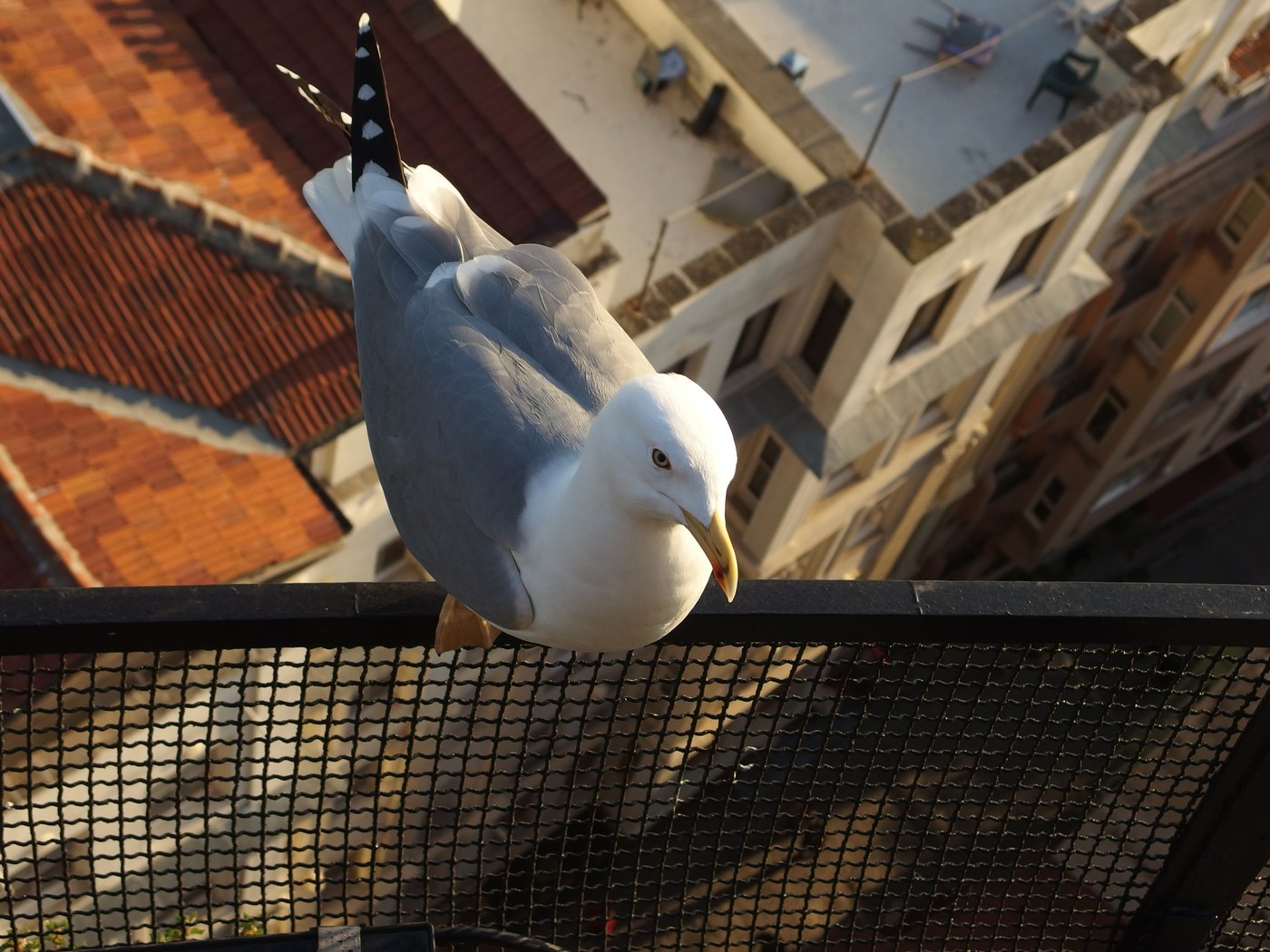
Yellow-legged Gull
Body, wing covert, and flight feathers