
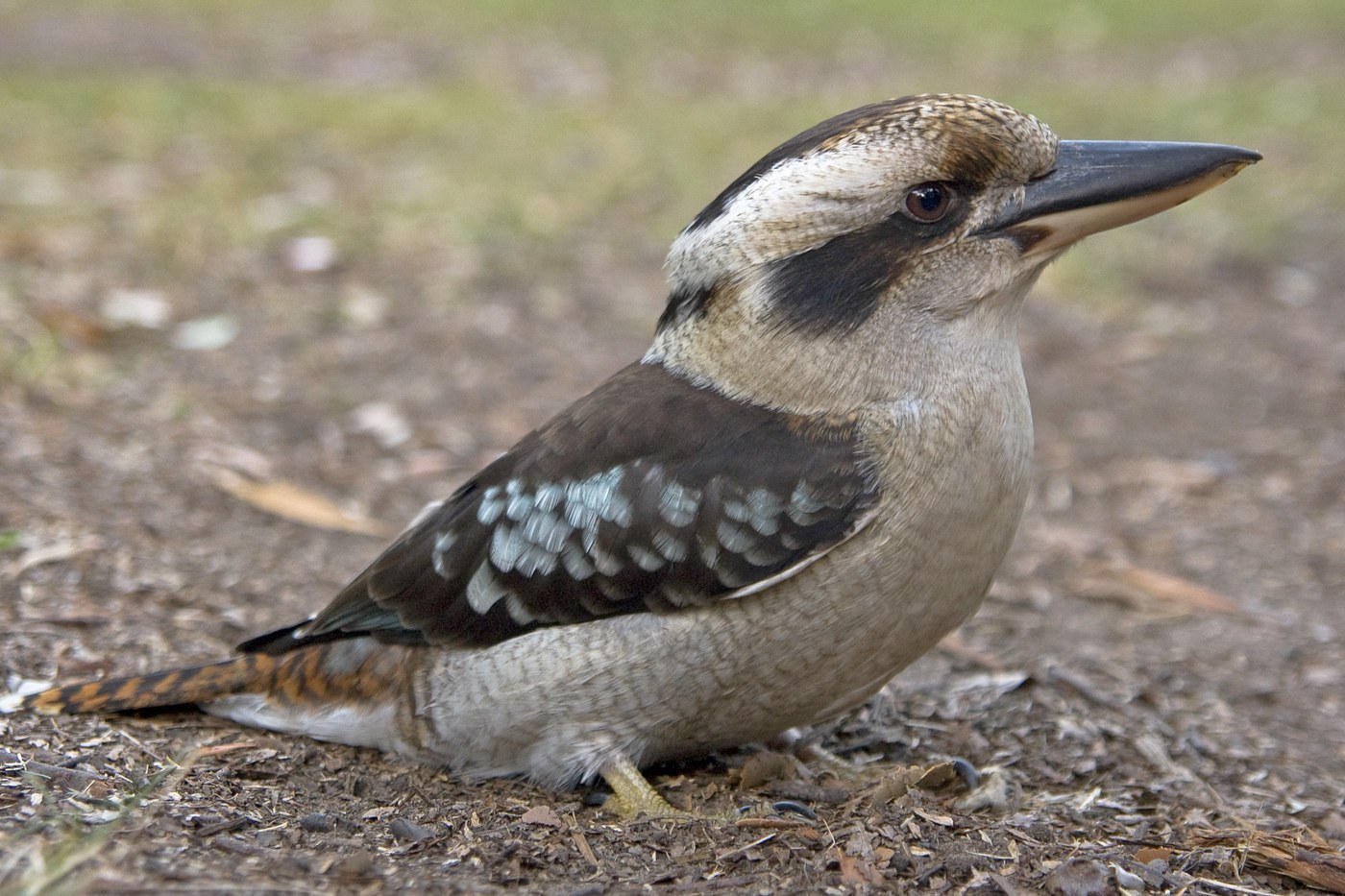
Laughing Kookaburra
Dacelo novaeguineae
A large, heavy-billed kingfisher relative famous for its loud, cackling call that resembles raucous laughter.
- Feather type
- Large, coarse contour feathers; broad rounded wings
- Colours
- Brown-mottled crown, whitish underparts, blue-tinged wing patch, barred tail
- Bird size
- Large, dove-to-crow-sized, ~40-45 cm
Found a feather like this?
Identify any feather from a photo, free.
Overview
Overview
The Laughing Kookaburra is a large member of the kingfisher family native to eastern Australia, now also established in parts of the west and southwest through introductions. It is best known for its distinctive laughing call, a familiar sound of the Australian bush.
- Largest member of the kingfisher family
- Iconic call widely used in media to represent wilderness settings
- Lives in cooperative family groups
Identifying the Feather
Feather Identification
Laughing Kookaburra feathers are large, coarse, and boldly patterned.
- Crown: brown mottled feathers with a pale streaked appearance
- Back and wings: brown with a patch of pale blue on the wing coverts
- Underparts: creamy white, unmarked
- Tail: rufous-brown barred with black, tipped white
Its much larger size, heavier bill, and brown-and-cream coloring (rather than blue overall) separate it clearly from typical small blue kingfishers.
Plumage & Molt
Plumage Details
Sexes are similar, both brown-mottled above and creamy white below, though males can show slightly more blue on the rump. Juveniles resemble adults but with some fine barring on the underparts that fades with maturity. A single annual molt maintains the pattern with little seasonal variation.
Habitat & Range
Habitat & Range
Native to eastern Australia, including eucalypt woodlands, forest edges, and suburban parks and gardens, and introduced to parts of Western Australia, Tasmania, and New Zealand. It is a non-migratory, resident species that maintains permanent territories.
Behavior & Field Notes
Behavior & Field Notes
Kookaburras hunt a broad diet of insects, small reptiles, rodents, and occasionally small birds, striking prey against a branch before swallowing. They live in family groups that cooperatively defend territory and help raise young. Their loud, cackling call, often given communally at dawn and dusk, serves as a territorial announcement. Large size, brown-and-cream plumage, and the distinctive laughing call make this species unmistakable within its range.
Frequently asked questions
Why is the Laughing Kookaburra called that?
Its loud, cackling call resembles raucous human laughter and is often given communally by family groups.
Is the Kookaburra really a kingfisher?
Yes, it belongs to the kingfisher family, though it rarely hunts fish, instead feeding on insects, reptiles, and small animals on land.
How can you tell a Kookaburra's feathers from a typical blue kingfisher?
Kookaburras show brown and cream plumage with only a small patch of blue on the wing, unlike the vivid all-over blue of many smaller kingfishers.
Do Kookaburras live alone or in groups?
They typically live in cooperative family groups that defend a shared territory and help raise young together.
Laughing Kookaburra guides
In-depth guides for identifying and understanding Laughing Kookaburra.
Other feathers you may enjoy

Common Cuckoo
Flight and body feathers
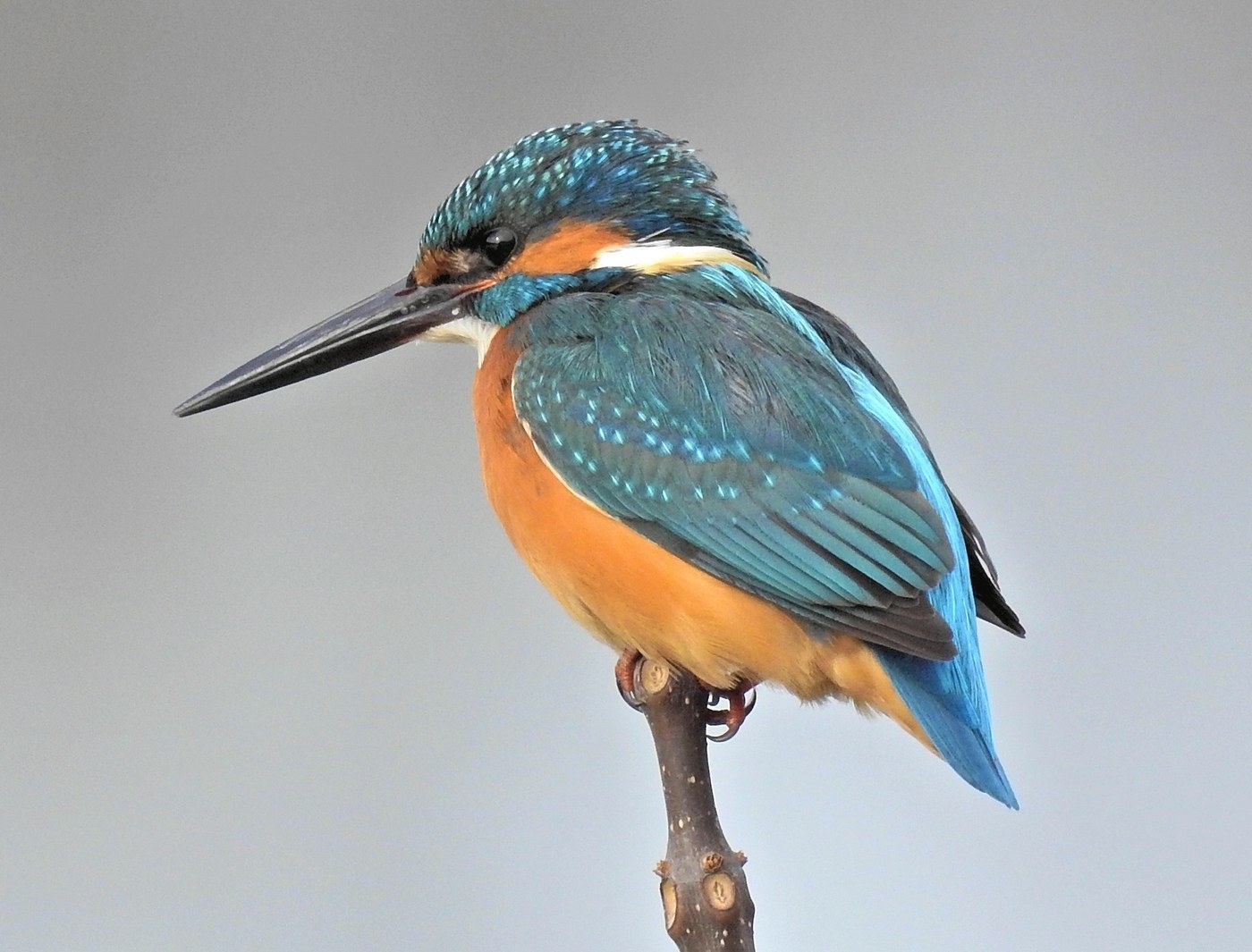
Common Kingfisher
Body (contour) and wing feathers
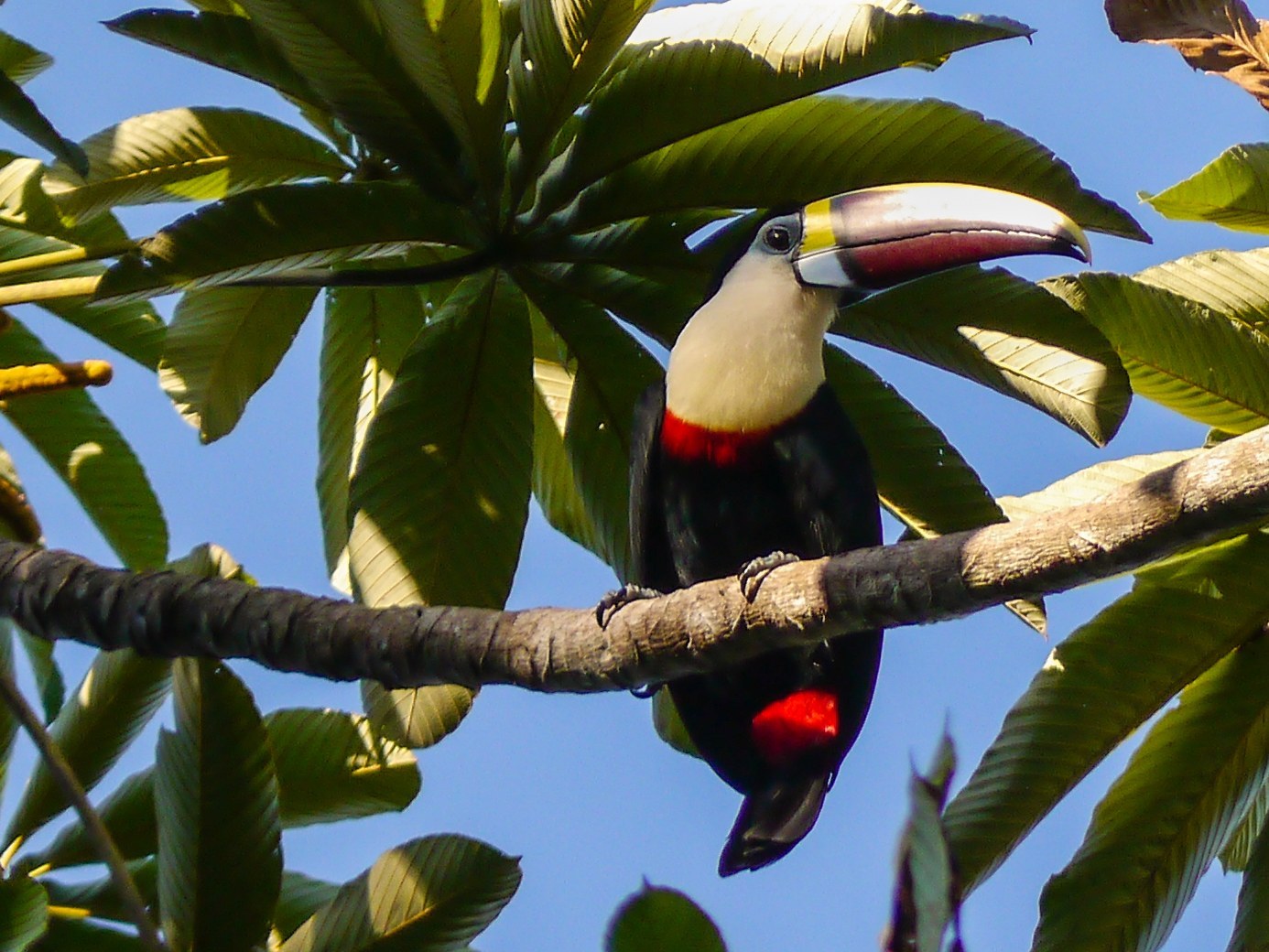
White-throated Toucan
Short rounded contour feathers, short broad wings
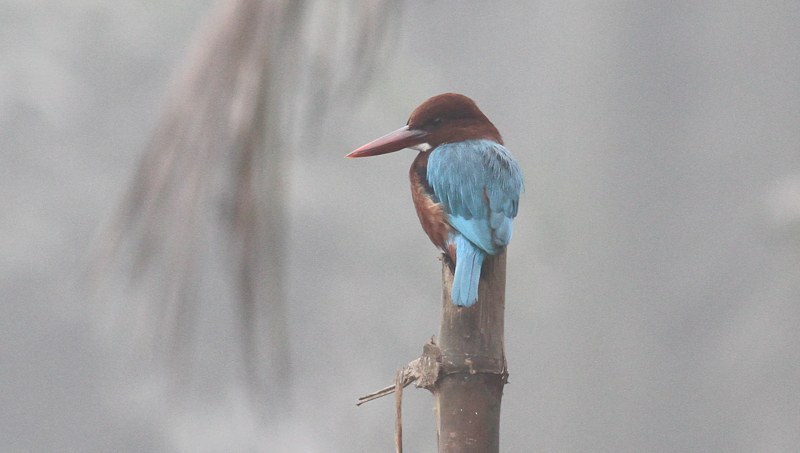
White-throated Kingfisher
Dense contour feathers; broad rounded wings

White-throated Bee-eater
Sleek, aerodynamic contour feathers; elongated central tail streamers
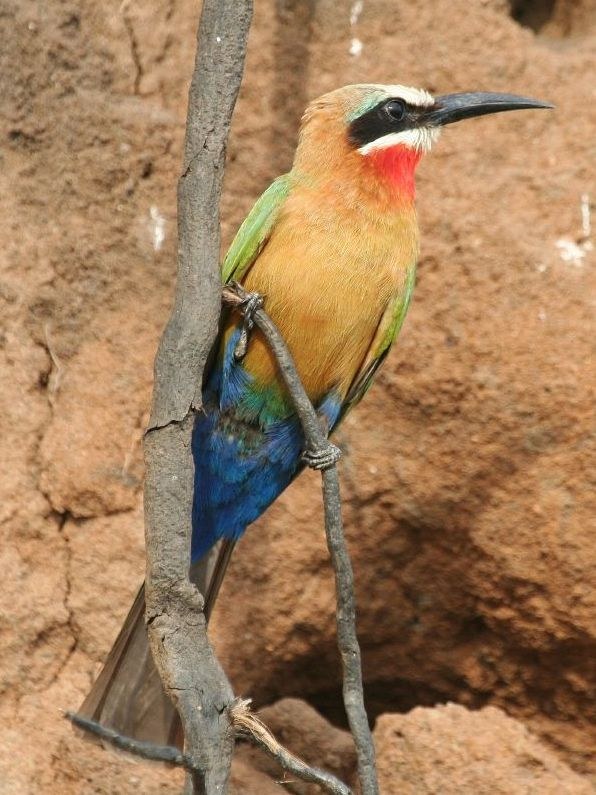
White-fronted Bee-eater
Sleek contour feathers; short tail with slight point

Southern Yellow-billed Hornbill
Slender contour feathers, moderate flight feathers
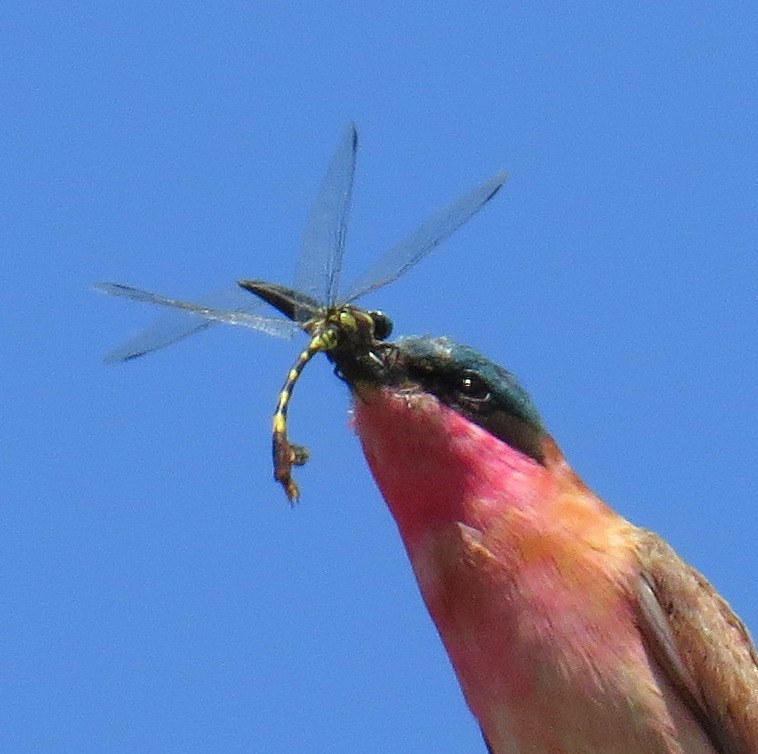
Southern Carmine Bee-eater
Sleek, pointed contour feathers; elongated central tail streamers
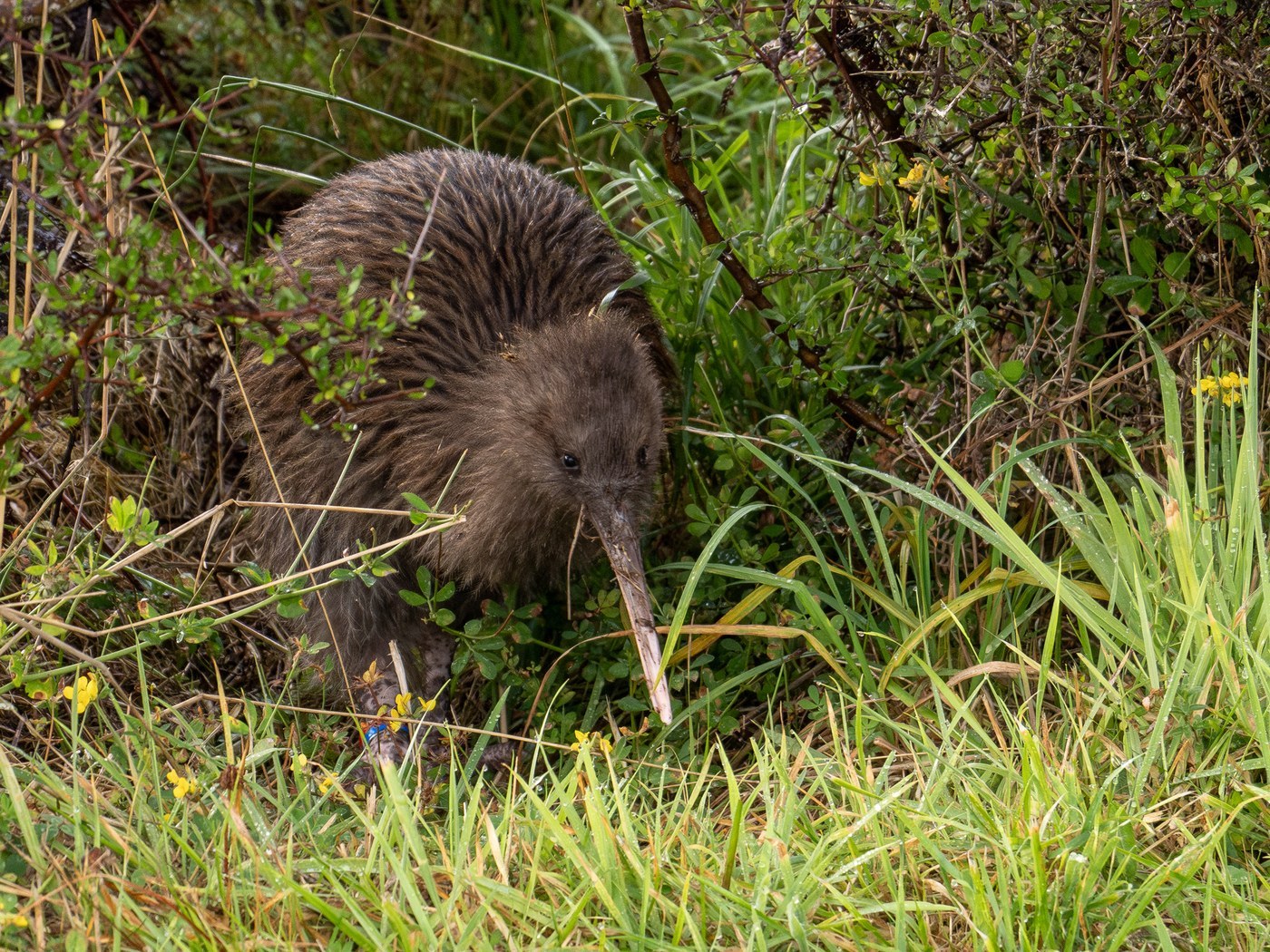
Southern Brown Kiwi
Shaggy, hair-like plumage with loose barbs lacking barbules; flightless, vestigial wings hidden beneath body feathers

Somali Ostrich
Loose, soft plumes lacking interlocking barbules

Wreathed Hornbill
Dense contour feathers, broad flight feathers

Woodland Kingfisher
Firm contour feathers; broad wing feathers