

Laughing Gull
Leucophaeus atricilla
A noisy, familiar coastal gull of the southeastern and Gulf coasts, easily told by its dark slate mantle, drooping red bill, and raucous, laughing call.
- Feather type
- Body, wing covert, and flight feathers
- Colours
- Dark slate-gray mantle, white underparts, solid black wingtips
- Bird size
- Medium gull, ~40-43 cm
Found a feather like this?
Identify any feather from a photo, free.
Overview
Overview
The Laughing Gull is a medium-sized, dark-mantled gull common along the Atlantic and Gulf coasts of the Americas, especially in the breeding season when its black hood, deep red bill, and loud, cackling call make it one of the most conspicuous birds of southern beaches and marinas. It is markedly darker on the back and wings than most other North American gulls of similar size, giving it a distinctive slate-gray appearance in flight.
Unlike several related small gulls that show a white wedge or band near the wingtip, the Laughing Gull's wingtips are solid black with no white markings, blending smoothly into the dark gray of the rest of the upperwing.
Identifying the Feather
Feather Identification
- Wing feathers: Primaries are entirely dark gray to black with no white tips or mirrors, contrasting only subtly with the dark slate-gray secondaries and coverts; this lack of contrast is a key difference from many similar-sized gulls.
- Size and shape: Flight feathers are moderately long and somewhat narrow, consistent with a buoyant, agile flight style; the wing appears uniformly dark from above in adult plumage.
- Mantle and covert feathers: Dark slate-gray, notably darker than the pale gray of most North American gulls, giving a two-toned look with the white underparts.
- Underwing: Grayish rather than white, adding to the overall dark impression in flight.
- Compared to similar species: Franklin's Gull shows a similar dark mantle but has a white band separating the black wingtip from the gray, plus white eye crescents; Laughing Gull lacks this white band and crescents.
Plumage & Molt
Plumage Details
Breeding adults show a full black hood, deep red bill and legs, and a dark slate-gray back and wings against white underparts. In nonbreeding plumage the hood is lost, replaced by a white head with dusky gray streaking or shading around the eye and ear region, and the bill and legs become duller reddish-black. Juveniles are brown overall with darker wings and a dark tail band, molting through a gray-backed first-winter plumage before reaching adult-like appearance in the second or third year, as full adult plumage takes about three years to acquire. Molt into the breeding hood typically occurs in late winter to early spring.
Habitat & Range
Habitat & Range
Laughing Gulls breed colonially on coastal salt marsh islands, barrier beaches, and dredge-spoil islands along the Atlantic and Gulf coasts of North America, the Caribbean, and parts of Central and South America. Outside the breeding season they remain largely coastal, frequenting beaches, piers, parking lots near the shore, and fishing harbors, often in large, vocal flocks. Many populations are resident or short-distance migrants, with northern breeders withdrawing southward in winter while southern populations remain year-round.
Behavior & Field Notes
Behavior & Field Notes
This gregarious species forages opportunistically, taking fish, crustaceans, and insects, and is a frequent scavenger around fishing boats, beaches, and picnic areas, sometimes snatching food directly from unwary beachgoers. It nests in dense colonies on protected islands, building a simple nest of grasses on the ground. The call, a loud, laughing "ha-ha-ha-ha" often rising and falling, gives the species its name and is a familiar sound of southern coastal towns. In flight, Laughing Gulls appear long-winged and buoyant, with a noticeably dark, uniform upperwing that helps separate them from paler gulls at a distance.
Frequently asked questions
Why is the Laughing Gull's wingtip pattern different from many other gulls?
Its wingtips are solid black with no white spots or mirrors, blending into its already dark gray upperwing, whereas many similar-sized gulls show white markings near the wingtip.
What gives the Laughing Gull its name?
Its loud, cackling call, often rendered as a rising and falling "ha-ha-ha," resembles raucous laughter and is frequently heard at colonies and along beaches.
How long does it take a Laughing Gull to reach full adult plumage?
Approximately three years, with juveniles passing through brown and gray subadult plumages before acquiring the complete black hood and dark mantle of the adult.
Is the Laughing Gull's mantle color useful for identification?
Yes, its slate-gray mantle is noticeably darker than that of most other North American gulls of similar size, giving it a distinctly two-toned appearance against its white underparts.
Laughing Gull guides
In-depth guides for identifying and understanding Laughing Gull.

Laughing Gull identified by the community
Real feathers identified with Feather Identifier.


Other feathers you may enjoy

Western Gull
Body, flight, and tail feathers
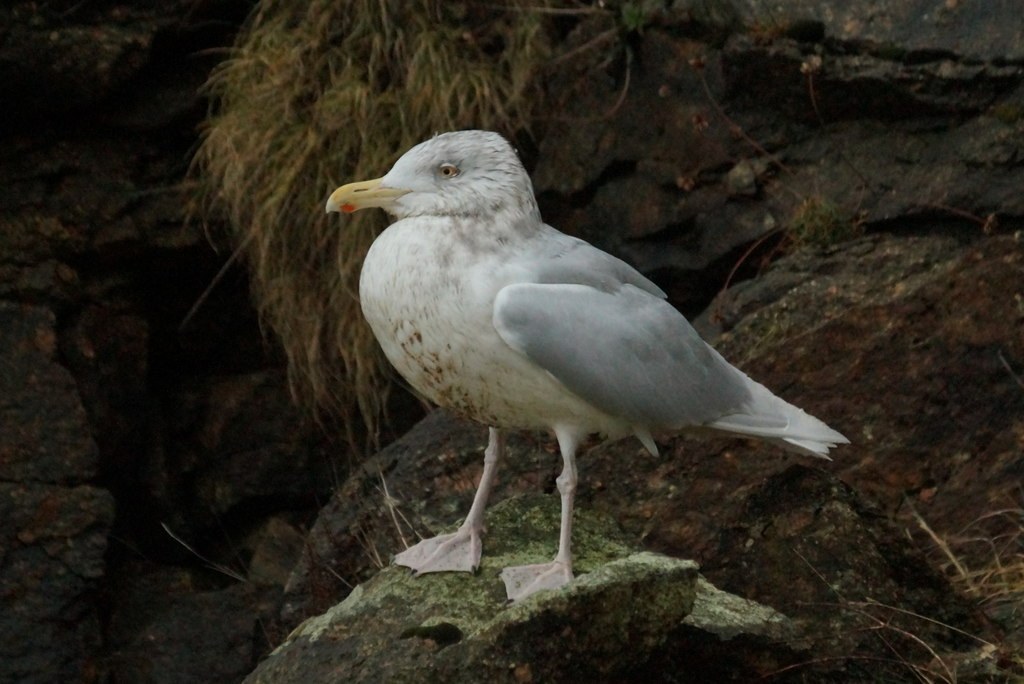
Glaucous Gull
Body, flight, and tail feathers

American Herring Gull
Body, flight, and tail feathers

Great Black-backed Gull
Body, flight, and tail feathers

Common Gull
Body, flight, and tail feathers
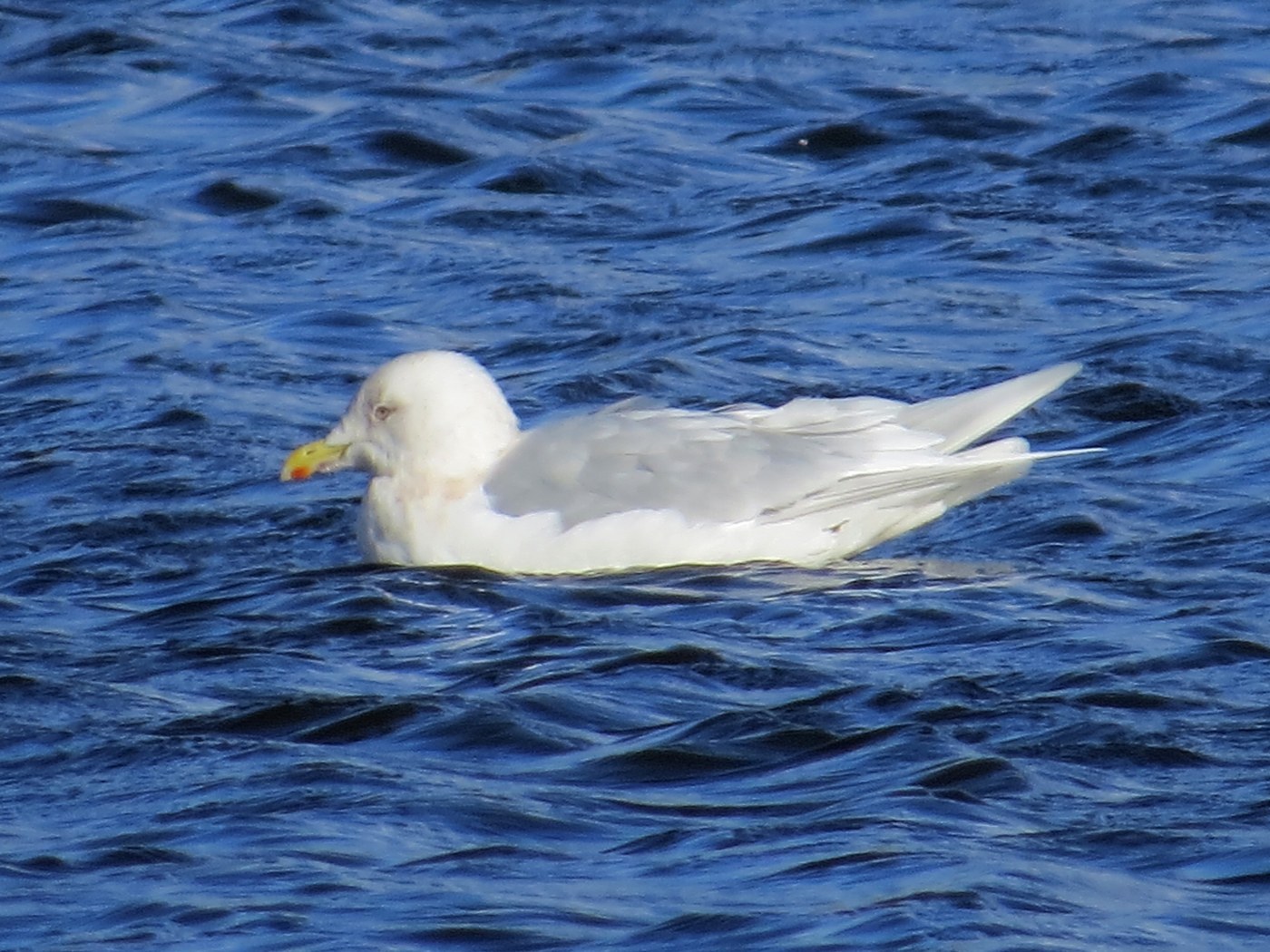
Iceland Gull
Body, flight, and tail feathers

Ring-billed Gull
Body, flight, and tail feathers

Glaucous-winged Gull
Body, flight, and tail feathers

Herring Gull
Body, flight, and tail feathers

Lesser Black-backed Gull
Body, flight, and tail feathers

California Gull
Body, flight, and tail feathers
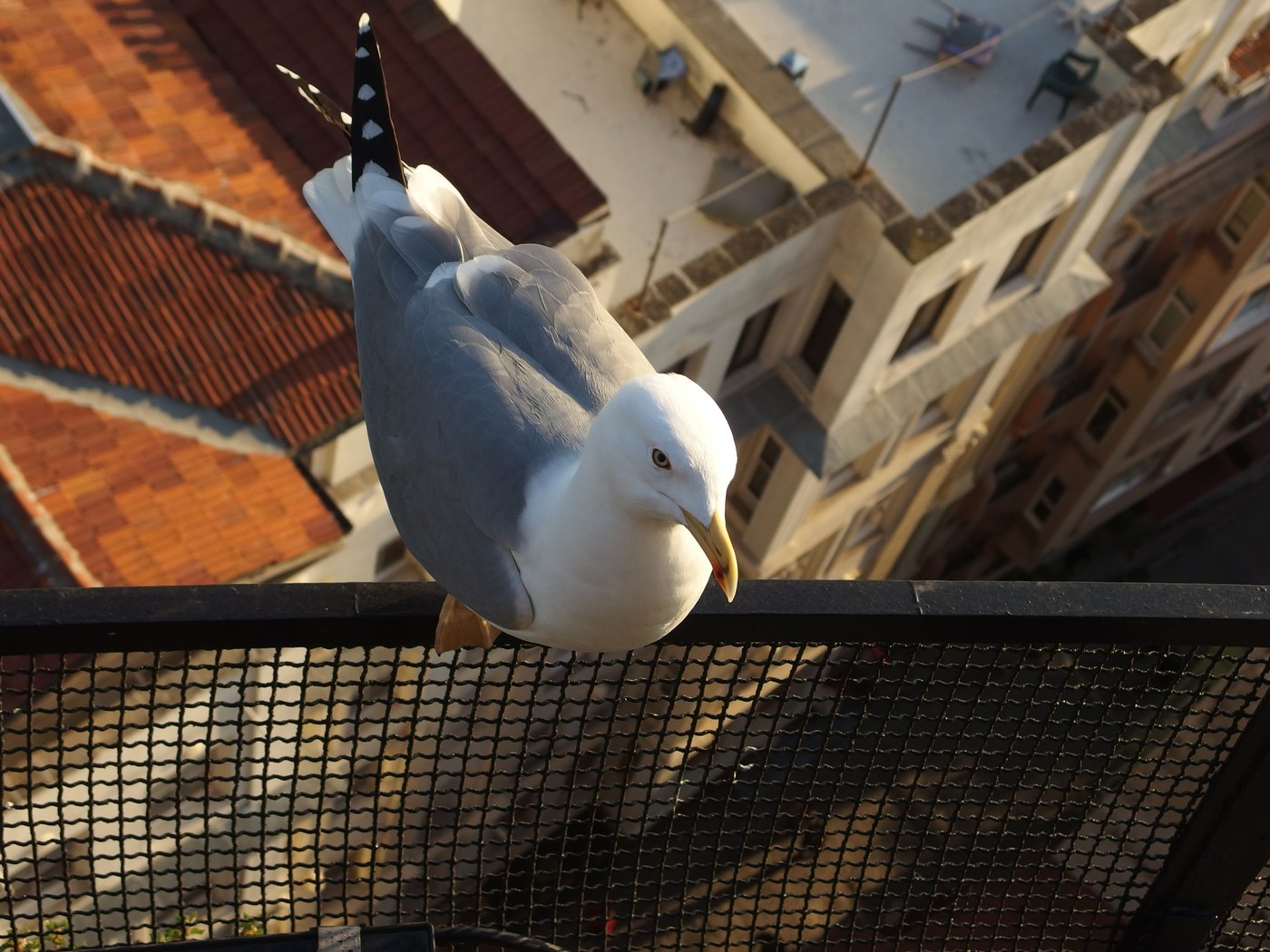
Yellow-legged Gull
Body, wing covert, and flight feathers