
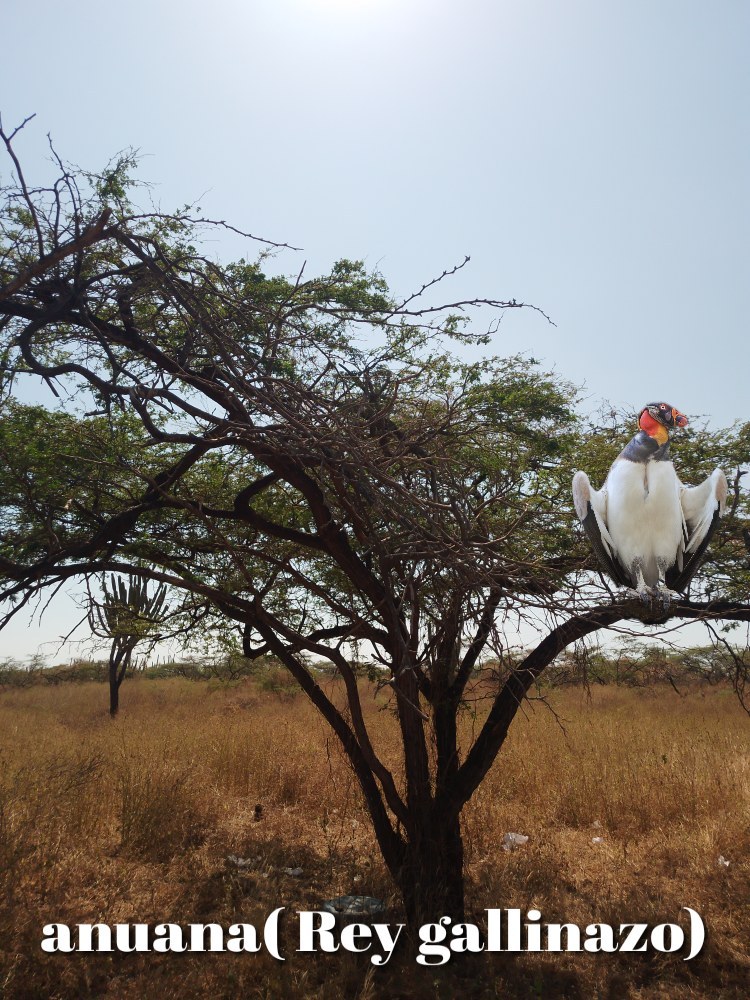
King Vulture
Sarcoramphus papa
A striking tropical vulture with mostly creamy white plumage, jet-black flight and tail feathers, and a vividly multicolored bare head.
- Feather type
- Broad flight feathers; large tail feathers; dense body feathers
- Colours
- Creamy white to pale yellowish body plumage with black flight and tail feathers
- Bird size
- Large raptor, ~67-81 cm
Found a feather like this?
Identify any feather from a photo, free.
Overview
The King Vulture is a large, boldly patterned scavenger of lowland tropical forests from southern Mexico through much of South America. Unlike most vultures, its body plumage is a pale creamy white to buff, contrasting sharply with solid black wings and tail.
Its bare head is famous for a riot of colors, including orange, yellow, purple, and red, along with a fleshy orange comb, though this coloring is only visible on the living bird and not reflected in feather color.
The strong contrast between pale body feathers and black flight feathers makes it one of the more visually striking vultures to identify from a feather.
Identifying the Feather
Shape and Size
Flight feathers are broad and long, appropriate for a large soaring bird; tail feathers are sturdy and moderately long with a squared tip.
Color and Pattern
- Body and covert feathers: creamy white to pale buff, occasionally with a faint grayish tinge
- Flight feathers (primaries and secondaries): solid glossy black
- Tail feathers: solid black
- Neck ruff: grayish-black, forming a collar at the base of the neck
- Shafts: pale on the white feathers, dark on the black ones
Distinguishing from Similar Species
The pale creamy-white body feathers combined with solid black wings and tail are distinctive from the mostly gray Griffon or Cinereous Vultures of the Old World and from the mostly black New World vultures like the Turkey and Black Vulture, none of which show this pale body coloring.
Plumage & Molt
Adults show creamy white to buff body plumage with black flight and tail feathers and a dark neck ruff; sexes look similar. Juveniles are mostly dark grayish-black overall and take several years to acquire the pale adult body plumage.
Molt proceeds gradually, tracking the gradual multi-year transition from dark juvenile plumage to the pale adult pattern.
Habitat & Range
Found in lowland tropical forests, forest edges, and adjacent savanna from southern Mexico through Central America and into South America as far south as northern Argentina.
The species is generally resident, moving locally in response to food availability rather than undertaking long migrations.
Behavior & Field Notes
Feeds on carrion, often being one of the first and most dominant species at a carcass due to its size and strong bill, capable of tearing through tough hide that smaller vultures cannot open.
Nests on the ground or in tree cavities in remote forest, without building a stick structure. Largely silent apart from occasional hisses and grunts.
A creamy white body feather paired with solid black flight or tail feathers, found in lowland tropical forest of Central or South America, is a strong indication of this species.
Frequently asked questions
What is the most distinctive feather clue?
The strong contrast between pale creamy-white body feathers and solid black flight and tail feathers is unusual among vultures and is the best clue for this species.
Do juvenile feathers look the same as adult feathers?
No, juveniles are mostly dark grayish-black and only gradually acquire the pale body plumage of adults over several years.
Where would this feather likely be found?
Lowland tropical forest or adjacent savanna from southern Mexico through Central America and much of South America.
Does the colorful head affect feather identification?
No, the head is bare skin rather than feathered, so its color is not reflected in any feather but can help identify a live bird.
King Vulture guides
In-depth guides for identifying and understanding King Vulture.
Other feathers you may enjoy

Australian Hobby
Long, narrow pointed flight feathers; slender tail feathers

California Condor
Massive flight feathers; long broad primaries; large tail feathers

Brown Falcon
Broad, rounded flight feathers; variable-toned contour feathers
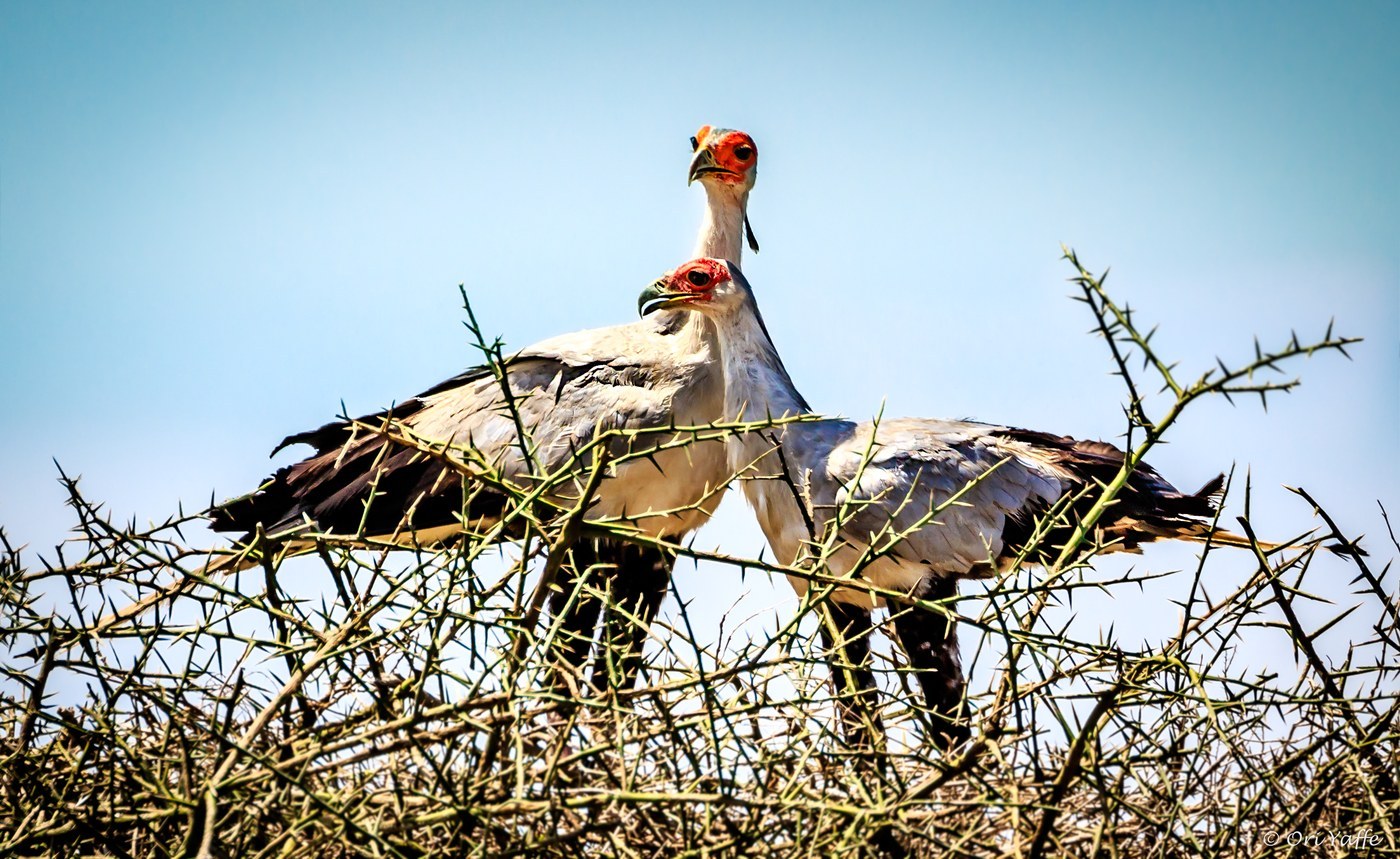
Secretarybird
Long crest feathers; broad flight feathers; elongated central tail feathers

Orange-breasted Falcon
Broad-based pointed flight feathers; bold breast and belly feathers
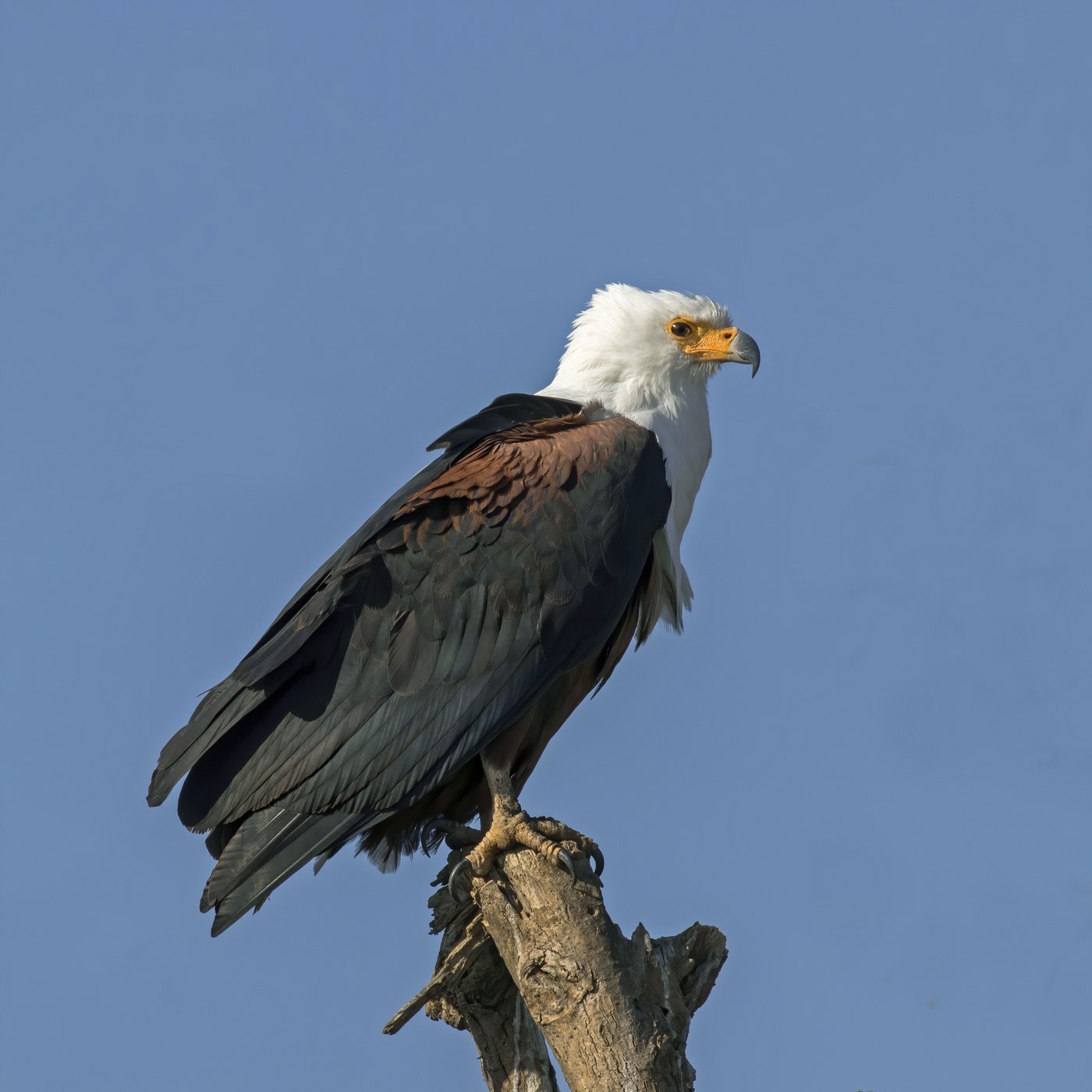
African Fish Eagle
Flight, tail, and body feathers

Amur Falcon
Slender pointed flight feathers; soft slate or orange-buff contour feathers
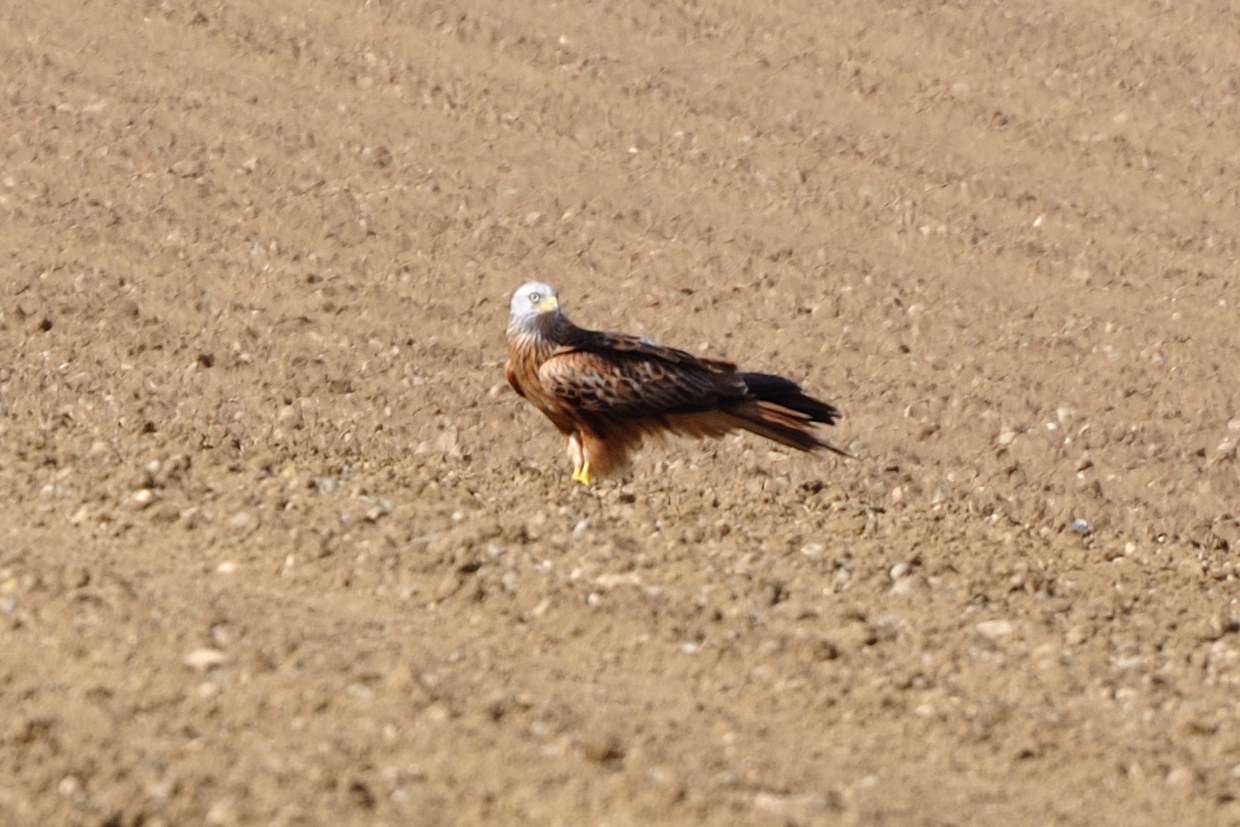
Red Kite
Flight (wing) and tail feathers
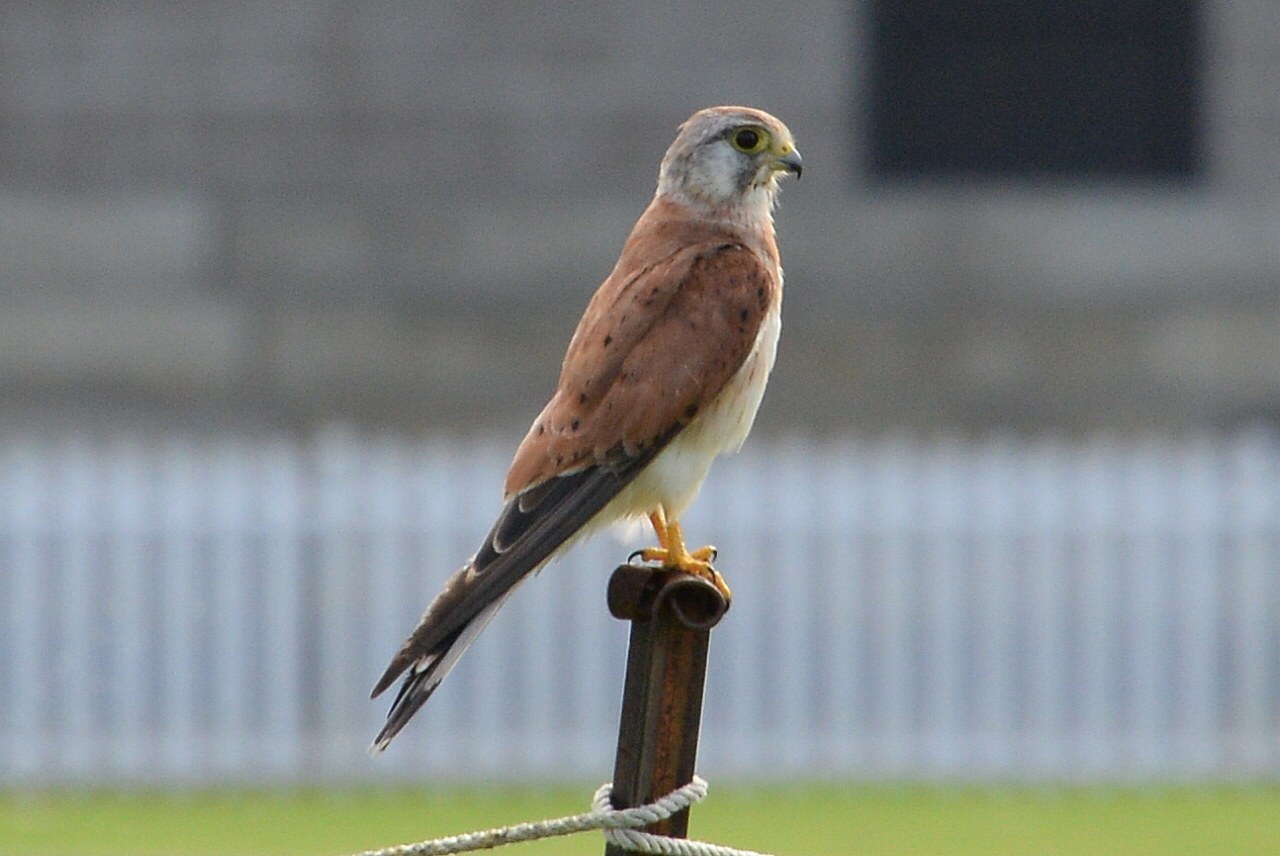
Nankeen Kestrel
Slim pointed flight feathers; lightly marked contour feathers

Andean Condor
Massive flight feathers; broad primaries and secondaries; sturdy tail feathers

Plumbeous Forest Falcon
Short rounded flight feathers; finely barred tail feathers

Sooty Falcon
Long pointed flight feathers; slim tail feathers