

Jungle Crow
Corvus culminatus
A robust, all-black crow of the Indian subcontinent, closely related to the Large-billed Crow but generally found in more southerly regions.
- Feather type
- Contour and flight feathers
- Colours
- Uniform glossy black
- Bird size
- Large crow, ~48 cm
Found a feather like this?
Identify any feather from a photo, free.
Overview
Overview
The Jungle Crow is a large corvid found across peninsular India and Sri Lanka, closely related to and once considered part of the same species as the Large-billed Crow found further east and north in Asia. It is a familiar bird across much of its range, often seen alongside the smaller House Crow.
Its heavy build and deep bill distinguish it from the more slender House Crow, though it lacks any grey collar.
Identifying the Feather
Feather Identification
Feathers are uniformly glossy black with a purple-blue sheen, without any pale or grey patches.
- Flight feathers: Broad, sturdy primaries and secondaries reflecting the bird's heavier build compared to House Crow.
- Tail feathers: Squared, glossy black tail feathers.
- Overall size: Feathers run noticeably larger than those of the House Crow, matching its bulkier frame.
- Similar species: Distinguished from House Crow by lacking the grey neck and breast patch; very similar to Large-billed Crow, with range serving as the main distinguishing factor.
Plumage & Molt
Plumage Notes
Adults are entirely glossy black with a strong sheen on the head and upperparts. Juveniles appear duller and browner-black before acquiring full adult gloss.
Sexes are alike in plumage. The species undergoes a complete annual molt after breeding.
Habitat & Range
Habitat & Range
Jungle Crows occupy a wide range of habitats including forest edges, farmland, villages, and cities across peninsular India and Sri Lanka. They are more often found in urban environments in some areas, often alongside the House Crow.
The species is resident throughout its range, without significant migratory movement.
Behavior & Field Notes
Behavior & Field Notes
This crow is social and adaptable, often forming loose groups around food sources such as farmland or urban refuse. Its diet is broad and opportunistic.
Nests are bulky stick platforms placed in tall trees. Calls are deep, harsh caws, generally lower-pitched than the House Crow's flatter call. Its larger size and all-black plumage compared to the House Crow are useful field cues where the two species co-occur.
Frequently asked questions
How can Jungle Crow feathers be told apart from House Crow feathers?
Jungle Crow feathers are uniformly glossy black and noticeably larger, while House Crow feathers show a contrasting pale grey patch on the neck and breast.
Is the Jungle Crow the same as the Large-billed Crow?
The two were once considered a single species; they are closely related but are now generally treated separately, with the Jungle Crow found in India and Sri Lanka.
Where does the Jungle Crow live?
It is found across peninsular India and Sri Lanka, in forest edges, farmland, villages, and cities.
What color are Jungle Crow feathers?
Entirely glossy black with a blue-purple sheen, without any pale patches.
Jungle Crow guides
In-depth guides for identifying and understanding Jungle Crow.

Jungle Crow identified by the community
Real feathers identified with Feather Identifier.

Other feathers you may enjoy

Yellow-billed Magpie
Contour, wing, and tail feathers

White-throated Magpie-Jay
Contour, wing, and tail feathers

White-necked Crow
Contour and flight feathers

Slender-billed Crow
Contour and flight feathers

Sinaloa Crow
Contour and flight feathers

Siberian Jay
Contour, wing, and tail feathers

Yellow-billed Blue Magpie
Contour, wing, and tail feathers
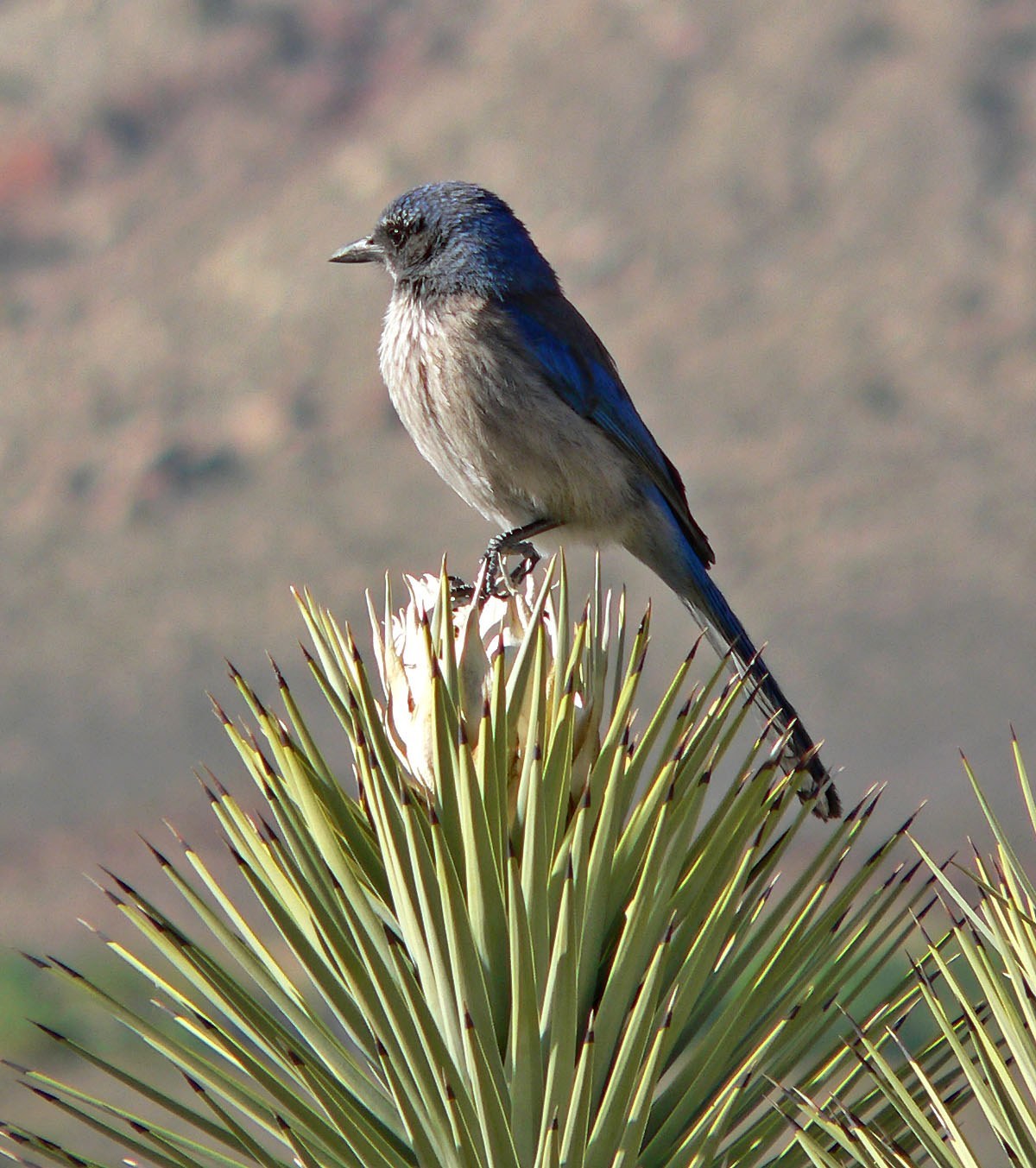
Woodhouse's Scrub-Jay
Contour and flight feathers
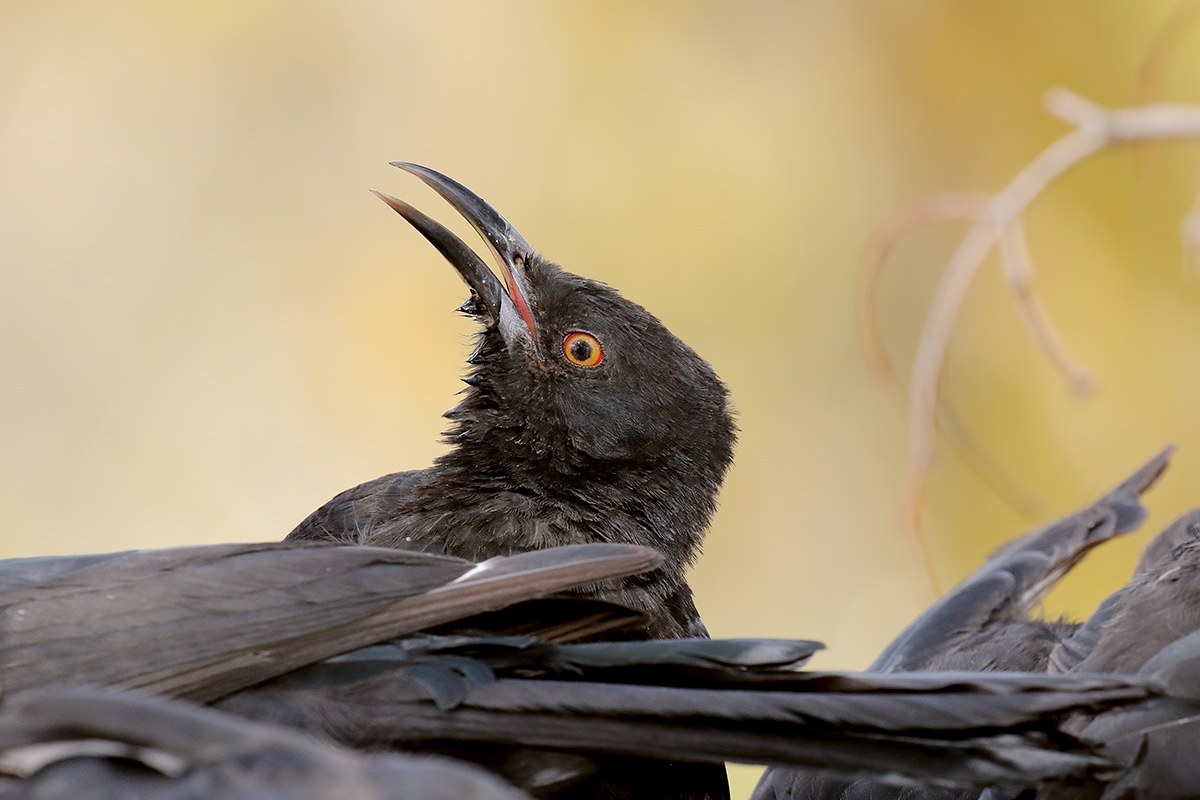
White-winged Chough
Contour and flight feathers

Rufous Treepie
Long, graduated tail feathers; loose body contour feathers

Thick-billed Raven
Contour and flight feathers
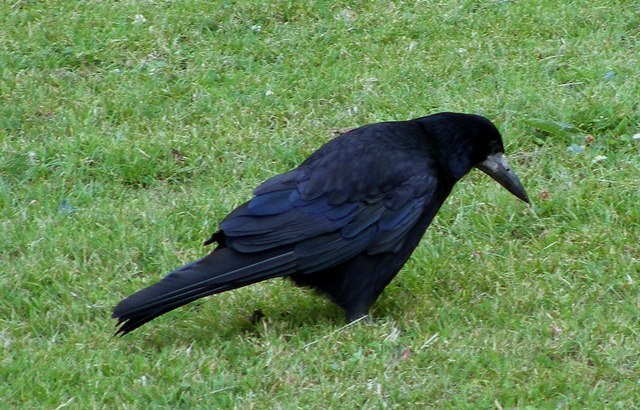
Rook
Glossy purple-black flight and body feathers; loose, shaggy thigh (leg) feathers