

Iberian Magpie
Cyanopica cooki
A pastel-toned corvid of the Iberian Peninsula, near-identical in plumage to its Asian relative but found only in Spain and Portugal.
- Feather type
- Contour, wing, and tail feathers
- Colours
- Soft grey body, black cap, pale throat, and azure-blue wings and tail
- Bird size
- Dove- to jay-sized with a long tail, ~31-35 cm including tail
Found a feather like this?
Identify any feather from a photo, free.
Overview
The Iberian Magpie occupies open woodland and farmland across Spain and Portugal, its range widely separated from the similar Azure-winged Magpie of East Asia. The two were long treated as a single species, and their plumage remains virtually indistinguishable, but genetic and distributional evidence now supports separating them.
It is typically encountered in noisy, active flocks moving through cork oak groves, pine stands, and farmland edges.
Identifying the Feather
- Body contour feathers are soft pale grey, similar in tone to the Azure-winged Magpie, with a black cap covering the crown and nape
- Wing feathers show the same striking azure-blue coloring, a hallmark of this genus and unusual among corvids generally
- Tail feathers are long and graduated, azure blue with pale tips on the outer feathers
- Feathers are essentially identical to the Azure-winged Magpie's, so location is the most reliable way to distinguish the two without genetic testing
Plumage & Molt
Sexes are alike in plumage. Juveniles show a duller, browner-grey body and a less sharply defined black cap that becomes crisper with age. One complete molt occurs annually after the breeding season.
Habitat & Range
- Found only in the Iberian Peninsula, across Spain and Portugal, with a disjunct range far from its Asian relative
- Favors cork oak woodland, pine groves, olive groves, and farmland with scattered trees
- Resident year-round, with local flock movements tied to food availability rather than migration
Behavior & Field Notes
Iberian Magpies are gregarious, moving in active flocks and often nesting cooperatively, with helpers assisting parents at some nests. They feed on insects, acorns, fruit, and small animals, foraging both on the ground and among tree branches. Calls are soft, chattering notes used to keep flock members in contact, and nests are built as open cups placed in trees, sometimes in loose colonies.
Frequently asked questions
How is this feather different from an Azure-winged Magpie's?
The plumage is essentially identical in color and pattern; the two species are best told apart by location, since the Iberian Magpie occurs only in Spain and Portugal while the Azure-winged Magpie is found in East Asia.
What gives the wing feathers their blue color?
The azure-blue tone comes from a combination of pigment and feather microstructure, producing a distinctive pastel blue found in few other corvids.
Do juvenile feathers look different from adult ones?
Juveniles show a duller, browner-grey body and a less crisply defined black cap, both of which sharpen as the bird matures.
Where in the world is this species found?
Only in the Iberian Peninsula, across Spain and Portugal, typically in cork oak woodland, pine groves, and farmland with scattered trees.
Iberian Magpie guides
In-depth guides for identifying and understanding Iberian Magpie.

Other feathers you may enjoy

Yellow-billed Magpie
Contour, wing, and tail feathers

White-throated Magpie-Jay
Contour, wing, and tail feathers

White-necked Crow
Contour and flight feathers

Slender-billed Crow
Contour and flight feathers

Sinaloa Crow
Contour and flight feathers

Siberian Jay
Contour, wing, and tail feathers

Yellow-billed Blue Magpie
Contour, wing, and tail feathers
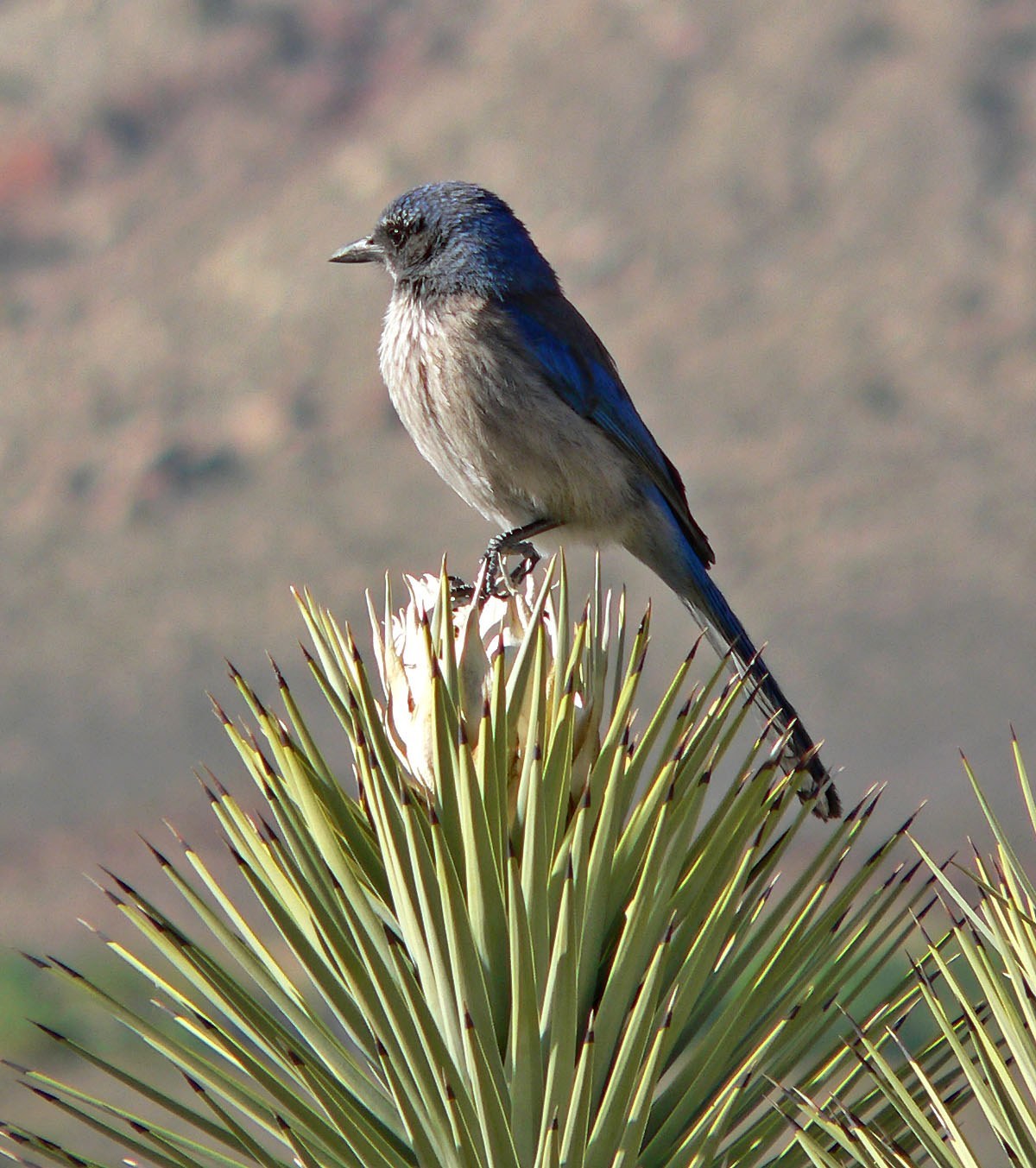
Woodhouse's Scrub-Jay
Contour and flight feathers
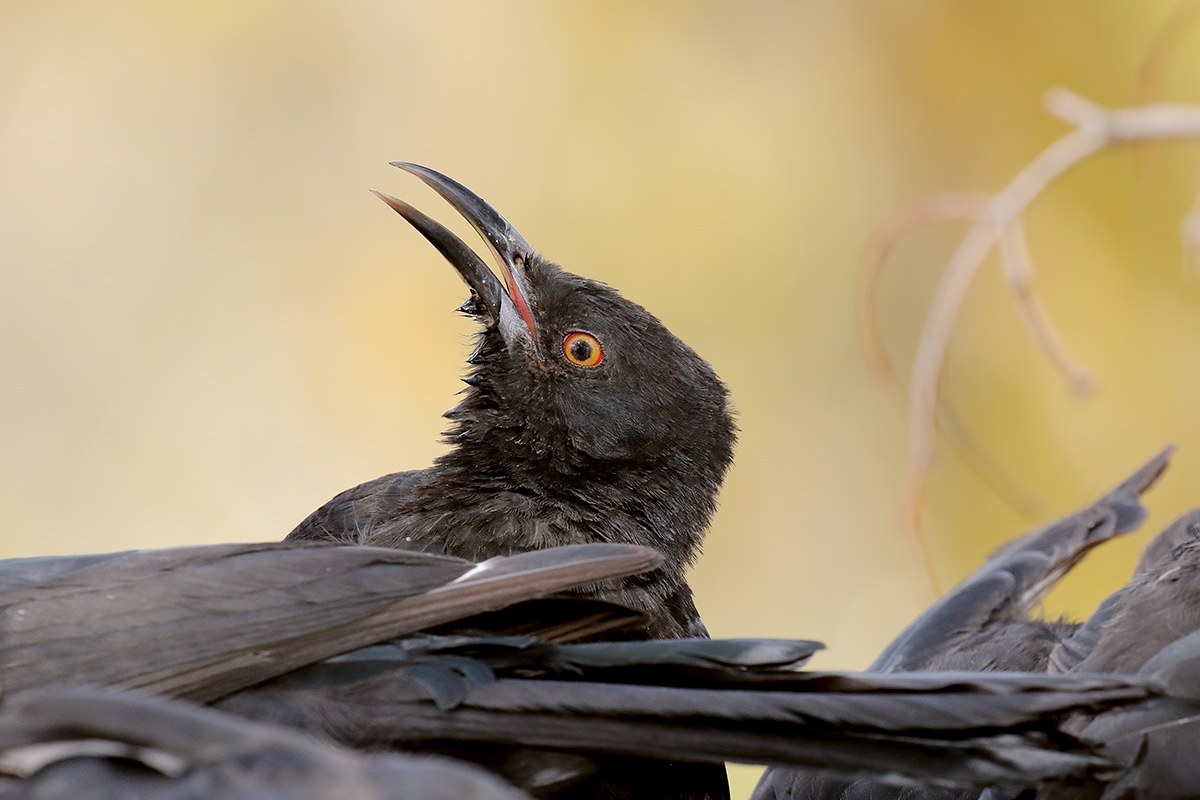
White-winged Chough
Contour and flight feathers

Rufous Treepie
Long, graduated tail feathers; loose body contour feathers

Thick-billed Raven
Contour and flight feathers
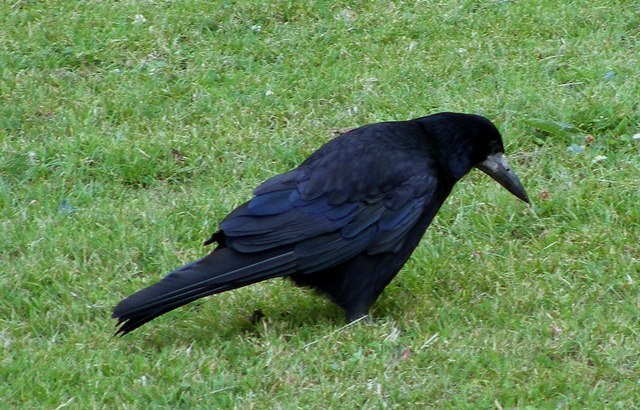
Rook
Glossy purple-black flight and body feathers; loose, shaggy thigh (leg) feathers