
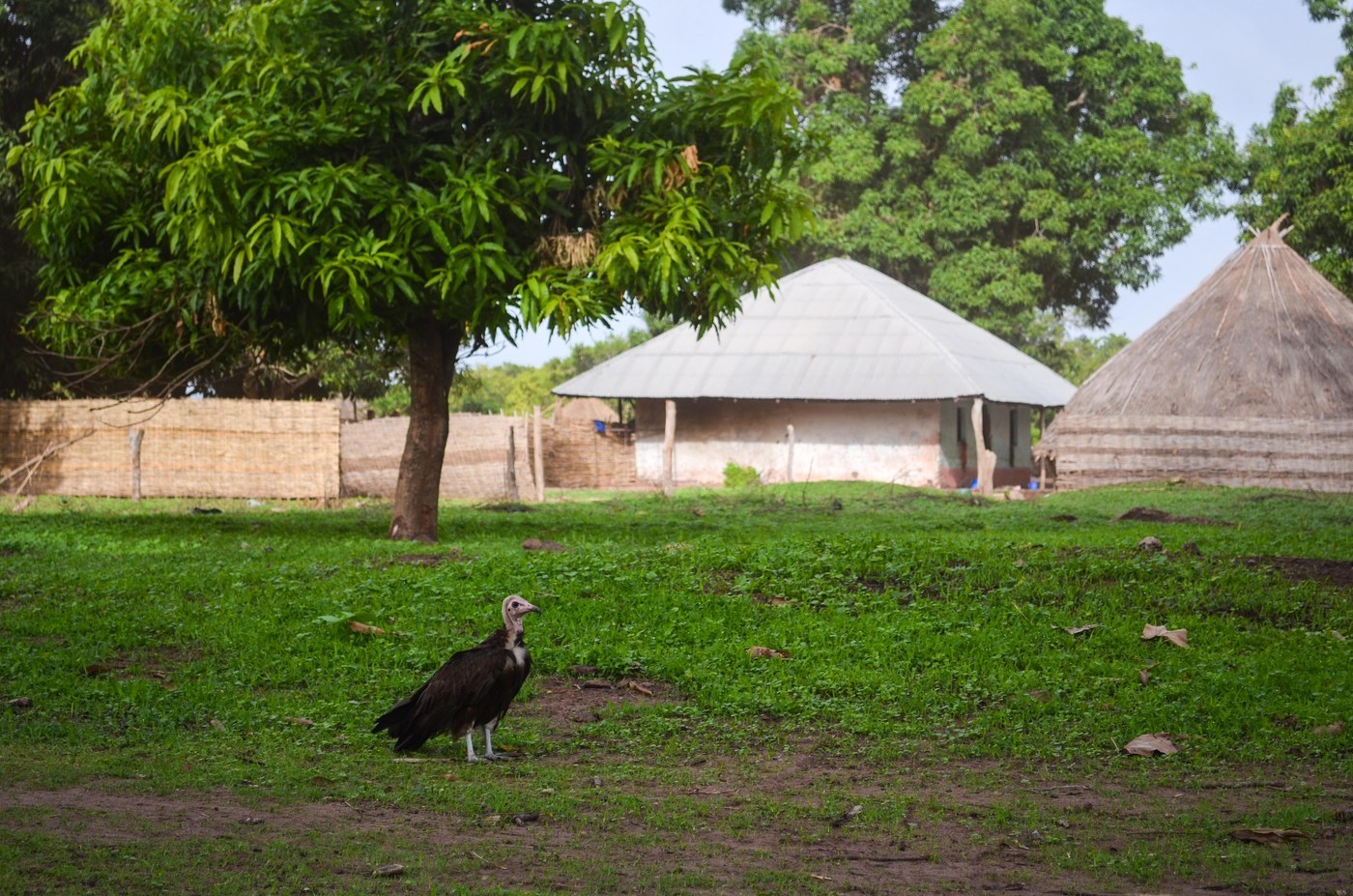
Hooded Vulture
Necrosyrtes monachus
A small, slender African vulture with plain dark brown plumage and a distinctive whitish downy hood of feathers on the head and neck.
- Feather type
- Slender flight feathers; fairly small tail feathers; downy hood feathers
- Colours
- Uniform dark brown plumage with a pale whitish-buff downy hood on the head and nape
- Bird size
- Small vulture, ~62-72 cm
Found a feather like this?
Identify any feather from a photo, free.
Overview
The Hooded Vulture is a small, slender vulture widespread across sub-Saharan Africa, often closely associated with human settlements, markets, and slaughterhouses where it forages for scraps. Its plumage is largely plain dark brown, without the bold pattern seen in some other African vultures.
A thin covering of whitish-buff down on the head and nape gives the species its common name, contrasting subtly with its darker body feathers.
Because it is smaller and less bulky than most other African vultures, its feathers are correspondingly smaller and narrower.
Identifying the Feather
Shape and Size
Flight feathers are relatively slender and the tail comparatively short, reflecting its smaller, more lightly built frame compared to larger African vultures.
Color and Pattern
- Body and covert feathers: uniform dark brown
- Flight feathers: dark brown to blackish
- Head and nape down: whitish-buff, fine and sparse rather than a dense ruff
- Shafts: dark
Distinguishing from Similar Species
The combination of small overall feather size and plain, unpatterned dark brown coloring (without white thigh patches, scalloping, or a whitish back patch) distinguishes it from the larger Lappet-faced, Ruppell's, and White-backed Vultures.
Plumage & Molt
Adults are uniform dark brown with a whitish-buff downy head and nape; sexes look alike. Juveniles are similarly dark brown, often slightly darker overall, with less developed head down.
Molt is gradual and not strongly tied to a fixed season across its broad range.
Habitat & Range
Widespread across sub-Saharan Africa in savanna, farmland, and especially areas near towns, markets, and slaughterhouses where food scraps are available.
Most populations are resident, with limited seasonal movement; the species has declined due to poisoning and declining food availability.
Behavior & Field Notes
Forages opportunistically on carrion, offal, and refuse, often around human settlements, and is typically subordinate to larger vulture species at carcasses, picking up scraps after bigger birds have fed.
Nests in trees, usually as solitary pairs. Vocalizations are generally weak, limited to hisses and occasional squeals.
A plain, uniformly dark brown feather of relatively modest size, found near African farmland or settlements, is consistent with this species.
Frequently asked questions
How can I tell this from a larger African vulture feather?
Hooded Vulture feathers are notably smaller and plainer, lacking the scalloping, white back patch, or white thigh patches seen in larger species like Ruppell's, White-backed, or Lappet-faced Vultures.
Where is this species commonly found?
Across sub-Saharan Africa, frequently near human settlements, markets, and slaughterhouses where food scraps are available.
Is this a common or rare species?
Despite once being common and widespread, it has suffered severe declines.
What does the 'hood' refer to?
A covering of fine whitish-buff down on the head and nape, subtly paler than the dark brown body feathers, giving the species its name.
Hooded Vulture guides
In-depth guides for identifying and understanding Hooded Vulture.
Other feathers you may enjoy

Australian Hobby
Long, narrow pointed flight feathers; slender tail feathers

California Condor
Massive flight feathers; long broad primaries; large tail feathers

Brown Falcon
Broad, rounded flight feathers; variable-toned contour feathers
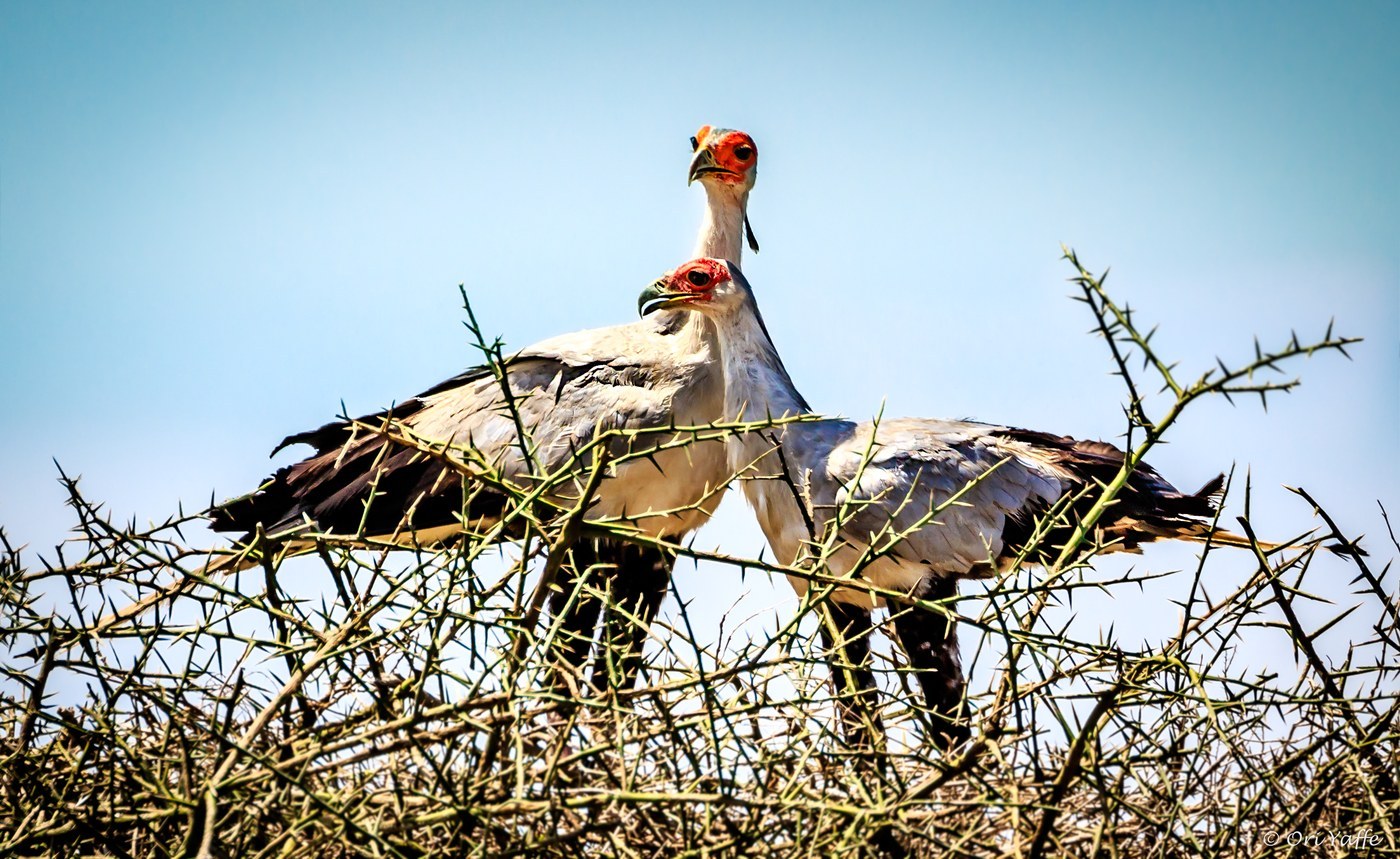
Secretarybird
Long crest feathers; broad flight feathers; elongated central tail feathers

Orange-breasted Falcon
Broad-based pointed flight feathers; bold breast and belly feathers
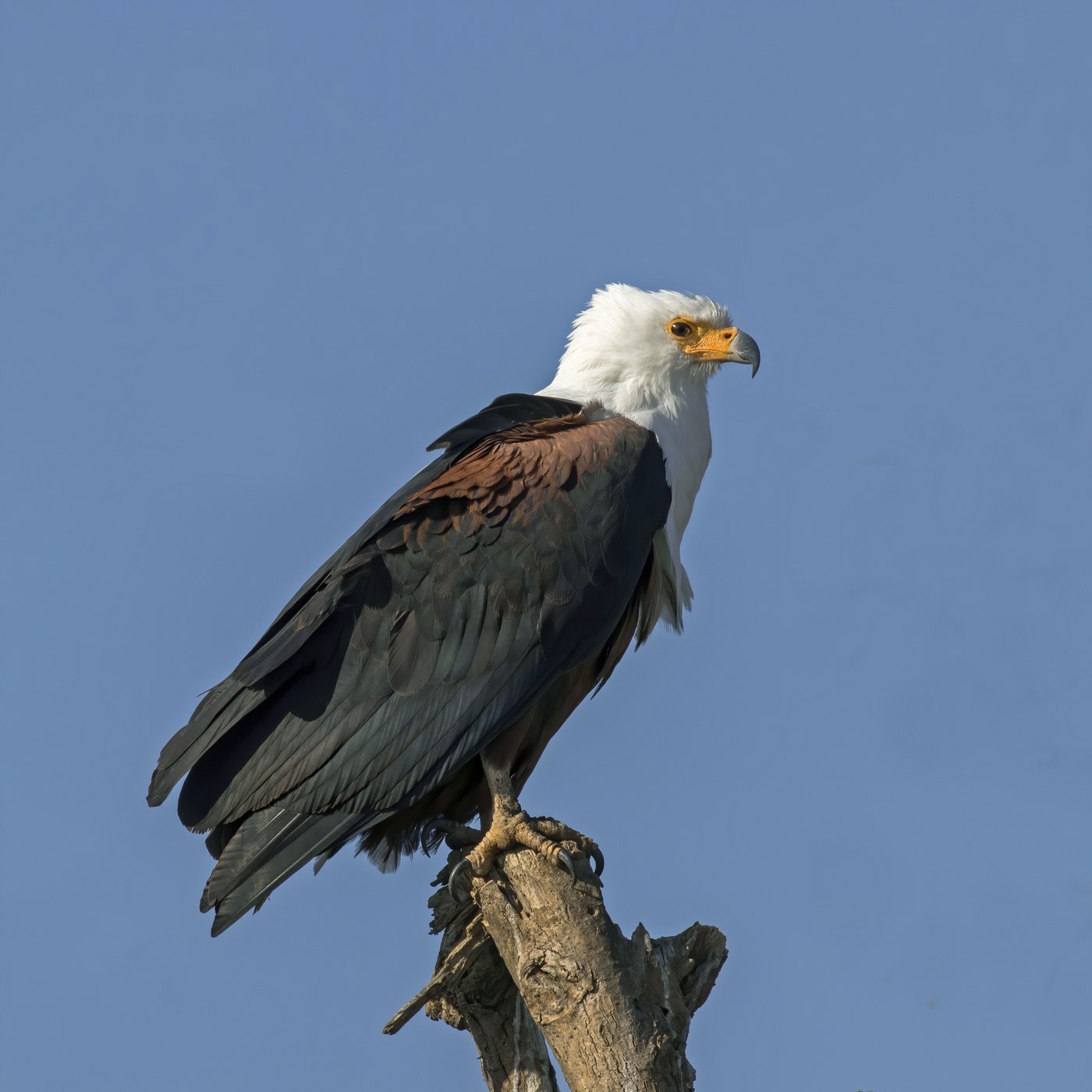
African Fish Eagle
Flight, tail, and body feathers

Amur Falcon
Slender pointed flight feathers; soft slate or orange-buff contour feathers
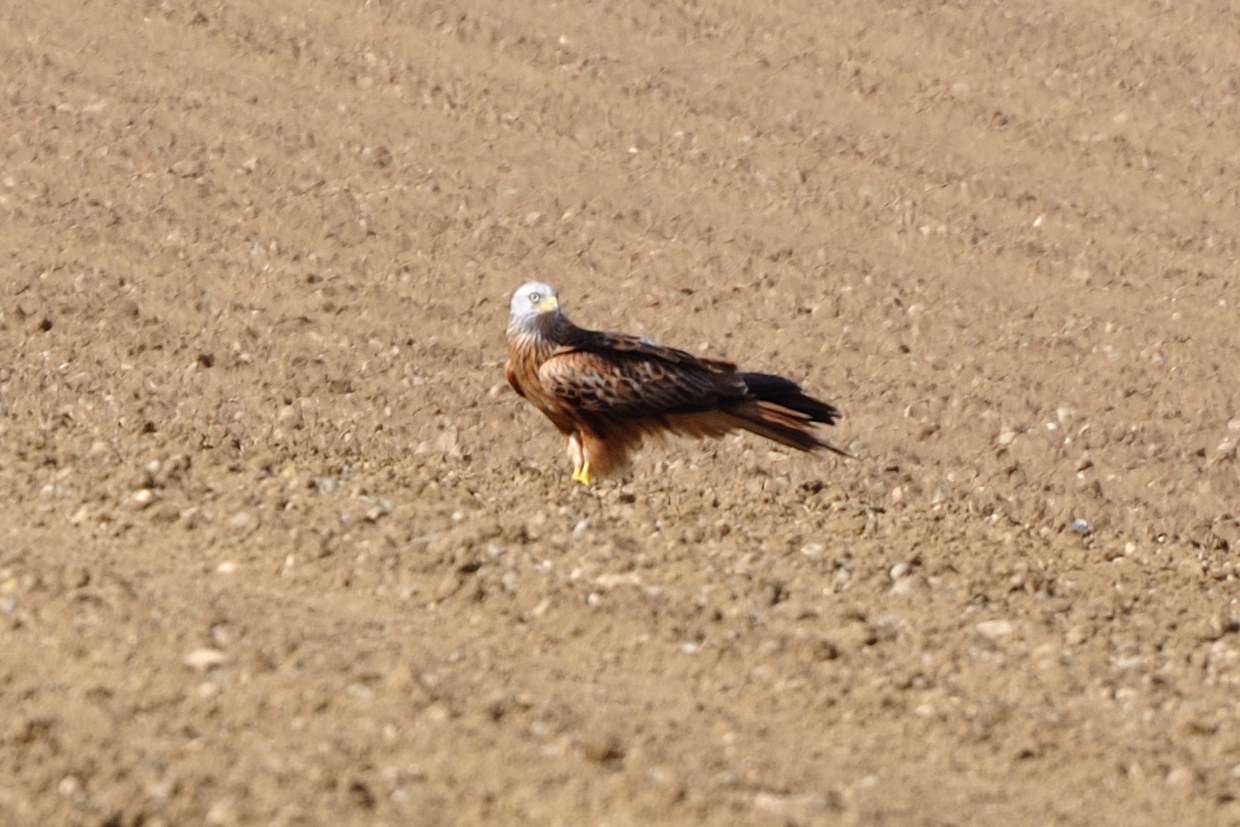
Red Kite
Flight (wing) and tail feathers
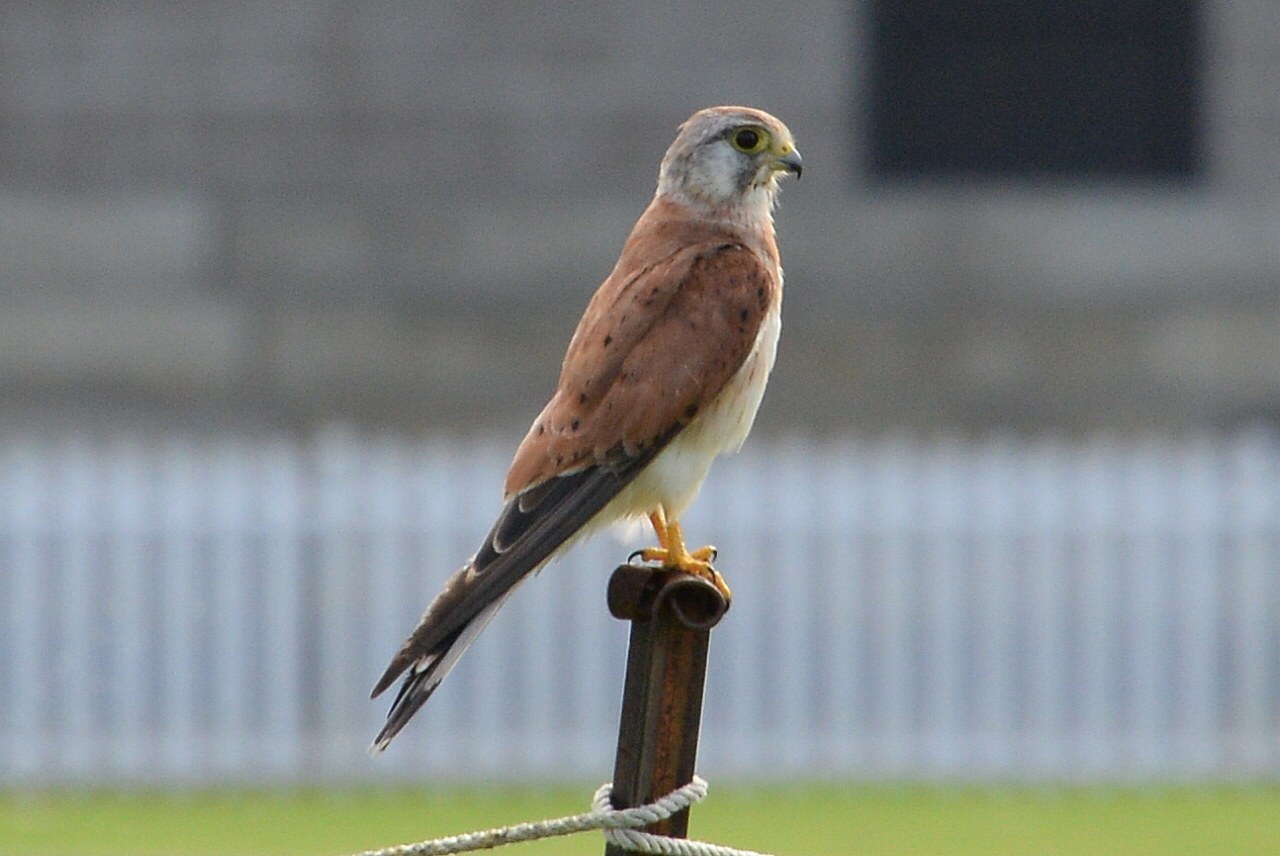
Nankeen Kestrel
Slim pointed flight feathers; lightly marked contour feathers

Andean Condor
Massive flight feathers; broad primaries and secondaries; sturdy tail feathers

Plumbeous Forest Falcon
Short rounded flight feathers; finely barred tail feathers

Sooty Falcon
Long pointed flight feathers; slim tail feathers