

Hooded Crow
Corvus cornix
The grey-and-black counterpart of the Carrion Crow, easily identified by pale ash-grey body feathers contrasting sharply with a black head, wings, and tail.
- Feather type
- Black flight, tail, and head feathers contrasting with pale grey body feathers
- Colours
- Grey body plumage with a black head, throat, wings, and tail
- Bird size
- Large corvid, ~47 cm
Found a feather like this?
Identify any feather from a photo, free.
Overview
The Hooded Crow replaces the Carrion Crow across much of northern, eastern, and parts of southern Europe, and the two species were once considered a single species due to their close relationship and occasional interbreeding along contact zones.
Unlike its all-black relative, the Hooded Crow shows a striking two-tone plumage that makes it one of the easiest corvids in its range to identify from a distance or from a single feather.
A feather from the grey body areas of a Hooded Crow is unmistakable among European corvids, while feathers from the black head, wings, or tail closely resemble those of a Carrion Crow.
Identifying the Feather
Grey body feathers
- Feathers from the back, breast, and belly are pale ash-grey, a color found in no other common European corvid.
- These grey feathers are diagnostic for Hooded Crow whenever found.
Black feathers
- Head, throat, wing, and tail feathers are glossy black with the same blue-purple sheen as a Carrion Crow, and are not separable from that species by color alone.
Size and shape
- Similar in size and shape to Carrion Crow feathers, with broad, rounded flight feather tips.
Confusion species
Only the grey body feathers reliably separate this species from Carrion Crow; black feathers from the head, wing, or tail require habitat and range context to assign with confidence.
Plumage & Molt
Adult Hooded Crows have a black head, throat, wings, and tail contrasting with pale grey plumage on the back, breast, and belly. Males and females look alike.
Juveniles show a similar pattern but with duller, browner-grey body plumage that sharpens with maturity after the first full molt.
Hooded Crows molt completely after the breeding season, typically in summer.
Habitat & Range
Hooded Crows occupy open farmland, coastal areas, moorland, and towns across their range, which includes northern Europe (including Scotland and Scandinavia), much of eastern Europe, and parts of the Middle East.
The species is largely resident, though northern populations may move short distances in harsh winters. Where its range meets that of the Carrion Crow, a narrow hybrid zone exists.
Behavior & Field Notes
Hooded Crows are omnivorous, feeding on invertebrates, small vertebrates, carrion, grain, and human food scraps, foraging much like the Carrion Crow. They are usually seen alone, in pairs, or small groups.
Their call closely resembles the harsh 'kraa' of the Carrion Crow. They build a similar stick nest in trees or, in treeless areas, on cliffs or structures.
Finding a grey body feather alongside black wing or tail feathers in the same location is a strong sign of Hooded Crow, especially within its northern and eastern European range.
Frequently asked questions
What is the easiest way to identify a Hooded Crow feather?
A pale ash-grey body feather is diagnostic, since no other common European corvid shows this grey coloring.
Are all Hooded Crow feathers grey?
No, only the back, breast, and belly feathers are grey; the head, wings, and tail feathers are glossy black like a Carrion Crow's.
Could a black Hooded Crow feather be confused with a Carrion Crow feather?
Yes, feathers from the black areas are essentially identical in color to Carrion Crow feathers, so range and the presence of grey feathers nearby help confirm identification.
Where does the Hooded Crow occur instead of the Carrion Crow?
It replaces the Carrion Crow across northern Europe (including Scotland, Ireland, and Scandinavia), much of eastern Europe, and parts of the Middle East.
Do Hooded Crow and Carrion Crow ever interbreed?
Yes, a narrow hybrid zone exists where their ranges meet, though this is a natural population-level phenomenon rather than something relevant to identifying an individual feather.
Hooded Crow guides
In-depth guides for identifying and understanding Hooded Crow.

Hooded Crow identified by the community
Real feathers identified with Feather Identifier.

Other feathers you may enjoy

Yellow-billed Magpie
Contour, wing, and tail feathers

White-throated Magpie-Jay
Contour, wing, and tail feathers

White-necked Crow
Contour and flight feathers

Slender-billed Crow
Contour and flight feathers

Sinaloa Crow
Contour and flight feathers

Siberian Jay
Contour, wing, and tail feathers

Yellow-billed Blue Magpie
Contour, wing, and tail feathers
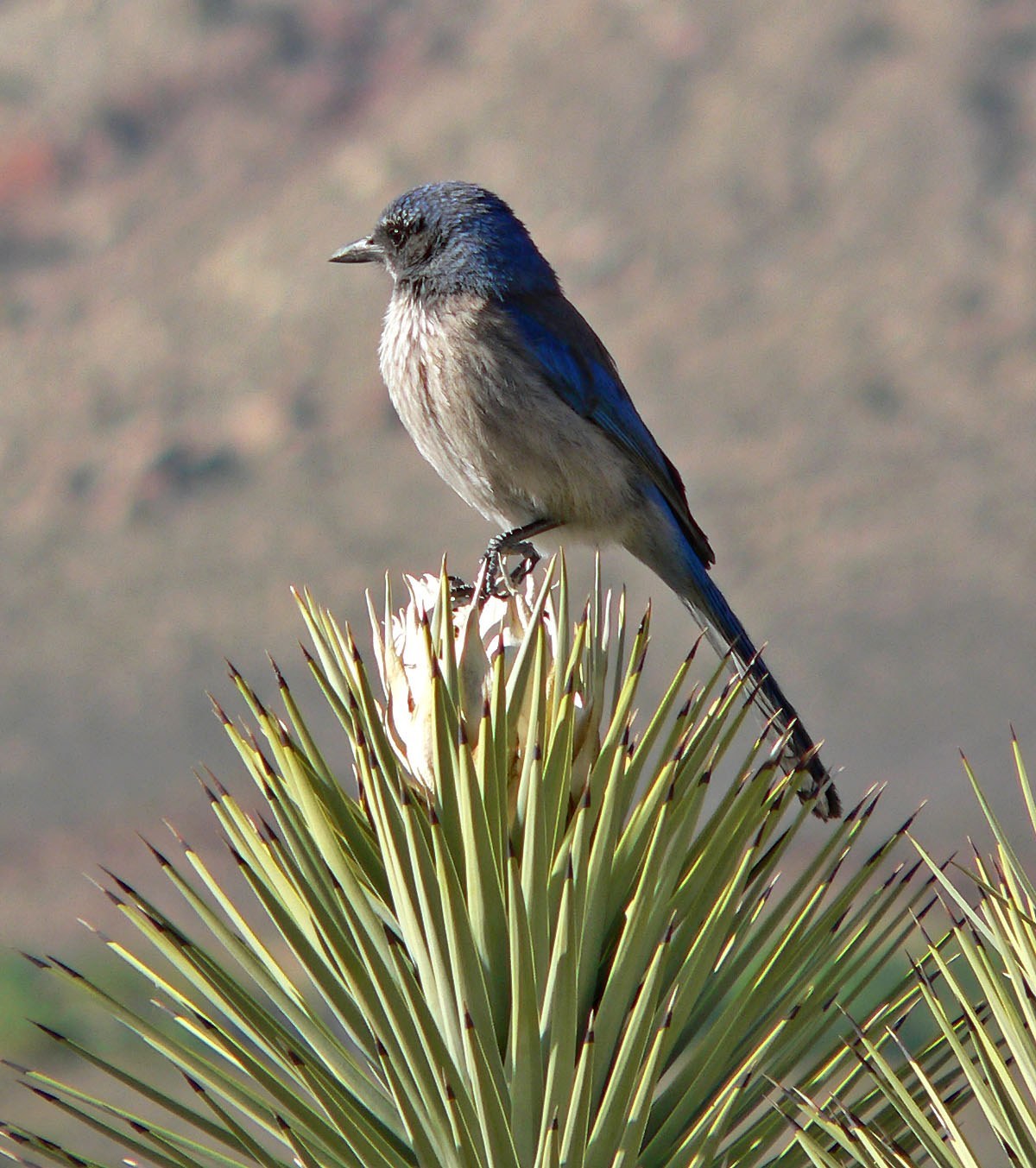
Woodhouse's Scrub-Jay
Contour and flight feathers
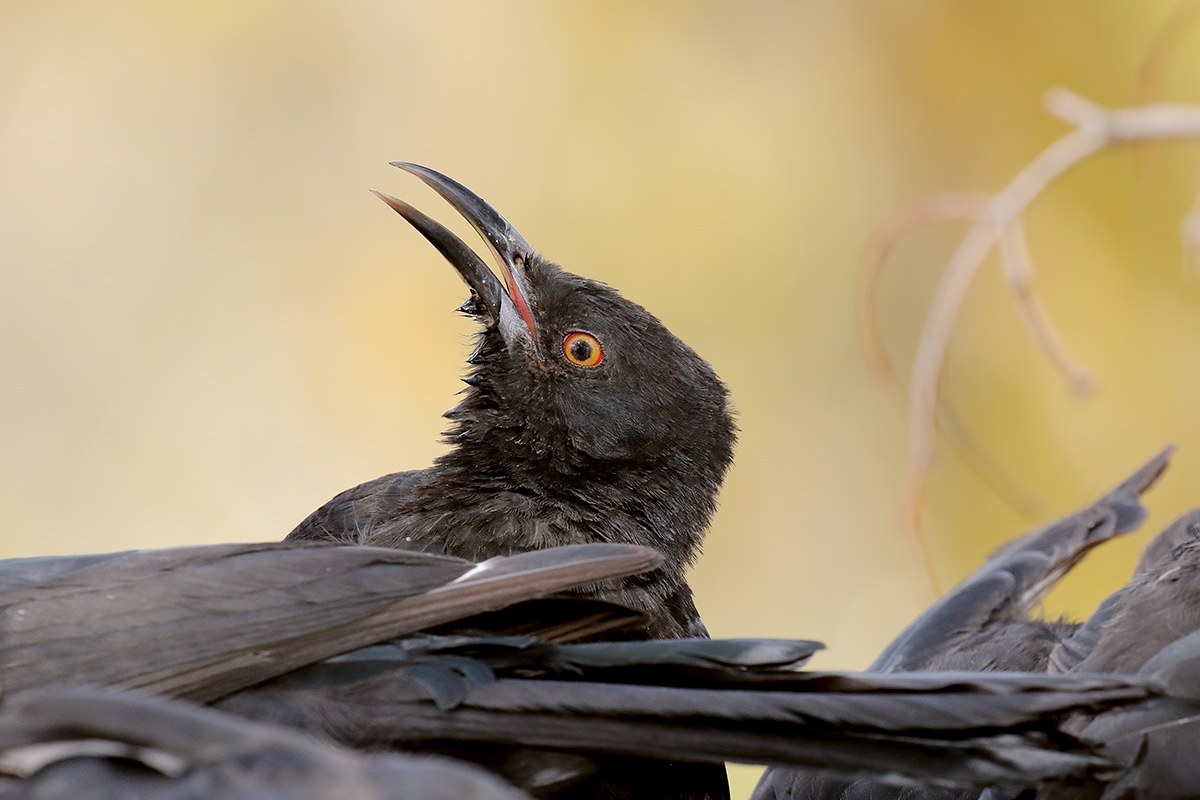
White-winged Chough
Contour and flight feathers

Rufous Treepie
Long, graduated tail feathers; loose body contour feathers

Thick-billed Raven
Contour and flight feathers
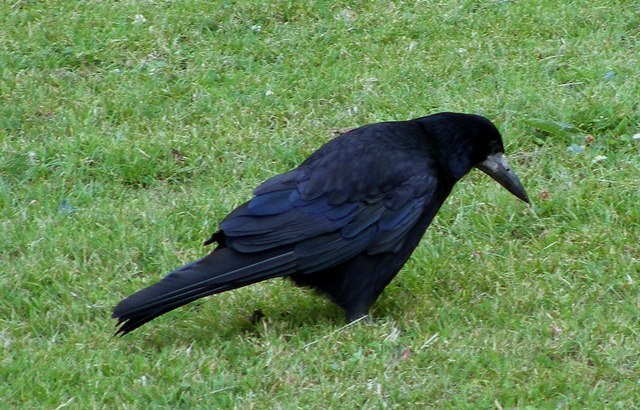
Rook
Glossy purple-black flight and body feathers; loose, shaggy thigh (leg) feathers