

Honey Buzzard
Pernis apivorus
The Honey Buzzard is a highly variable Eurasian raptor specialized in raiding wasp and bee nests, recognizable by its small, pigeon-like head, dense scale-like facial feathers for protection, and boldly banded tail.
- Feather type
- Long, fairly narrow wings with a distinctive small head; long tail with two or three broad dark bands; dense scale-like feathers around the face
- Colours
- Highly variable brown, grey, or pale plumage; underparts range from pale to heavily barred dark brown; tail with bold dark banding pattern
- Bird size
- Medium-large raptor, ~52-60 cm, wingspan around 1.3-1.5 m
Found a feather like this?
Identify any feather from a photo, free.
Overview
Honey Buzzard
The Honey Buzzard, also known as the European Honey-buzzard, is an unusual raptor of Eurasian forests that specializes in digging out and feeding at wasp and bee nests, a highly distinctive habit among birds of prey. Despite its buzzard-like name and buteo-shaped silhouette, it belongs to its own separate group of raptors and shows a small, narrow, pigeon-like head quite unlike a typical hawk's.
Its plumage is extremely variable between individuals, ranging from pale to very dark, making the boldly banded tail one of the more consistent identification features across this variation.
Identifying the Feather
Identifying Honey Buzzard Feathers
- Primaries/secondaries: long and fairly broad, brown above, variably barred below depending on individual color variation.
- Tail feathers: distinctive, typically showing two or three bold, well-separated dark bands on a paler ground, a pattern more widely spaced than in true buzzards (Buteo species).
- Facial feathers: small, dense, scale-like feathers around the lores and face, thought to help protect against insect stings while raiding nests.
- Body feathers: highly variable in color from pale cream to dark chocolate-brown, sometimes barred, sometimes largely plain, making overall plumage tone unreliable alone for identification.
- The widely spaced, bold tail banding combined with the small-headed silhouette are the most useful clues separating this species from true Buteo buzzards.
Plumage & Molt
Plumage
Plumage in this species is unusually variable, with individuals ranging from pale, whitish-headed birds to dark, heavily barred morphs, and everything in between; males often show a greyer head than females. The tail generally shows two or three broad, evenly spaced dark bands regardless of overall color variation. Juveniles differ further, often with a darker eye and different underwing pattern than adults, developing full adult characteristics over a couple of years.
Habitat & Range
Habitat & Range
Breeds across deciduous and mixed forest, especially near clearings and open areas, throughout much of Europe and into western Asia. A long-distance migrant, it winters in tropical Africa, undertaking one of the more notable raptor migrations across the Mediterranean and Sahara.
Behavior & Field Notes
Behavior & Field Notes
Honey Buzzards feed largely by digging out the nests of wasps and bees to access the larvae within, a specialized behavior aided by dense facial feathering for protection. They nest in forest trees, often reusing old nests of other raptors. Generally quiet outside the breeding season. A boldly and evenly banded tail feather with widely spaced dark bars, found near deciduous forest with clearings, is a useful clue pointing toward this species, especially given how variable its overall body plumage color can be.
Frequently asked questions
Why is Honey Buzzard plumage so hard to use for identification?
The species shows extreme individual variation from pale to very dark morphs, so relying on the bold, evenly spaced tail banding is generally more reliable than overall body feather color.
What is unusual about this raptor's feeding habits?
It specializes in digging out wasp and bee nests to access the larvae, a highly unusual food source among birds of prey, aided by dense protective facial feathers.
How can I tell a Honey Buzzard feather from a true buzzard (Buteo) feather?
Honey Buzzard tail feathers typically show fewer, more widely and evenly spaced dark bands than the tails of true Buteo buzzards found in the same range.
Is this species migratory?
Yes, it is a long-distance migrant, breeding in Europe and western Asia and wintering in tropical Africa, crossing major geographic barriers during migration.
Honey Buzzard guides
In-depth guides for identifying and understanding Honey Buzzard.

Other feathers you may enjoy

Australian Hobby
Long, narrow pointed flight feathers; slender tail feathers

California Condor
Massive flight feathers; long broad primaries; large tail feathers

Brown Falcon
Broad, rounded flight feathers; variable-toned contour feathers
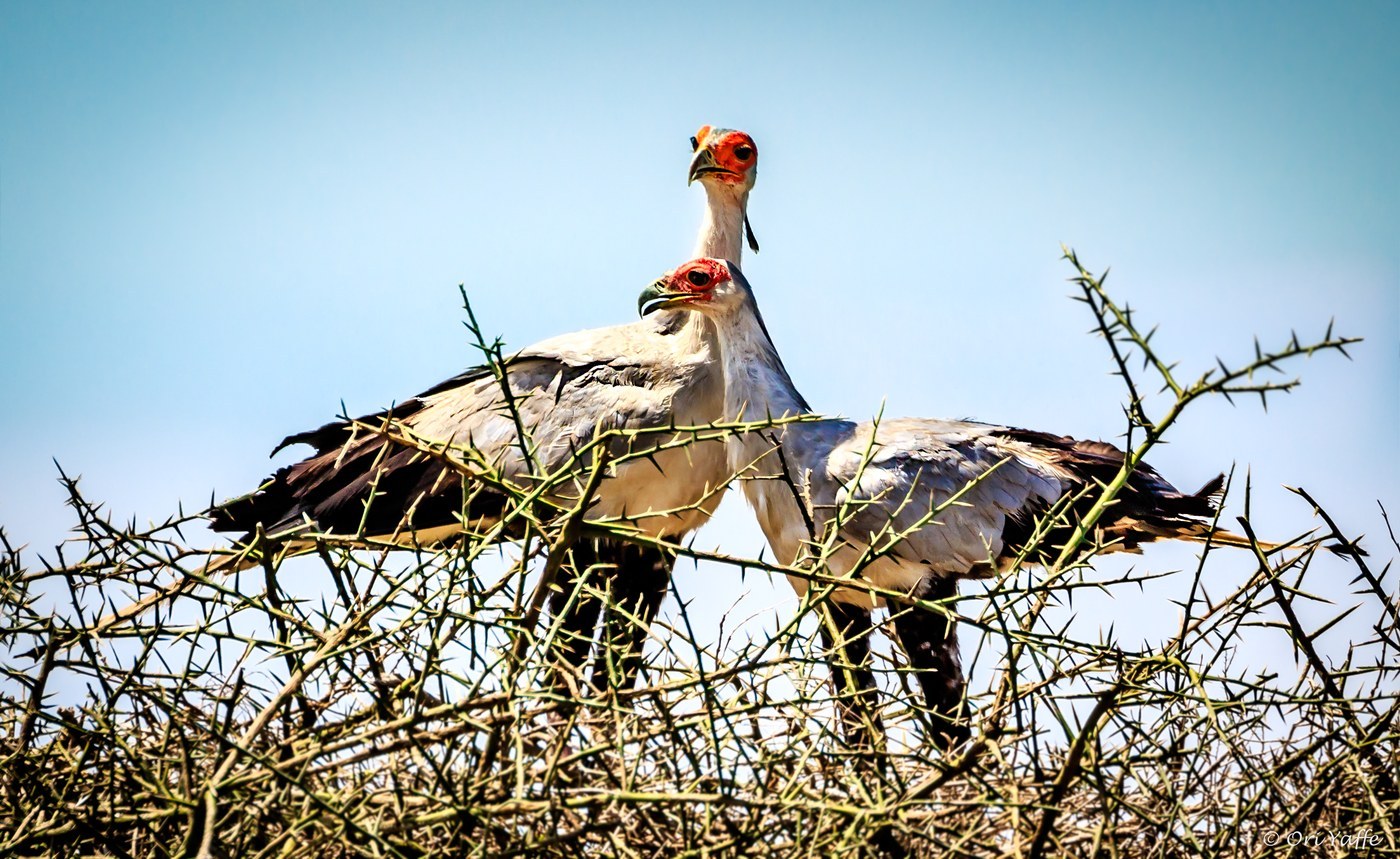
Secretarybird
Long crest feathers; broad flight feathers; elongated central tail feathers

Orange-breasted Falcon
Broad-based pointed flight feathers; bold breast and belly feathers
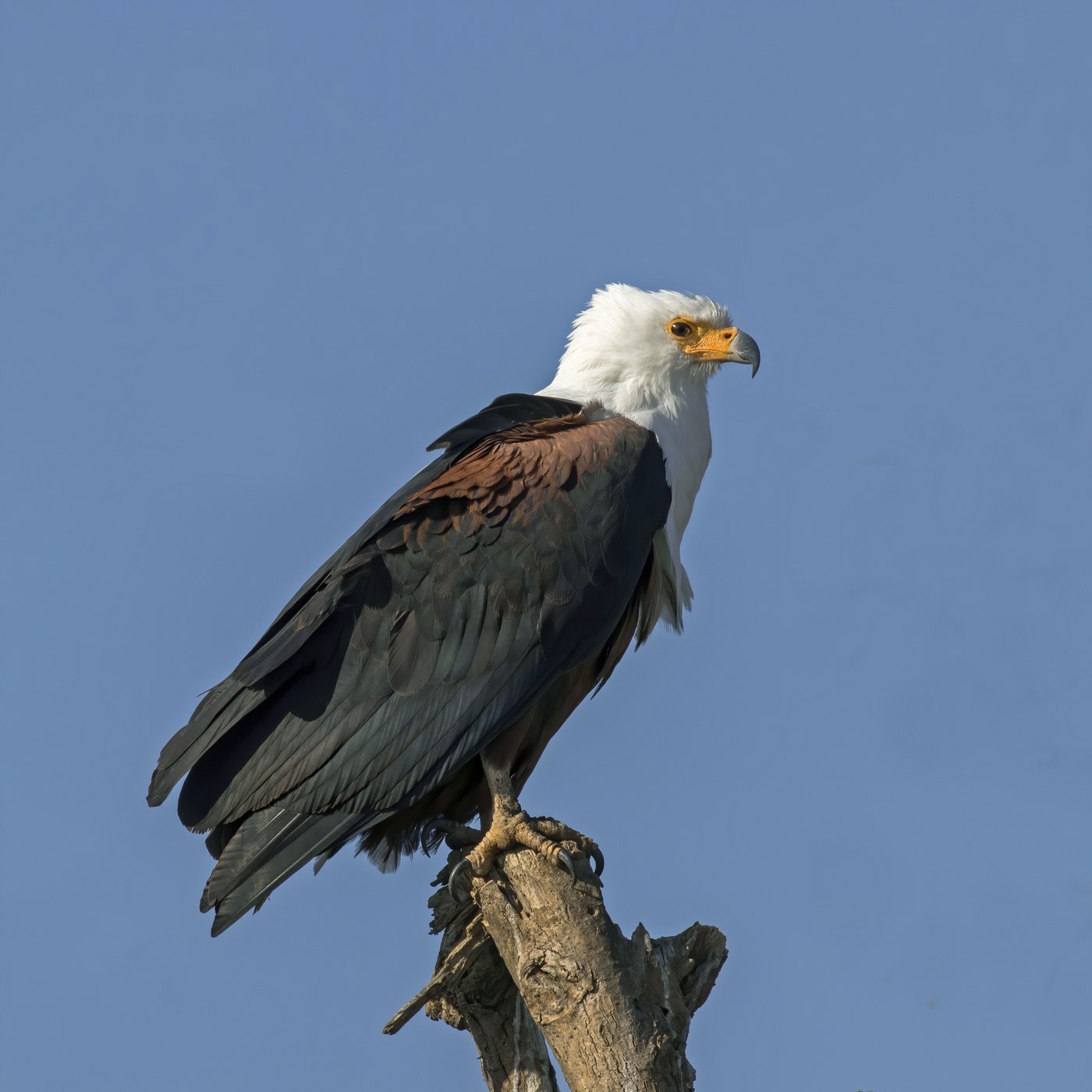
African Fish Eagle
Flight, tail, and body feathers

Amur Falcon
Slender pointed flight feathers; soft slate or orange-buff contour feathers
Red Kite
Flight (wing) and tail feathers
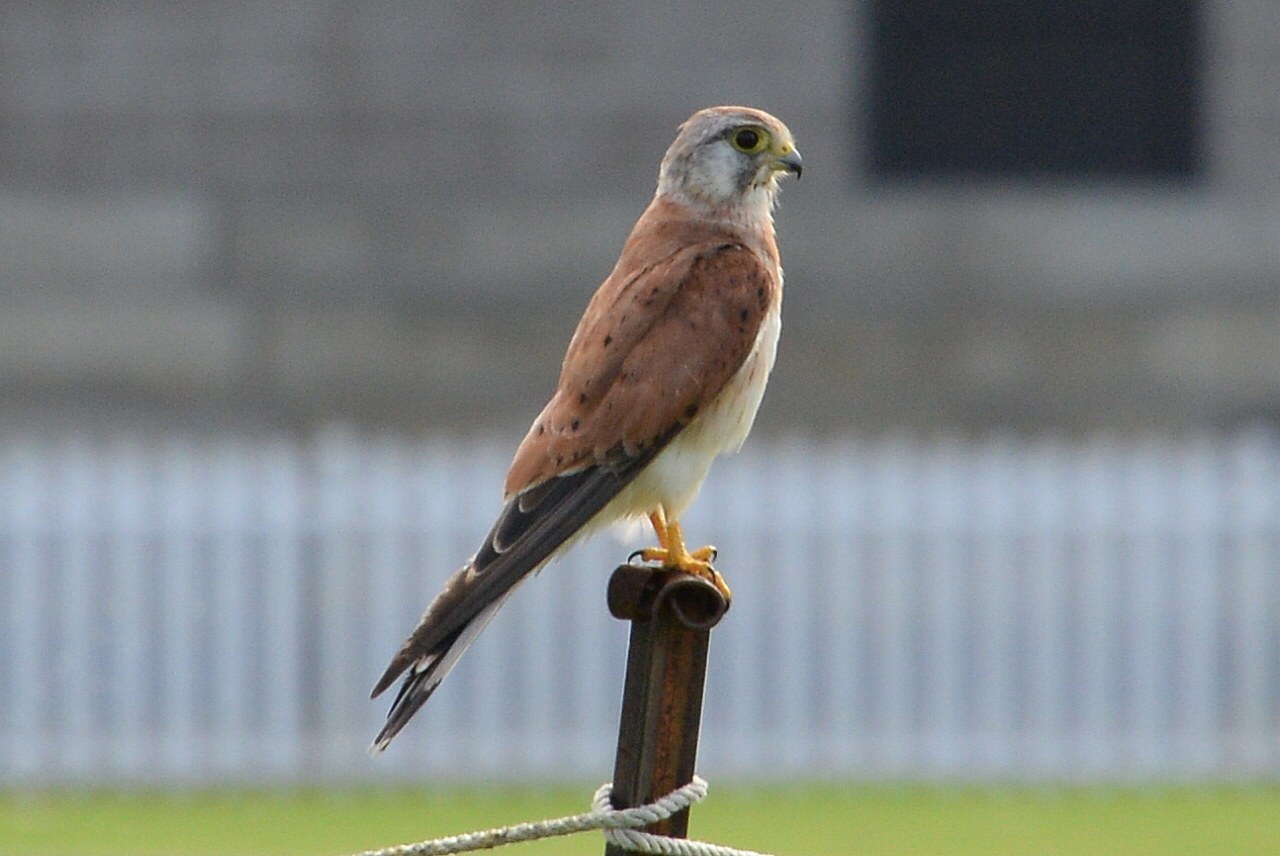
Nankeen Kestrel
Slim pointed flight feathers; lightly marked contour feathers

Andean Condor
Massive flight feathers; broad primaries and secondaries; sturdy tail feathers

Plumbeous Forest Falcon
Short rounded flight feathers; finely barred tail feathers

Sooty Falcon
Long pointed flight feathers; slim tail feathers