

Gull-billed Tern
Gelochelidon nilotica
A stocky, pale tern known for its short, thick, gull-like black bill rather than the slender dagger bill typical of most terns.
- Feather type
- Contour, flight, and tail feathers
- Colours
- Pale pearl-gray above, white below, black cap in breeding dress
- Bird size
- Tern-sized, ~35-38 cm
Found a feather like this?
Identify any feather from a photo, free.
Overview
The Gull-billed Tern is a medium-sized, pale tern that stands apart from its relatives by bill shape rather than plumage extravagance. Its stout, all-black bill gives it a slightly gull-like profile, and it forages more often over land and marsh than the plunge-diving terns it resembles at rest.
Found in scattered, often localized colonies on coasts and wetlands across much of the temperate and tropical world, it is a bird of open, flat ground near water.
Identifying the Feather
- Upperwing and mantle feathers are a soft, even pearl-gray, lacking the bold dark wedge on the outer primaries seen in Common or Forster's Terns
- Tail feathers are only shallowly forked compared with the deeply forked "swallow-tail" of most Sterna terns
- Body (contour) feathers are unmarked white below and plain gray above, without streaking or barring
- Flight feathers are broad and rounded at the tip relative to the narrower, more pointed remiges of slimmer terns
- Feather shafts are pale, matching the generally unmarked, clean-toned plumage
Plumage & Molt
- Breeding adults show a full glossy black cap extending from the bill to the nape
- Non-breeding adults and juveniles show a whitish forehead and crown, with the black reduced to a smudged patch through and behind the eye
- Juveniles have a scaly, buff-fringed appearance to the upperpart feathers that wears to plainer gray by the first winter
- A single complete molt of body feathers occurs after breeding, with flight feathers replaced on a slower, staggered schedule
- Sexes are alike in plumage
Habitat & Range
Gull-billed Terns breed in discontinuous, widely scattered colonies on barren shell ridges, sand flats, salt-marsh islands, and dikes near coastal lagoons, estuaries, and inland saline lakes across parts of the Americas, Europe, Africa, Asia, and Australia. Northern populations are migratory, withdrawing from higher latitudes to spend the non-breeding season along tropical and subtropical coastlines and wetlands, while some populations in warmer regions are largely resident.
Behavior & Field Notes
Unlike most terns, this species feeds heavily over dry land as well as water, hawking large flying insects on the wing and dropping onto marshes, fields, and mudflats to snatch crabs, insects, and small vertebrates rather than relying mainly on plunge-diving for fish. It nests in loose, often mixed colonies alongside other terns and shorebirds, laying eggs in a simple scrape on open ground. Its voice is a nasal, rasping two- or three-note call quite unlike the sharper cries of typical sea terns.
Frequently asked questions
How can I tell a Gull-billed Tern feather from a Common Tern feather?
Gull-billed Tern feathers are a cleaner, more uniform pale gray without the dark outer-primary wedge that marks many Common and Forster's Tern flight feathers, and the tail feathers show only a shallow fork rather than a deep swallow-tail shape.
Does the Gull-billed Tern have black wingtips?
Its wingtips are only faintly darker gray at most, lacking the bold blackish trailing edge or wedge found in many other tern species.
Are male and female Gull-billed Terns different colors?
No, the sexes look alike; differences in plumage relate to age and season rather than sex.
Why does this tern have such a thick bill compared to other terns?
Its stouter, all-black bill is adapted for a broader diet that includes insects and small vertebrates taken over land, not just fish caught by diving.
Gull-billed Tern guides
In-depth guides for identifying and understanding Gull-billed Tern.

Other feathers you may enjoy

Western Gull
Body, flight, and tail feathers
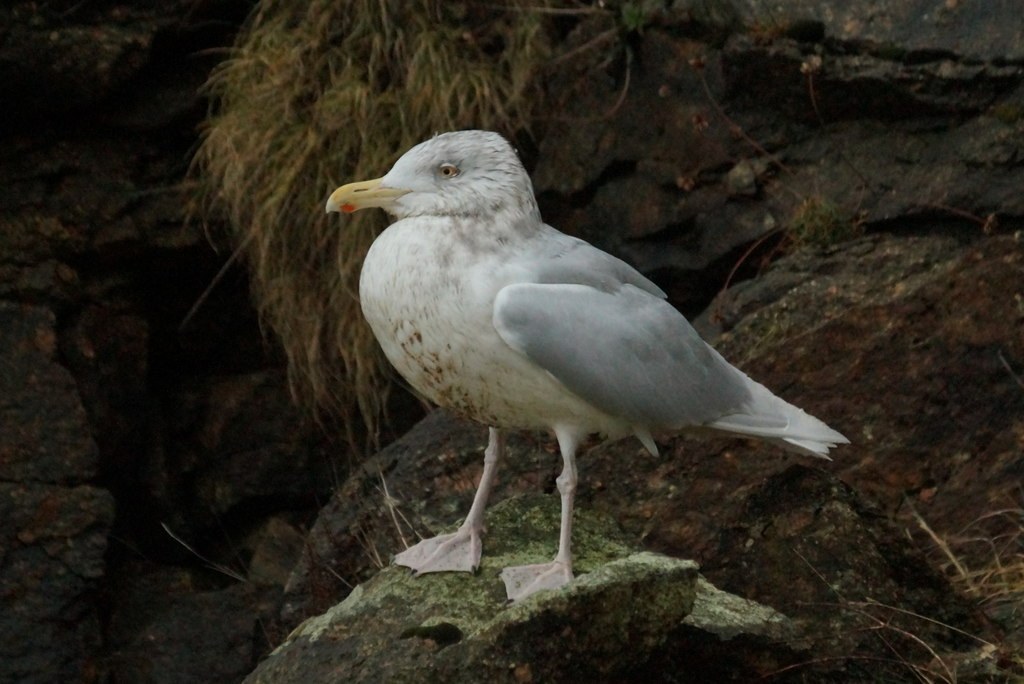
Glaucous Gull
Body, flight, and tail feathers

American Herring Gull
Body, flight, and tail feathers

Great Black-backed Gull
Body, flight, and tail feathers

Common Gull
Body, flight, and tail feathers
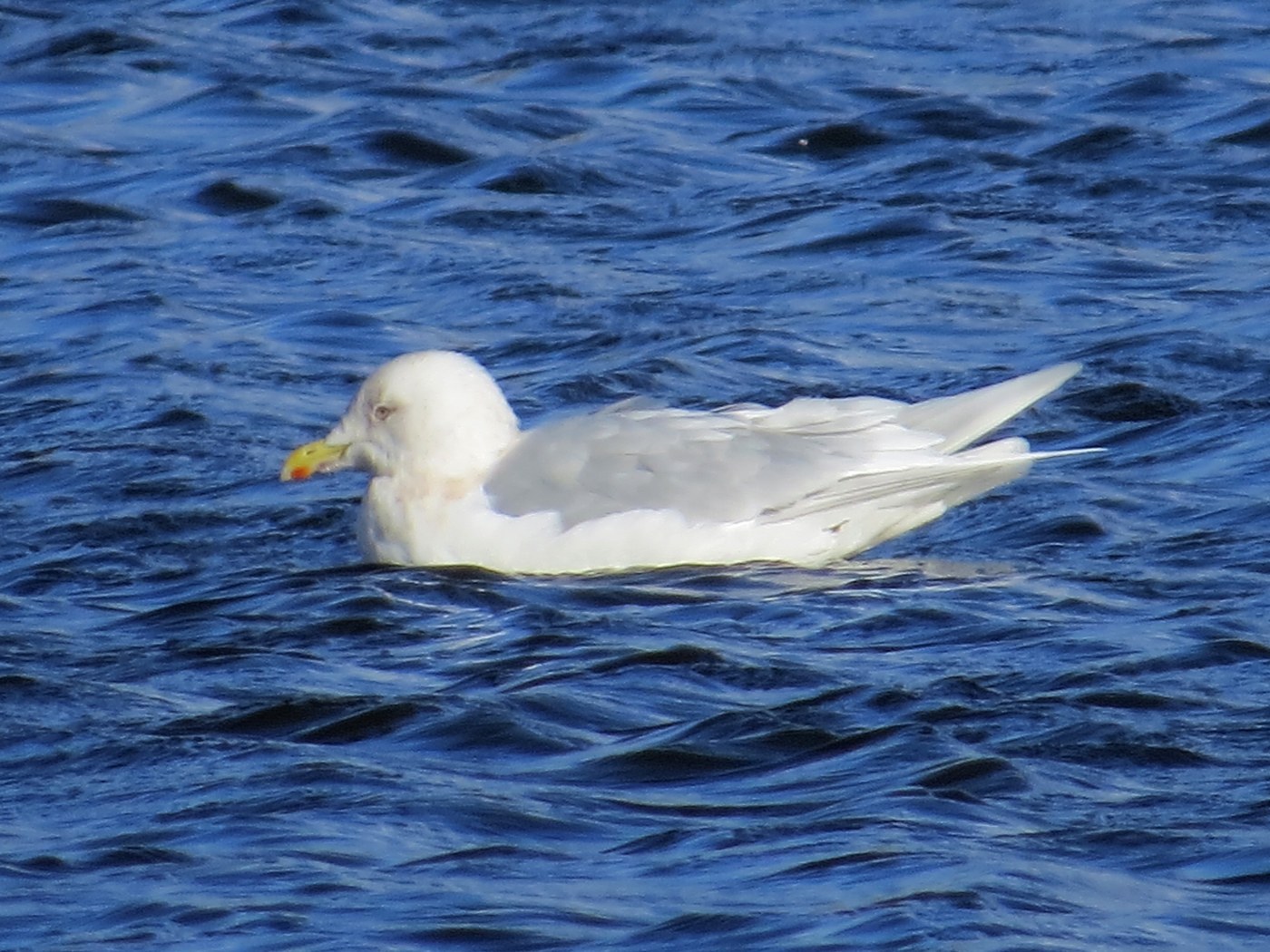
Iceland Gull
Body, flight, and tail feathers

Ring-billed Gull
Body, flight, and tail feathers

Glaucous-winged Gull
Body, flight, and tail feathers

Herring Gull
Body, flight, and tail feathers

Lesser Black-backed Gull
Body, flight, and tail feathers

California Gull
Body, flight, and tail feathers
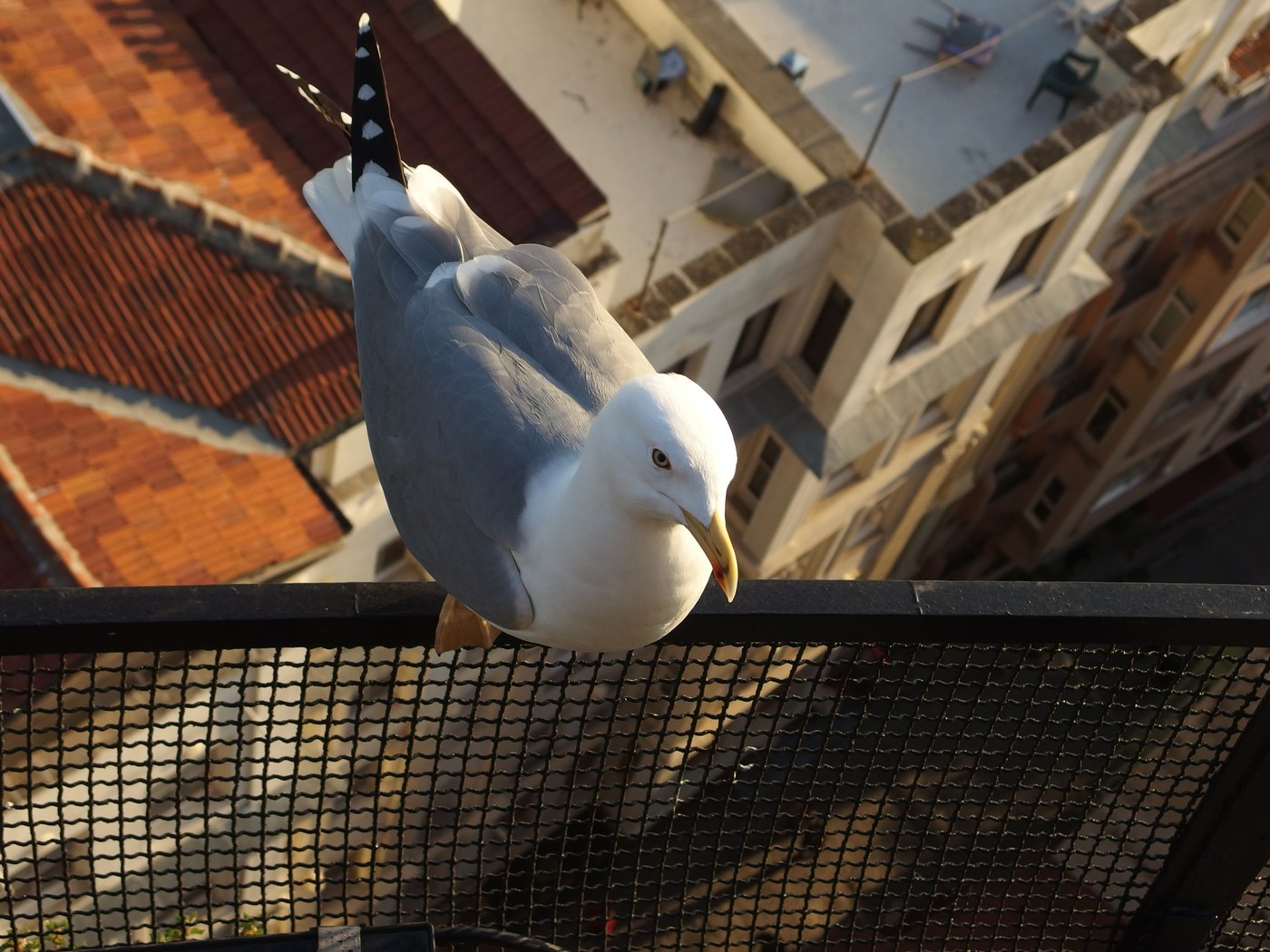
Yellow-legged Gull
Body, wing covert, and flight feathers