

Green Kingfisher
Chloroceryle americana
A small, dark-green kingfisher of American waterways, often the most frequently seen kingfisher along narrow streams.
- Feather type
- Fine contour feathers; short rounded wings
- Colours
- Dark bronze-green upperparts, white underparts with rufous or spotted breast band
- Bird size
- Sparrow-to-robin-sized, ~19-22 cm
Found a feather like this?
Identify any feather from a photo, free.
Overview
Overview
The Green Kingfisher is a small, widespread kingfisher of the Americas, ranging from the southwestern United States through Central America into much of South America. It favors smaller, shaded streams more than large open rivers.
- Smallest of the American green kingfishers next to the Pygmy Kingfisher
- Range extends from Texas to Argentina
- Prefers narrow, well-vegetated waterways
Identifying the Feather
Feather Identification
Green Kingfisher feathers show a dark, glossy green rather than blue tone.
- Upperparts: bronzy-green feathers with fine white spotting on the wing coverts, visible up close
- Underparts: white with a rufous breast band in males, or a dark spotted band in females
- Head: green with a white collar and spot behind the eye
- Tail: green feathers edged white, showing white outer tail spots in flight
The green-and-white spotted wing coverts and lack of blue distinguish this species from Old World blue kingfishers.
Plumage & Molt
Plumage Details
Males show a solid rufous-chestnut breast band, while females show a green-spotted or broken breast band. Juveniles resemble females but with buffier spotting. A single complete molt occurs annually, and plumage otherwise shows little seasonal variation.
Habitat & Range
Habitat & Range
Found from the southern United States (Texas, Arizona) south through Mexico, Central America, and much of South America to Argentina, favoring small streams, ponds, and shaded riverbanks with overhanging vegetation. Most populations are resident year-round.
Behavior & Field Notes
Behavior & Field Notes
Green Kingfishers hunt small fish and aquatic invertebrates from low perches close to the water, often within dense streamside vegetation, making them easy to overlook despite being common. They excavate nest burrows in earthen banks. Their call is a sharp, dry ticking note, often given as they fly low and fast along a stream course. The white-spotted wings and small size are useful field clues.
Frequently asked questions
How do you tell male and female Green Kingfishers apart?
Males have a solid rufous-chestnut breast band, while females show a green, broken, or spotted breast band instead.
What habitat does this species prefer?
Small, shaded streams and narrow waterways with overhanging vegetation, more than large open rivers.
What feather detail helps identify it up close?
Fine white spotting on the bronzy-green wing coverts, along with white spots on the outer tail feathers.
How far north does its range extend?
Its range reaches the southwestern United States, including parts of Texas and Arizona.
Green Kingfisher guides
In-depth guides for identifying and understanding Green Kingfisher.

Other feathers you may enjoy

Common Cuckoo
Flight and body feathers
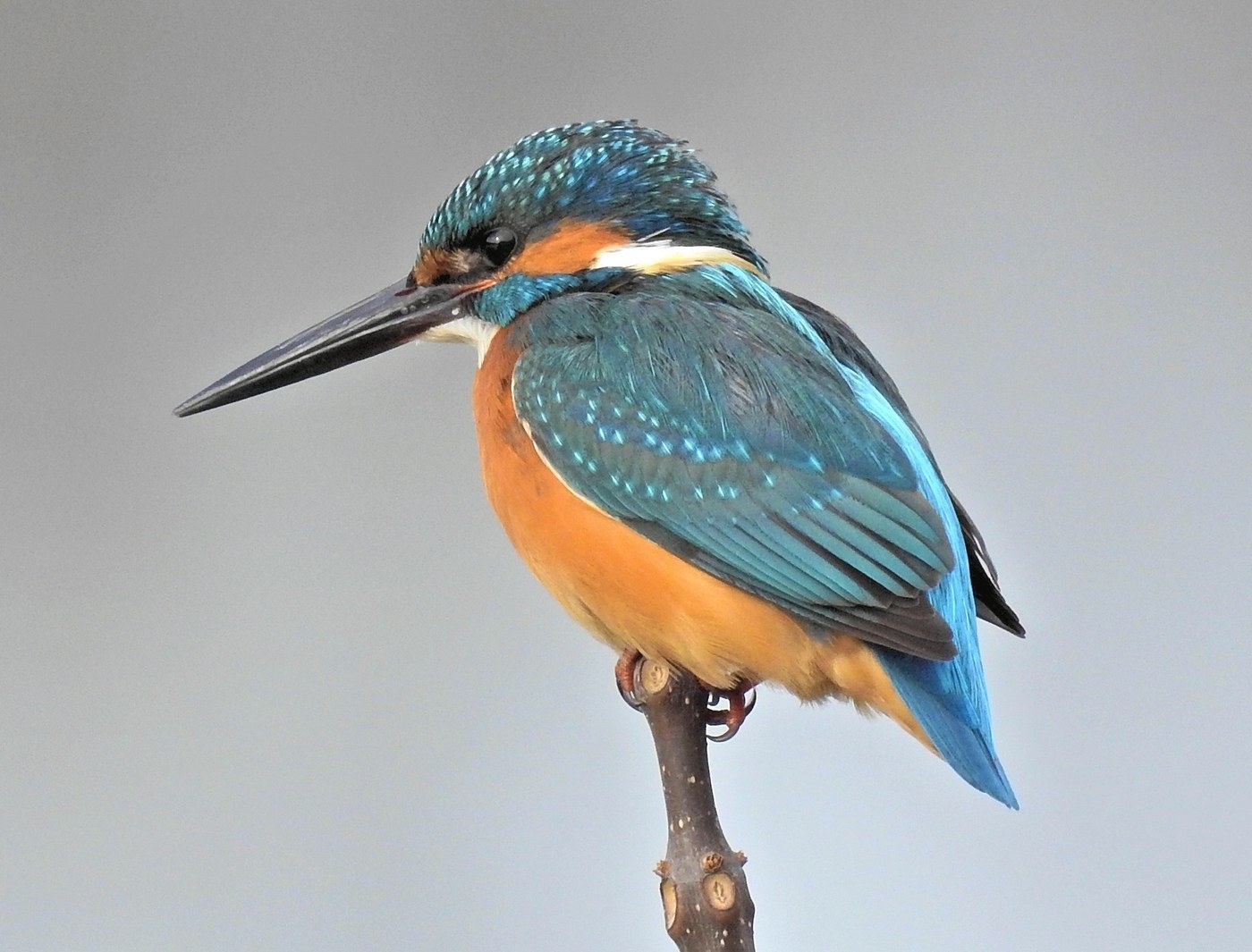
Common Kingfisher
Body (contour) and wing feathers
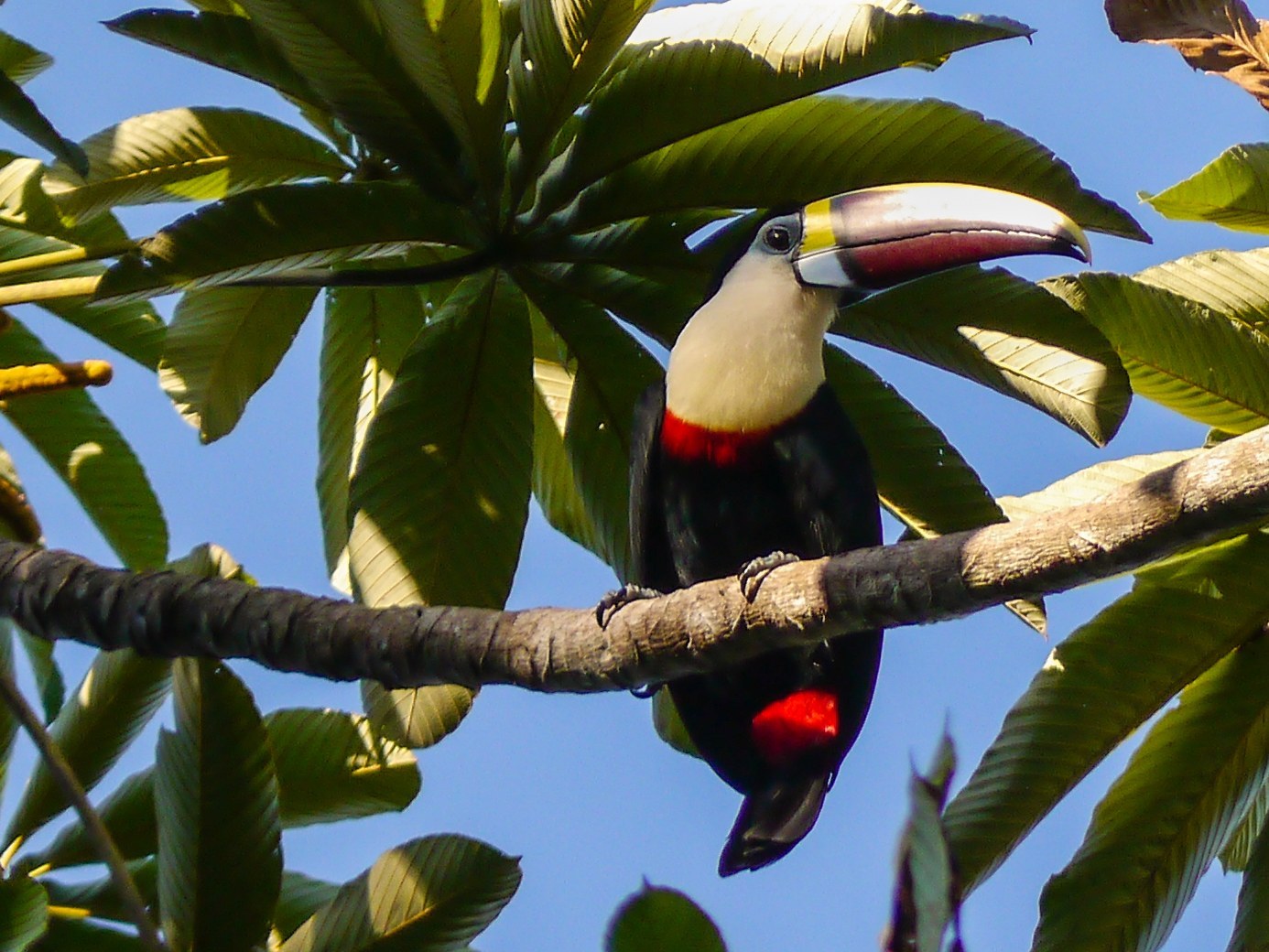
White-throated Toucan
Short rounded contour feathers, short broad wings
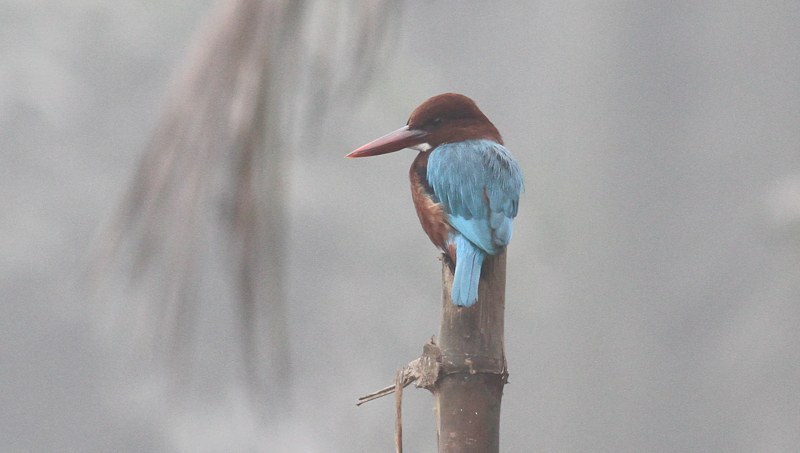
White-throated Kingfisher
Dense contour feathers; broad rounded wings

White-throated Bee-eater
Sleek, aerodynamic contour feathers; elongated central tail streamers
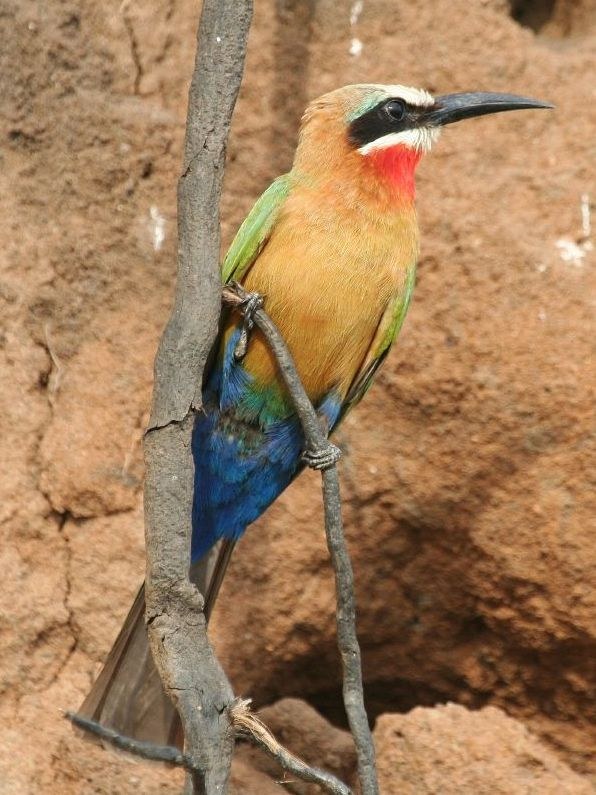
White-fronted Bee-eater
Sleek contour feathers; short tail with slight point

Southern Yellow-billed Hornbill
Slender contour feathers, moderate flight feathers
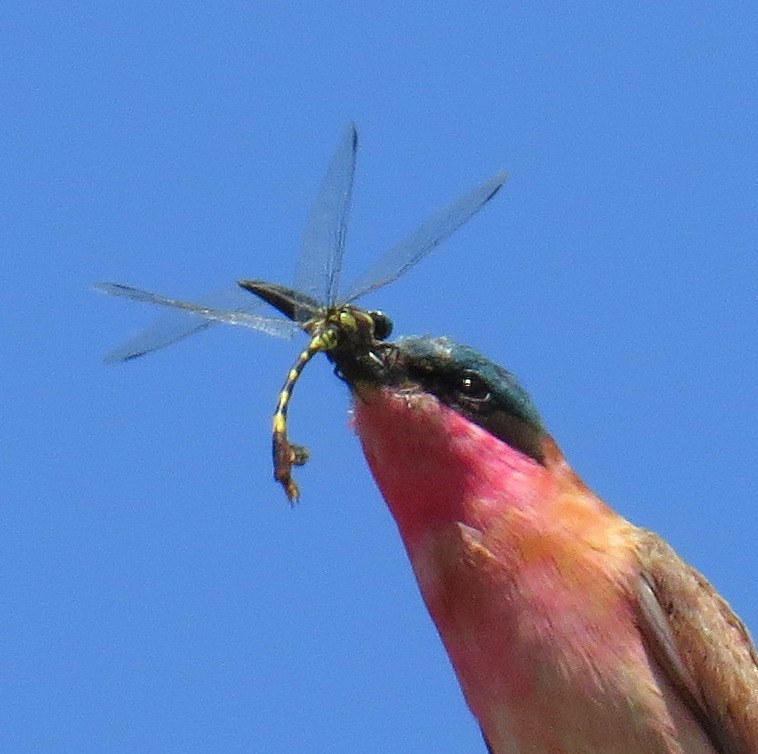
Southern Carmine Bee-eater
Sleek, pointed contour feathers; elongated central tail streamers
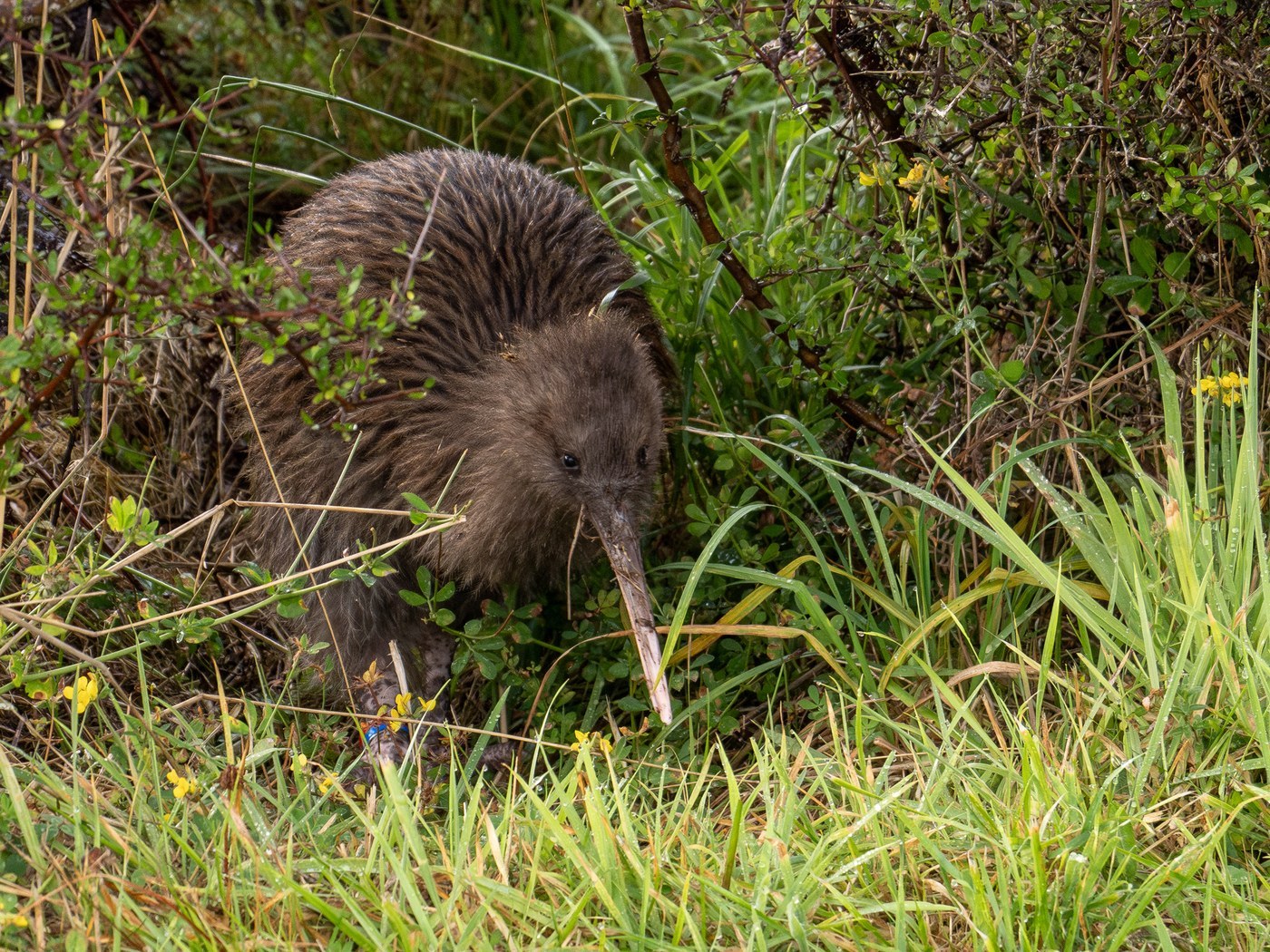
Southern Brown Kiwi
Shaggy, hair-like plumage with loose barbs lacking barbules; flightless, vestigial wings hidden beneath body feathers

Somali Ostrich
Loose, soft plumes lacking interlocking barbules

Wreathed Hornbill
Dense contour feathers, broad flight feathers

Woodland Kingfisher
Firm contour feathers; broad wing feathers