

Greater Spotted Eagle
Clanga clanga
A dark, wetland-loving eagle of boreal and eastern Eurasian forests, larger and blacker than its close relative the Lesser Spotted Eagle, with juveniles showing a striking frosted pattern of white wing spots.
- Feather type
- Broad, heavily fingered primaries, dense leg feathering
- Colours
- Blackish-brown, juveniles densely spotted white
- Bird size
- Large eagle, ~59-74 cm
Found a feather like this?
Identify any feather from a photo, free.
Overview
The Greater Spotted Eagle breeds across forested wetlands of Russia and eastern Europe, wintering in South Asia, the Middle East, and northeastern Africa. It is closely tied to floodplain forest, marsh edges, and other wet lowland habitats, more so than most other eagles of its size.
Identifying the Feather
Flight feathers are broad and heavily fingered, notably darker overall than the closely related Lesser Spotted Eagle, and juvenile covert feathers are boldly and densely spotted white, creating a frosted appearance across the upperwing that is unusually striking among eagles. Legs are densely feathered to the toes, a trait shared with related booted eagles. Adults lack the juvenile spotting and appear almost uniformly blackish-brown.
Plumage & Molt
Adults are a deep, fairly uniform blackish-brown with little contrasting pattern, sometimes showing a paler patch on the uppertail coverts. Juveniles are heavily and evenly spotted white across the wing coverts, one of the most striking juvenile plumages among Eurasian eagles, with the spotting gradually diminishing through successive molts over several years. There is no notable seasonal plumage variation in adults.
Habitat & Range
This eagle breeds in wet forest, floodplain woodland, and marsh-edge habitat across Russia, eastern Europe, and parts of Asia. It winters in South Asia, the Middle East, and northeastern Africa, making it a long-distance migrant broadly overlapping in winter range with the Lesser Spotted Eagle.
Behavior & Field Notes
It preys on amphibians, waterbirds, and small mammals near wetlands, frequently hunting from low perches or on foot along marsh edges. Nests are large stick platforms built in tall trees within or near wet forest, and the species gives a deep, barking call, particularly during breeding-season territorial displays.
Frequently asked questions
What is the most obvious juvenile feather trait of this species?
Wing covert feathers densely and evenly spotted white, giving a frosted look across the upperwing.
How does it differ from the Lesser Spotted Eagle?
It is larger, darker overall, and broader-winged, with denser juvenile spotting.
What habitat is most associated with this eagle?
Wet forest, floodplain woodland, and marsh edges, more strongly tied to wetlands than most other eagles.
Where does it winter?
South Asia, the Middle East, and northeastern Africa, after breeding across Russia and eastern Europe.
Greater Spotted Eagle guides
In-depth guides for identifying and understanding Greater Spotted Eagle.

Other feathers you may enjoy

Australian Hobby
Long, narrow pointed flight feathers; slender tail feathers

California Condor
Massive flight feathers; long broad primaries; large tail feathers

Brown Falcon
Broad, rounded flight feathers; variable-toned contour feathers
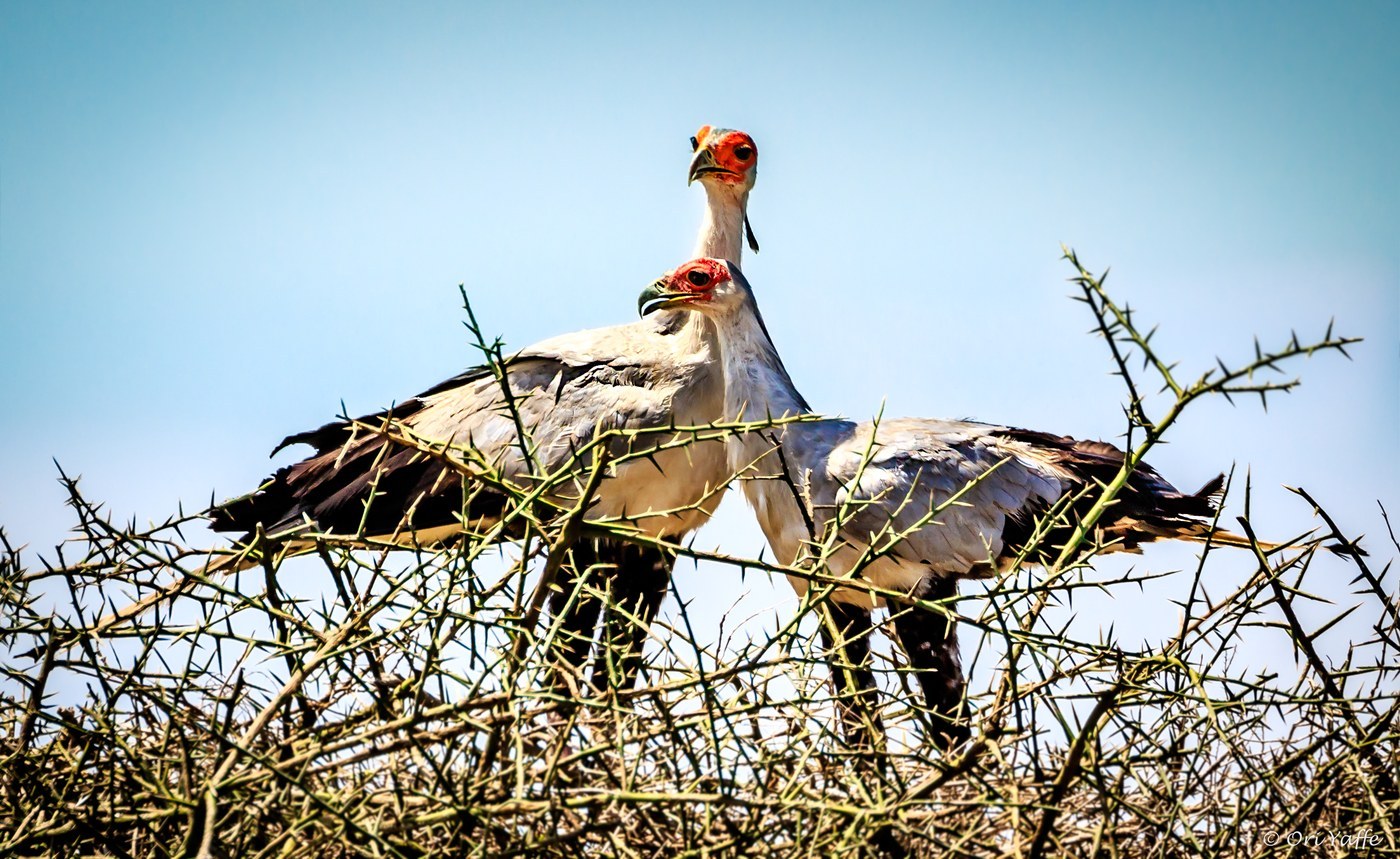
Secretarybird
Long crest feathers; broad flight feathers; elongated central tail feathers

Orange-breasted Falcon
Broad-based pointed flight feathers; bold breast and belly feathers
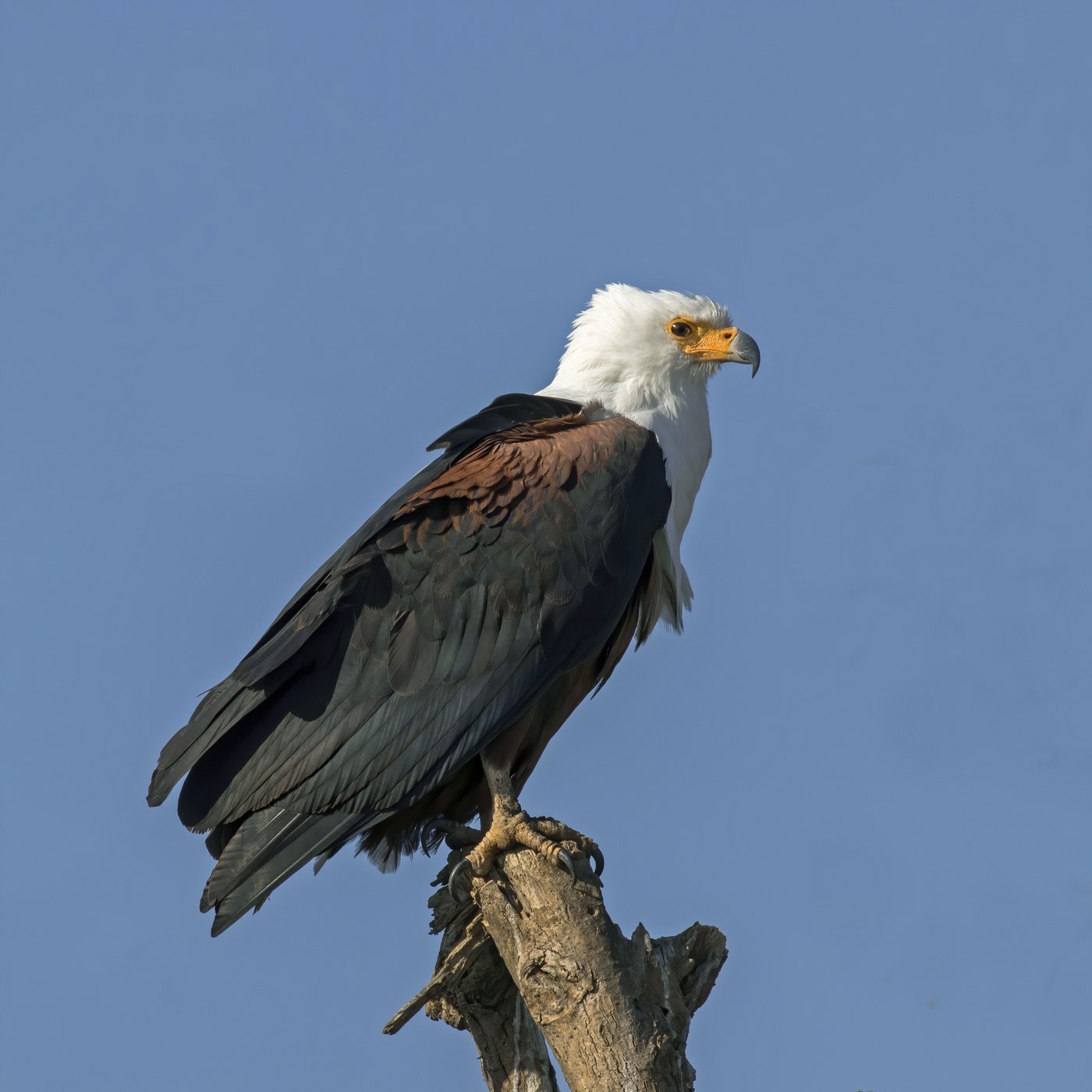
African Fish Eagle
Flight, tail, and body feathers

Amur Falcon
Slender pointed flight feathers; soft slate or orange-buff contour feathers
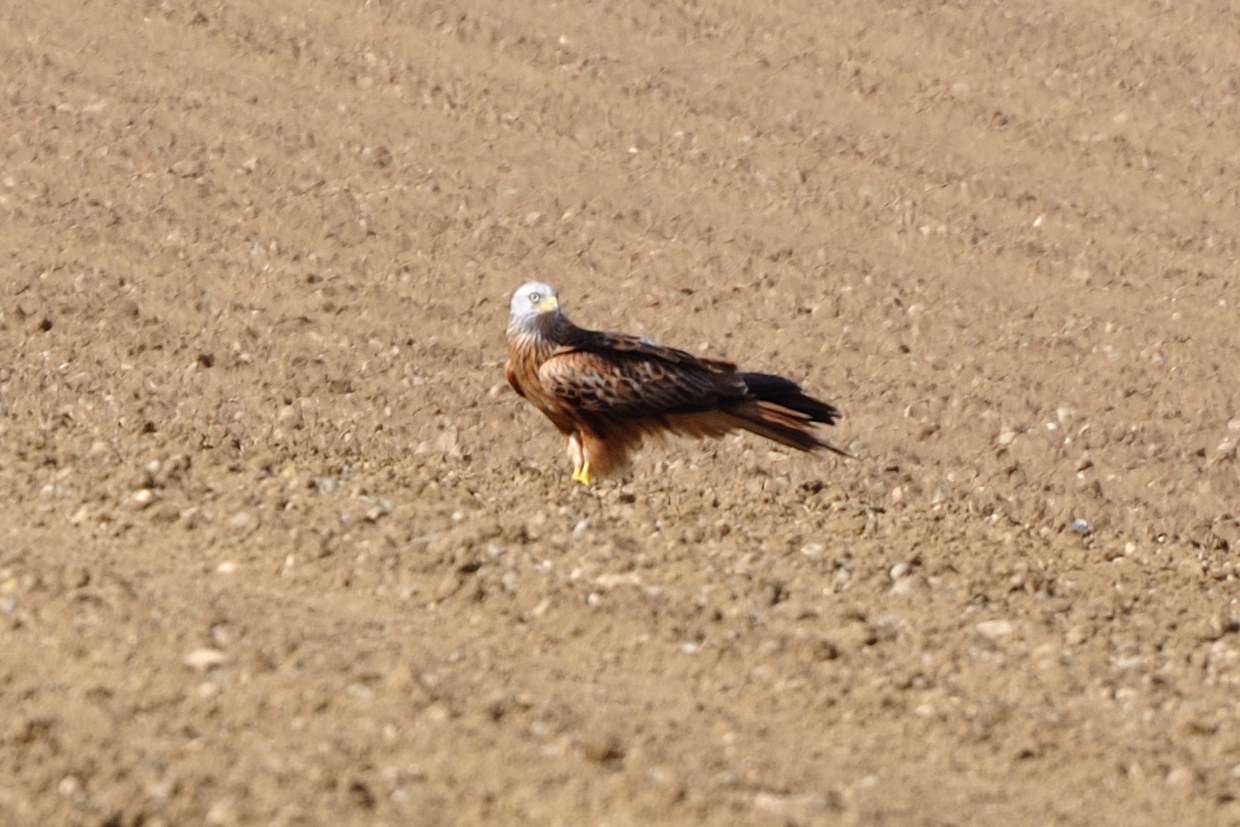
Red Kite
Flight (wing) and tail feathers
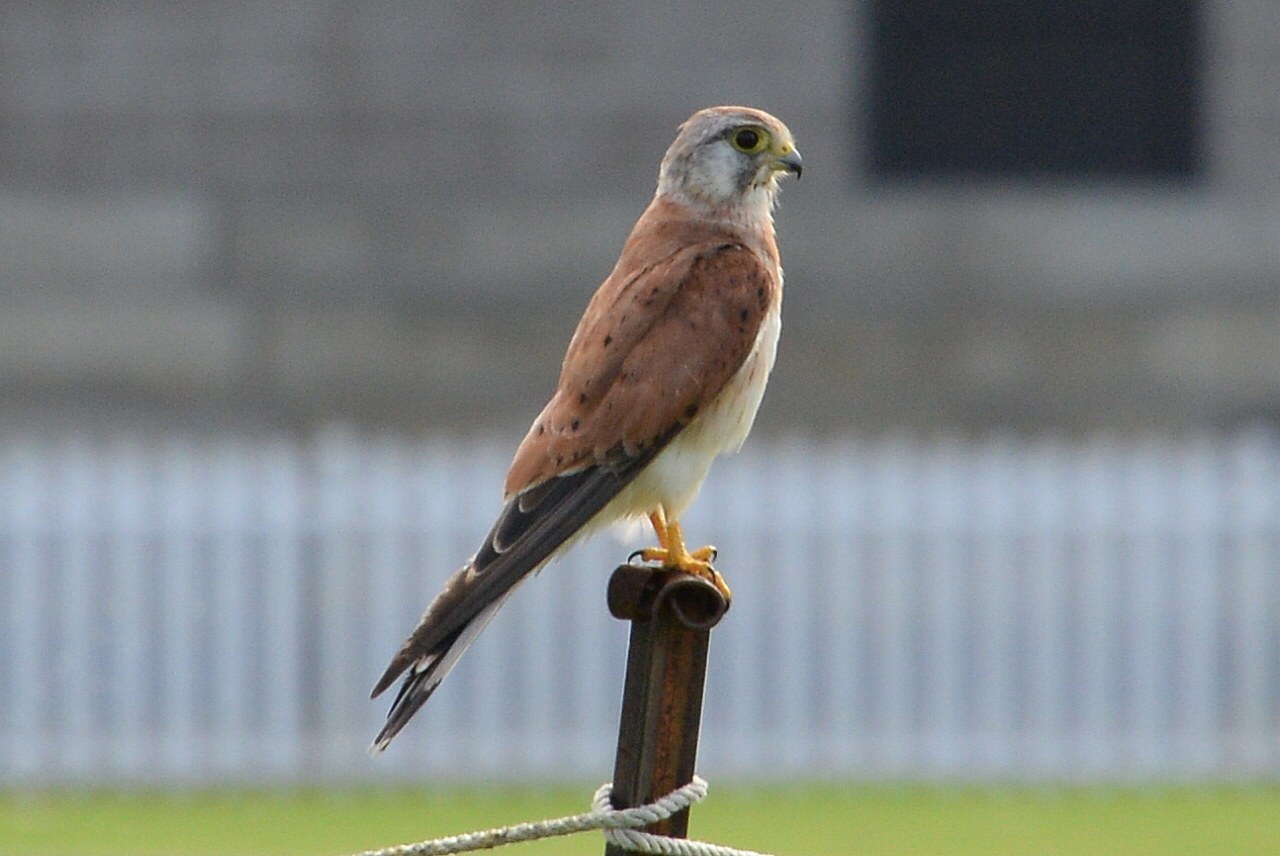
Nankeen Kestrel
Slim pointed flight feathers; lightly marked contour feathers

Andean Condor
Massive flight feathers; broad primaries and secondaries; sturdy tail feathers

Plumbeous Forest Falcon
Short rounded flight feathers; finely barred tail feathers

Sooty Falcon
Long pointed flight feathers; slim tail feathers