

Great Skua
Stercorarius skua
A powerfully built, gull-sized seabird cloaked in dark brown plumage flecked with rufous and buff, best known for its bold white wing-flash and aggressive, piratical habits.
- Feather type
- Contour, flight, and tail feathers
- Colours
- Dark brown mottled with rufous and buff streaking, pale wing flashes
- Bird size
- Large, gull-sized, ~50-58 cm
Found a feather like this?
Identify any feather from a photo, free.
Overview
The Great Skua is a heavy, barrel-chested seabird that dominates the northern seas it patrols, using sheer size and aggression to steal food from other birds. Its streaky brown plumage and conspicuous pale wing patches make it distinctive even at a distance over open water.
Identifying the Feather
- Body feathers are dark brown with warm rufous and buff streaking and mottling across the back and underparts, giving a scruffy, variegated look rather than a clean solid color
- A bold white patch at the base of the primaries is very conspicuous in flight and often visible even on a shed feather from that area
- Flight feathers are broad, blunt-tipped, and heavily built, reflecting the species' powerful, direct flight
- Tail feathers are short and only slightly wedge-shaped, without central tail projections
- Overall feather structure is sturdy and somewhat coarse compared with the sleeker feathers of the smaller jaegers
Plumage & Molt
- Adults show a consistently dark brown body variably marked with rufous-buff streaking, without the light and dark morphs seen in the smaller jaegers
- Juveniles are more uniformly dark and less streaked, gradually acquiring the mottled adult pattern over a few years
- Sexes are alike in plumage, though females average slightly larger
- A single complete annual molt follows the breeding season, typically completed before or during migration
Habitat & Range
Great Skuas breed on grassy or heath-covered coastal and island tundra in the North Atlantic, including Scotland, Iceland, the Faroe Islands, and Scandinavia. Outside the breeding season they range widely over the open North Atlantic and adjacent seas, including regular movements south along the coasts of Europe and North America.
Behavior & Field Notes
This skua is notorious for kleptoparasitism, chasing gulls, terns, and gannets in flight to force them to disgorge or drop food, and it will also take seabird eggs, chicks, and even adult birds at colonies. It nests solitarily or in loose colonies on open ground, defending the nest fiercely by dive-bombing intruders. Its call is a harsh, barking series of notes given mainly near the breeding grounds.
Frequently asked questions
What does a Great Skua feather look like?
Expect a dark brown feather variably streaked with rufous or buff, often with a bold white patch if it comes from the base of the primaries, and a generally sturdy, coarse texture.
How is the Great Skua's white wing patch formed?
It comes from pale bases on the primary flight feathers, which flash conspicuously white against the dark wing in flight.
Are Great Skuas related to gulls?
They belong to the skua and jaeger family, which is related to but distinct from true gulls, sharing a generally gull-like size and build.
Why does the Great Skua have such a bulky build?
Its heavy, powerful body supports an aggressive lifestyle built around chasing down and harassing other seabirds for food.
Great Skua guides
In-depth guides for identifying and understanding Great Skua.

Other feathers you may enjoy

Western Gull
Body, flight, and tail feathers
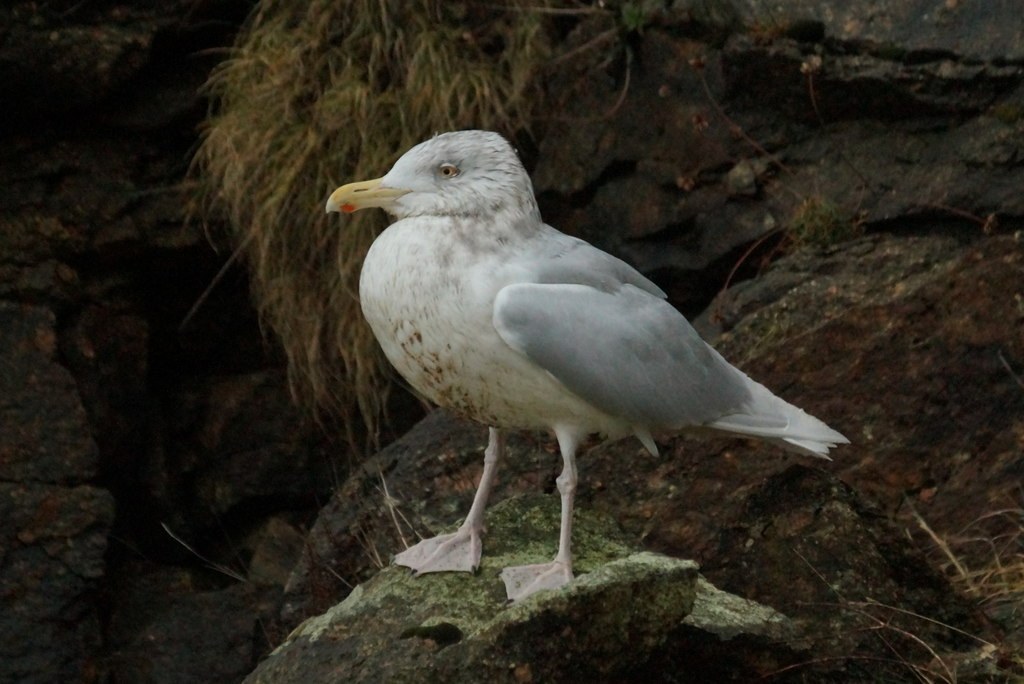
Glaucous Gull
Body, flight, and tail feathers

American Herring Gull
Body, flight, and tail feathers

Great Black-backed Gull
Body, flight, and tail feathers

Common Gull
Body, flight, and tail feathers
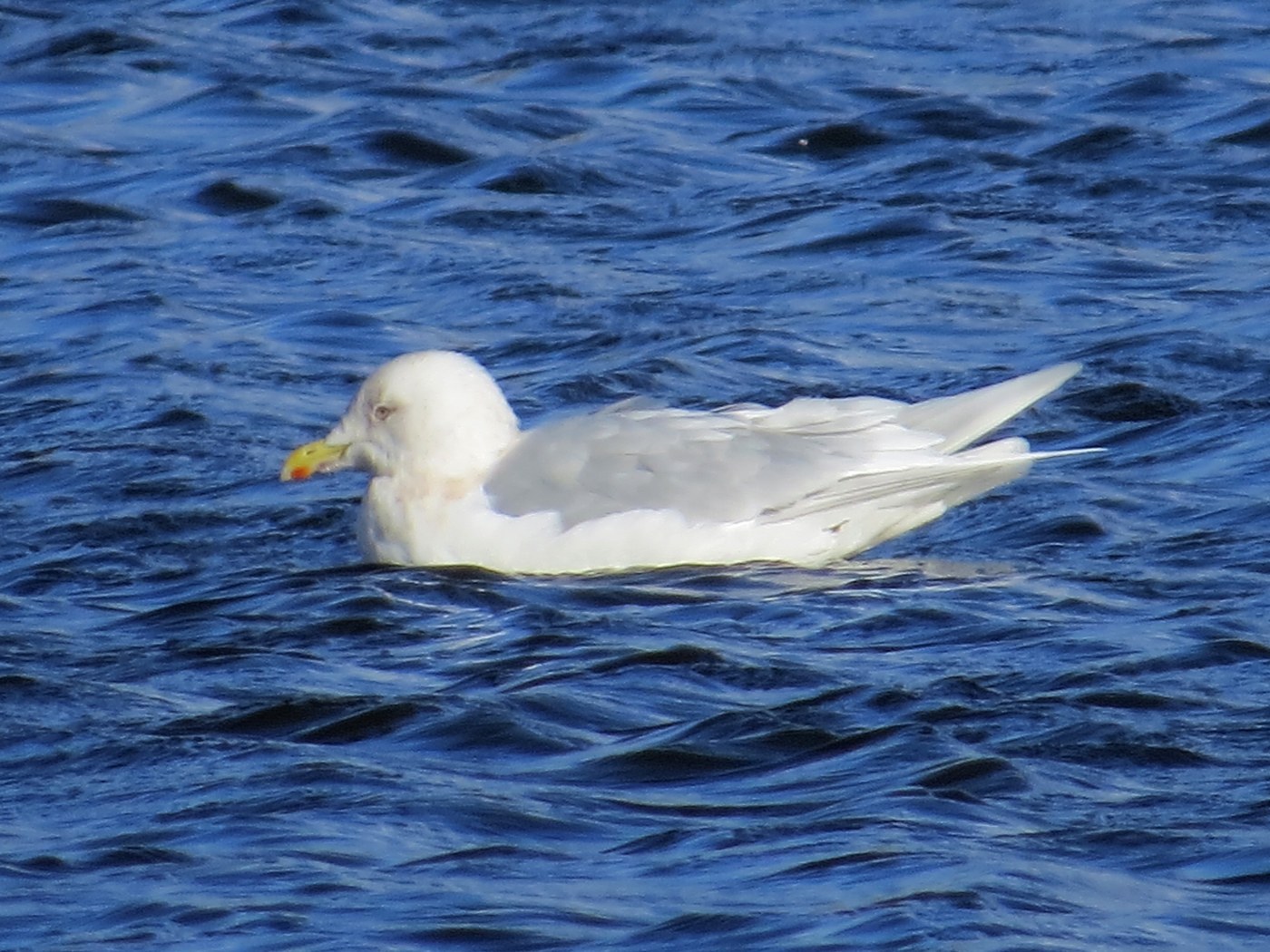
Iceland Gull
Body, flight, and tail feathers

Ring-billed Gull
Body, flight, and tail feathers

Glaucous-winged Gull
Body, flight, and tail feathers

Herring Gull
Body, flight, and tail feathers

Lesser Black-backed Gull
Body, flight, and tail feathers

California Gull
Body, flight, and tail feathers
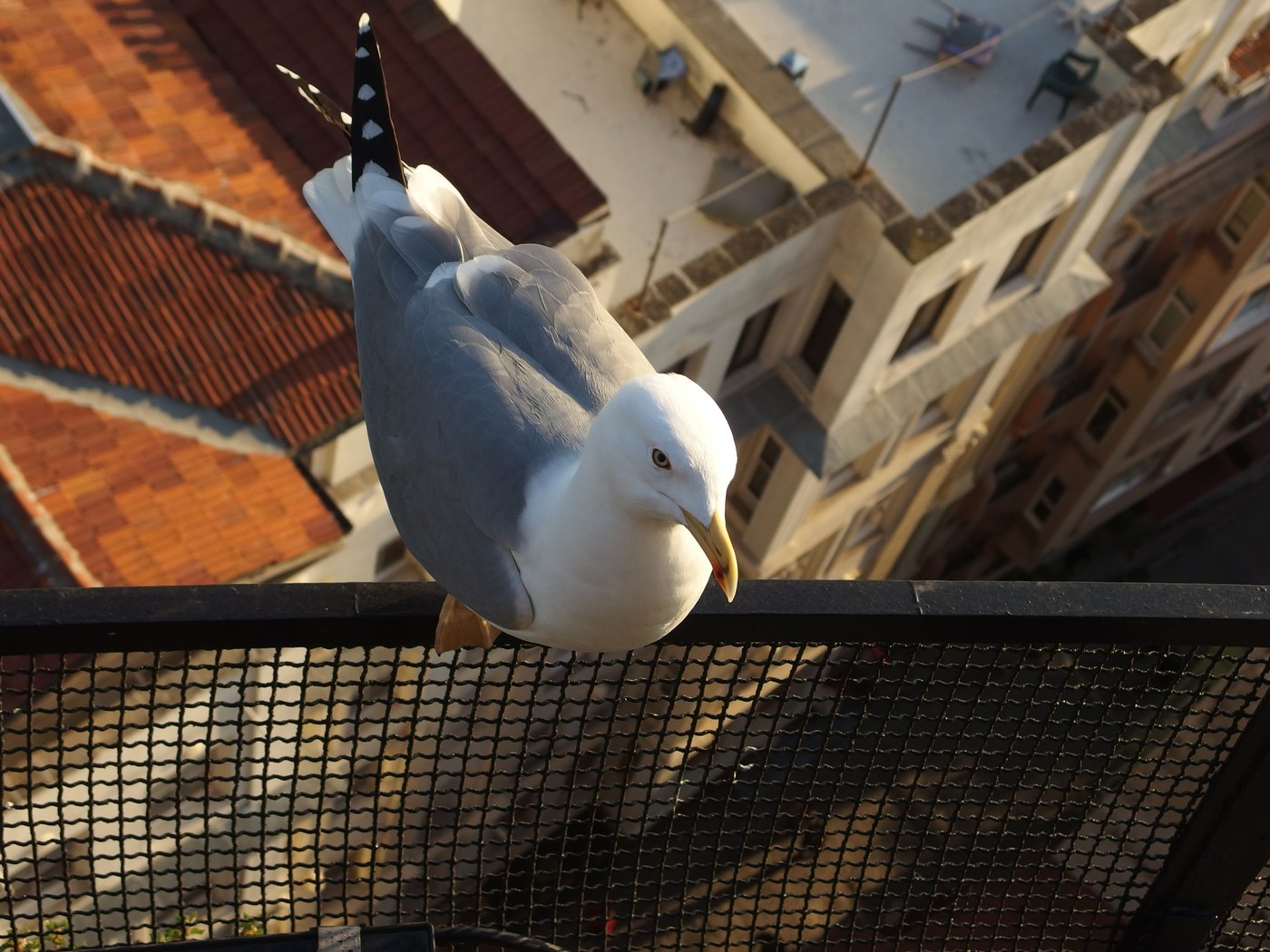
Yellow-legged Gull
Body, wing covert, and flight feathers