

Great Shearwater
Ardenna gravis
A large shearwater with a dark cap set off by a pale collar and scaly-patterned brown upperparts, showing a distinctive dark belly patch against otherwise white underparts.
- Feather type
- Long flight feathers with a scaly-patterned back
- Colours
- Dark brown cap, white collar, scaly brown upperparts, white underparts with a dark belly patch
- Bird size
- Medium-large, ~43-51 cm
Found a feather like this?
Identify any feather from a photo, free.
Overview
Overview
The Great Shearwater is a robust, wide-ranging seabird recognized by its dark cap contrasting with a pale hindneck collar, along with a scaly-looking pattern across the upperparts created by pale-fringed feathers. A dark smudge on the belly is another useful field mark.
It breeds on a small number of remote South Atlantic islands but disperses across enormous stretches of the Atlantic Ocean outside the breeding season, making it a familiar sight to observers on both sides of the ocean.
Identifying the Feather
Great Shearwater feathers show more visible patterning than many other shearwaters.
- Head and neck: Dark brown cap feathers contrast with a paler, whitish hindneck collar, a key distinguishing pattern.
- Upperparts: Feathers have pale fringes creating a scaly or scalloped look across the back and upperwing coverts, distinct from the more uniform tones of Sooty or Cory's Shearwater feathers.
- Underparts: Mostly white, with a dark, smudgy patch of feathers on the belly area.
- Compared to Cory's Shearwater: Great Shearwater has a more clearly defined dark cap and pale collar, while Cory's shows a more uniformly brownish head without strong contrast.
Plumage & Molt
Adults show a blackish-brown cap sharply set off from a whitish collar around the hindneck, scaly-patterned brown upperparts from pale feather fringes, and white underparts marked with a dark belly patch. Sexes look alike. Juveniles resemble adults closely. The complete molt occurs largely away from the breeding season, timed with the bird's extensive transatlantic movements.
Habitat & Range
Great Shearwaters breed on a handful of remote South Atlantic islands, then range widely across the entire Atlantic Ocean outside the breeding season, reaching well into the North Atlantic during the boreal summer. They are highly pelagic and favor productive offshore waters, rarely approaching land except at their limited breeding sites.
Behavior & Field Notes
This shearwater feeds on small fish and squid using pursuit-diving and surface-seizing techniques, often gathering in large mixed-species feeding flocks over abundant prey and readily following fishing vessels. Flight consists of stiff-winged glides interspersed with steady wingbeats, well suited to long-distance travel across the Atlantic. Nesting occurs in burrows on remote islands, with a single egg laid per season. Calls are harsh, cackling notes given mainly at nesting colonies after dark.
Frequently asked questions
How can I identify a Great Shearwater feather?
Look for a dark brown cap-colored feather paired with paler collar feathers, along with scaly-patterned back feathers showing pale fringes.
What separates a Great Shearwater feather from a Cory's Shearwater feather?
Great Shearwater shows a more clearly defined dark cap against a pale collar, while Cory's Shearwater has a more uniformly brownish head without strong contrast.
Does the Great Shearwater breed near the Northern Hemisphere?
No, it breeds only on a few remote South Atlantic islands but migrates widely into the North Atlantic outside the breeding season.
Where would a Great Shearwater feather most likely be found?
Along Atlantic Ocean coastlines and offshore waters during its non-breeding migratory range, or near remote South Atlantic breeding islands.
Great Shearwater guides
In-depth guides for identifying and understanding Great Shearwater.

Other feathers you may enjoy

Western Gull
Body, flight, and tail feathers
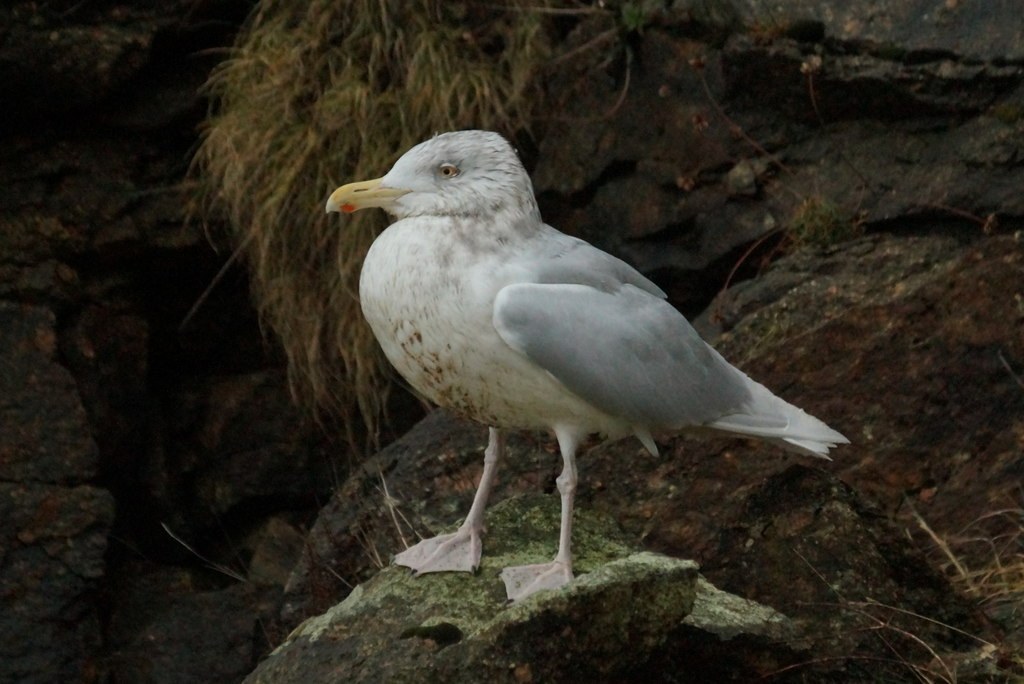
Glaucous Gull
Body, flight, and tail feathers

American Herring Gull
Body, flight, and tail feathers

Great Black-backed Gull
Body, flight, and tail feathers

Common Gull
Body, flight, and tail feathers
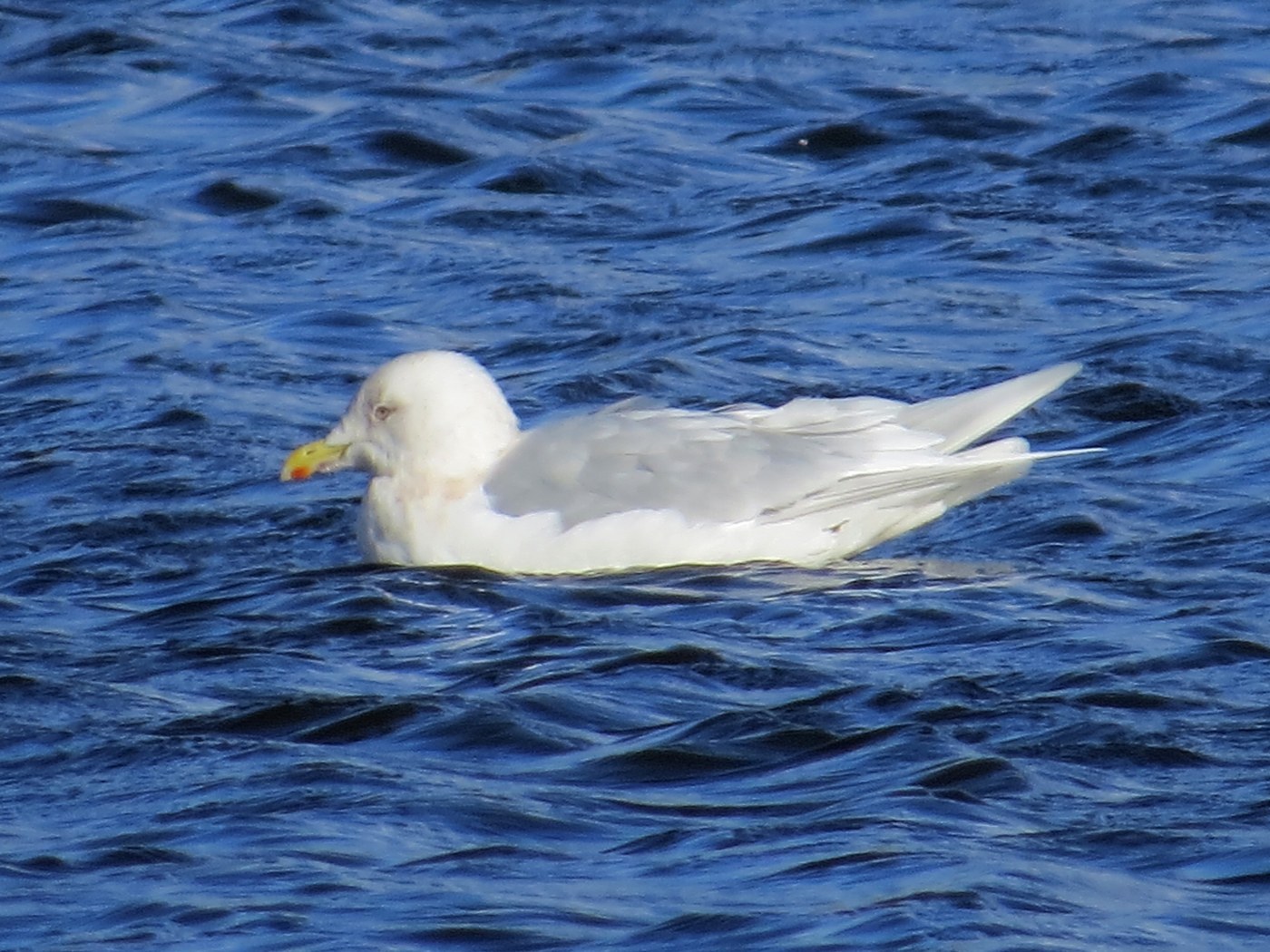
Iceland Gull
Body, flight, and tail feathers

Ring-billed Gull
Body, flight, and tail feathers

Glaucous-winged Gull
Body, flight, and tail feathers

Herring Gull
Body, flight, and tail feathers

Lesser Black-backed Gull
Body, flight, and tail feathers

California Gull
Body, flight, and tail feathers
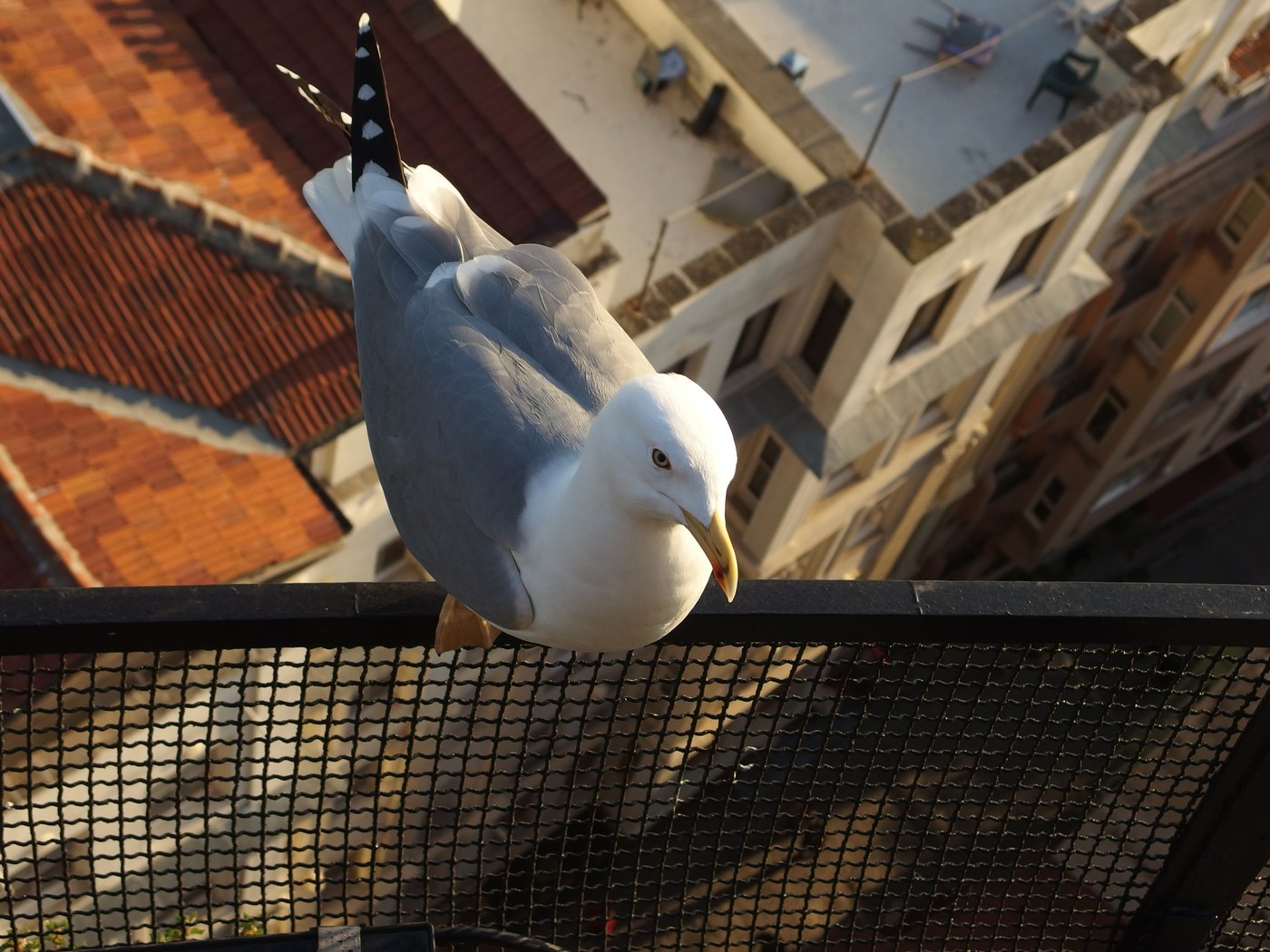
Yellow-legged Gull
Body, wing covert, and flight feathers