

Great Frigatebird
Fregata minor
A large, soaring tropical seabird closely resembling the Magnificent Frigatebird, with glossy black males and females marked by a white breast patch and pale wing bar.
- Feather type
- Long, narrow flight feathers with a deeply forked tail
- Colours
- Glossy black overall in males; black with a white breast patch and pale upperwing bar in females
- Bird size
- Large, similar to Magnificent Frigatebird
Found a feather like this?
Identify any feather from a photo, free.
Overview
Overview
The Great Frigatebird is a widespread tropical seabird of the Pacific and Indian Oceans, closely resembling the Magnificent Frigatebird of the Americas in its extremely long wings, deeply forked tail, and largely aerial lifestyle. Males are glossy black with an inflatable red throat pouch, while females show a white breast patch along with a pale bar across the upperwing coverts.
Like other frigatebirds, it rarely lands on water and instead feeds by snatching prey at the surface or stealing food from other seabirds during flight.
Identifying the Feather
Great Frigatebird feathers are long and narrow, similar in general structure to those of the Magnificent Frigatebird.
- Male body feathers: Glossy black overall with a greenish iridescent sheen, generally less purple-toned than Magnificent Frigatebird males.
- Female body feathers: Black overall with a white patch across the breast, often accompanied by a grayish throat area, plus a pale brownish bar across the upperwing coverts that tends to be more developed than in female Magnificent Frigatebirds.
- Flight feathers: Long, narrow, and blackish, suited to extended soaring flight.
- Tail feathers: Long and deeply forked when spread.
- Compared to Magnificent Frigatebird: The greener (rather than purple) iridescent sheen in males, and the more pronounced pale upperwing bar and grayish throat area in females, help distinguish Great Frigatebird feathers where ranges overlap.
Plumage & Molt
Adult males are entirely glossy black with a greenish iridescent sheen and an inflatable red gular throat pouch used in courtship display. Adult females are black overall with a white breast patch, a grayish throat area, and a pale brownish bar across the upperwing coverts. Juveniles have a whitish or rusty head and underparts that darken progressively with successive molts over several years before reaching adult plumage. Molt is protracted given the species' size and largely aerial habits.
Habitat & Range
Great Frigatebirds breed on remote tropical islands across the Pacific and Indian Oceans, nesting colonially in low trees, shrubs, or on the ground on predator-free islets. They range widely over open tropical ocean when not breeding, rarely coming to continental coastlines, and depend on updrafts and thermals to minimize energy expenditure during long-distance flight.
Behavior & Field Notes
This frigatebird feeds by snatching fish, squid, and other prey from at or near the water surface without landing, and frequently engages in kleptoparasitism, chasing other seabirds to force them to drop their catch. Its long wings and forked tail enable sustained soaring over great distances with minimal flapping. Nesting occurs in colonies, with males performing dramatic throat-pouch inflation displays to attract mates; a single egg is laid per season. Calls include rattling and drumming sounds produced during courtship display, along with various whistles and clatters.
Frequently asked questions
How can I tell a Great Frigatebird feather from a Magnificent Frigatebird feather?
Male Great Frigatebird feathers show a greener iridescent sheen rather than purple, and female Great Frigatebirds typically show a more developed pale bar on the upperwing along with a grayish throat area.
Do male and female Great Frigatebird feathers look different?
Yes; males are uniformly glossy black with iridescent sheen, while females include white breast feathers and a pale upperwing bar.
Why are Great Frigatebird flight feathers so long and narrow?
They are adapted for extended soaring flight with minimal flapping, since frigatebirds spend most of their time in the air and rarely land on water.
Where would a Great Frigatebird feather likely be found?
Near remote tropical island breeding colonies across the Pacific and Indian Oceans, or over open tropical ocean waters where the species forages.
Great Frigatebird guides
In-depth guides for identifying and understanding Great Frigatebird.

Other feathers you may enjoy

Western Gull
Body, flight, and tail feathers
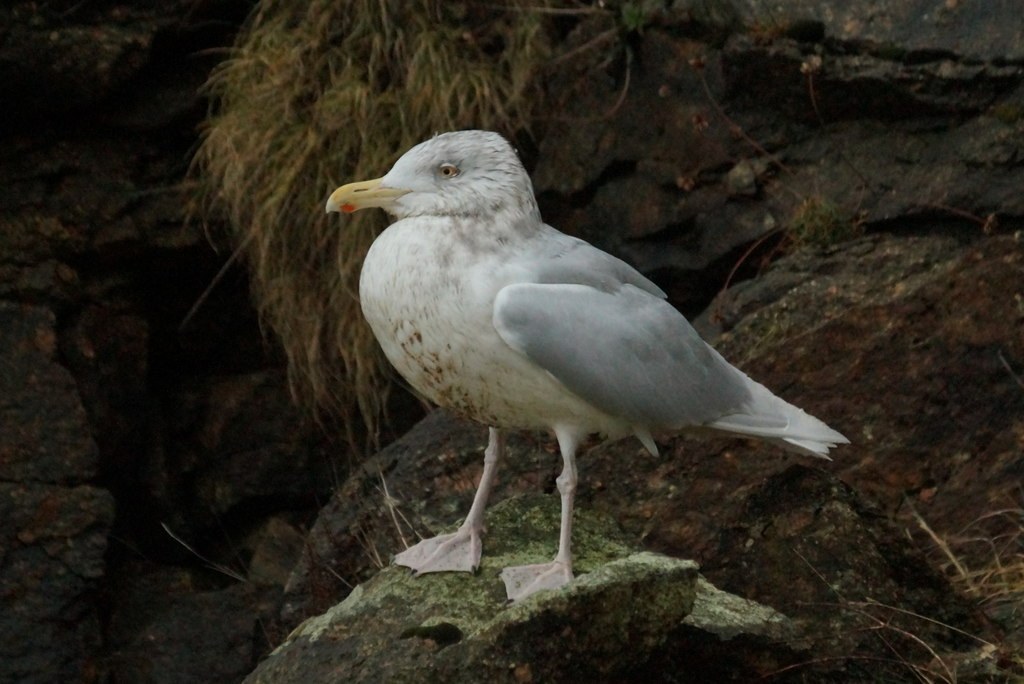
Glaucous Gull
Body, flight, and tail feathers

American Herring Gull
Body, flight, and tail feathers

Great Black-backed Gull
Body, flight, and tail feathers

Common Gull
Body, flight, and tail feathers
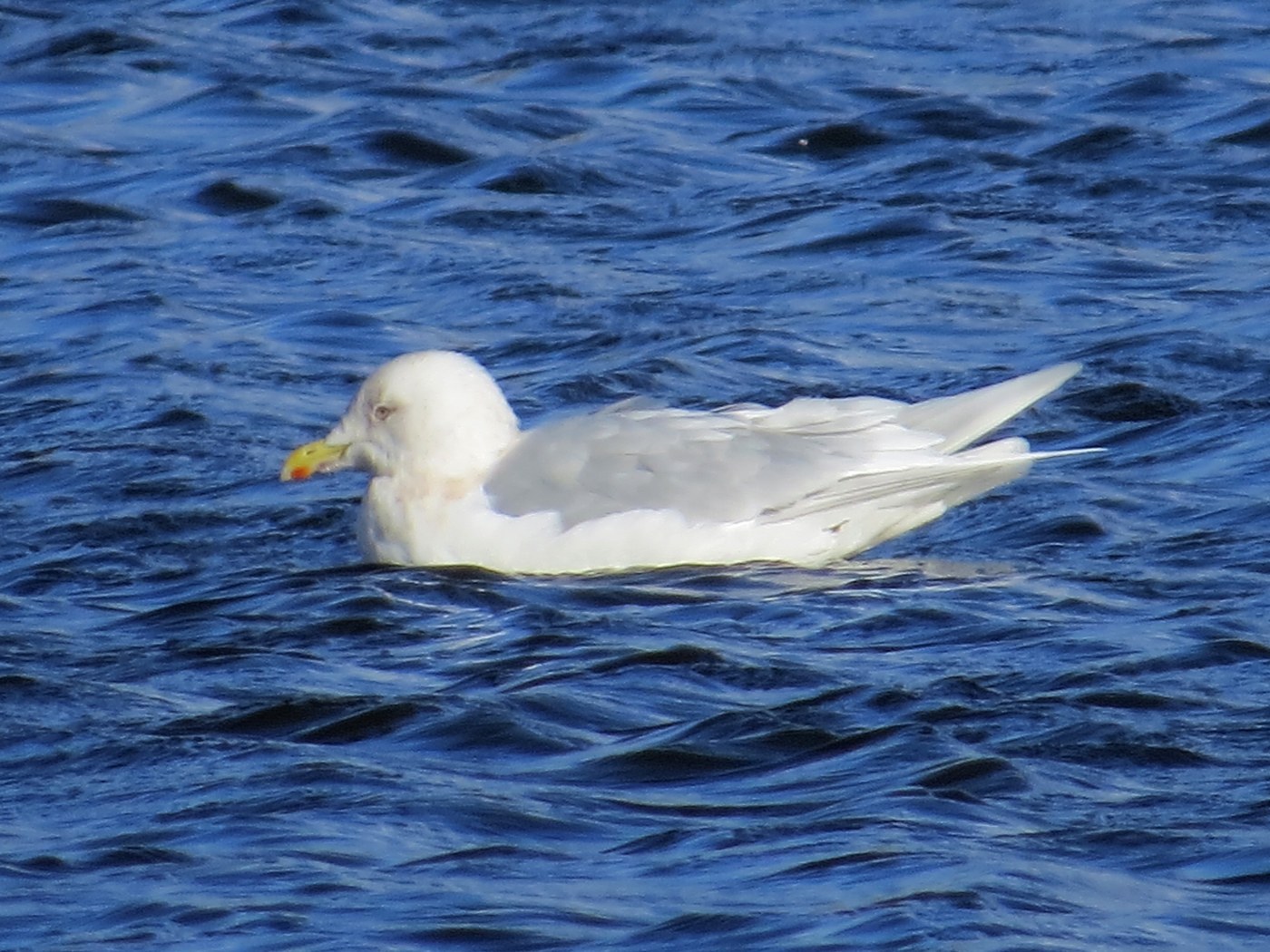
Iceland Gull
Body, flight, and tail feathers

Ring-billed Gull
Body, flight, and tail feathers

Glaucous-winged Gull
Body, flight, and tail feathers

Herring Gull
Body, flight, and tail feathers

Lesser Black-backed Gull
Body, flight, and tail feathers

California Gull
Body, flight, and tail feathers
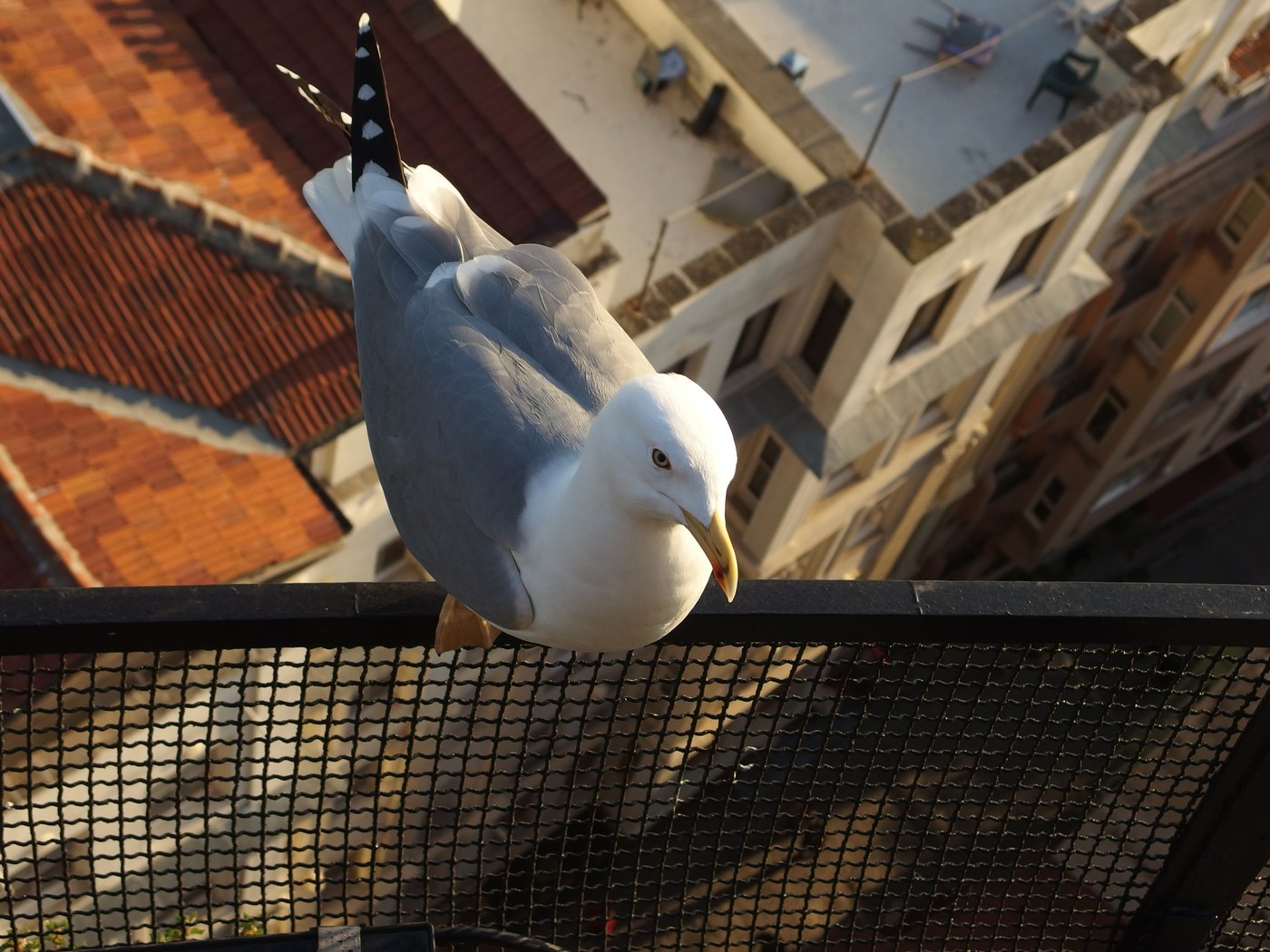
Yellow-legged Gull
Body, wing covert, and flight feathers