

Gray Treepie
Dendrocitta formosae
A gray, long-tailed corvid of Himalayan and Southeast Asian hill forests, distinguished by its black face mask and rufous undertail.
- Feather type
- Contour and long tail feathers
- Colours
- Gray head and body, black face, rufous undertail, black-and-white patterned wings
- Bird size
- Long-tailed, ~33-38 cm
Found a feather like this?
Identify any feather from a photo, free.
Overview
The Gray Treepie is a slender corvid found in hill and mountain forests along the Himalayan foothills, through mainland Southeast Asia, and in Taiwan. Unlike the rufous-bodied Eurasian Treepie, this species shows an overall gray body plumage set off by a black face and a rufous undertail patch. It shares the elongated graduated tail typical of treepies.
Identifying the Feather
Contour feathers on the crown, nape, and body are gray, while the face and throat show a contrasting black mask. The wings are patterned with black and white, and the undertail coverts are a warm rufous, visible when the tail is fanned or the bird is seen from below. The tail is long and graduated, mostly gray with a dark tip. This gray body combined with a black facial mask and rufous vent separates it from the rufous-toned Eurasian Treepie.
Plumage & Molt
Sexes look alike in plumage. Juveniles are somewhat duller and grayer overall with a less defined black face mask, which sharpens as the bird matures. A single complete molt occurs annually after breeding.
Habitat & Range
Gray Treepies inhabit broadleaf and mixed hill forests, forest edges, and secondary growth across the Himalayan foothills, northern Southeast Asia, and Taiwan. They are largely resident, with some local altitudinal movement.
Behavior & Field Notes
This species forages in small groups through the forest canopy and understory, taking insects, small vertebrates, and fruit. Calls are varied and include harsh chattering and more musical whistled notes. Flight is somewhat weak and undulating over short distances between trees. Nests are built as stick platforms placed in tree forks within forest habitat.
Frequently asked questions
How can I identify a Gray Treepie feather?
Look for gray body feathers paired with a black facial mask and rufous undertail feathers, along with a very long graduated gray-and-black tail.
Where does the Gray Treepie live?
It lives in hill and mountain forests of the Himalayan foothills, mainland Southeast Asia, and Taiwan.
How is the Gray Treepie different from the Eurasian Treepie?
The Gray Treepie has an overall gray body rather than the rufous-brown body of the Eurasian Treepie, along with a distinct black face mask.
What habitat does this species prefer?
It favors broadleaf and mixed hill forest, forest edges, and secondary growth at moderate elevations.
Gray Treepie guides
In-depth guides for identifying and understanding Gray Treepie.

Other feathers you may enjoy

Yellow-billed Magpie
Contour, wing, and tail feathers

White-throated Magpie-Jay
Contour, wing, and tail feathers

White-necked Crow
Contour and flight feathers

Slender-billed Crow
Contour and flight feathers

Sinaloa Crow
Contour and flight feathers

Siberian Jay
Contour, wing, and tail feathers

Yellow-billed Blue Magpie
Contour, wing, and tail feathers
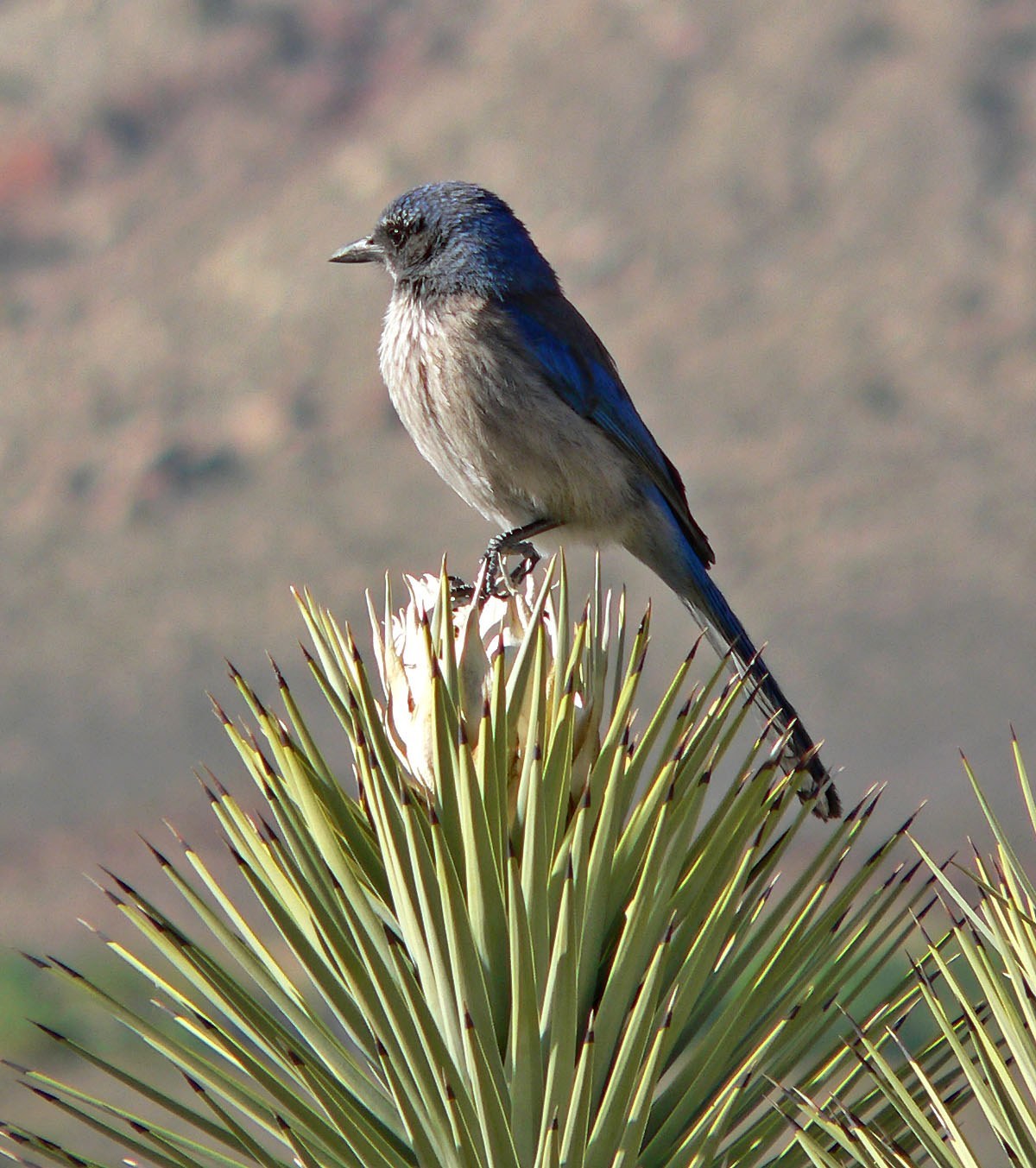
Woodhouse's Scrub-Jay
Contour and flight feathers
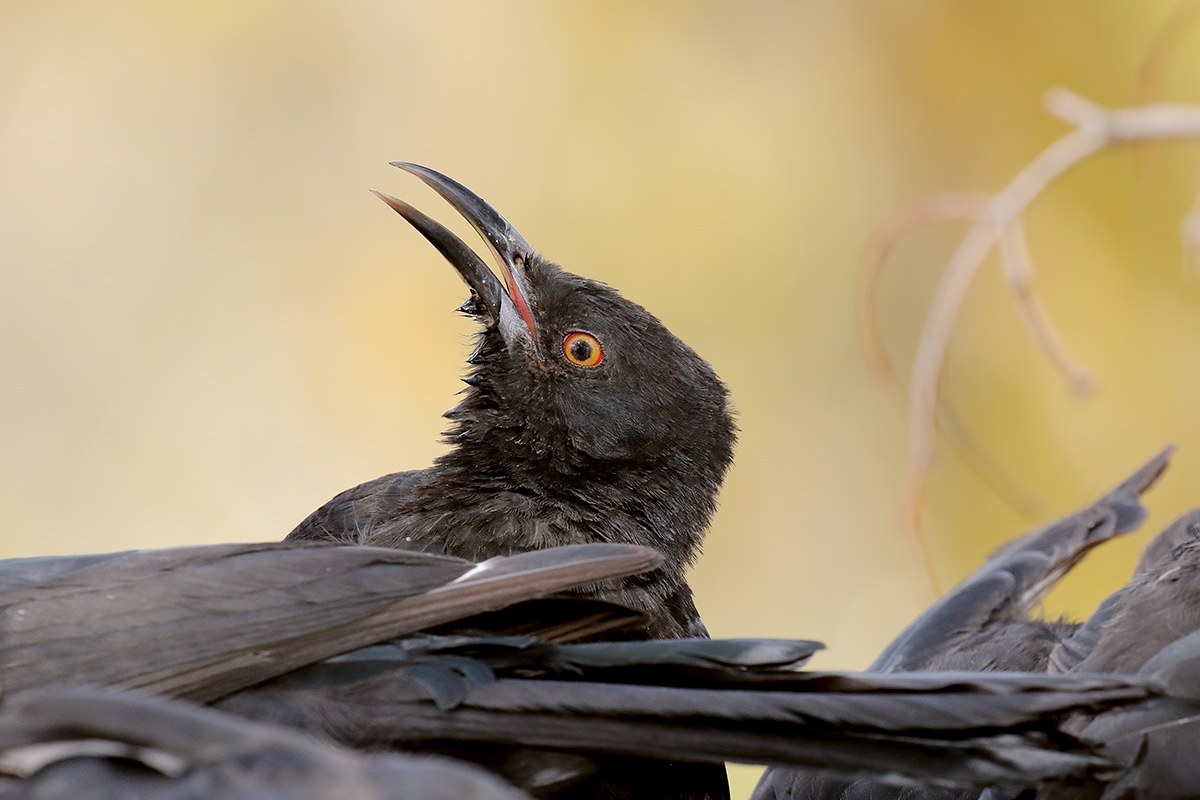
White-winged Chough
Contour and flight feathers

Rufous Treepie
Long, graduated tail feathers; loose body contour feathers

Thick-billed Raven
Contour and flight feathers
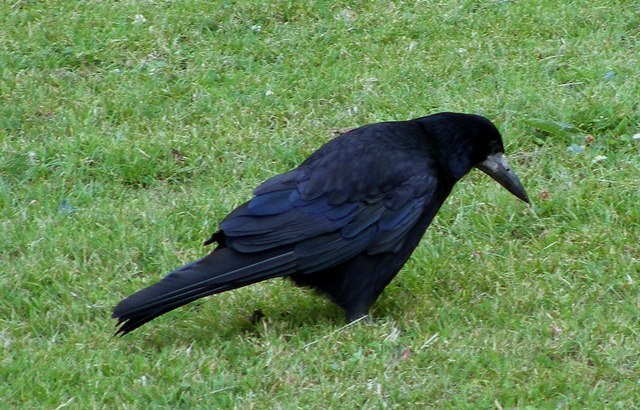
Rook
Glossy purple-black flight and body feathers; loose, shaggy thigh (leg) feathers