

Forster's Tern
Sterna forsteri
A North American marsh tern with notably pale, frosty primaries and a distinctive nonbreeding head pattern featuring a dark patch through the eye rather than a full black cap.
- Feather type
- Body and flight feathers
- Colours
- Pale gray upperparts, white underparts, frosty white primaries
- Bird size
- Small-medium tern, ~33-36 cm
Found a feather like this?
Identify any feather from a photo, free.
Overview
Overview
Forster's Tern is a medium-sized tern largely confined to North America, breeding in coastal and inland marshes rather than the open beaches and islands favored by several closely related terns. Its most useful identifying feature is the pale, frosty appearance of the primaries, which often look whiter than the rest of the wing rather than showing a darker wedge as in Common Tern. In nonbreeding plumage the species develops a distinctive black patch through and around the eye, contrasting with a largely white head and differing from the full black nape band shown by Common and Arctic Terns at that season.
This combination of pale wingtips and a unique winter head pattern makes Forster's Tern relatively straightforward to identify once these features are known, even amid mixed tern flocks.
Identifying the Feather
Feather Identification
- Wing feathers: Primaries appear pale and frosty, often lighter than the rest of the upperwing, a reversal of the pattern in Common Tern where the primaries are typically darker than the coverts.
- Tail feathers: Moderately forked, with the outer tail feathers showing dark gray outer webs, contributing to a slightly two-toned tail pattern.
- Size and shape: Bill is comparatively heavy and orange with a black tip in breeding plumage, thicker-based than in some similarly sized terns.
- Body feathers: Pale gray upperparts and white underparts, with a black cap in breeding adults.
- Compared to similar species: Common Tern shows darker, more contrasty primaries and a full black nape band in winter; Forster's Tern's winter plumage instead shows an isolated black mask through the eye on an otherwise white head, a pattern unique among regularly encountered North American terns.
Plumage & Molt
Plumage Details
Breeding adults show a black cap, pale gray upperparts, white underparts, an orange bill with a black tip, and orange legs. In nonbreeding plumage the cap is lost, replaced by a distinctive black patch surrounding the eye on an otherwise white head, a pattern that stands out from the black half-collar typical of Common and Arctic Terns in winter. Juveniles show a buffy wash on the head and back with some dark markings, transitioning through immature plumages that show a mix of juvenile and adult-type feathers before acquiring full adult plumage in subsequent years.
Habitat & Range
Habitat & Range
Forster's Tern breeds in freshwater and brackish marshes across the interior and coastal regions of North America, nesting on floating vegetation, muskrat houses, or other emergent platforms within marsh habitat, a departure from the open beach and island nesting preferred by many related terns. It is migratory, with northern and interior populations moving to coastal areas, including the Gulf Coast and parts of the Pacific and Atlantic coasts, for the winter, where marshes, estuaries, and shallow bays provide suitable foraging habitat.
Behavior & Field Notes
Behavior & Field Notes
Forster's Tern forages by hovering and plunge-diving for small fish in shallow marsh channels, estuaries, and coastal waters, and also takes aquatic invertebrates opportunistically. It nests colonially on floating marsh vegetation or emergent structures, often placing nests just above the waterline in dense marsh habitat. The call is a nasal, buzzy "zreep" or similar grating note, distinct in tone from the calls of Common Tern. Attention to the frosty primaries and distinctive winter eye patch are the most reliable ways to separate this species from other similar terns in the field.
Frequently asked questions
What is the easiest way to recognize Forster's Tern's wingtips?
Its primaries appear pale and frosty, often lighter than the rest of the wing, the opposite of the darker-tipped primaries typical of Common Tern.
How does the winter head pattern differ from other terns?
Forster's Tern shows an isolated black patch surrounding the eye on an otherwise white head, rather than the full black band running from the eye around the nape seen in Common and Arctic Terns.
Where does Forster's Tern typically nest?
It nests in freshwater and brackish marshes, often on floating vegetation or emergent structures, unlike many terns that prefer open beaches or islands.
Is Forster's Tern found outside North America?
It is largely confined to North America for breeding, wintering mainly along the southern coasts of the United States, Mexico, and Central America.
Forster's Tern guides
In-depth guides for identifying and understanding Forster's Tern.

Other feathers you may enjoy

Western Gull
Body, flight, and tail feathers
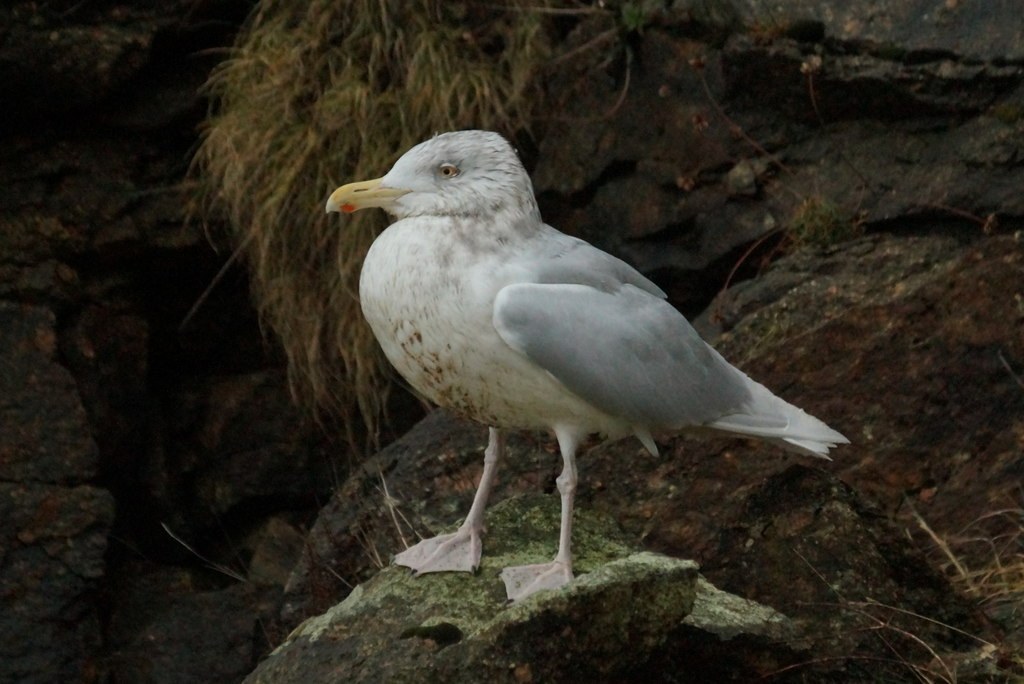
Glaucous Gull
Body, flight, and tail feathers

American Herring Gull
Body, flight, and tail feathers

Great Black-backed Gull
Body, flight, and tail feathers

Common Gull
Body, flight, and tail feathers
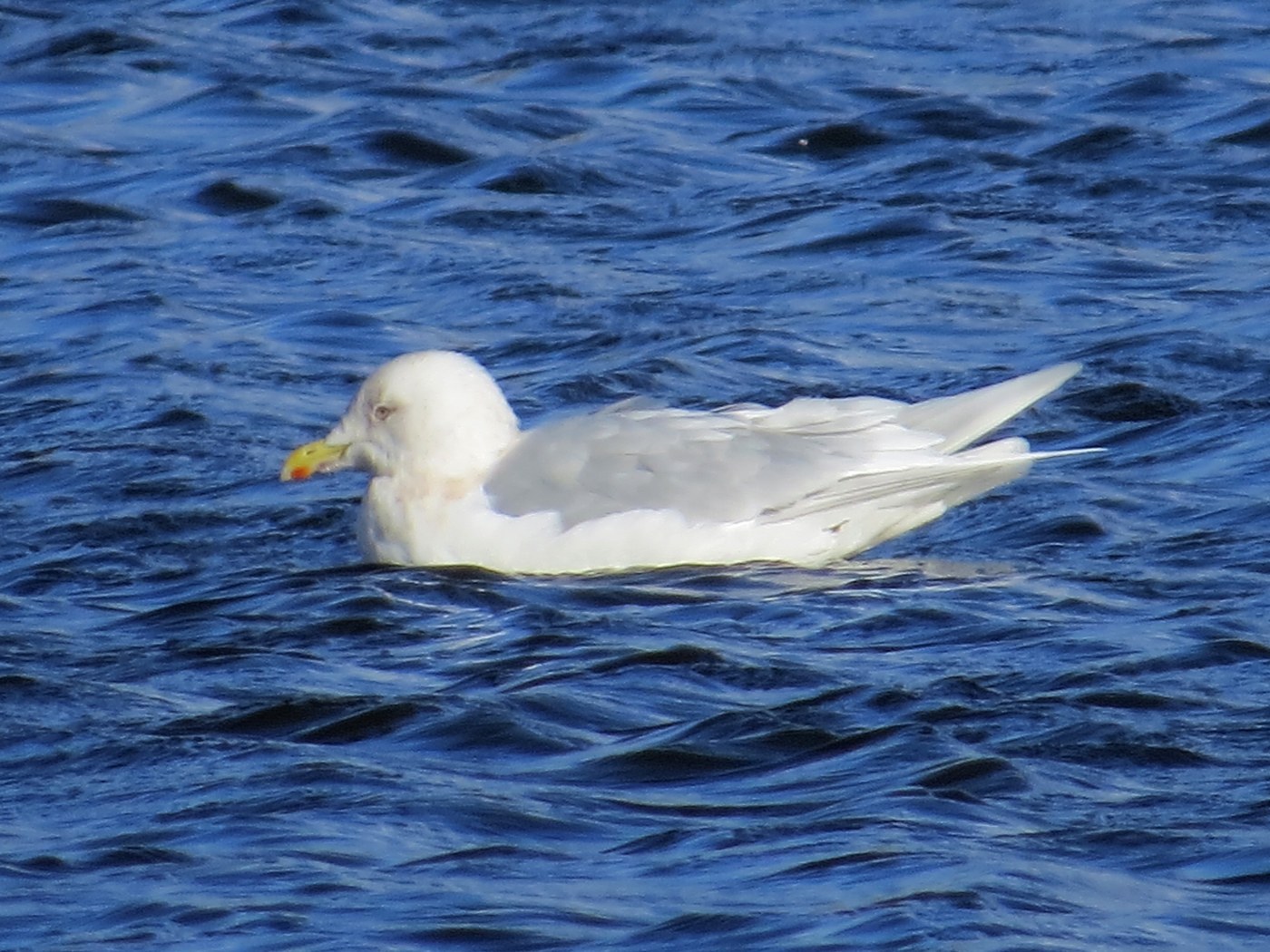
Iceland Gull
Body, flight, and tail feathers

Ring-billed Gull
Body, flight, and tail feathers

Glaucous-winged Gull
Body, flight, and tail feathers

Herring Gull
Body, flight, and tail feathers

Lesser Black-backed Gull
Body, flight, and tail feathers

California Gull
Body, flight, and tail feathers
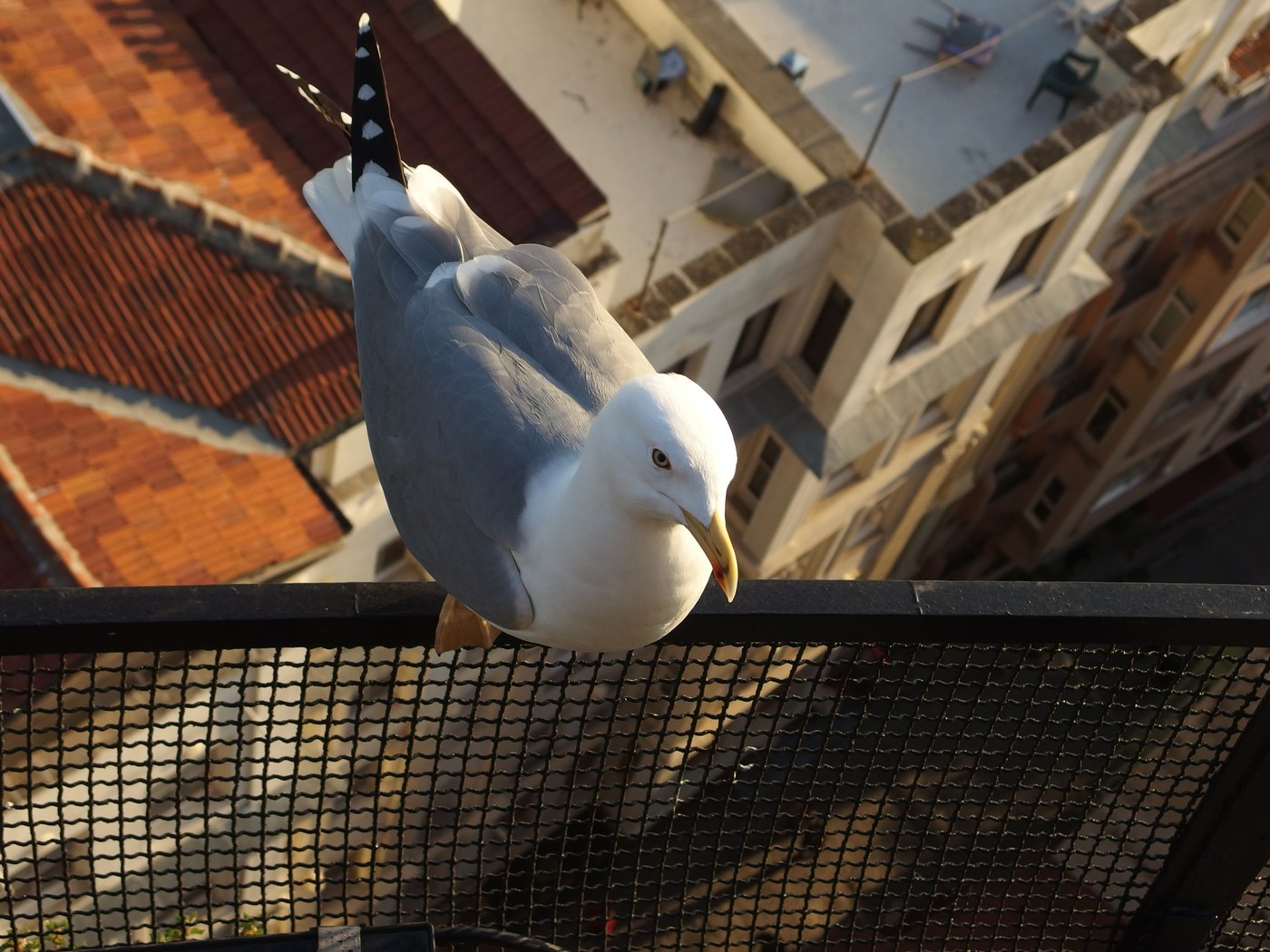
Yellow-legged Gull
Body, wing covert, and flight feathers