

European Storm-Petrel
Hydrobates pelagicus
One of the smallest seabirds in the world, sooty black overall with a white rump patch, fluttering like a large bat low over the waves.
- Feather type
- Small, soft flight and body feathers
- Colours
- Sooty black with a white rump patch and white underwing bar
- Bird size
- Very small, ~14-18 cm
Found a feather like this?
Identify any feather from a photo, free.
Overview
Overview
The European Storm-Petrel is a tiny, sparrow-sized seabird that spends almost all its life far out at sea, coming ashore only at night to breed in burrows and crevices on remote islands. Its small size and fluttering, bat-like flight distinguish it from all but a few other tubenoses.
It is the smallest storm-petrel in the eastern Atlantic and Mediterranean, and its feathers reflect this diminutive scale, being noticeably smaller than those of the larger Leach's Storm-Petrel found in the same general region.
Identifying the Feather
European Storm-Petrel feathers are tiny and lightweight, fitting the bird's very small body size.
- Body feathers: Sooty black to sooty brown overall, with a well-defined white patch of feathers across the rump.
- Underwing: A narrow white bar crosses the underwing coverts, visible on individual covert feathers as a pale band against otherwise dark feathering.
- Flight feathers: Small, blackish, and rounded, without barring or strong pattern.
- Compared to Leach's Storm-Petrel: European Storm-Petrel feathers are smaller overall, and the species lacks the pale, contrasting carpal bar on the upperwing that Leach's shows; the tail is also square-ended rather than forked.
Plumage & Molt
Adults are uniformly sooty black-brown apart from the crisp white rump band and the pale underwing bar. Sexes are alike. Juveniles closely resemble adults with little visible difference in the field. Molt occurs mainly away from the breeding colony, allowing the demanding schedule of nightly nest visits to continue without major gaps in flight feathers.
Habitat & Range
European Storm-Petrels breed on rocky islands and remote coastal cliffs around the eastern Atlantic, Mediterranean, and nearby archipelagos, nesting in burrows, crevices, and stone walls. Outside the breeding season they range widely over the eastern Atlantic and adjacent seas, remaining almost entirely pelagic and rarely seen from land except during onshore storms.
Behavior & Field Notes
This tiny petrel feeds by pattering its feet on the sea surface while fluttering low over the water to pick up small prey items and oily residues, and it often follows fishing boats to feed on discarded material. It visits its nesting burrow strictly after dark to avoid predatory gulls and skuas, laying a single egg per season, with both parents sharing incubation over an extended period. Its calls are soft purring and hiccupping notes given underground at the nest site.
Frequently asked questions
How can I recognize a European Storm-Petrel feather?
Look for very small, sooty black feathers, ideally alongside evidence of a crisp white rump patch and a narrow white bar on the underwing coverts.
How is a European Storm-Petrel feather different from a Leach's Storm-Petrel feather?
European Storm-Petrel feathers are smaller and lack the pale, contrasting bar on the upperwing coverts that Leach's Storm-Petrel typically shows.
Do European Storm-Petrels molt on a fixed schedule?
Molt generally occurs away from the demanding period of nightly nest visits, allowing feather replacement without seriously disrupting flight ability.
Where would someone realistically find a European Storm-Petrel feather?
Mostly near remote island breeding colonies in the eastern Atlantic and Mediterranean, or occasionally on beaches after strong onshore storms.
European Storm-Petrel guides
In-depth guides for identifying and understanding European Storm-Petrel.

Other feathers you may enjoy

Western Gull
Body, flight, and tail feathers
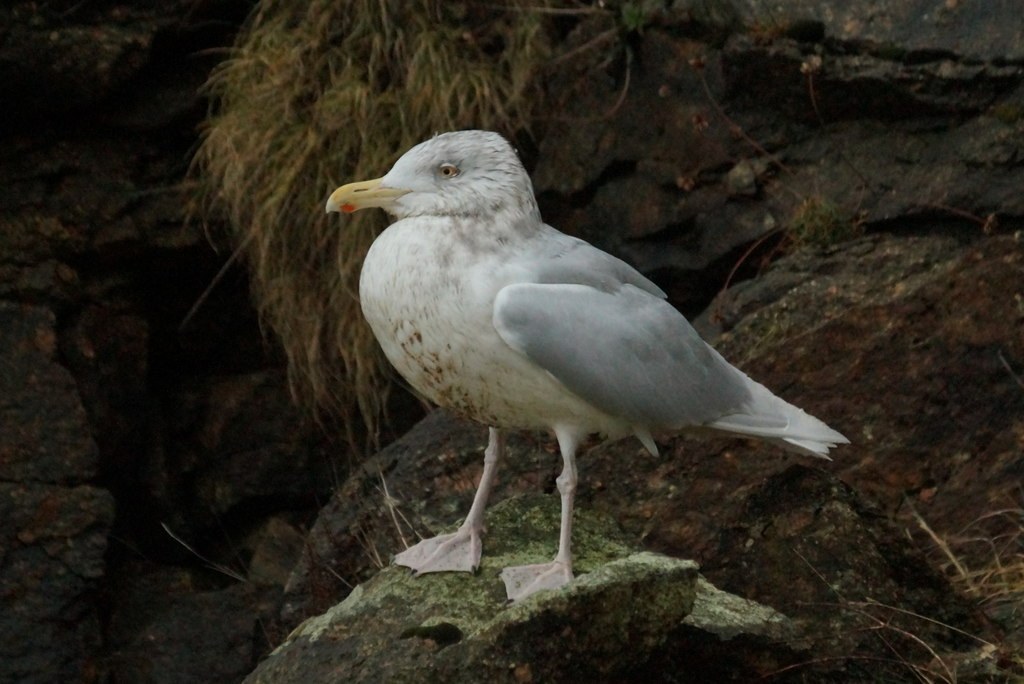
Glaucous Gull
Body, flight, and tail feathers

American Herring Gull
Body, flight, and tail feathers

Great Black-backed Gull
Body, flight, and tail feathers

Common Gull
Body, flight, and tail feathers
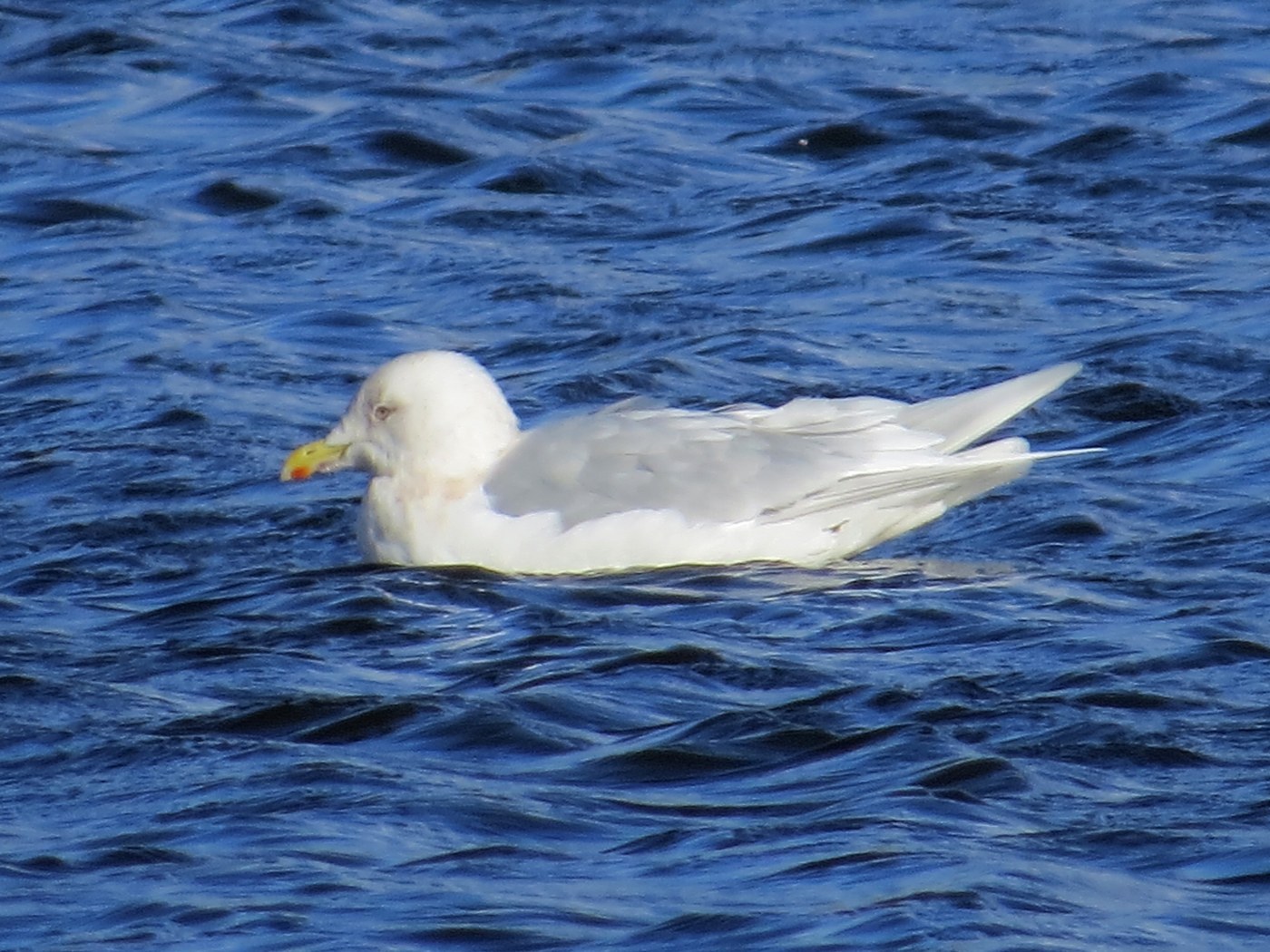
Iceland Gull
Body, flight, and tail feathers

Ring-billed Gull
Body, flight, and tail feathers

Glaucous-winged Gull
Body, flight, and tail feathers

Herring Gull
Body, flight, and tail feathers

Lesser Black-backed Gull
Body, flight, and tail feathers

California Gull
Body, flight, and tail feathers
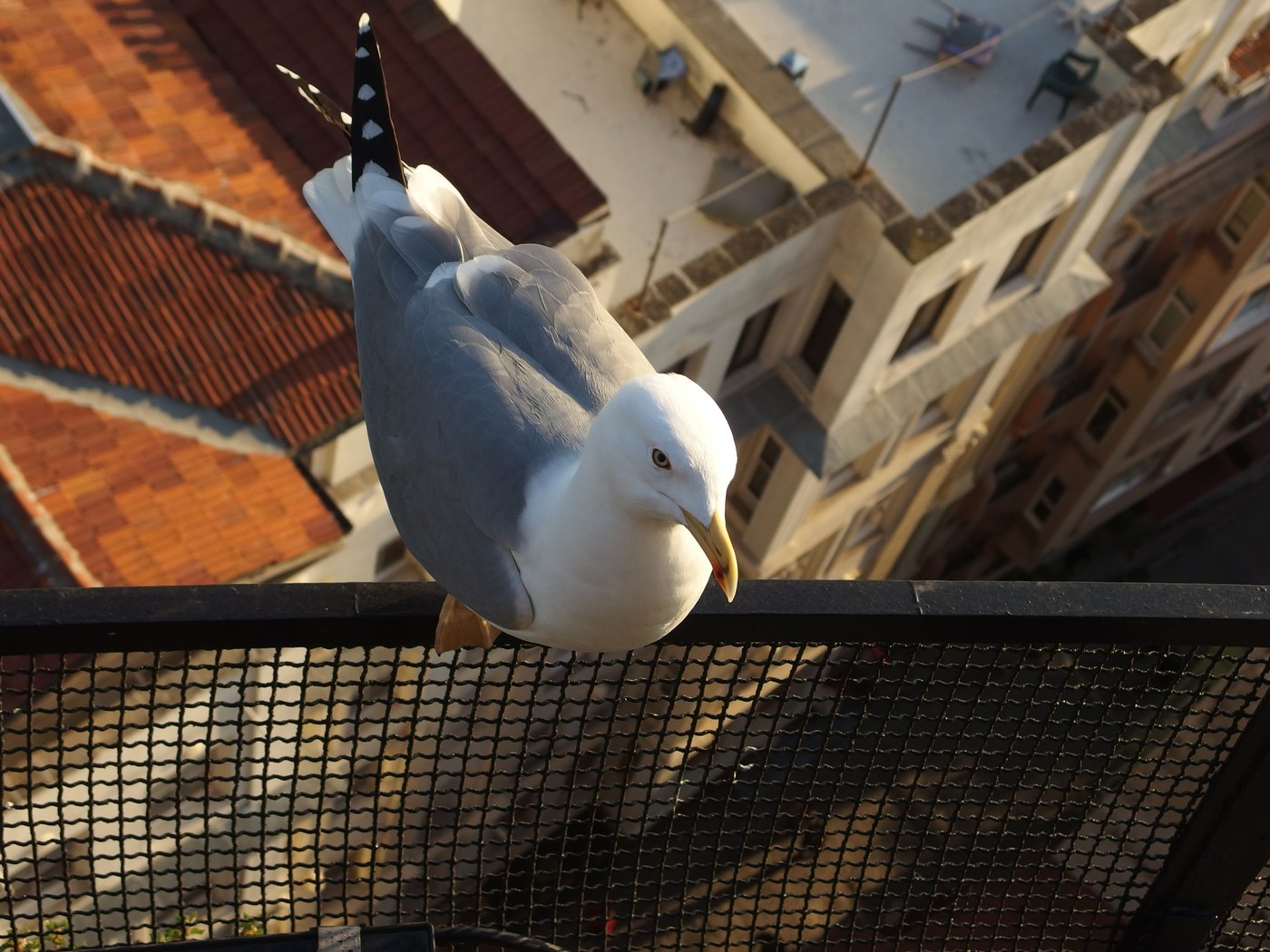
Yellow-legged Gull
Body, wing covert, and flight feathers