

European Starling
Sturnus vulgaris
An abundant introduced songbird whose feathers change appearance through wear alone, shifting from spotted in fresh winter plumage to glossy and unspotted by breeding season.
- Feather type
- Glossy iridescent contour feathers in breeding plumage; heavily white-spangled feathers in fresh winter plumage; short, pointed wing feathers
- Colours
- Glossy black with green-purple iridescence in breeding season; covered in white or buff spots in fresh winter plumage that wear off by spring
- Bird size
- Medium songbird, ~20-23 cm, with a short tail and pointed wings
Found a feather like this?
Identify any feather from a photo, free.
Overview
The European Starling is an abundant, highly adaptable songbird introduced to North America in the 1890s, now found across nearly the entire continent. It is easily recognized by its short tail, pointed triangular wings in flight, and large, noisy flocks.
One of its most distinctive features is a seasonal change in appearance produced entirely by feather wear rather than a spring molt: fresh feathers grown in fall have pale spotted tips, but as these tips wear away over the winter and spring, the glossy, iridescent black base of the feather is revealed.
This makes the European Starling one of the few common songbirds whose plumage transformation can be tracked directly through the physical wearing of its feathers rather than through a change of feathers.
Identifying the Feather
Size and Shape
Short tail feathers and long, pointed wing feathers, giving a triangular silhouette in flight distinct from most other blackbirds.
Color and Pattern
- In fresh fall and winter plumage, contour feathers are black with pale white or buffy spots at the tips.
- Through winter and spring, these pale tips wear away, revealing glossy, iridescent green-purple-black feathers underneath by the breeding season.
- The bill is dark in winter and turns yellow in the breeding season, a helpful seasonal cue alongside feather wear.
Comparisons
The seasonal transition from spotted to glossy unspotted plumage without an intervening molt is a distinctive feature not shared by blackbirds such as the Common Grackle or Red-winged Blackbird, which do not show this specific spotted-to-glossy wear pattern.
Plumage & Molt
Sexes look similar. Fresh non-breeding feathers show pale spotting that wears away by breeding season to reveal glossy, unspotted iridescent plumage, a process driven by feather wear rather than a second molt. Juveniles are plain grayish-brown before molting into adult-like plumage in their first fall.
Habitat & Range
Introduced to North America in the 1890s, the European Starling is now widespread and abundant across nearly the entire continent, thriving in urban areas, farmland, and open fields. Most populations are resident with only local seasonal movement.
Behavior & Field Notes
European Starlings are highly vocal mimics and form large, coordinated flocks, sometimes performing dramatic aerial murmurations. They are cavity nesters and often compete with native species for nest sites. They forage on lawns and fields, probing the ground for insects. A black feather with pale spotting, or a glossy iridescent black feather without spots, both point to this species depending on the season.
Frequently asked questions
Why do European Starling feathers look different in winter versus summer?
Fresh fall feathers have pale spotted tips that gradually wear away over winter and spring, revealing the glossy iridescent black plumage beneath by breeding season, without an additional molt.
What wing shape helps identify this species in flight?
Short, pointed, triangular wings distinct from the more rounded wings of many other blackbirds.
Is the European Starling native to North America?
No, it was introduced from Europe in the 1890s and has since become widespread and abundant across the continent.
How can I tell a starling feather from a grackle feather?
Starling feathers are shorter overall with a distinctive spotted-to-glossy seasonal wear pattern, while grackle feathers are longer, especially the keel-shaped tail feathers, and do not show this specific spotting pattern.
European Starling guides
In-depth guides for identifying and understanding European Starling.

European Starling identified by the community
Real feathers identified with Feather Identifier.


Other feathers you may enjoy

Yellow-breasted Bunting
Contour and flight feathers, chestnut-and-yellow breeding pattern
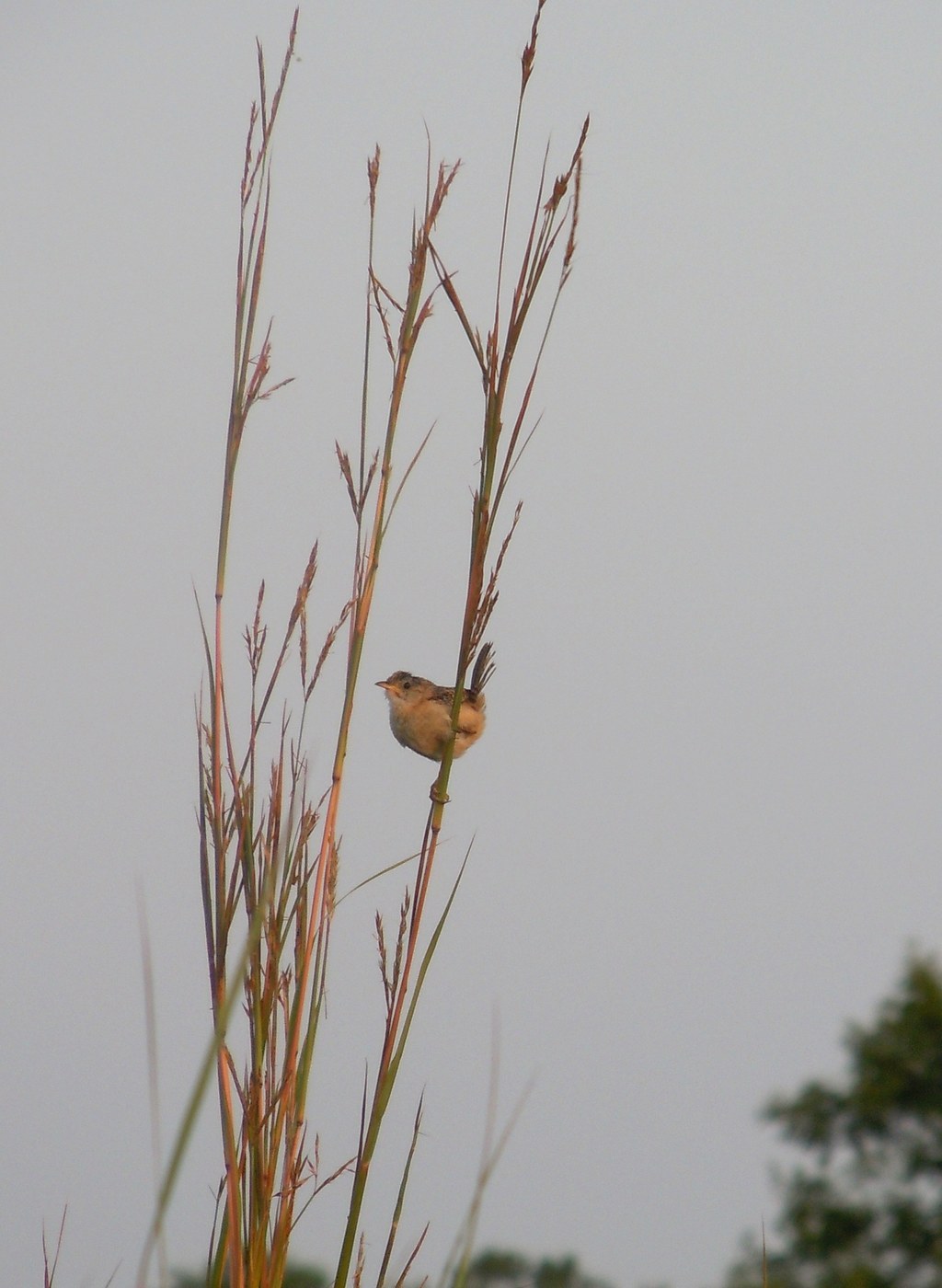
Sedge Wren
Tiny streaked crown and back feathers

Yellow-winged Cacique
Glossy black body feathers, yellow wing patch, shaggy crest

Yellow Warbler
Small contour and flight feathers
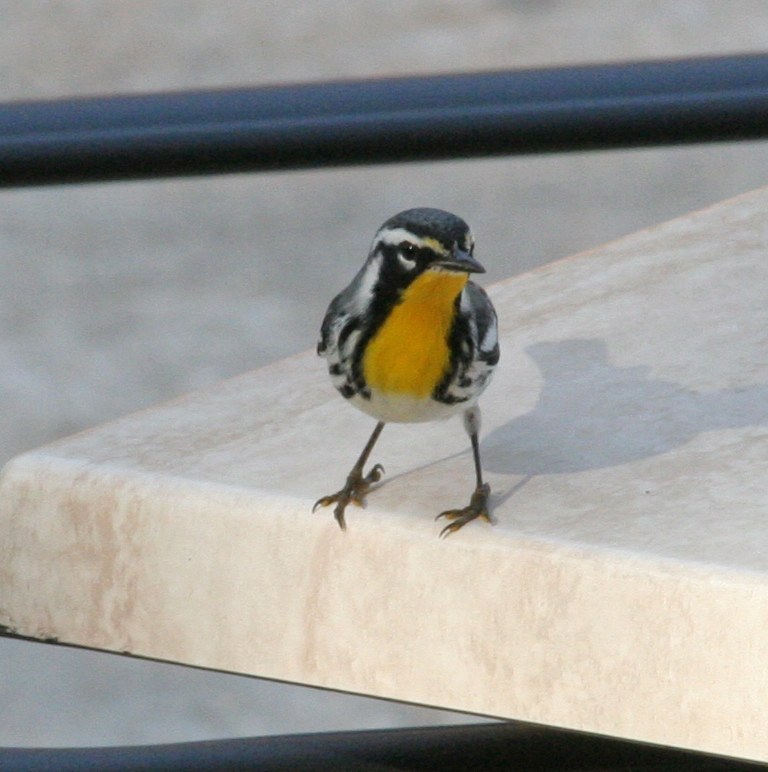
Yellow-throated Warbler
Small contour and flight feathers
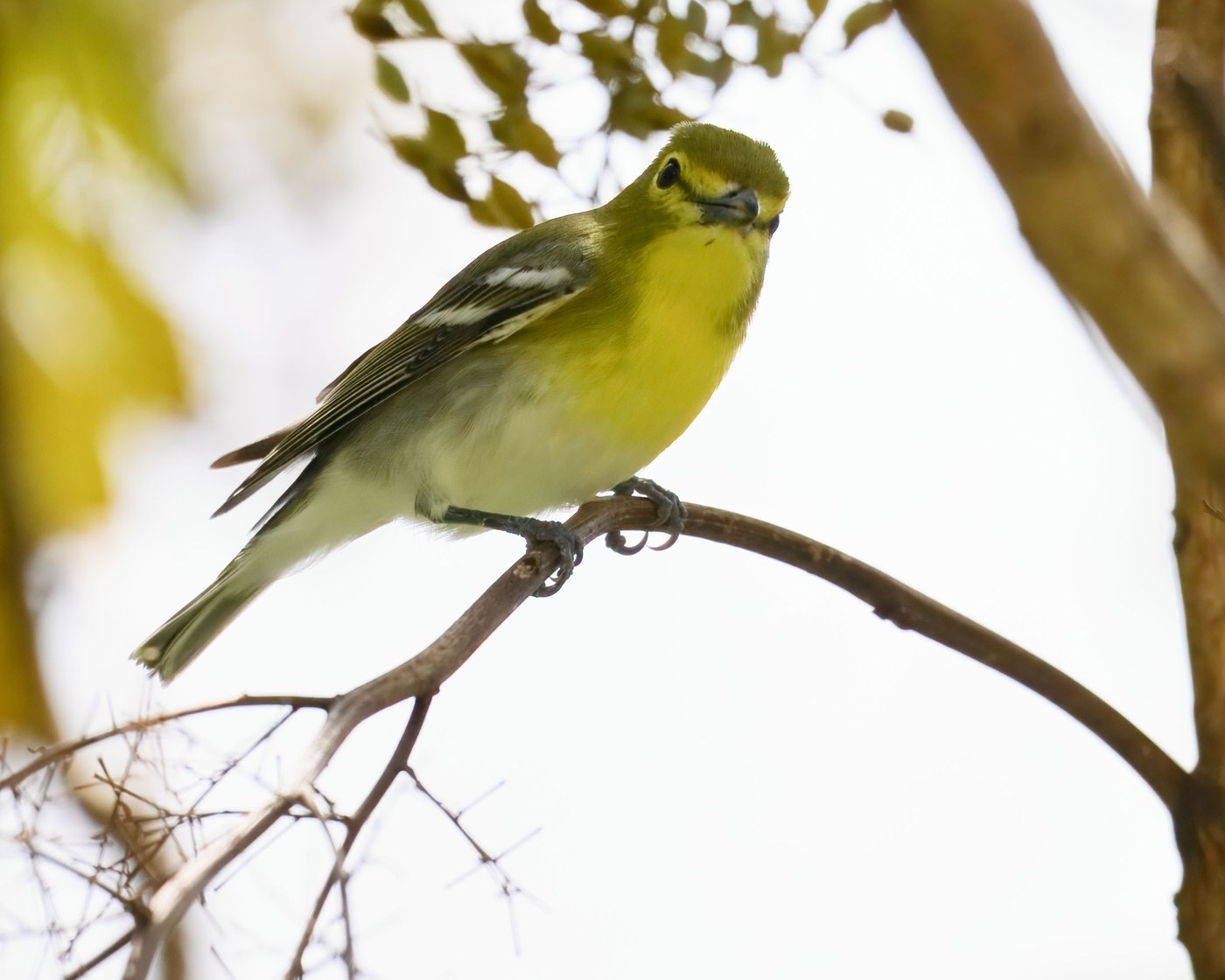
Yellow-throated Vireo
Bright yellow throat and spectacle feathers; olive-green back feathers; two white wing-bar feathers

Yellow-rumped Warbler
Small contour and flight feathers
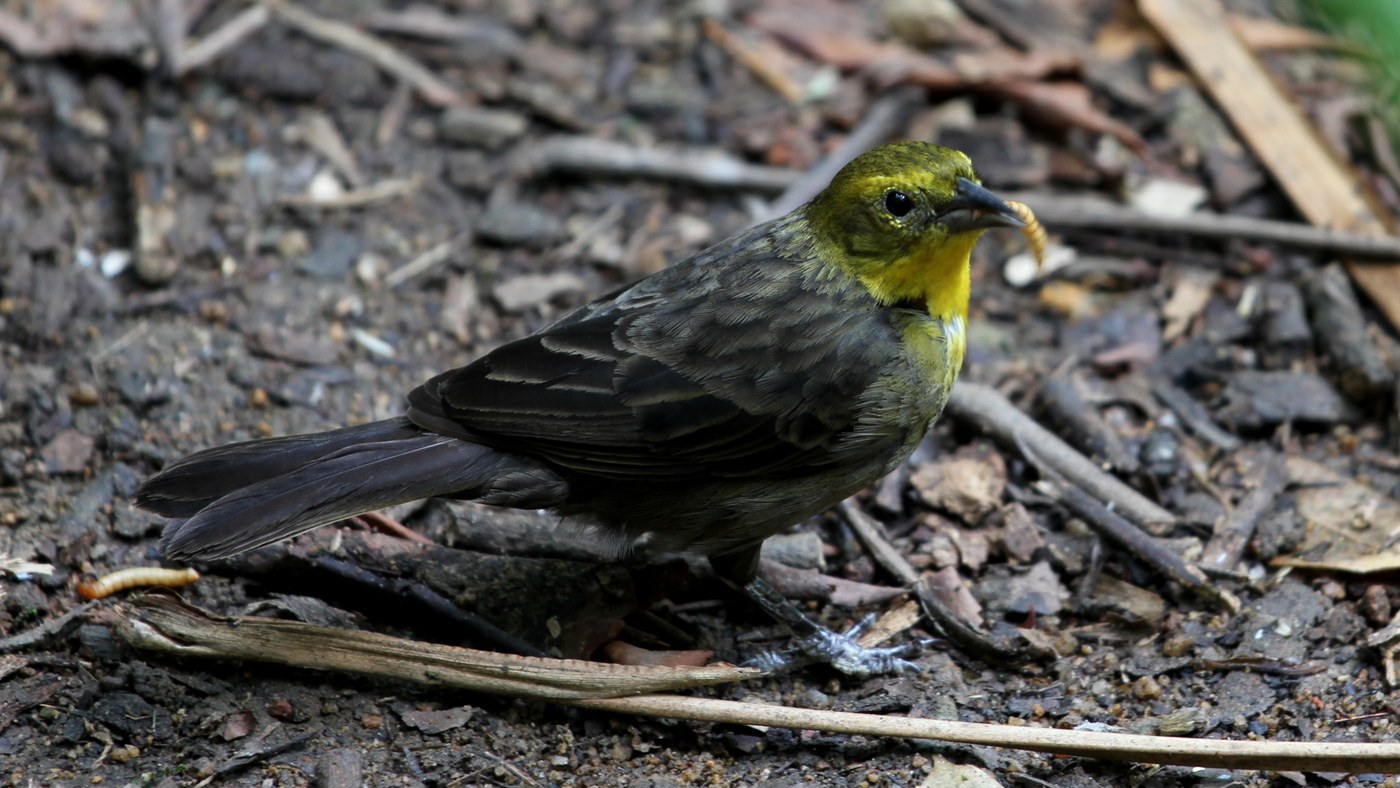
Yellow-hooded Blackbird
Contrasting hood and body feathers

Yellow-headed Blackbird
Glossy black body plumage with a bright yellow head and breast

Yellow-eyed Junco
Contour and flight feathers

Yellow-fronted Canary
Small, smooth body plumage

Yellow-breasted Greenfinch
Compact, smooth body plumage