
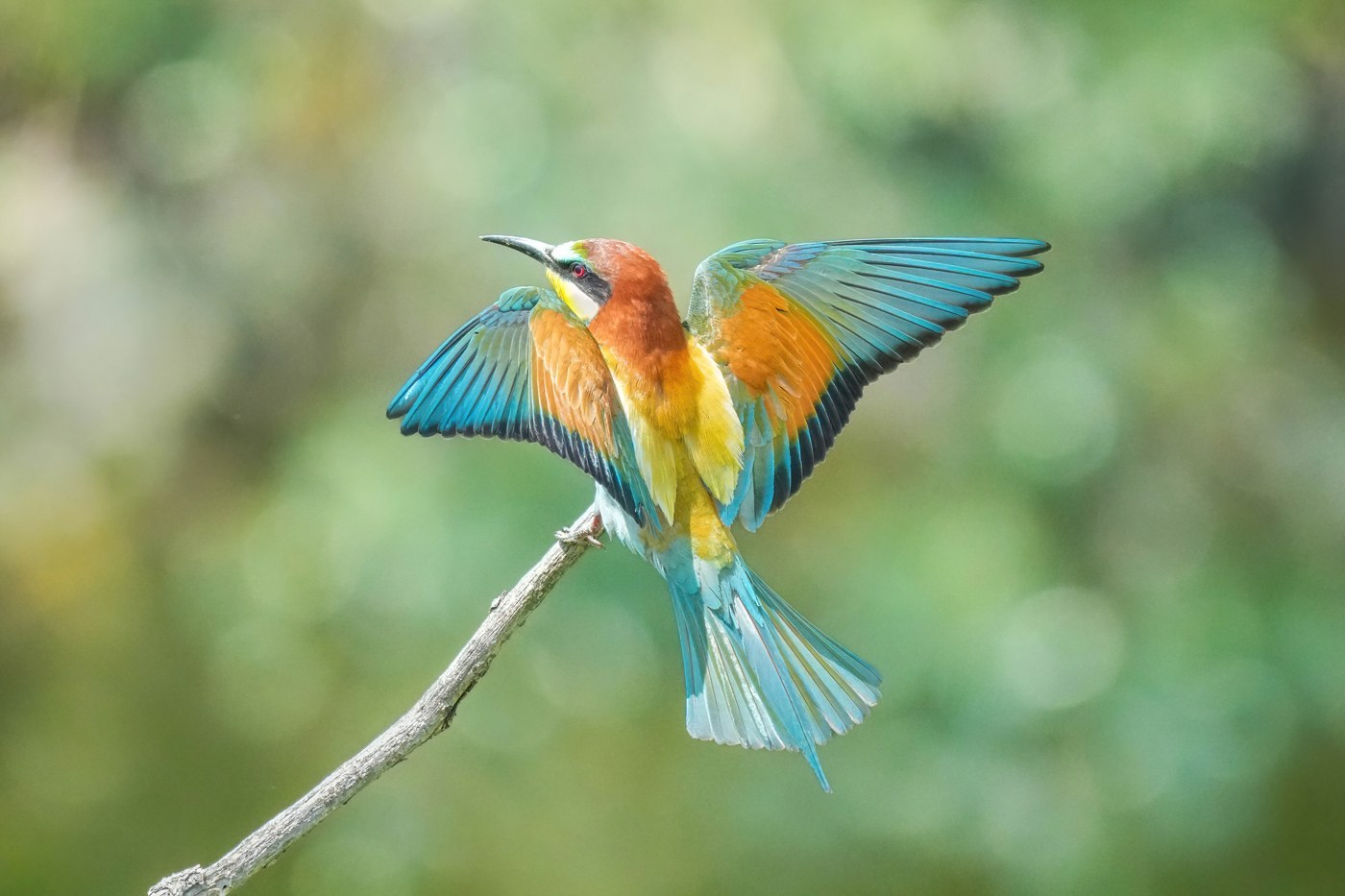
European Bee-eater
Merops apiaster
A dazzlingly colorful, streamlined bird combining chestnut, gold, and turquoise plumage, often seen hawking insects in graceful flight.
- Feather type
- Sleek, pointed contour feathers; long central tail streamers
- Colours
- Chestnut crown and back, golden-yellow throat, turquoise-blue underparts
- Bird size
- Robin-sized, ~27-29 cm including tail streamers
Found a feather like this?
Identify any feather from a photo, free.
Overview
Overview
The European Bee-eater is a strikingly colorful migratory species breeding across southern Europe, the Middle East, and parts of North Africa, wintering in sub-Saharan Africa. Its combination of vivid colors and elegant, aerial flight make it a favorite among birdwatchers.
- Long-distance migrant between Europe and sub-Saharan Africa
- Nests colonially in sandy riverbanks
- Among the most colorful birds in its range
Identifying the Feather
Feather Identification
European Bee-eater feathers show a striking three-tone pattern.
- Crown and mantle: rich chestnut-brown feathers
- Throat: bright golden-yellow, bordered by a thin black line
- Underparts: turquoise-blue, extending to the belly
- Tail: greenish-blue with elongated central feathers forming a pointed streamer
The combination of chestnut back, yellow throat, and blue underparts is unique among European birds, making this species straightforward to identify even in flight silhouette.
Plumage & Molt
Plumage Details
Sexes are similar, though females can show slightly greener tones on the back compared to the male's richer chestnut. Juveniles are duller overall, lacking the elongated tail streamers and showing greener upperparts. A complete molt occurs on the wintering grounds in Africa, with feathers refreshed before the return migration.
Habitat & Range
Habitat & Range
Breeds across southern and central Europe, North Africa, and the Middle East in open country with sandy banks for nesting, migrating to sub-Saharan Africa for the winter. It favors farmland, riverbanks, and open scrub with good insect availability.
Behavior & Field Notes
Behavior & Field Notes
European Bee-eaters catch flying insects, including bees and wasps, in agile aerial sallies from an exposed perch, then strike prey against a branch. They nest colonially in burrows dug into sandy banks or cliffs. Their call is a distinctive liquid, rolling "prrup" given frequently in flight, often the first clue to a passing flock overhead. Their pointed wings, streamer tail, and tricolor plumage make them easy to identify against the sky.
Frequently asked questions
What is the most distinctive plumage feature of the European Bee-eater?
Its combination of a chestnut back, golden-yellow throat, and turquoise-blue underparts, unmatched by other European birds.
Where does this species spend the winter?
It migrates from its European and Middle Eastern breeding range to spend the winter in sub-Saharan Africa.
How do juveniles differ from adults?
Juveniles are duller, greener above, and lack the elongated central tail streamers of adults.
Where does the European Bee-eater nest?
It nests colonially in burrows excavated into sandy riverbanks or earthen cliffs.
European Bee-eater guides
In-depth guides for identifying and understanding European Bee-eater.

Other feathers you may enjoy

Common Cuckoo
Flight and body feathers
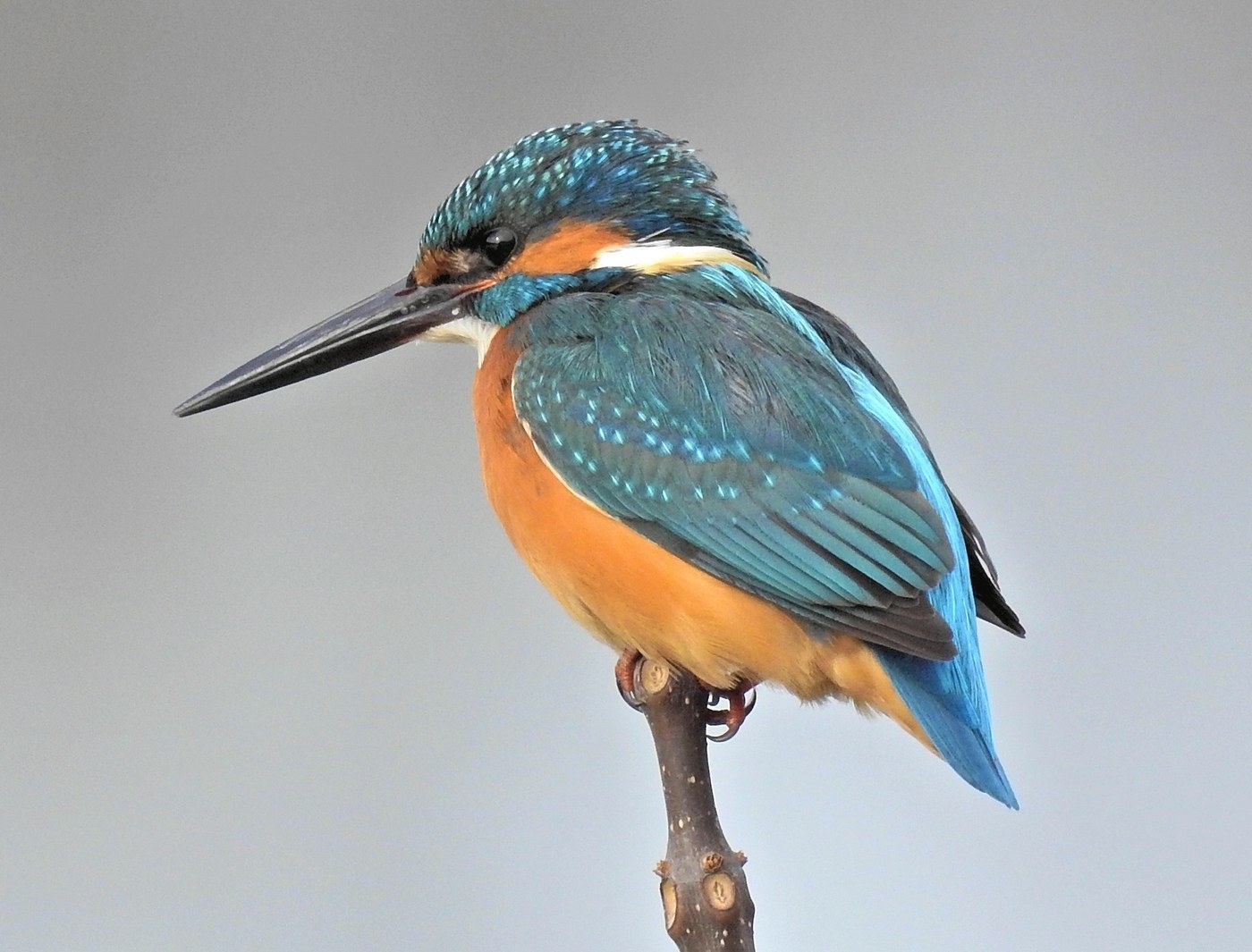
Common Kingfisher
Body (contour) and wing feathers
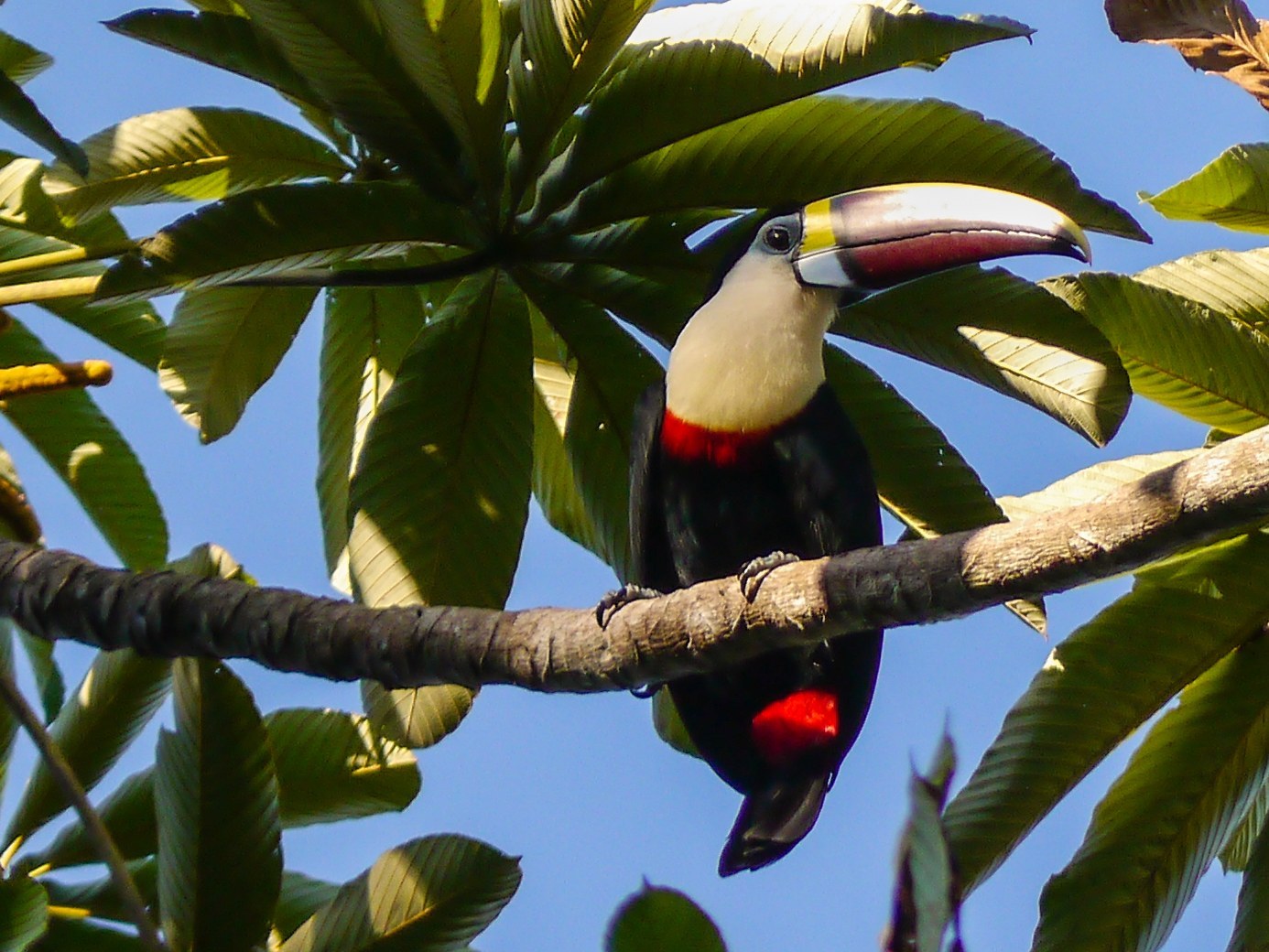
White-throated Toucan
Short rounded contour feathers, short broad wings
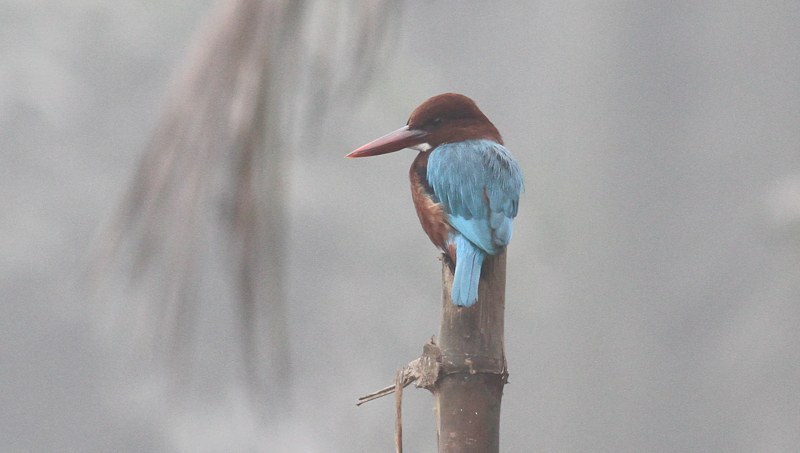
White-throated Kingfisher
Dense contour feathers; broad rounded wings

White-throated Bee-eater
Sleek, aerodynamic contour feathers; elongated central tail streamers
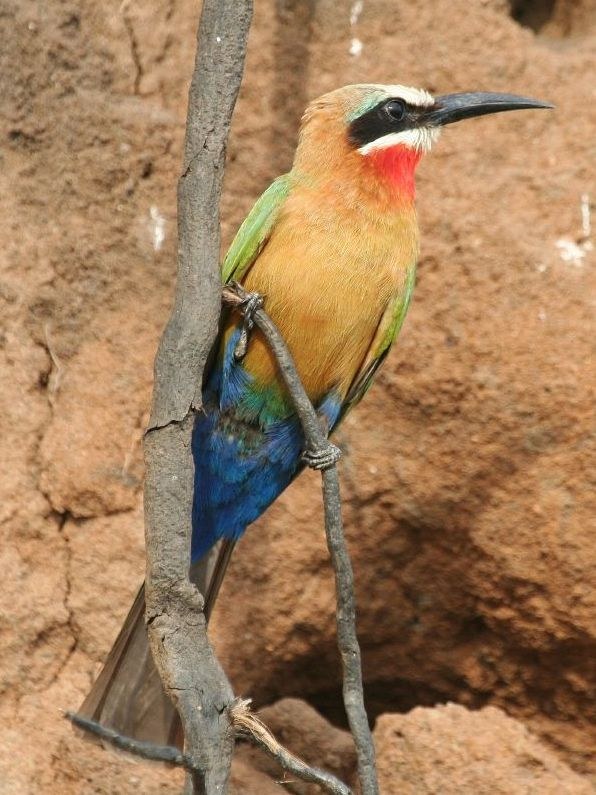
White-fronted Bee-eater
Sleek contour feathers; short tail with slight point

Southern Yellow-billed Hornbill
Slender contour feathers, moderate flight feathers
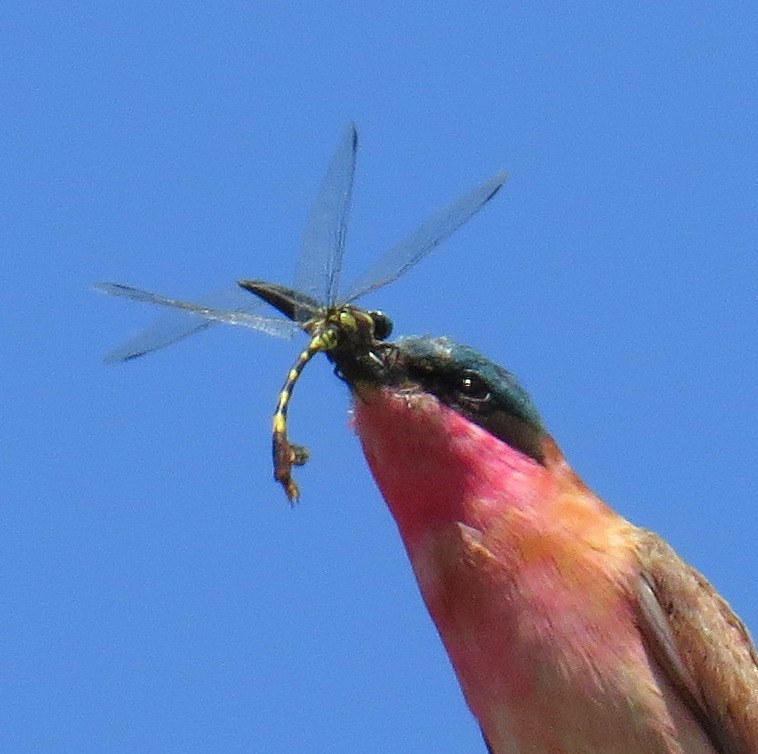
Southern Carmine Bee-eater
Sleek, pointed contour feathers; elongated central tail streamers
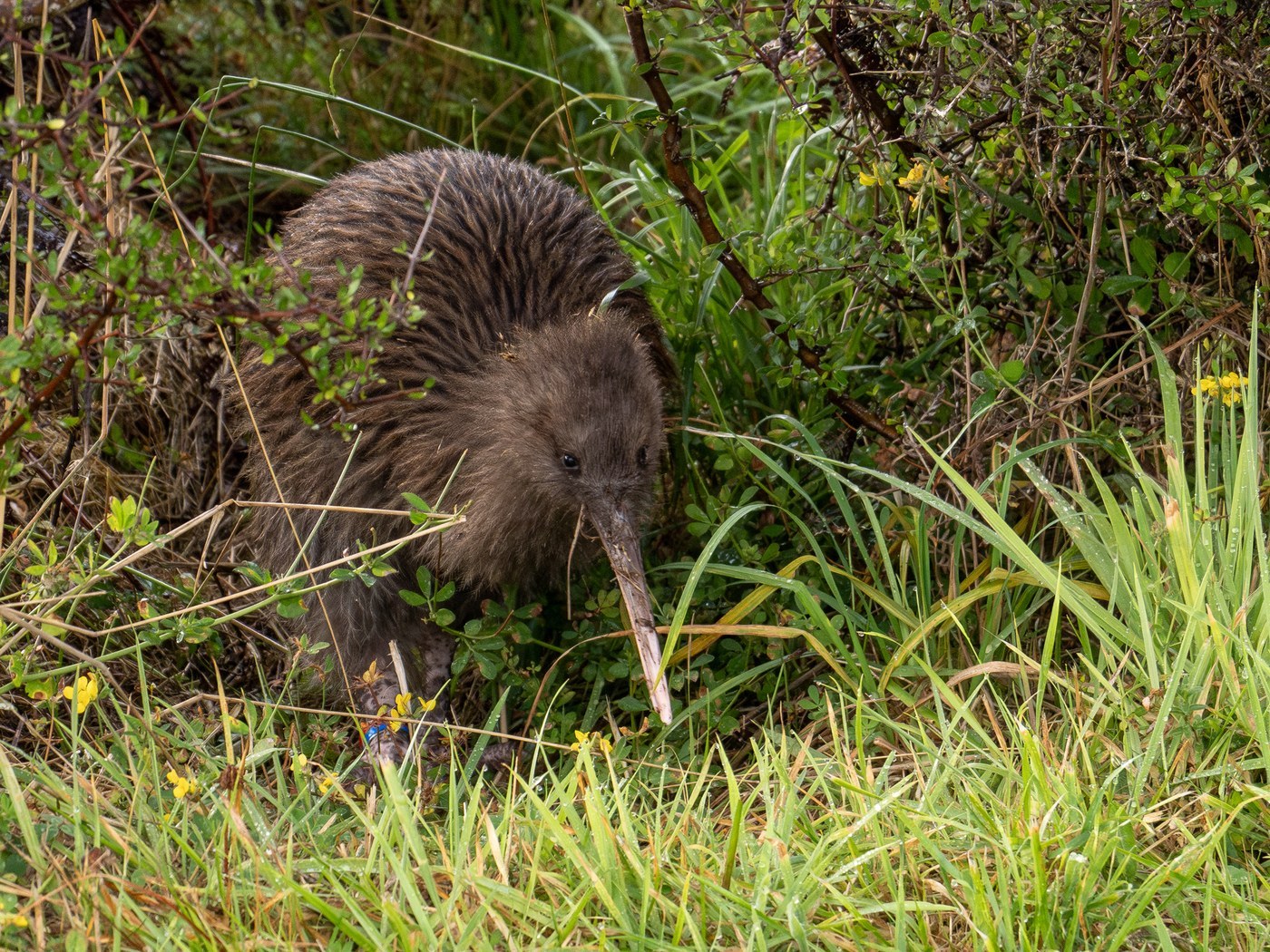
Southern Brown Kiwi
Shaggy, hair-like plumage with loose barbs lacking barbules; flightless, vestigial wings hidden beneath body feathers

Somali Ostrich
Loose, soft plumes lacking interlocking barbules

Wreathed Hornbill
Dense contour feathers, broad flight feathers

Woodland Kingfisher
Firm contour feathers; broad wing feathers