

Eurasian Treepie
Dendrocitta vagabunda
A slender, rufous-brown corvid with a black head and an extremely long graduated tail, common in gardens and open woodland across South Asia.
- Feather type
- Contour and long tail feathers
- Colours
- Rufous-brown body, black head, gray wing patch, black-and-gray graduated tail
- Bird size
- Long-tailed, ~46-50 cm including tail
Found a feather like this?
Identify any feather from a photo, free.
Overview
The Eurasian Treepie, also called the Rufous Treepie, is a slim, long-tailed member of the crow family widespread across the Indian subcontinent and into Southeast Asia. Its warm rufous-brown body plumage contrasts with a glossy black head, and its notably long tail makes up much of its total length. It is a familiar, vocal bird of gardens, groves, and open deciduous woodland.
Identifying the Feather
Contour feathers on the head are glossy black, while the back, breast, and belly are a warm rufous-brown. The wings show a contrasting pale gray patch alongside black flight feathers. The tail is exceptionally long and graduated, mostly gray with a broad black tip, and constitutes a large proportion of the bird's overall length. This long gray-and-black tail combined with the rufous body is diagnostic among South Asian corvids.
Plumage & Molt
Sexes appear similar in plumage. Juveniles are duller overall with a browner head that has not yet acquired the full glossy black of adults, and a somewhat shorter tail before it grows to full adult length. Adults undergo a complete molt annually.
Habitat & Range
This species occupies open woodland, forest edge, groves, plantations, and well-wooded gardens across the Indian subcontinent, extending into parts of Southeast Asia. It is generally resident, with only local movements related to food availability.
Behavior & Field Notes
Eurasian Treepies are omnivorous and forage in trees and on the ground, often in small noisy groups. They have a varied vocal repertoire including harsh, metallic, and bubbling calls, sometimes mimicking other birds. Flight between trees is somewhat undulating with the long tail trailing behind. Nests are built as loose stick platforms in trees, and pairs can be quite vocal and bold around human habitation.
Frequently asked questions
How do I identify a Eurasian Treepie feather?
Body feathers are warm rufous-brown, the head feathers are glossy black, and tail feathers are unusually long, gray with black tips — a combination distinctive among South Asian corvids.
Where is the Eurasian Treepie found?
It is found across the Indian subcontinent and into parts of Southeast Asia, in open woodland, groves, and gardens.
Why does this bird have such a long tail?
The elongated, graduated tail is a characteristic feature of treepies, giving the group its name and making up much of the bird's total length.
What does the Eurasian Treepie eat?
It is omnivorous, foraging for insects, small animals, and fruit in trees and on the ground.
Eurasian Treepie guides
In-depth guides for identifying and understanding Eurasian Treepie.

Other feathers you may enjoy

Yellow-billed Magpie
Contour, wing, and tail feathers

White-throated Magpie-Jay
Contour, wing, and tail feathers

White-necked Crow
Contour and flight feathers

Slender-billed Crow
Contour and flight feathers

Sinaloa Crow
Contour and flight feathers

Siberian Jay
Contour, wing, and tail feathers

Yellow-billed Blue Magpie
Contour, wing, and tail feathers
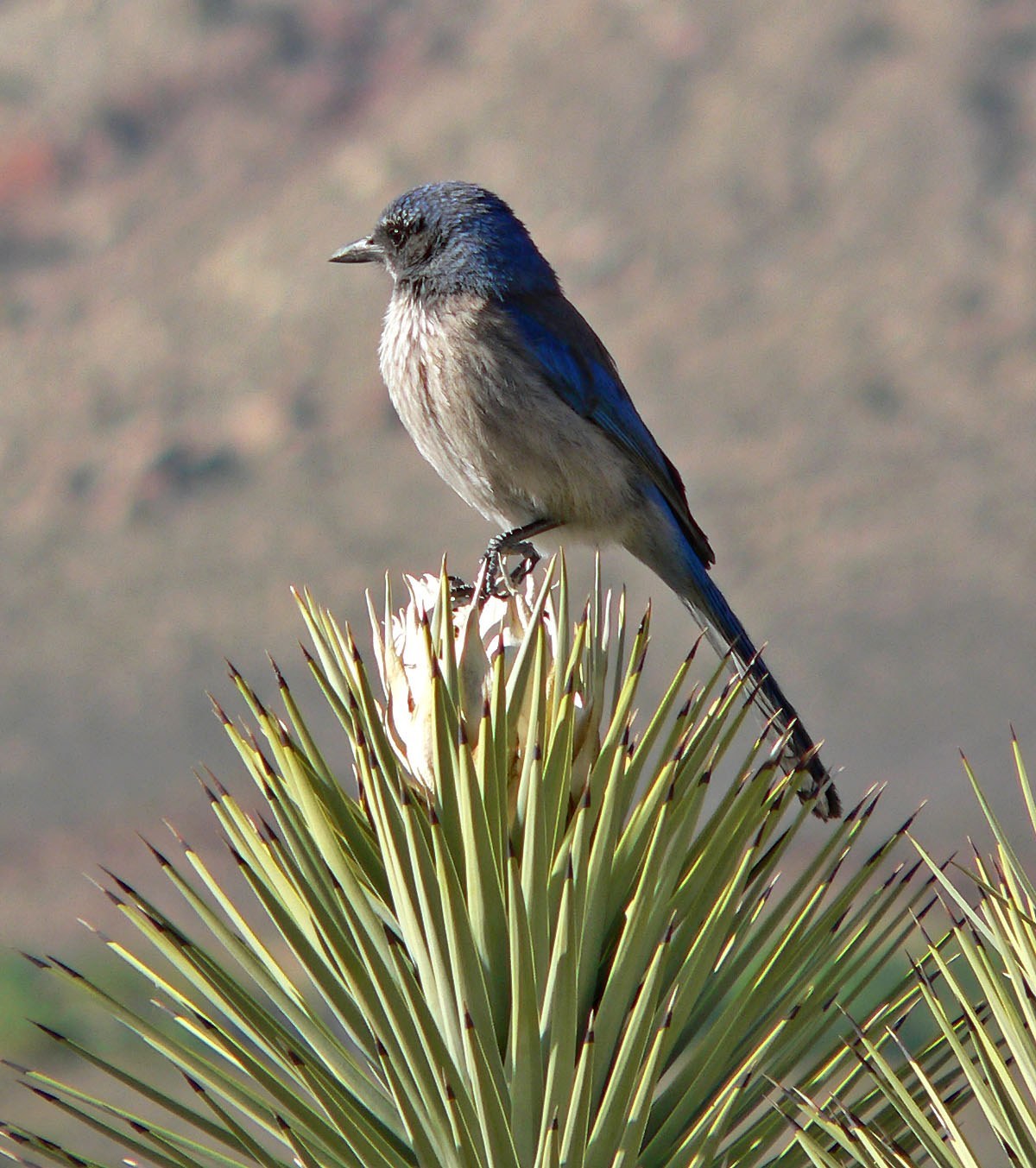
Woodhouse's Scrub-Jay
Contour and flight feathers
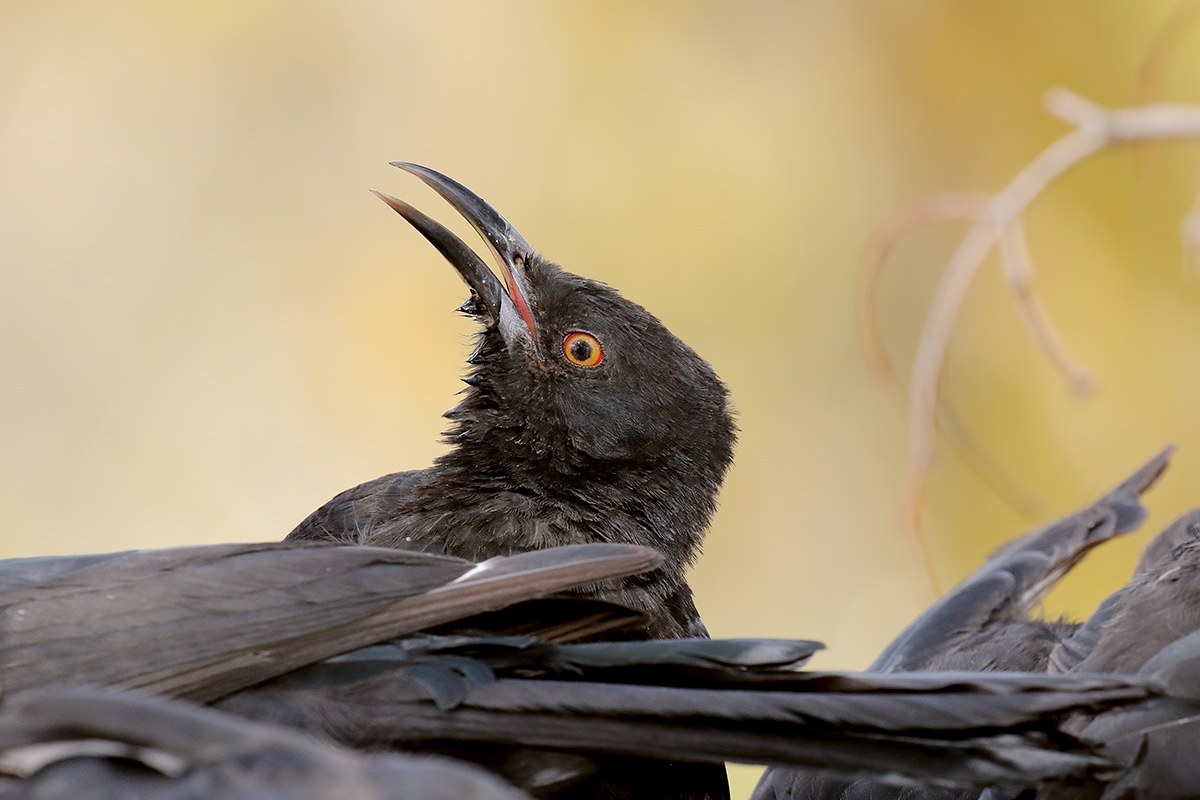
White-winged Chough
Contour and flight feathers

Rufous Treepie
Long, graduated tail feathers; loose body contour feathers

Thick-billed Raven
Contour and flight feathers
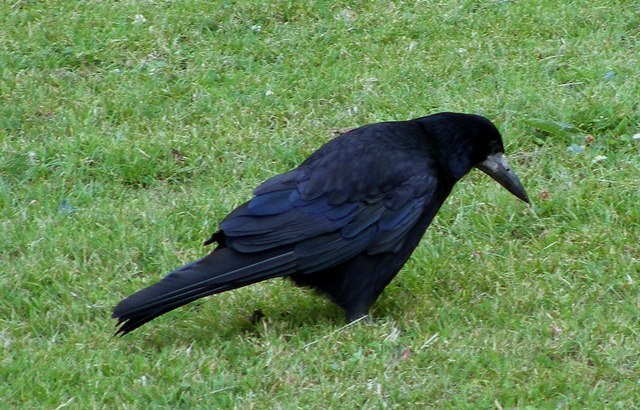
Rook
Glossy purple-black flight and body feathers; loose, shaggy thigh (leg) feathers