

Eurasian Sparrowhawk
Accipiter nisus
The Eurasian Sparrowhawk is a small, agile woodland raptor with short, rounded wings and a long barred tail suited to fast pursuit through trees, showing fine barring on the underparts that differs between the smaller male and larger female.
- Feather type
- Short, rounded wing feathers for agile woodland flight; long barred tail feathers; strong barred flight feathers
- Colours
- Slate-grey back (male) or brown-grey back (female), fine rufous barring (male) or brown barring (female) underneath
- Bird size
- Small raptor; males ~30-34 cm, females notably larger ~35-41 cm
Found a feather like this?
Identify any feather from a photo, free.
Overview
The Eurasian Sparrowhawk is a small, agile bird of prey adapted for hunting other birds through dense woodland, relying on surprise and maneuverability rather than open-sky speed.
Its feathers reflect this lifestyle: short, broad, rounded wings for quick turns among branches, and a long tail for fine steering control.
The species shows marked size differences between the sexes, with females considerably larger than males, and their feather color also differs, males being bluer-grey above and females browner.
Identifying the Feather
Size & Shape
- Wing feathers are short, broad, and rounded, built for rapid acceleration and tight turns rather than sustained soaring.
- Tail feathers are long and barred, providing precise steering through vegetation.
- Female feathers are noticeably larger than male feathers of the same type, reflecting strong reverse sexual size dimorphism.
Color & Pattern
- Male upperpart feathers: blue-grey; underparts show fine, warm rufous-orange barring.
- Female upperpart feathers: browner grey; underparts show brown-grey barring, less warm-toned than the male.
- Tail feathers in both sexes are grey-brown with several dark bands.
- Eye color, reflected in surrounding facial feathering, is orange-yellow in adults.
Similar Species
- Told from the larger, bulkier Common Buzzard by shorter, more rounded wing shape and finer, more regular barring; told from Kestrel by the barred (not spotted) underparts and blunter wing tips.
Plumage & Molt
Overall Plumage
Males: blue-grey above, fine rufous barring below. Females: browner-grey above, brown-grey barring below. Both show a long, banded tail.
Sex & Age Differences
Females are considerably larger than males and browner overall, with less warm barring below. Juveniles of both sexes are brown above with bold, teardrop-shaped streaking below rather than fine barring, gained through a complete molt into adult plumage over their first year or two.
Molt
One complete molt annually, generally in summer, taking several months to complete due to the demands of raising young.
Habitat & Range
Habitat
Woodland, forest edges, and hedgerows, with increasing use of parks and gardens, especially where small birds gather at feeders.
Range
Widespread across Europe, North Africa, and temperate Asia.
Movements
Mostly resident in milder regions; northern populations may move short distances south in winter.
Behavior & Field Notes
Behavior
Hunts by surprise, using cover to approach prey and short bursts of speed to catch small birds in flight or on the ground.
Diet
Feeds primarily on small to medium-sized birds, caught in flight or ambush.
Nesting
Builds a stick nest in a tree, often reused or rebuilt in successive years within a woodland territory.
Voice
A fast, chattering 'kek-kek-kek' call, mainly given near the nest.
Field Notes
A finely barred grey-and-rufous flight or tail feather found near woodland or a garden with a plucking site (scattered small-bird feathers) suggests Sparrowhawk activity.
Frequently asked questions
How do male and female Sparrowhawk feathers differ?
Males are blue-grey above with warm rufous barring below; females are larger, browner above, with less warm-toned barring.
What does the short, rounded wing shape of a Sparrowhawk feather indicate?
An adaptation for rapid acceleration and tight turns while hunting through woodland and around obstacles.
How can I tell a juvenile Sparrowhawk feather from an adult's?
Juveniles show bold, teardrop-shaped streaking below rather than the fine, regular barring of adults.
Where might I find evidence of Sparrowhawk activity?
Near woodland or garden plucking sites, where scattered small-bird feathers accumulate after a kill.
Eurasian Sparrowhawk guides
In-depth guides for identifying and understanding Eurasian Sparrowhawk.

Eurasian Sparrowhawk identified by the community
Real feathers identified with Feather Identifier.


Other feathers you may enjoy

Australian Hobby
Long, narrow pointed flight feathers; slender tail feathers

California Condor
Massive flight feathers; long broad primaries; large tail feathers

Brown Falcon
Broad, rounded flight feathers; variable-toned contour feathers
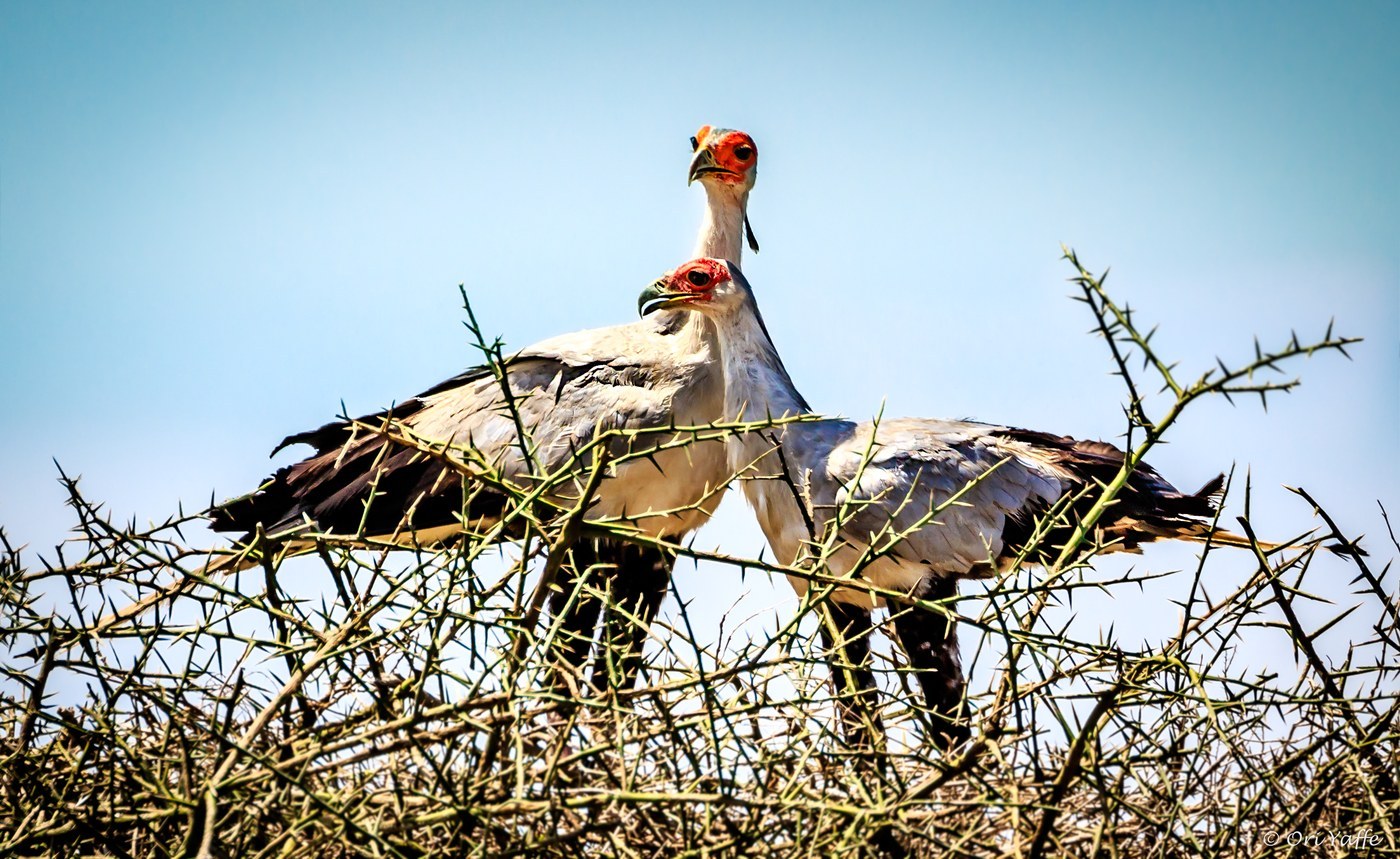
Secretarybird
Long crest feathers; broad flight feathers; elongated central tail feathers

Orange-breasted Falcon
Broad-based pointed flight feathers; bold breast and belly feathers
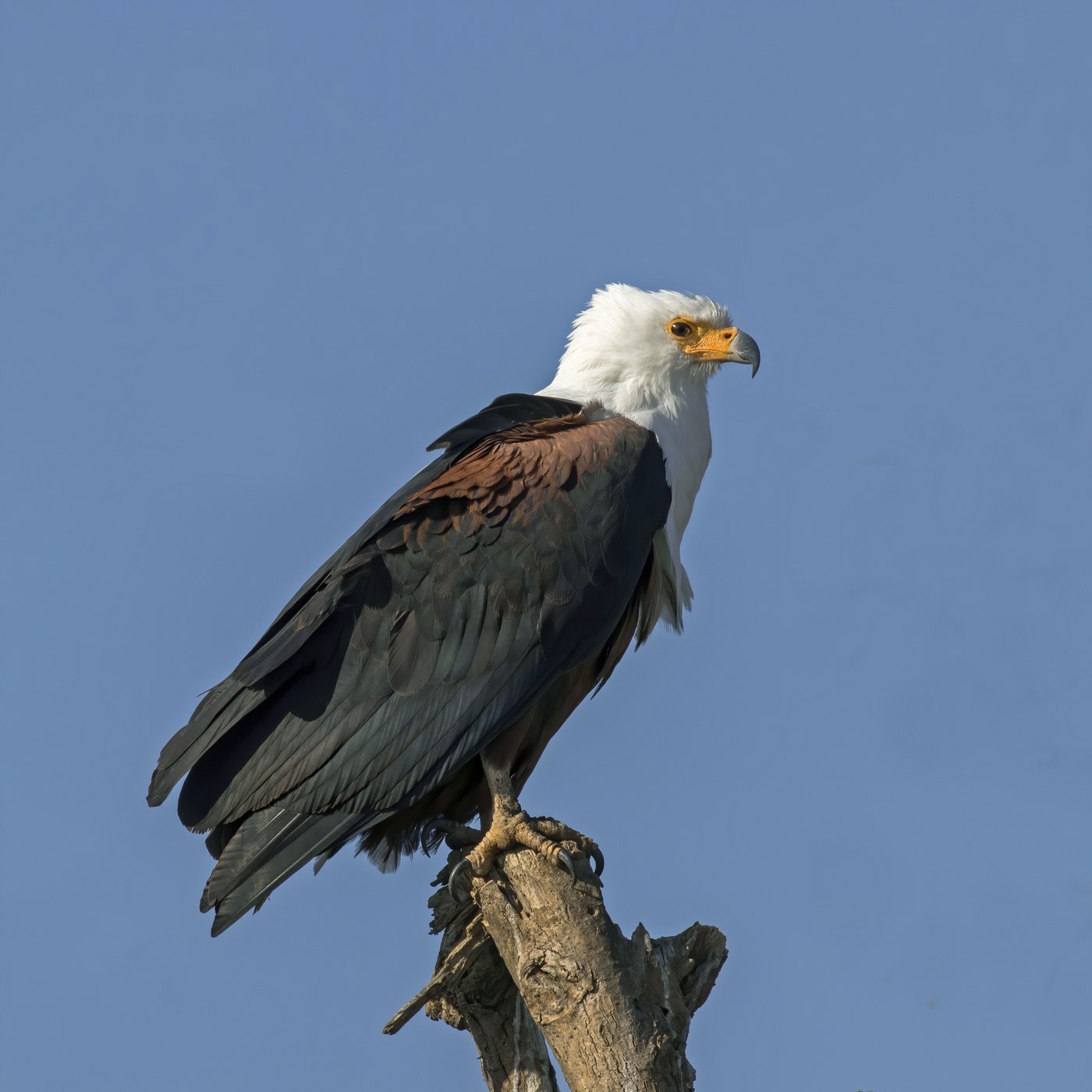
African Fish Eagle
Flight, tail, and body feathers

Amur Falcon
Slender pointed flight feathers; soft slate or orange-buff contour feathers
Red Kite
Flight (wing) and tail feathers
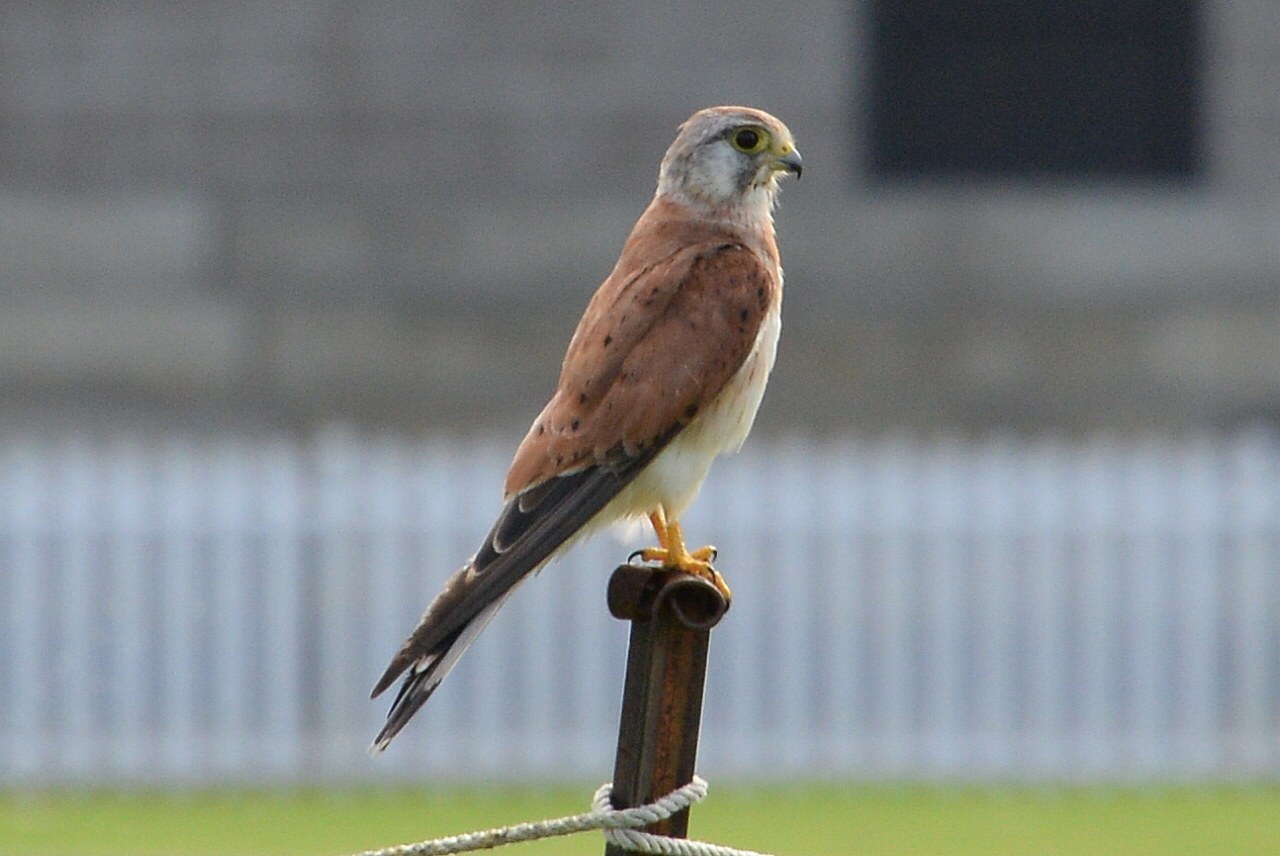
Nankeen Kestrel
Slim pointed flight feathers; lightly marked contour feathers

Andean Condor
Massive flight feathers; broad primaries and secondaries; sturdy tail feathers

Plumbeous Forest Falcon
Short rounded flight feathers; finely barred tail feathers

Sooty Falcon
Long pointed flight feathers; slim tail feathers