

Eurasian Hoopoe
Upupa epops
An unmistakable bird with a fan-shaped crest and bold black-and-white barred wings, probing the ground with a long curved bill.
- Feather type
- Broad, rounded crest feathers; banded wing feathers
- Colours
- Pinkish-cinnamon body, black-and-white barred wings and tail, black-tipped fan crest
- Bird size
- Robin-to-jay-sized, ~25-29 cm
Found a feather like this?
Identify any feather from a photo, free.
Overview
Overview
The Eurasian Hoopoe is one of the most distinctive birds across its wide range spanning Europe, Asia, and Africa, instantly recognizable by its erectile crest and striking wing pattern. It has long been a culturally notable bird in many regions.
- Widespread across Europe, Asia, and Africa
- Sole member of its family in most classifications
- Known for its fan-shaped crest and bounding flight
Identifying the Feather
Feather Identification
Eurasian Hoopoe feathers are unmistakable with bold barring and a prominent crest.
- Crest: pinkish-cinnamon feathers tipped black, raised into a fan shape when alert
- Body: warm pinkish-cinnamon overall
- Wings: broad, strongly barred black and white, giving a butterfly-like pattern in flight
- Tail: black with a broad white band
The boldly barred black-and-white wings combined with the fan crest make this species unmistakable and unlikely to be confused with any other bird in its range.
Plumage & Molt
Plumage Details
Sexes are similar, though females can appear slightly duller and grayer than males. Juveniles resemble adults but with a shorter crest and duller overall coloring. A complete molt occurs annually after breeding, with the bold wing barring maintained through the year.
Habitat & Range
Habitat & Range
Found across Europe, Asia, and Africa in open country, farmland, orchards, and parkland with short grass or bare ground for foraging. European and northern Asian populations are migratory, wintering in Africa or southern Asia, while African populations are largely resident.
Behavior & Field Notes
Behavior & Field Notes
Hoopoes forage by probing the ground with their long, slightly curved bill for insects and larvae, walking with a distinctive bobbing gait. They nest in tree cavities or wall crevices. Their call is a soft, hollow "oop-oop-oop," the origin of both their common and scientific names. Their bounding, butterfly-like flight and the wing barring visible in flight are strong field identification aids alongside the raised crest.
Frequently asked questions
How did the Hoopoe get its name?
Its name imitates its soft, hollow call, which sounds like a repeated 'oop-oop-oop.'
What is the most distinctive feature of the Hoopoe's plumage?
Its fan-shaped, black-tipped crest combined with bold black-and-white barred wings.
Does the Eurasian Hoopoe migrate?
European and northern Asian populations migrate to Africa or southern Asia for winter, while African populations are generally resident.
How does the Hoopoe find its food?
It probes bare ground and short grass with its long curved bill to find insects and larvae.
Eurasian Hoopoe guides
In-depth guides for identifying and understanding Eurasian Hoopoe.

Eurasian Hoopoe identified by the community
Real feathers identified with Feather Identifier.


Other feathers you may enjoy

Common Cuckoo
Flight and body feathers
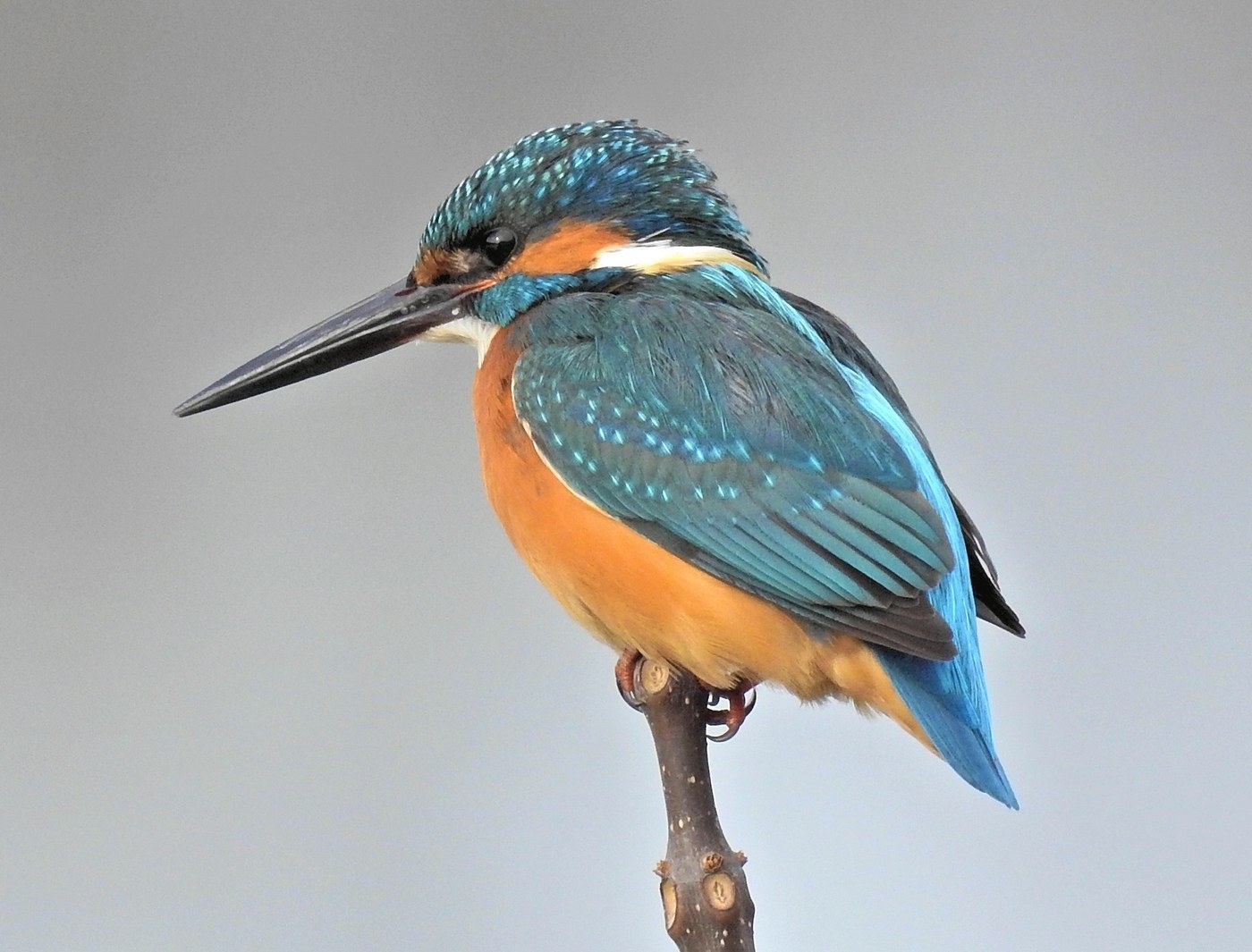
Common Kingfisher
Body (contour) and wing feathers
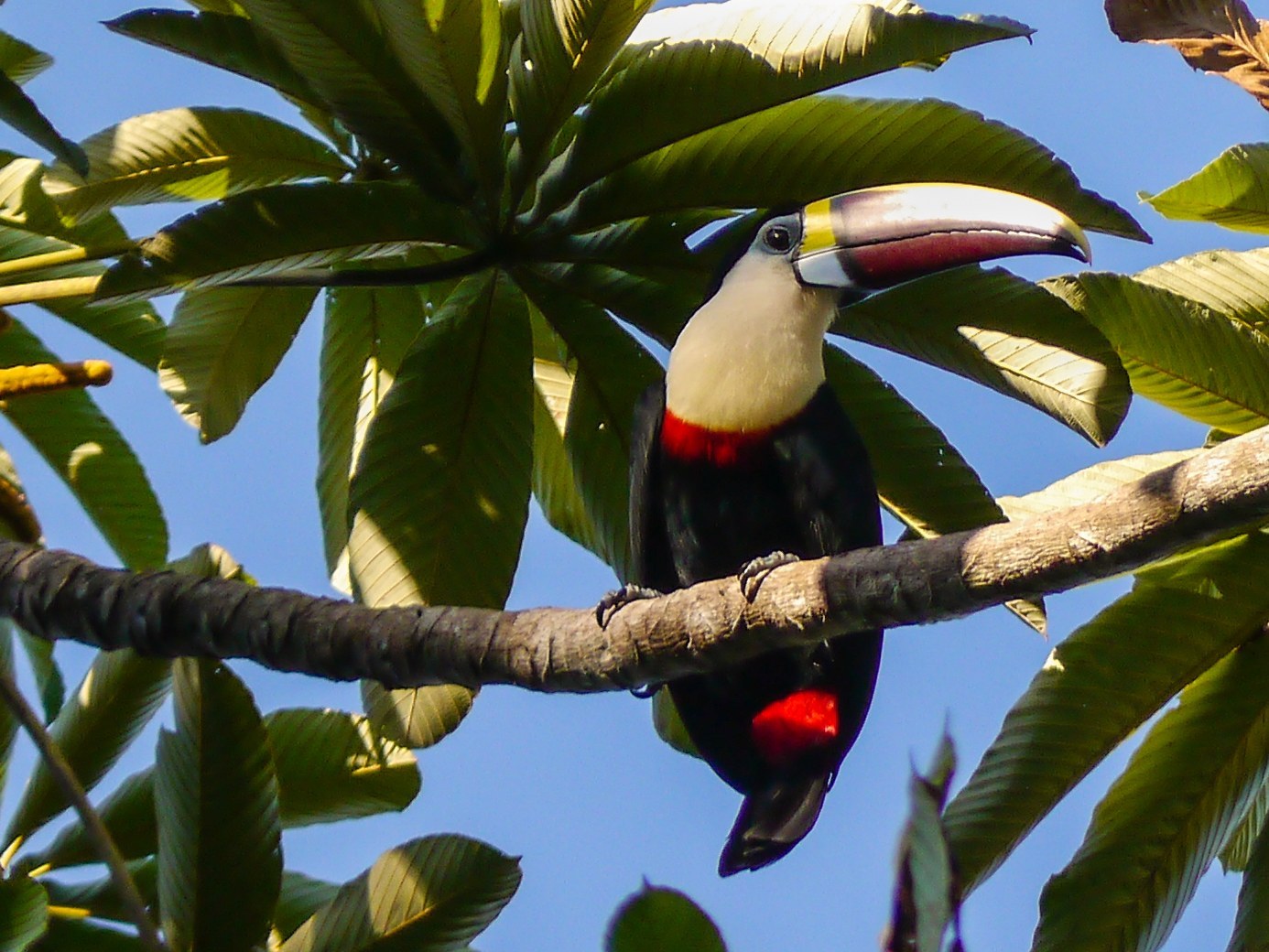
White-throated Toucan
Short rounded contour feathers, short broad wings
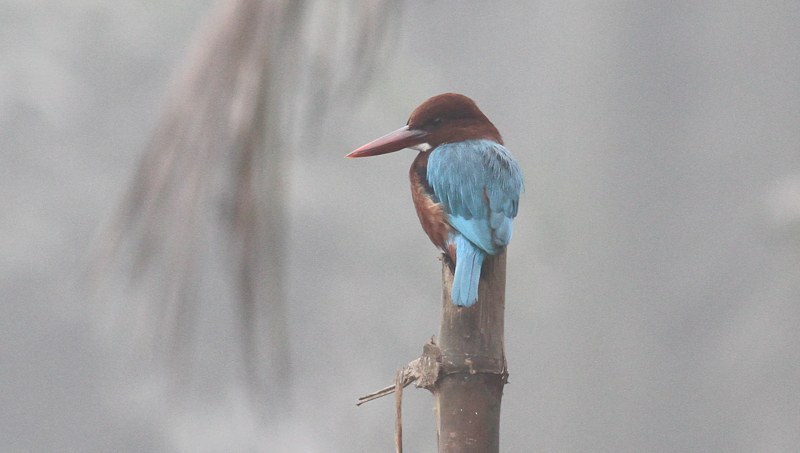
White-throated Kingfisher
Dense contour feathers; broad rounded wings

White-throated Bee-eater
Sleek, aerodynamic contour feathers; elongated central tail streamers
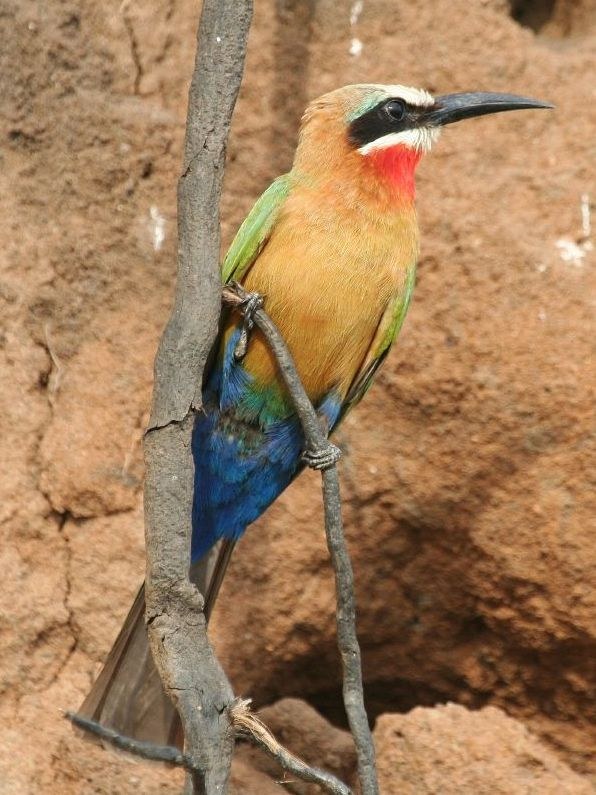
White-fronted Bee-eater
Sleek contour feathers; short tail with slight point

Southern Yellow-billed Hornbill
Slender contour feathers, moderate flight feathers
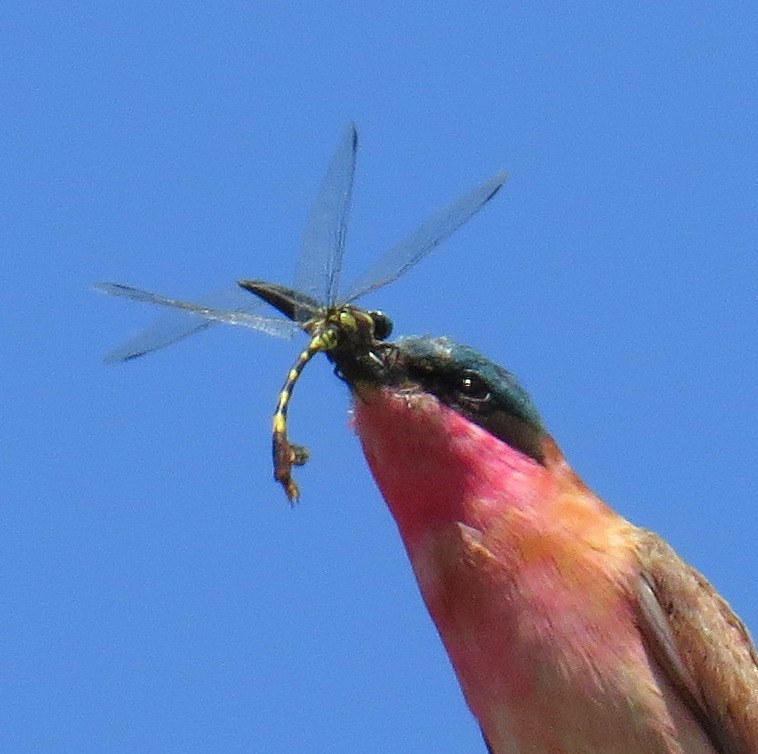
Southern Carmine Bee-eater
Sleek, pointed contour feathers; elongated central tail streamers
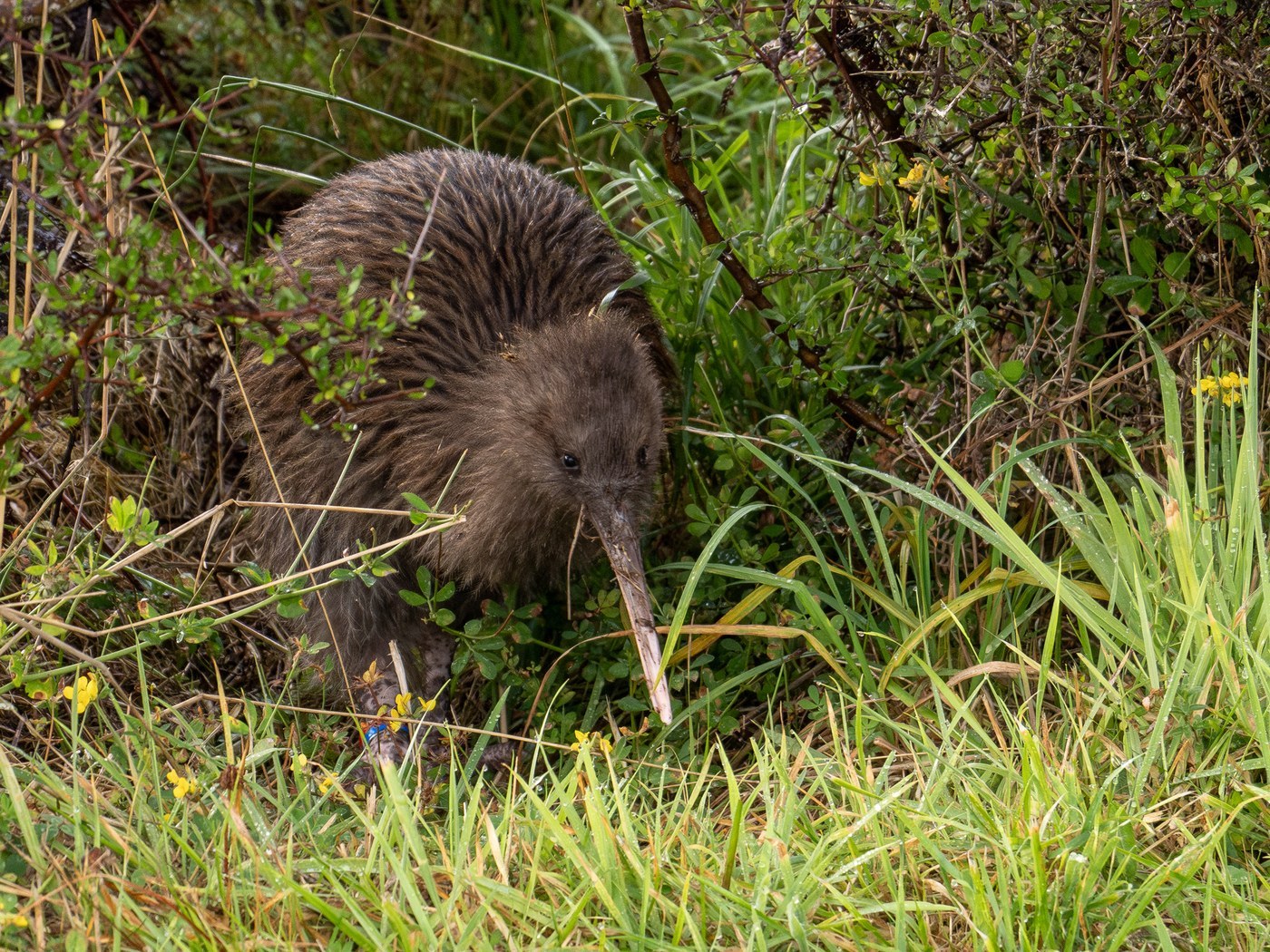
Southern Brown Kiwi
Shaggy, hair-like plumage with loose barbs lacking barbules; flightless, vestigial wings hidden beneath body feathers

Somali Ostrich
Loose, soft plumes lacking interlocking barbules

Wreathed Hornbill
Dense contour feathers, broad flight feathers

Woodland Kingfisher
Firm contour feathers; broad wing feathers