

Emu
Dromaius novaehollandiae
Australia's largest bird, the Emu has loose, hair-like feathers that grow in pairs from a single shaft, giving its plumage a shaggy, fur-like texture unlike any flying bird.
- Feather type
- Loose, hair-like double-shafted feathers lacking hooked barbules
- Colours
- Grayish-brown overall, with darker feather tips
- Bird size
- Very large flightless bird, up to ~1.9 m tall
Found a feather like this?
Identify any feather from a photo, free.
Overview
The Emu is a very large, flightless bird native to Australia, second in size only to the Ostrich among living birds. Its feathers are structurally distinct from those of flying birds, contributing to a shaggy, almost fur-like appearance well suited to its life as a fast, ground-running species across open country.
Identifying the Feather
Emu feathers are unusual in having two nearly equal shafts growing from a single base (an afterfeather as long as the main feather), producing a loose, double-plumed structure unlike the single-shafted feathers of nearly all other birds. The barbs lack the interlocking hooks found in flight feathers, so the plumage looks soft, shaggy, and hair-like rather than smooth and sleek. Overall coloration is grayish-brown, with the tips often darker or blackish, providing a subtle two-toned look across the body. Because Emus cannot fly, there are no true flight feathers with stiff, asymmetrical vanes; wing feathers are reduced and hidden within the body plumage. The doubled shaft structure alone is enough to identify a feather as belonging to an Emu or a very close relative among ratites.
Plumage & Molt
Sexes look similar, though males and females can sometimes be distinguished by subtle differences in feather color intensity, particularly during breeding condition. Juveniles show distinct striped brown-and-cream plumage for camouflage, which is replaced by the plain grayish-brown adult plumage as they mature. Molt is gradual, without the seasonal extremes seen in some migratory flying birds.
Habitat & Range
Emus range widely across Australia in open plains, scrubland, woodland, and semi-arid country, generally avoiding dense rainforest and heavily urbanized areas. The species is largely nomadic rather than strictly migratory, moving in response to food and water availability rather than following a fixed seasonal route.
Behavior & Field Notes
Emus are omnivorous, foraging on the ground for seeds, fruit, and invertebrates. Uniquely among many birds, males take on primary incubation and chick-rearing duties after the female lays the eggs. Their calls include deep, resonant booming and grunting sounds produced with the aid of an inflatable throat sac, mostly in females. As fast, powerful runners, Emus rely on speed rather than flight to cover long distances and evade threats.
Frequently asked questions
What makes an Emu feather structurally unusual?
Each feather has two nearly equal shafts growing from one base, giving the plumage a loose, double-plumed, hair-like texture.
Can Emus fly?
No, they are flightless, and their feathers lack the stiff, hooked structure needed for flight.
How do juvenile Emus differ in appearance from adults?
Juveniles have striped brown-and-cream plumage for camouflage, later replaced by plain grayish-brown adult feathers.
Which parent raises the chicks?
Males take on the primary role of incubating the eggs and rearing the chicks after the female lays them.
Emu guides
In-depth guides for identifying and understanding Emu.

Emu identified by the community
Real feathers identified with Feather Identifier.


Other feathers you may enjoy

Common Cuckoo
Flight and body feathers
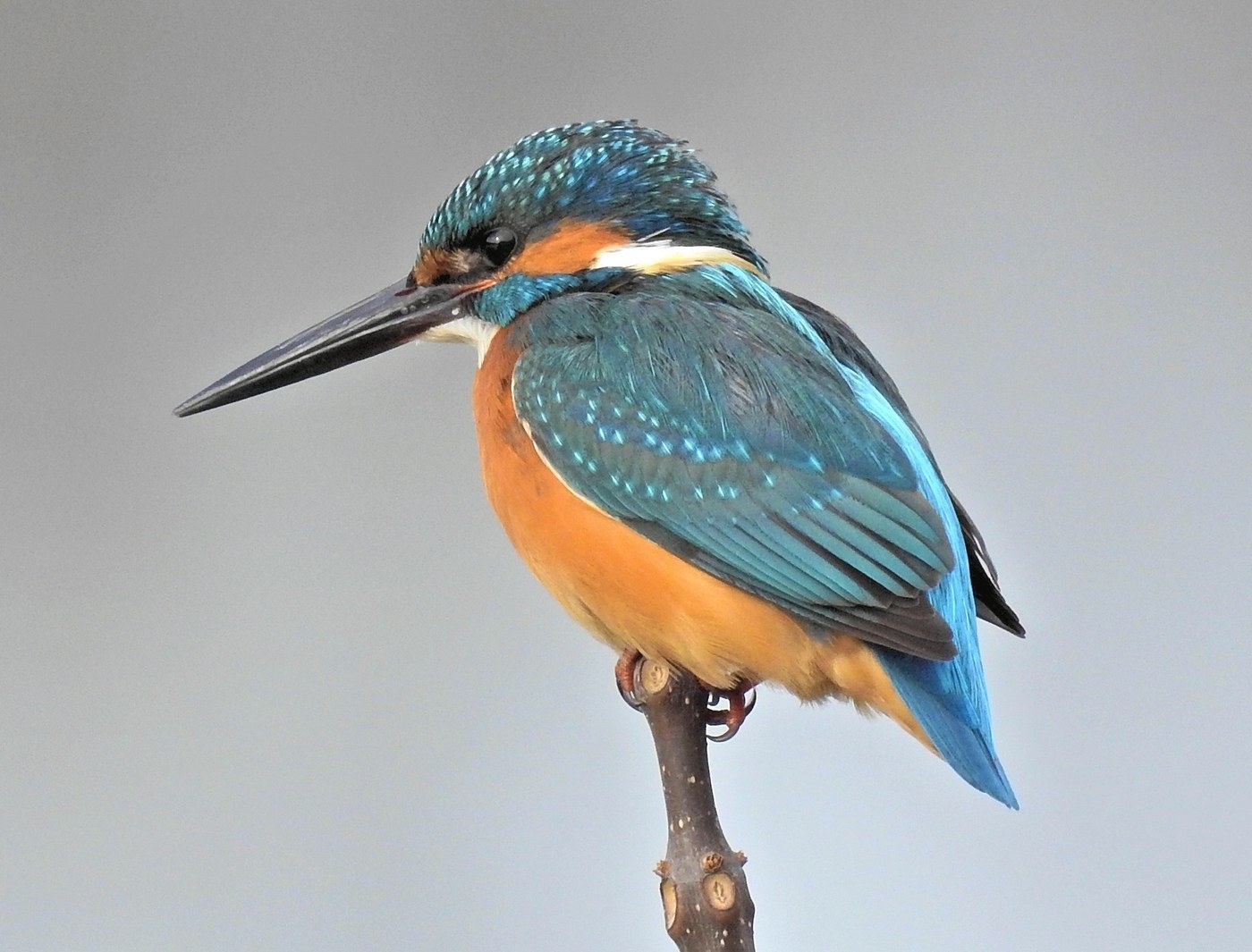
Common Kingfisher
Body (contour) and wing feathers
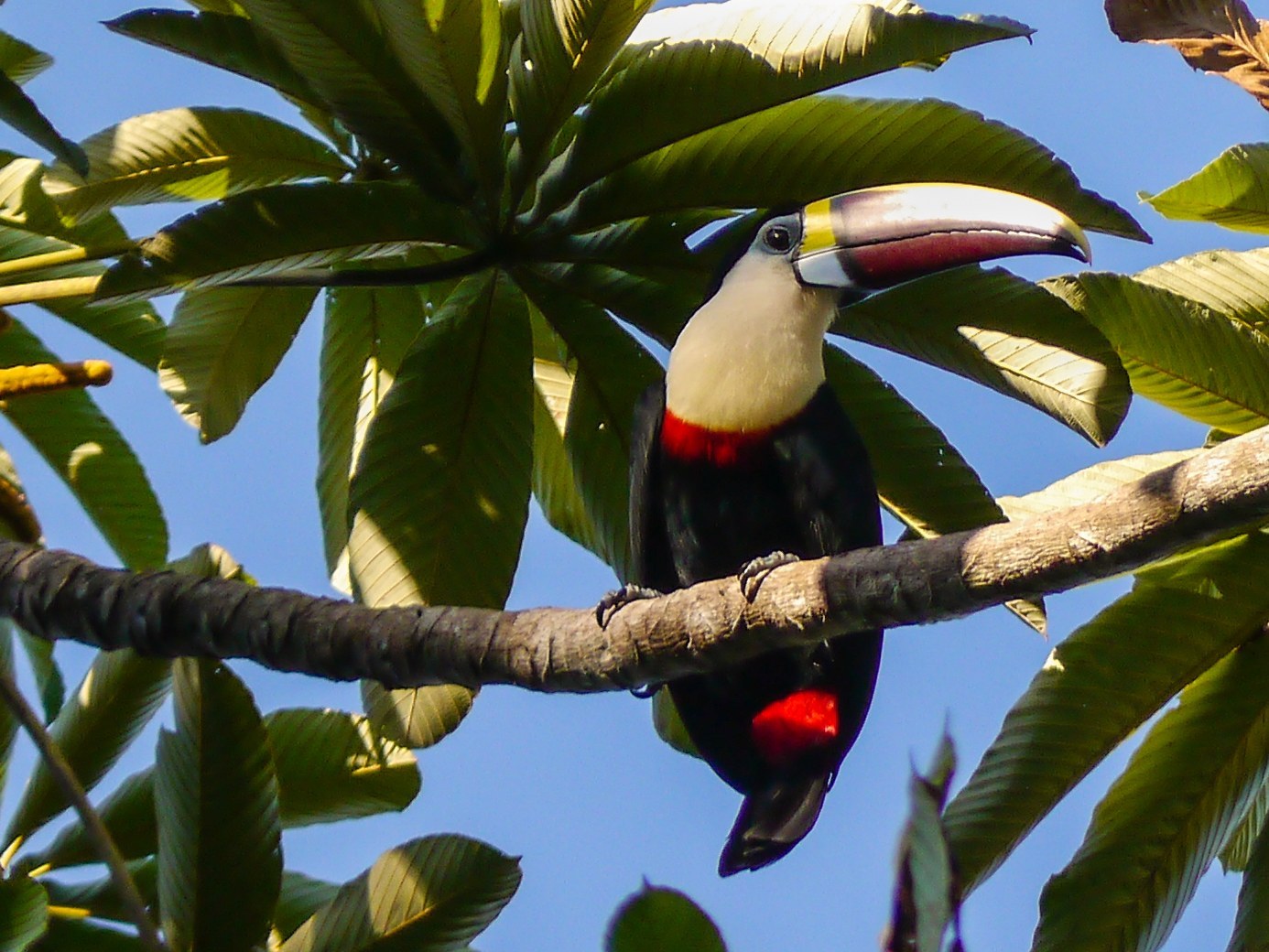
White-throated Toucan
Short rounded contour feathers, short broad wings
White-throated Kingfisher
Dense contour feathers; broad rounded wings

White-throated Bee-eater
Sleek, aerodynamic contour feathers; elongated central tail streamers
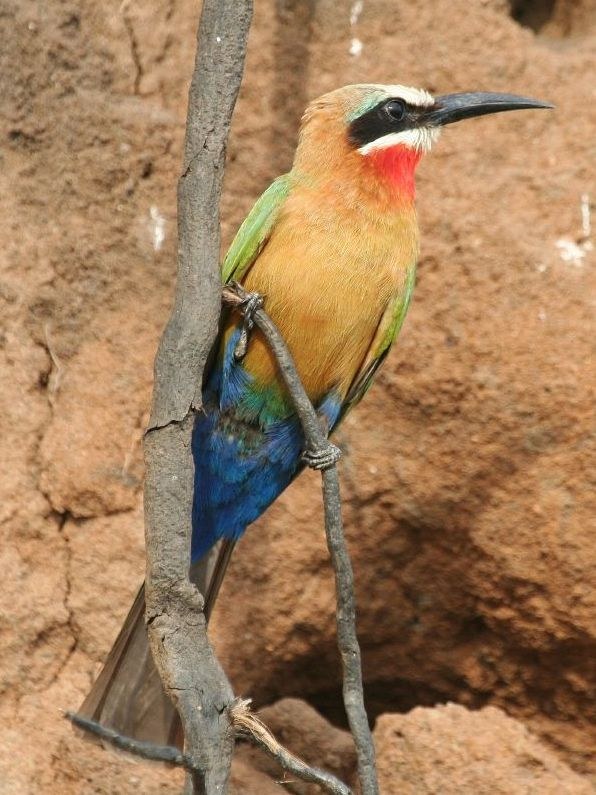
White-fronted Bee-eater
Sleek contour feathers; short tail with slight point

Southern Yellow-billed Hornbill
Slender contour feathers, moderate flight feathers
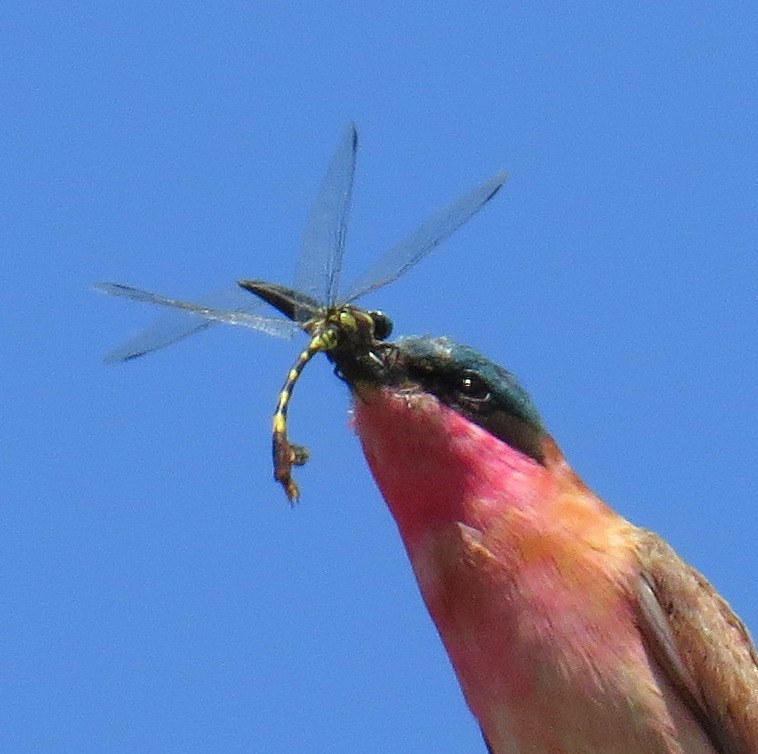
Southern Carmine Bee-eater
Sleek, pointed contour feathers; elongated central tail streamers
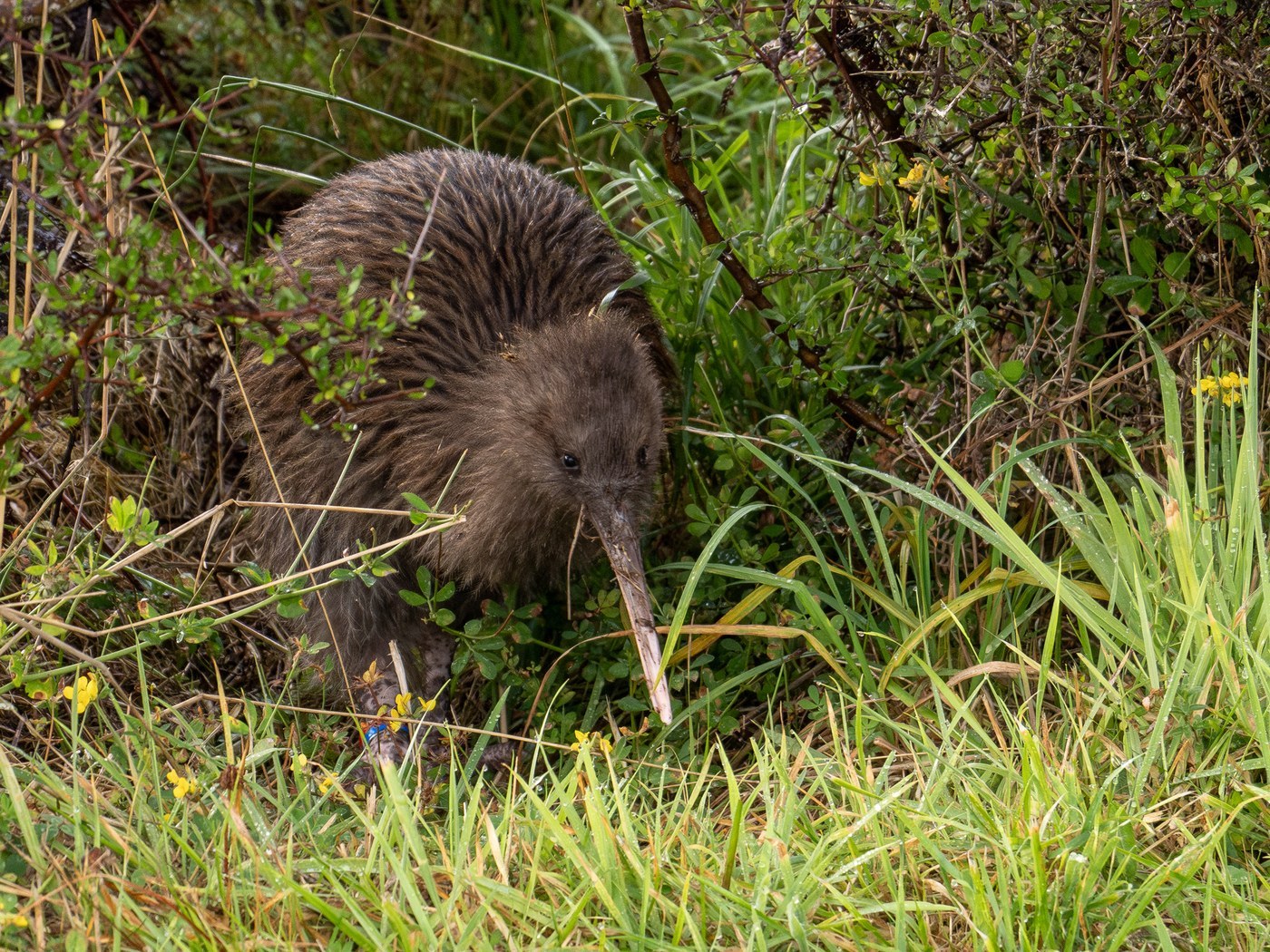
Southern Brown Kiwi
Shaggy, hair-like plumage with loose barbs lacking barbules; flightless, vestigial wings hidden beneath body feathers

Somali Ostrich
Loose, soft plumes lacking interlocking barbules

Wreathed Hornbill
Dense contour feathers, broad flight feathers

Woodland Kingfisher
Firm contour feathers; broad wing feathers