

Eleonora's Falcon
Falco eleonorae
Eleonora's Falcon is a slender, long-winged falcon of Mediterranean sea cliffs, notable for breeding unusually late in the year to feed its young on autumn-migrating songbirds, and occurring in both pale and dark color morphs.
- Feather type
- Long, narrow pointed flight feathers; slim tapered tail feathers
- Colours
- Pale morph: grey-brown above with rufous-streaked cream underparts; dark morph: sooty blackish-brown overall
- Bird size
- Medium falcon, ~36-42 cm
Found a feather like this?
Identify any feather from a photo, free.
Overview
Eleonora's Falcon breeds almost entirely on rocky islands and coastal cliffs of the Mediterranean and nearby Atlantic islands, timing its nesting to coincide with the autumn passage of migrating songbirds, which it catches to feed its chicks. After breeding, the entire population undertakes a long migration to winter on Madagascar.
The species occurs in two distinct color morphs, pale and dark, both of which can be present within the same colony, making feather color variable even among birds from a single site.
Its breeding range is naturally restricted to a limited number of colonies.
Identifying the Feather
Recognizing Eleonora's Falcon feathers
- Flight feathers: Long and narrow, dark brownish-grey to blackish, adapted for agile aerial hunting.
- Tail feathers: Long and slim, dark with faint banding in pale-morph birds, essentially unmarked blackish in dark-morph birds.
- Body feathers (pale morph): Grey-brown above, cream to buff below with fine rufous streaking, dark malar stripe evident on facial feathers.
- Body feathers (dark morph): Uniformly sooty blackish-brown throughout.
- Shaft color: Dark brown to blackish.
- Compared to similar species: Longer-winged and narrower-tailed than a Peregrine Falcon; the dark morph can resemble the Sooty Falcon but Eleonora's is larger with longer wings and, in pale birds, shows rufous streaking below that Sooty Falcon lacks.
Plumage & Molt
Pale-morph adults have grey-brown upperparts, a dark mustache stripe, and cream underparts streaked with rufous-brown. Dark-morph adults are essentially uniform sooty blackish-brown throughout, a genetic color variant found alongside pale birds in the same colonies. Juveniles resemble pale-morph adults but with buffier, more scalloped upperparts, molting into adult plumage over about two years.
Habitat & Range
Breeds on sea cliffs and rocky islets across the Mediterranean, with a few colonies on nearby Atlantic islands such as the Canary Islands. A long-distance migrant, the entire population winters on Madagascar and nearby areas of the western Indian Ocean.
Behavior & Field Notes
Uniquely times breeding for late summer/autumn to exploit the peak of songbird migration, hunting small birds in agile aerial pursuit, often at dusk. Nests in loose colonies on cliff ledges. Calls include harsh, repeated cackling near colonies. A long, narrow dark feather found on a Mediterranean sea cliff in late summer, in either sooty or streaked pale form, is a strong candidate for this species.
Frequently asked questions
Why does Eleonora's Falcon breed later than other falcons?
It times its breeding to coincide with the autumn migration of songbirds, which provide abundant prey for feeding chicks.
What are the two color morphs of Eleonora's Falcon feathers?
A pale morph with grey-brown upperparts and rufous-streaked cream underparts, and a dark morph that is uniformly sooty blackish-brown.
How do I tell a dark-morph Eleonora's Falcon feather from a Sooty Falcon feather?
Eleonora's Falcon is larger with longer, narrower wings; feather size and the presence of pale-morph individuals in the same colony help distinguish it from the more uniformly sooty, slightly smaller Sooty Falcon.
Where does Eleonora's Falcon spend the winter?
The entire population migrates to winter on Madagascar and the surrounding western Indian Ocean region.
Eleonora's Falcon guides
In-depth guides for identifying and understanding Eleonora's Falcon.

Other feathers you may enjoy

Australian Hobby
Long, narrow pointed flight feathers; slender tail feathers

California Condor
Massive flight feathers; long broad primaries; large tail feathers

Brown Falcon
Broad, rounded flight feathers; variable-toned contour feathers
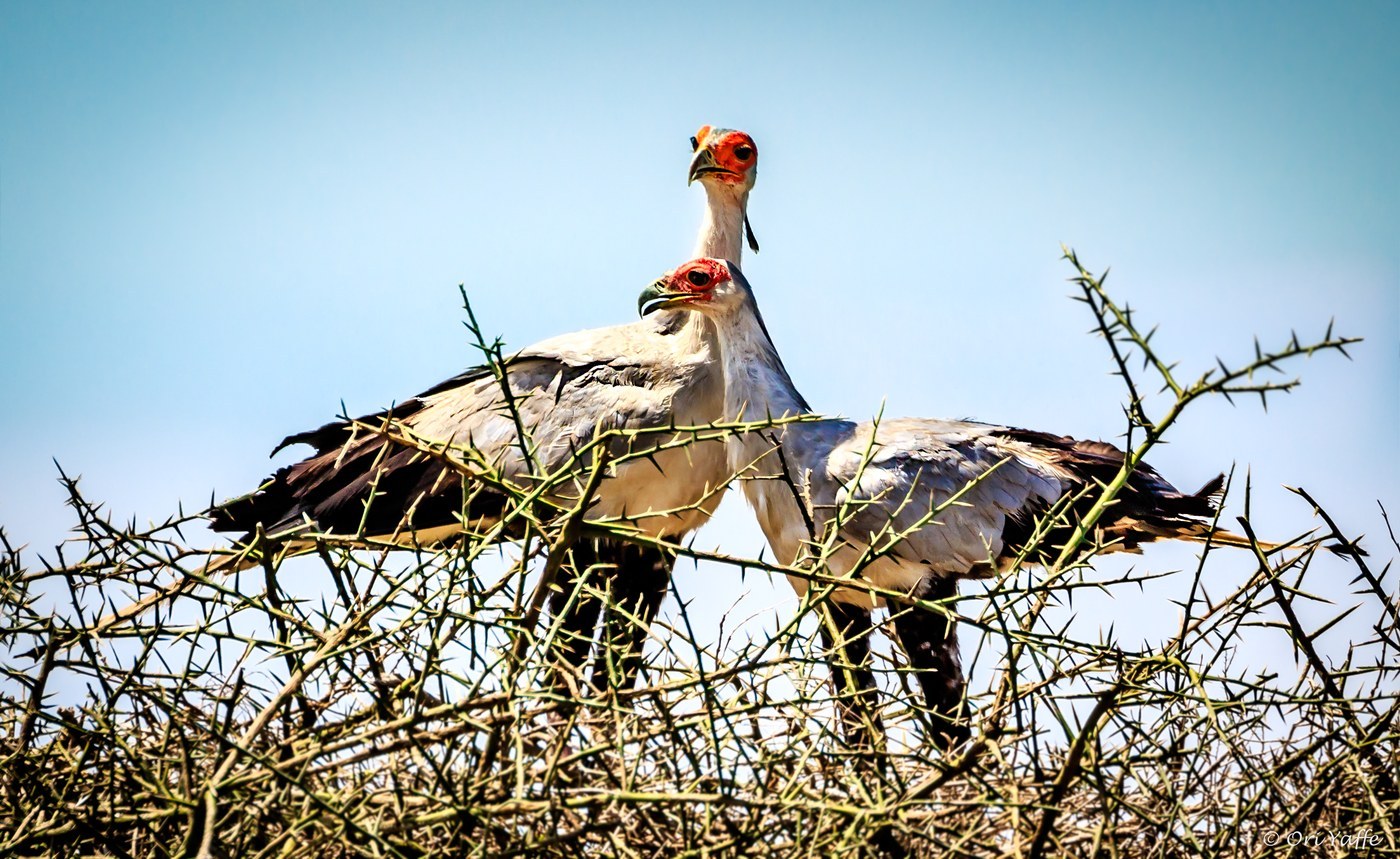
Secretarybird
Long crest feathers; broad flight feathers; elongated central tail feathers

Orange-breasted Falcon
Broad-based pointed flight feathers; bold breast and belly feathers
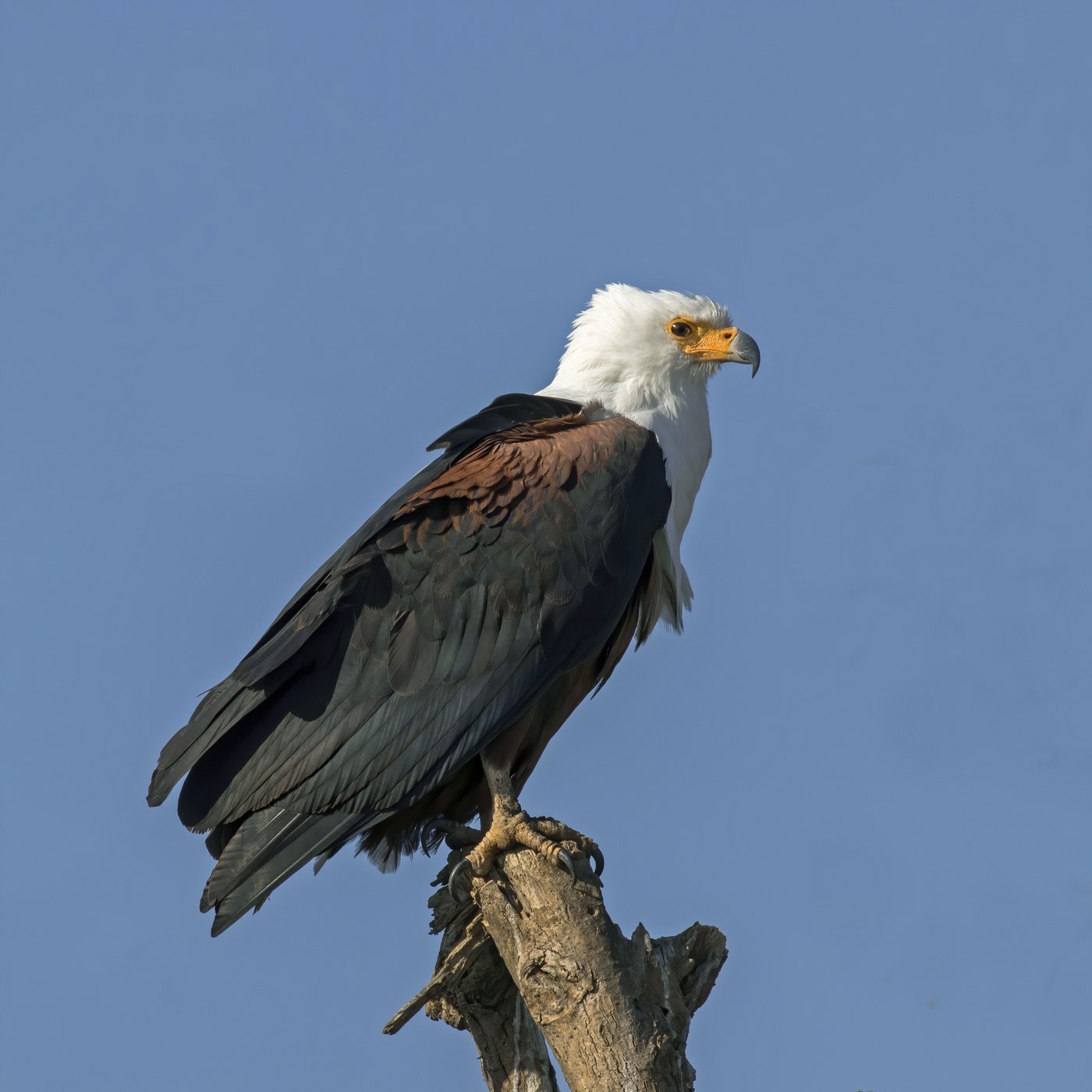
African Fish Eagle
Flight, tail, and body feathers

Amur Falcon
Slender pointed flight feathers; soft slate or orange-buff contour feathers
Red Kite
Flight (wing) and tail feathers
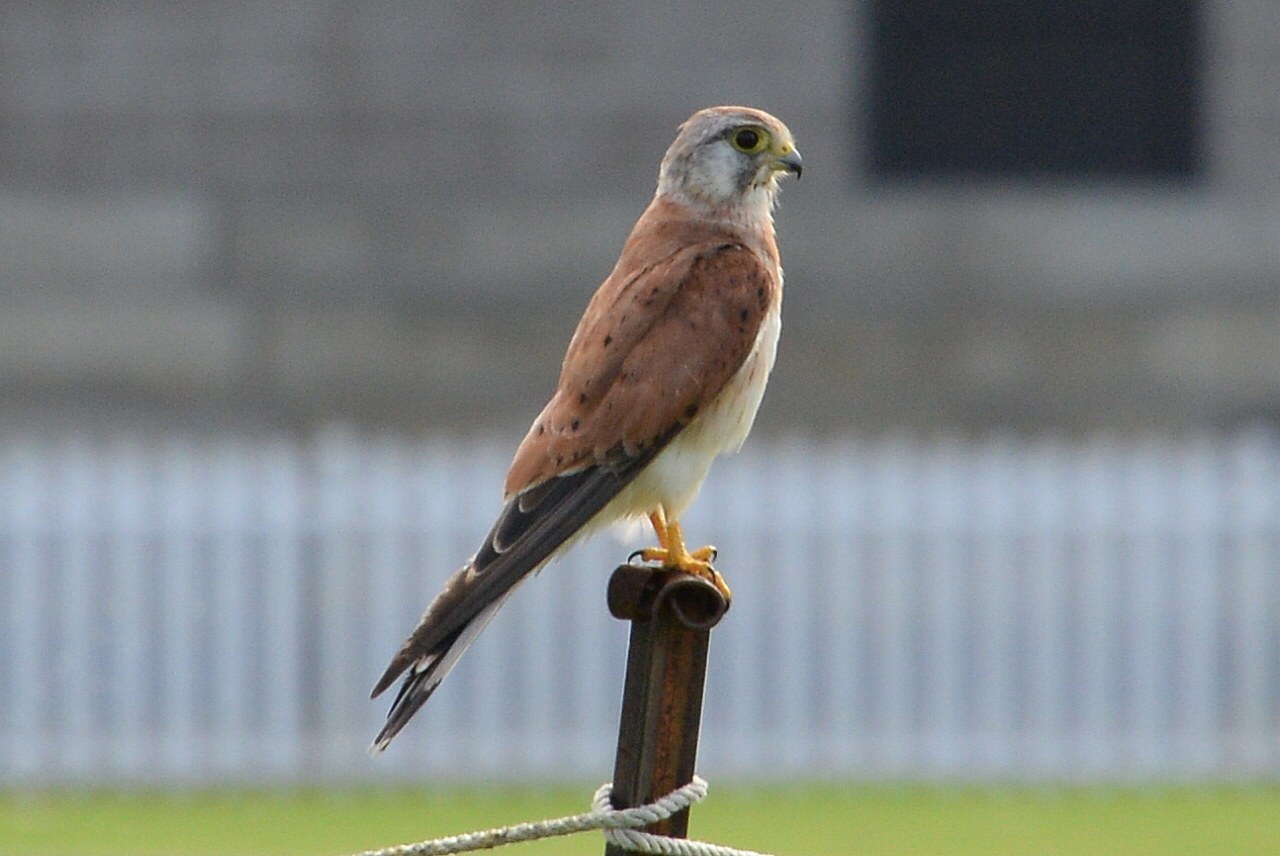
Nankeen Kestrel
Slim pointed flight feathers; lightly marked contour feathers

Andean Condor
Massive flight feathers; broad primaries and secondaries; sturdy tail feathers

Plumbeous Forest Falcon
Short rounded flight feathers; finely barred tail feathers

Sooty Falcon
Long pointed flight feathers; slim tail feathers