

Elegant Tern
Thalasseus elegans
A slender, crested Pacific coast tern with a notably long, thin, slightly drooping orange-yellow bill, intermediate in size and appearance between the Royal and Sandwich Terns.
- Feather type
- Body and flight feathers
- Colours
- Pale gray upperparts, white underparts, shaggy black crest, slender orange-yellow bill
- Bird size
- Medium tern, ~39-41 cm
Found a feather like this?
Identify any feather from a photo, free.
Overview
Overview
The Elegant Tern is a medium-sized crested tern of the Pacific coast of the Americas, sharing the shaggy black crest typical of its Thalasseus relatives but distinguished by a notably long, slender bill that often shows a slight downward droop toward the tip. Its bill color, a blend of orange and yellow, differs from the more purely orange bill of Royal Tern and the black, yellow-tipped bill of Sandwich Tern, providing a useful field mark when these species occur together.
Most of the world's population breeds at a very small number of colony sites in the Gulf of California and along the coast of southern California, after which birds disperse along the Pacific coast for the nonbreeding season, similar in pattern to the closely related Heermann's Gull with which it sometimes associates.
Identifying the Feather
Feather Identification
- Wing feathers: Pale gray upperwing, similar in general tone to Sandwich and Royal Terns, with subtly darker outer primaries.
- Crest feathers: Long, shaggy black feathers forming a crest on the crown and nape, present in a fuller form during breeding and reduced to a ragged patch with white forehead otherwise, similar in pattern to Royal Tern.
- Bill note: Notably long, thin, and slightly downcurved, colored a blend of orange and yellow rather than the purely orange bill of Royal Tern or the black, yellow-tipped bill of Sandwich Tern.
- Size and shape: Intermediate in overall size between Sandwich and Royal Terns, with proportionately longer, more slender bill feathers relative to head size.
- Compared to similar species: Royal Tern is larger with a thicker, straighter, more purely orange bill; Sandwich Tern is similar in size but has a black bill with a yellow tip rather than an orange-yellow bill throughout.
Plumage & Molt
Plumage Details
Breeding adults briefly show a full black cap and crest, pale gray upperparts, white underparts sometimes with a faint pink wash, and a long, slender orange-yellow bill; for much of the year, including parts of the breeding season, the forehead is white with the black crest restricted to the rear of the head, similar to the pattern shown by Royal Tern. Juveniles show brown mottling on the back and wing coverts along with a duller bill, gradually acquiring the adult pattern over their first couple of years.
Habitat & Range
Habitat & Range
Elegant Terns breed at a very small number of colony sites concentrated in the Gulf of California, Mexico, with additional colonies established more recently in southern California. After breeding, the population disperses northward along the Pacific coast of North America for the nonbreeding season, becoming a fairly common sight on beaches and estuaries from Mexico through California, before returning south to the core breeding sites. It remains closely tied to the immediate coastline and rarely occurs far inland.
Behavior & Field Notes
Behavior & Field Notes
Elegant Terns forage by plunge-diving for small fish, often over nearshore waters, and frequently rest in mixed flocks with other terns, gulls, and skimmers on beaches and sandbars. They nest in dense colonies concentrated at very few sites, making the population somewhat vulnerable to disturbance or environmental change at those key locations. The call is a harsh, grating note similar in quality to that of Royal Tern. Attention to bill length, shape, and color, along with overall size intermediate between Sandwich and Royal Terns, are the most useful features for identifying this species along the Pacific coast.
Frequently asked questions
How can I distinguish Elegant Tern from Royal Tern?
Elegant Tern is somewhat smaller with a notably longer, thinner, slightly drooping bill that is orange-yellow in color, compared to the thicker, straighter, more purely orange bill of Royal Tern.
Where does most of the Elegant Tern population breed?
The great majority breeds at a very small number of colony sites concentrated in the Gulf of California, Mexico, with additional colonies more recently established in southern California.
Why might this species be considered vulnerable?
Because such a large proportion of the global population breeds at only a handful of colony sites, disturbance or environmental changes at those key locations could have an outsized effect on the species as a whole.
Where would I likely encounter this species outside the breeding season?
Along Pacific coast beaches, estuaries, and harbors from Mexico through California, often resting in mixed flocks with other terns and gulls.
Elegant Tern guides
In-depth guides for identifying and understanding Elegant Tern.

Other feathers you may enjoy

Western Gull
Body, flight, and tail feathers

Glaucous Gull
Body, flight, and tail feathers

American Herring Gull
Body, flight, and tail feathers

Great Black-backed Gull
Body, flight, and tail feathers

Common Gull
Body, flight, and tail feathers
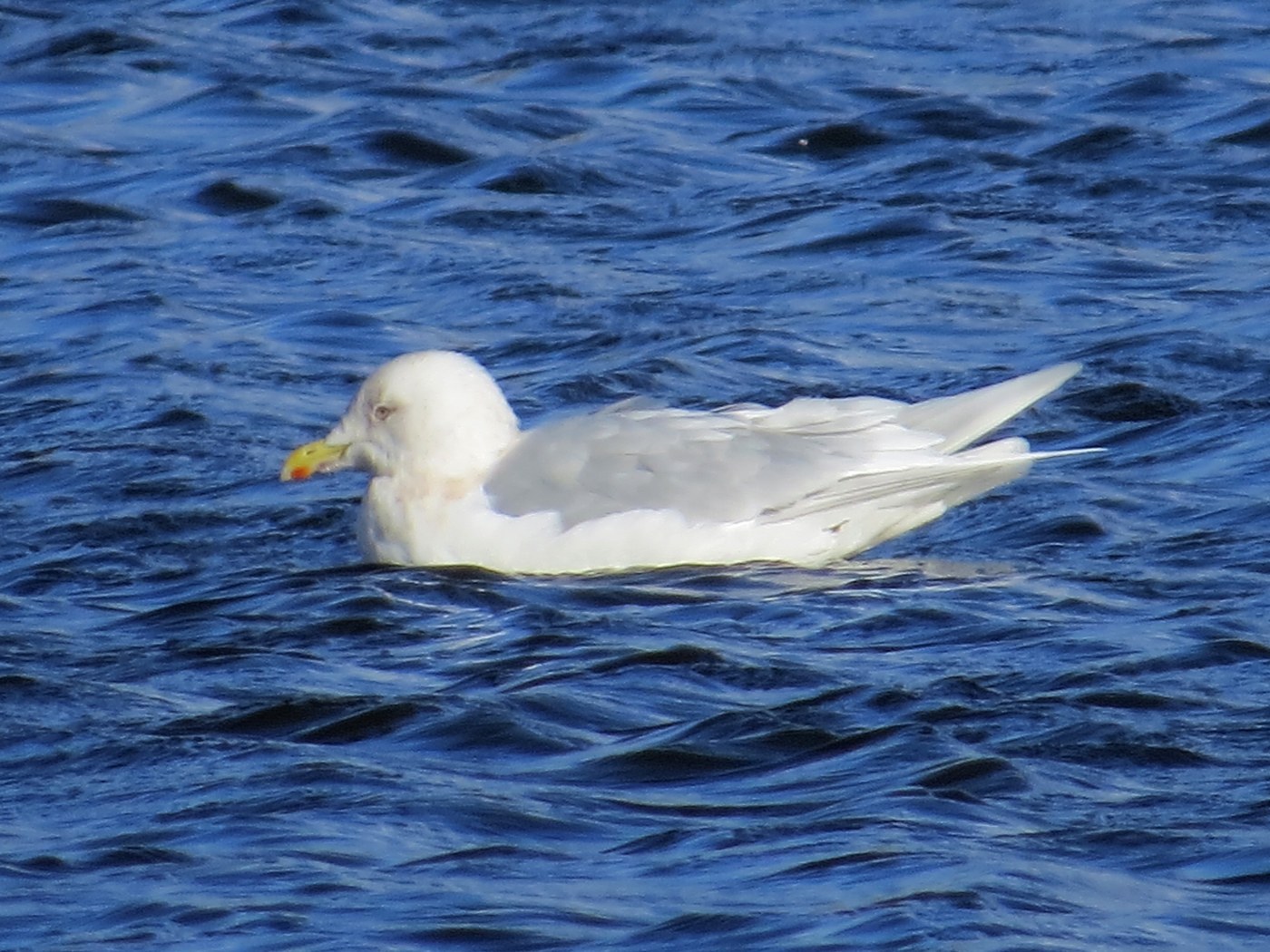
Iceland Gull
Body, flight, and tail feathers

Ring-billed Gull
Body, flight, and tail feathers

Glaucous-winged Gull
Body, flight, and tail feathers

Herring Gull
Body, flight, and tail feathers

Lesser Black-backed Gull
Body, flight, and tail feathers

California Gull
Body, flight, and tail feathers
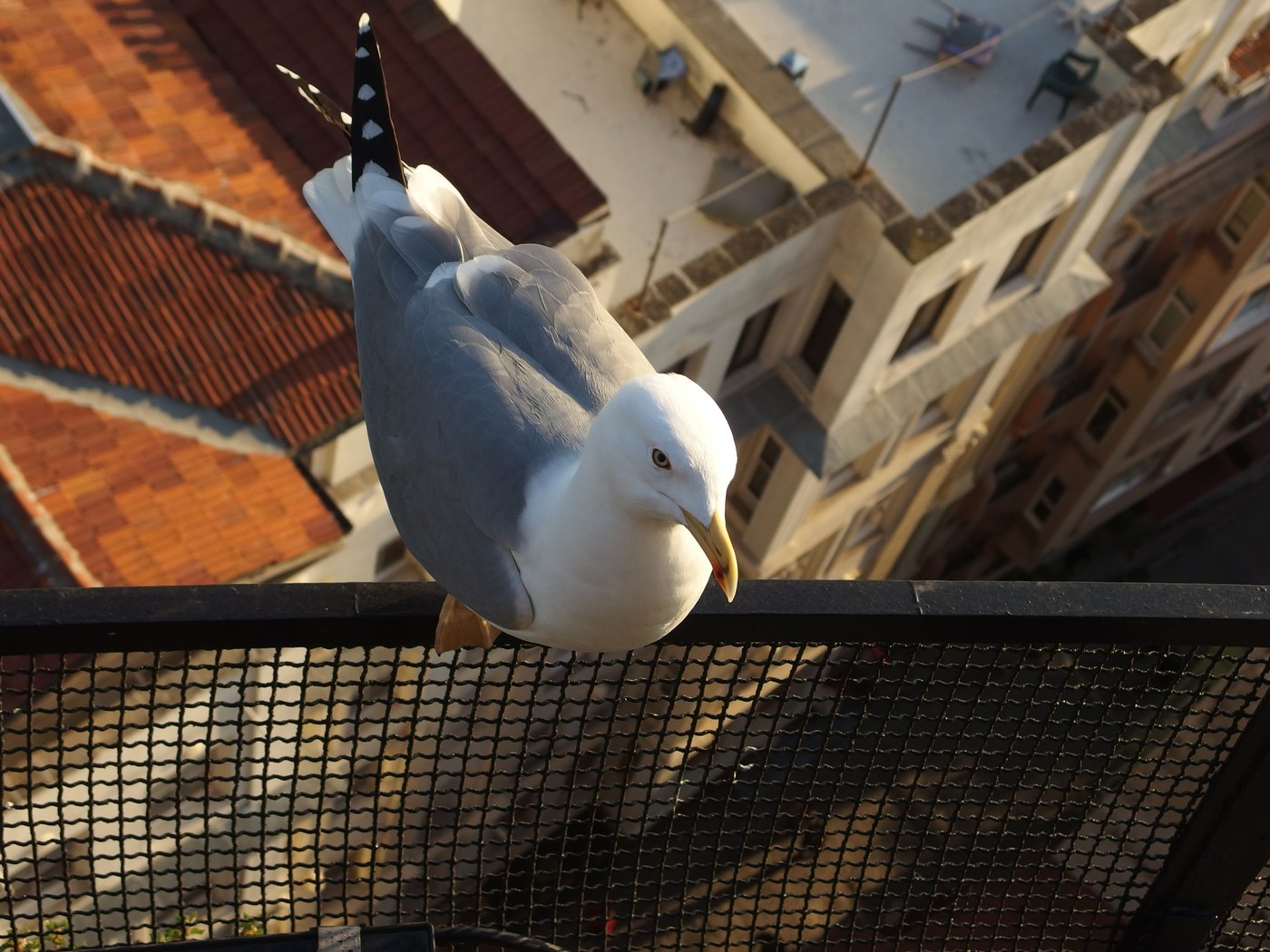
Yellow-legged Gull
Body, wing covert, and flight feathers