

Eastern Imperial Eagle
Aquila heliaca
A large steppe eagle recognized by small white patches on the shoulders (scapulars) contrasting with otherwise dark brown plumage and a pale, creamy nape.
- Feather type
- Flight and body feathers
- Colours
- Dark brown body with a pale golden-buff nape and small white scapular patches
- Bird size
- Large raptor, ~72-84 cm
Found a feather like this?
Identify any feather from a photo, free.
Overview
The Eastern Imperial Eagle is a large raptor of open country across eastern Europe and central Asia, favoring a mix of steppe, agricultural land, and scattered woodland for hunting and nesting.
Identifying the Feather
Adult Eastern Imperial Eagle body plumage is dark brown overall, set off by a pale, creamy-golden wash across the nape and crown feathers, and by small but distinct white patches on the scapular (shoulder) feathers - often described as "epaulettes" - a useful field mark distinguishing it from similarly dark eagles lacking this feature. Flight feathers are long with parallel edges typical of Aquila eagles, uniformly dark with only subtle barring visible on the underside in good light. Juveniles are quite different, appearing pale buffy-brown overall with heavy dark streaking on the body and lacking the white scapular patches entirely.
Plumage & Molt
Juveniles are pale buff-brown with bold dark streaking, gradually darkening and developing the golden nape and white scapular patches through successive molts over roughly five years to reach full adult plumage. Sexes look alike, with females larger. Adults undergo a slow, sequential molt of flight feathers.
Habitat & Range
Eastern Imperial Eagles favor open steppe, agricultural land, and woodland edges across eastern Europe through central Asia, nesting in scattered trees within otherwise open landscapes. Northern and eastern populations are migratory, wintering further south, while some populations are more sedentary.
Behavior & Field Notes
This species hunts ground squirrels, hares, and other mammals, as well as birds, and readily scavenges carrion, particularly on migration and in winter. It is generally a quiet species away from the nest. Nests are large stick structures built in prominent trees within open habitat.
Frequently asked questions
What are the white 'epaulette' patches on an Eastern Imperial Eagle?
They are small white patches on the scapular (shoulder) feathers of adults, a useful identifying mark against the otherwise dark brown body plumage.
How do juvenile Eastern Imperial Eagle feathers differ from adults?
Juveniles are pale buff-brown with heavy dark streaking and lack the white scapular patches and golden nape of adults, developing full adult plumage over about five years.
What habitat is typical for finding Eastern Imperial Eagle feathers?
Open steppe, agricultural land, and scattered woodland edges across eastern Europe and central Asia.
Is the Eastern Imperial Eagle closely related to the Spanish Imperial Eagle?
Yes, the two species are closely related sister species, though Spanish Imperial Eagle adults show a broader white leading-edge wing patch rather than small scapular spots.
Eastern Imperial Eagle guides
In-depth guides for identifying and understanding Eastern Imperial Eagle.

Other feathers you may enjoy

Australian Hobby
Long, narrow pointed flight feathers; slender tail feathers

California Condor
Massive flight feathers; long broad primaries; large tail feathers

Brown Falcon
Broad, rounded flight feathers; variable-toned contour feathers
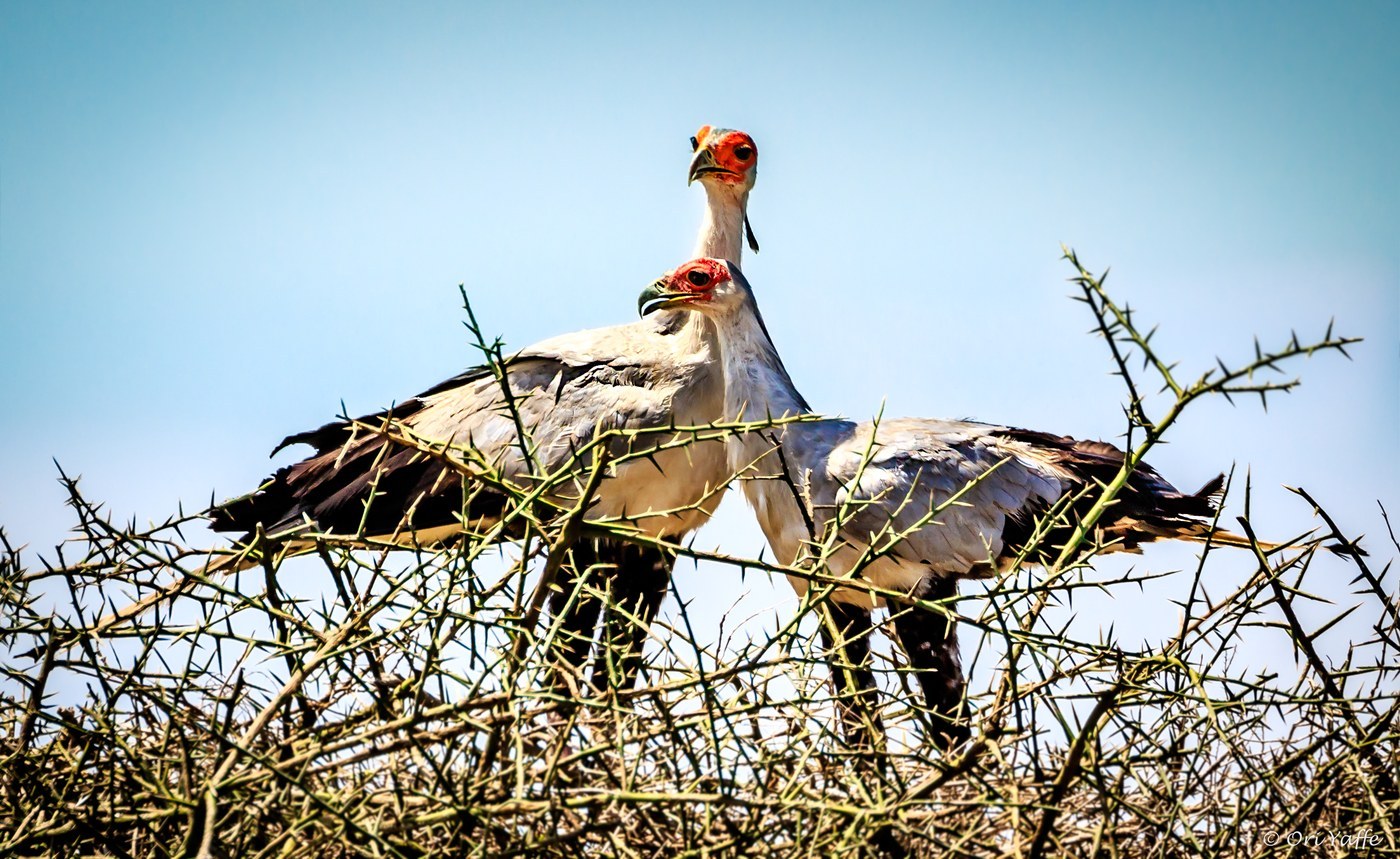
Secretarybird
Long crest feathers; broad flight feathers; elongated central tail feathers

Orange-breasted Falcon
Broad-based pointed flight feathers; bold breast and belly feathers
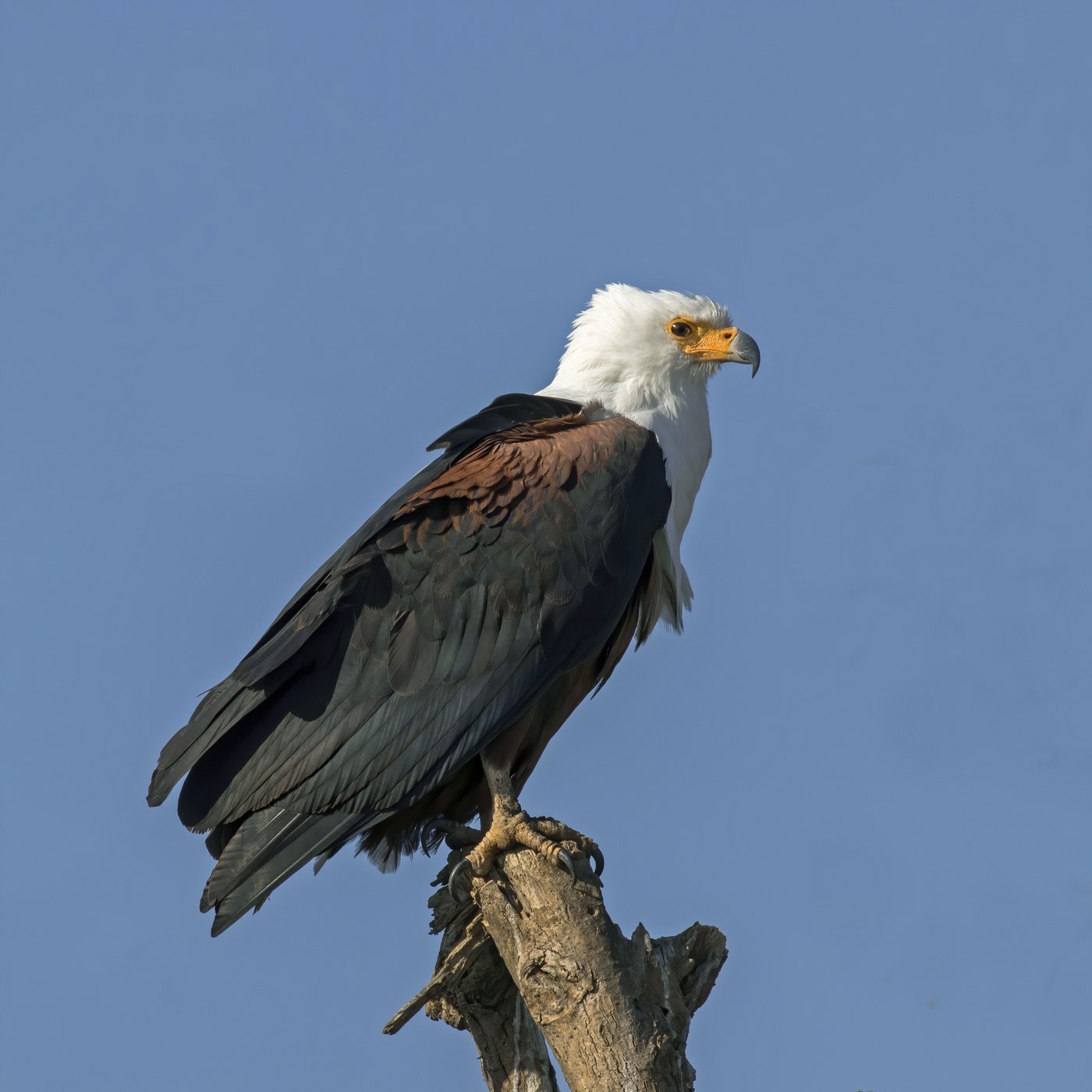
African Fish Eagle
Flight, tail, and body feathers

Amur Falcon
Slender pointed flight feathers; soft slate or orange-buff contour feathers
Red Kite
Flight (wing) and tail feathers
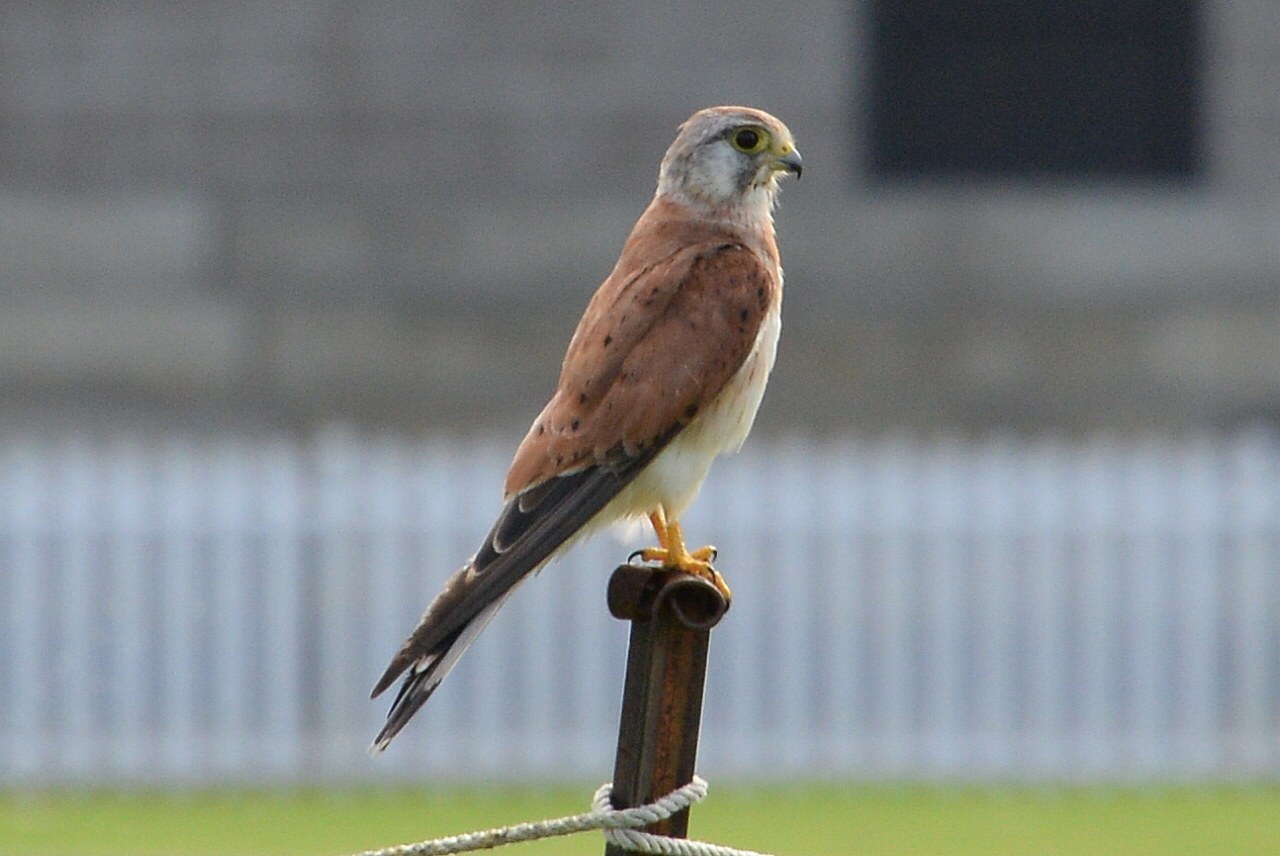
Nankeen Kestrel
Slim pointed flight feathers; lightly marked contour feathers

Andean Condor
Massive flight feathers; broad primaries and secondaries; sturdy tail feathers

Plumbeous Forest Falcon
Short rounded flight feathers; finely barred tail feathers

Sooty Falcon
Long pointed flight feathers; slim tail feathers