

Crested Caracara
Caracara plancus
A bold, long-legged raptor of southern South America's open grasslands, with a black cap, cream neck, and barred breast that make its feathers unmistakable among ground-foraging birds of prey.
- Feather type
- Broad rounded flight feathers; barred tail; black cap feathers and barred breast feathers
- Colours
- Black cap and body; cream-white neck and barred upper breast; dark tail with a pale terminal band
- Bird size
- Large raptor, ~50-65 cm
Found a feather like this?
Identify any feather from a photo, free.
Overview
The Crested Caracara (sometimes called the Southern Caracara) is a large, long-legged raptor of open grassland and pampas across southern South America, often seen walking on the ground or perched prominently on posts and low trees.
Its feathers combine a solid black cap and body with a cream-white neck and finely barred upper breast, plus a distinctive dark tail with a broad pale terminal band, a pattern that stands apart from most other raptors sharing its open-country range.
Because it forages extensively on the ground and scavenges carrion, feathers are often found in open pasture, roadside habitat, and near carcasses rather than deep forest.
Identifying the Feather
Shape and size
- Flight feathers are broad and rounded, reflecting a more generalist, ground-foraging lifestyle rather than fast aerial pursuit; primaries can reach 30-35 cm.
- Tail feathers are broad with fine dark barring and a broad blackish subterminal band followed by a pale tip.
Color and pattern
- Cap and crest feathers are solid black.
- Neck and upper breast feathers are cream to white with fine dark barring.
- Body and wing feathers below the breast are solid blackish-brown.
- Shafts are pale on neck/breast feathers, dark on cap and body feathers.
Similar species
- Distinguished from the Northern Crested Caracara mainly by range (southern South America vs. from Texas/Florida through northern South America); the two are very similar in feather pattern where ranges approach each other.
Plumage & Molt
Adults show a black cap, cream neck and finely barred upper breast, blackish body, and a dark tail with a pale tip. Sexes are similar. Juveniles are browner overall with more streaking than barring on the breast, molting into the crisper adult pattern over roughly a year or two.
Habitat & Range
Found in open grassland, pampas, and savanna across Uruguay, Paraguay, much of Argentina, southern Brazil, and Chile. It is largely resident, though some individuals may wander locally.
Behavior & Field Notes
An opportunistic feeder that scavenges carrion and also hunts small vertebrates and insects, often walking on the ground. Builds a bulky stick nest in trees or on structures. Its call is a harsh, rattling series, sometimes given with the head thrown back.
Field note: a broad, barred breast feather or a black cap feather found in open pampas or grassland in southern South America, especially near roadside carrion, is a good match for this species.
Frequently asked questions
How does this differ from the Northern Crested Caracara?
The two are very similar in feather pattern; range is the best clue, with this species found in southern South America (Argentina, Uruguay, Paraguay, southern Brazil, Chile) rather than further north.
Where are its feathers usually found?
In open pampas, grassland, and pasture, often near roadside carrion since it is a frequent scavenger.
What is the most distinctive plumage feature?
The combination of a solid black cap, cream barred neck/breast, and dark tail with a broad pale tip.
Do juveniles look different?
Yes, juveniles are browner with streaked rather than barred breast feathers, sharpening into the adult pattern with age.
Crested Caracara guides
In-depth guides for identifying and understanding Crested Caracara.

Other feathers you may enjoy

Australian Hobby
Long, narrow pointed flight feathers; slender tail feathers

California Condor
Massive flight feathers; long broad primaries; large tail feathers

Brown Falcon
Broad, rounded flight feathers; variable-toned contour feathers
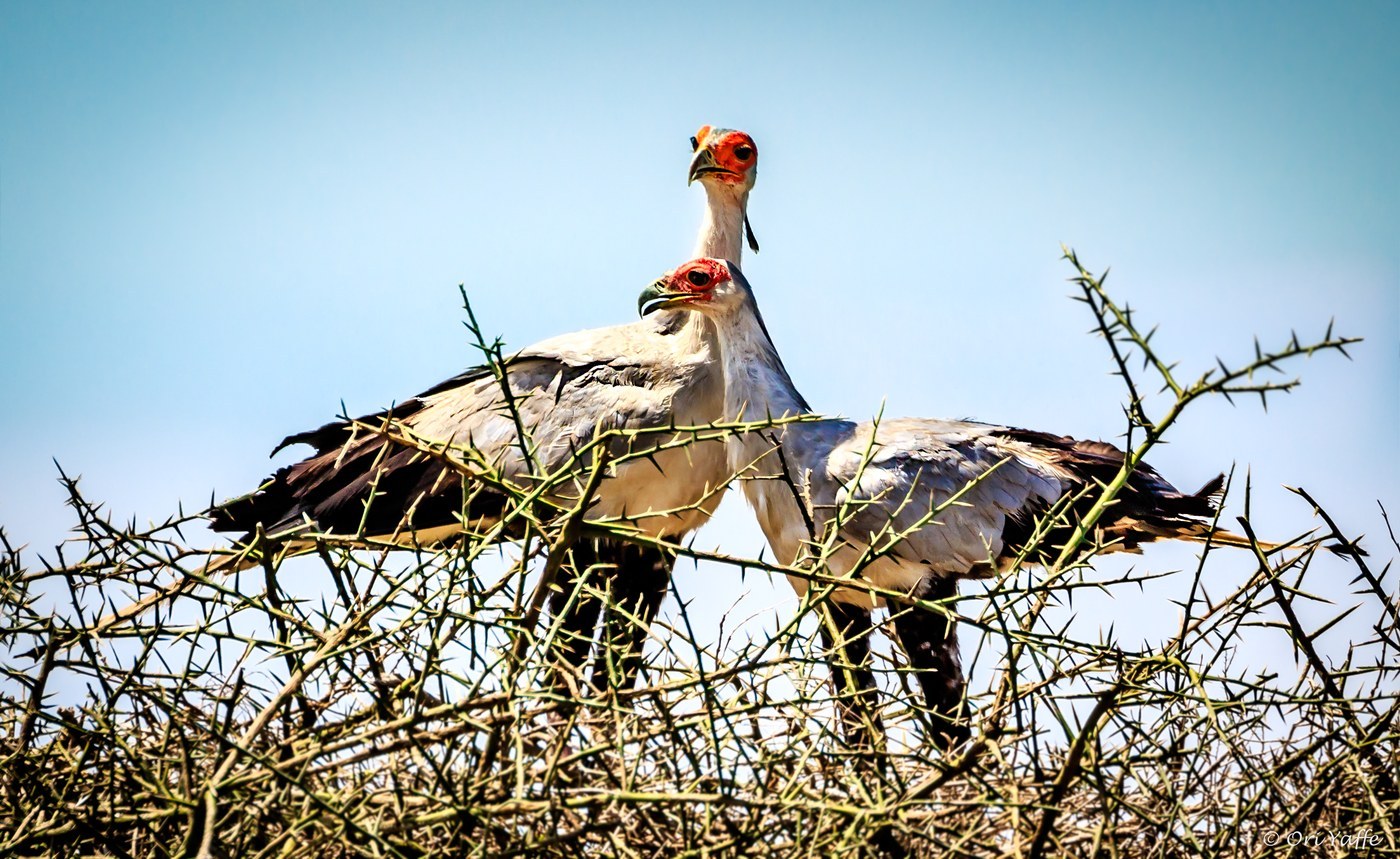
Secretarybird
Long crest feathers; broad flight feathers; elongated central tail feathers

Orange-breasted Falcon
Broad-based pointed flight feathers; bold breast and belly feathers
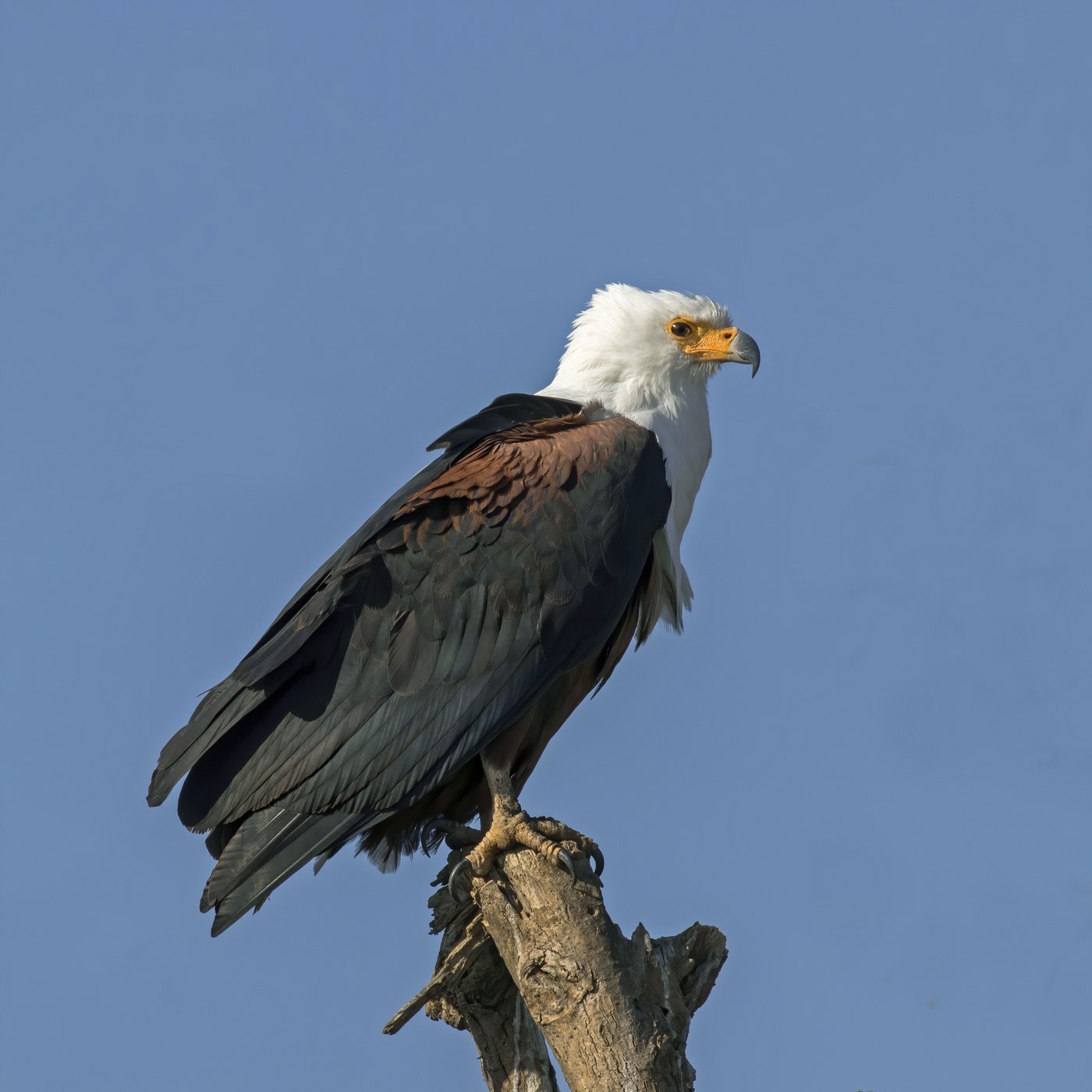
African Fish Eagle
Flight, tail, and body feathers

Amur Falcon
Slender pointed flight feathers; soft slate or orange-buff contour feathers
Red Kite
Flight (wing) and tail feathers
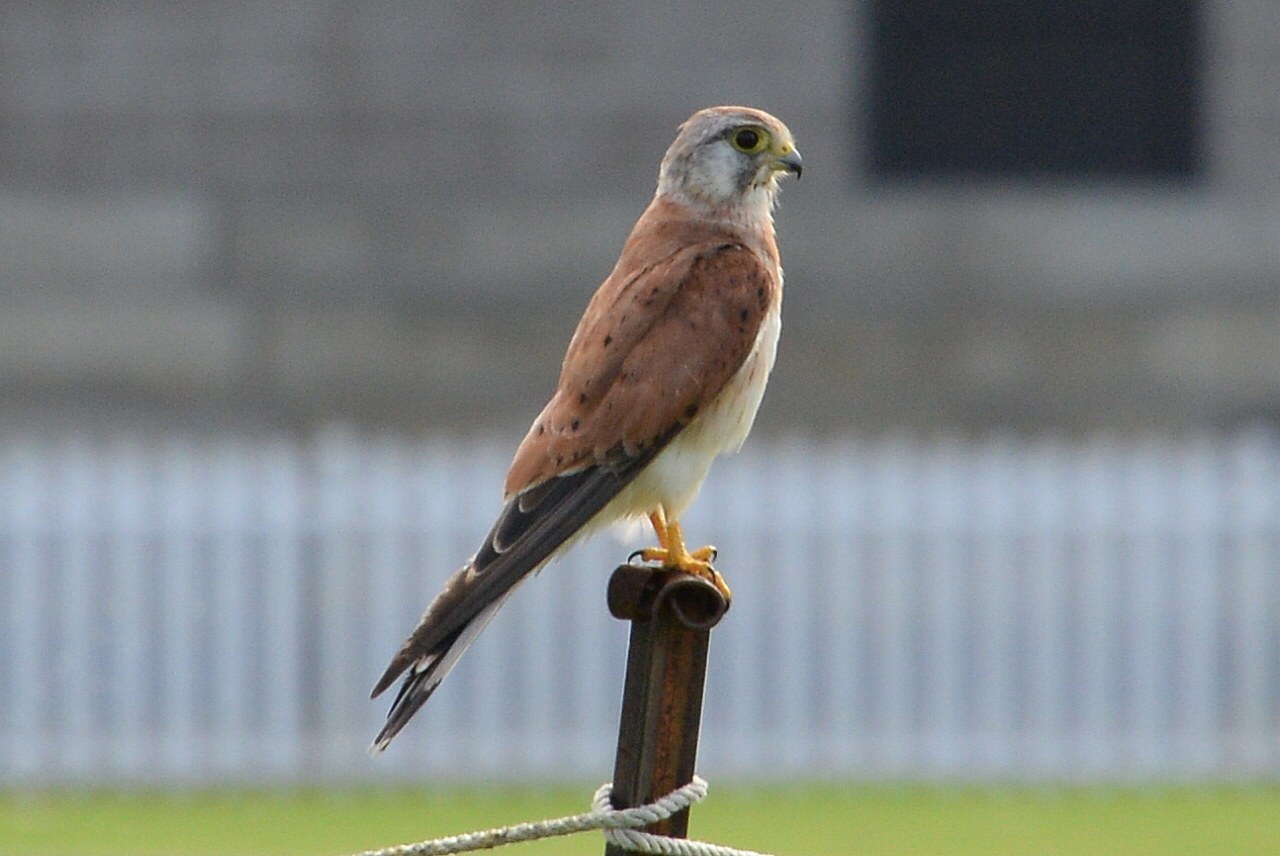
Nankeen Kestrel
Slim pointed flight feathers; lightly marked contour feathers

Andean Condor
Massive flight feathers; broad primaries and secondaries; sturdy tail feathers

Plumbeous Forest Falcon
Short rounded flight feathers; finely barred tail feathers

Sooty Falcon
Long pointed flight feathers; slim tail feathers