
Cory's Shearwater
Calonectris borealis
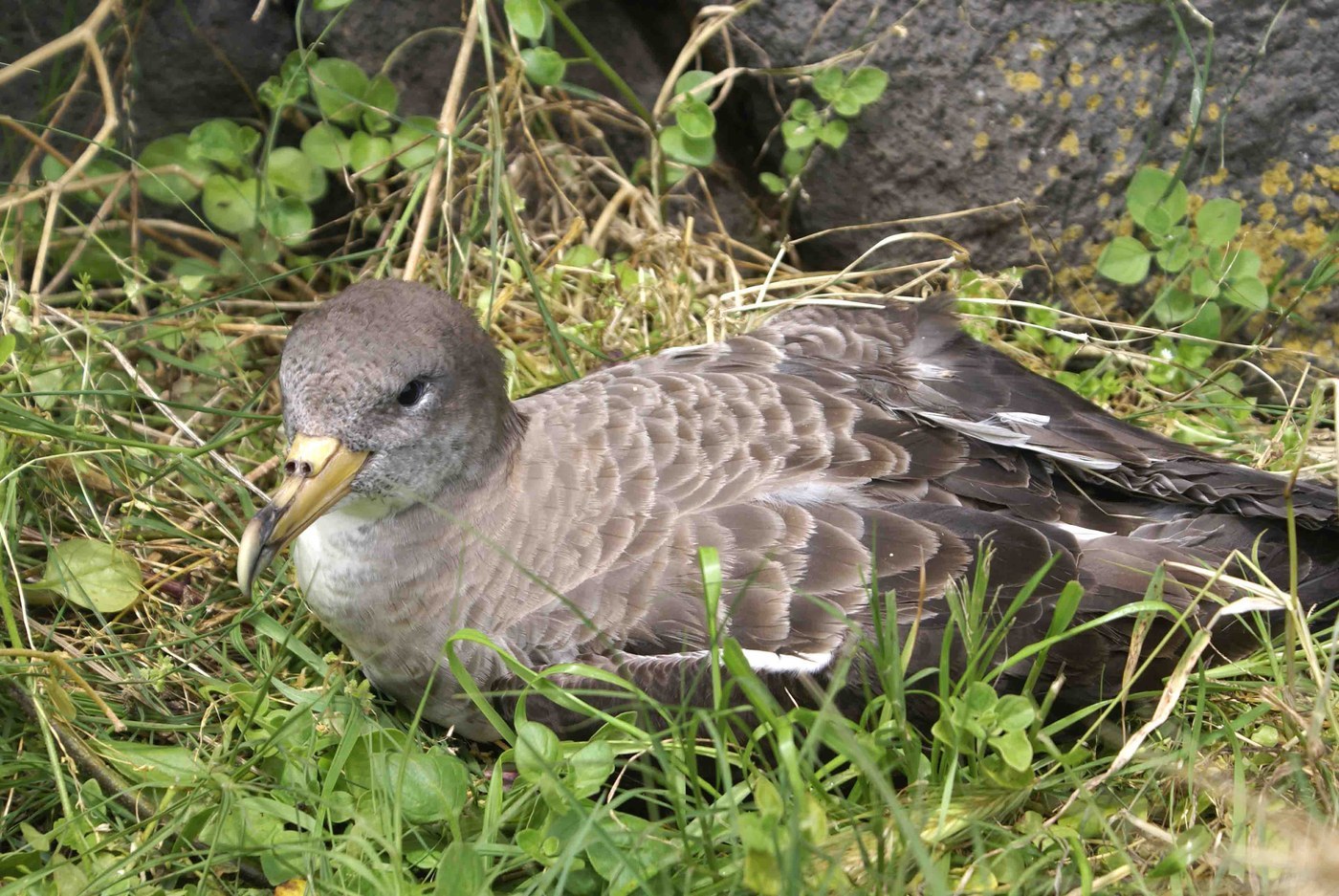
A large, pale brownish-gray shearwater with a yellowish bill, known for its slow, languid flight style compared to other shearwaters of similar size.
- Feather type
- Long, broad flight feathers suited to languid gliding
- Colours
- Brownish-gray upperparts, white underparts, yellowish bill
- Bird size
- Large, ~45-56 cm
Found a feather like this?
Identify any feather from a photo, free.
Overview
Overview
Cory's Shearwater is one of the larger shearwaters found in the Atlantic, notable for a relatively uniform brownish-gray head and upperparts without the strong cap-and-collar contrast seen in some relatives, along with a distinctly yellowish bill. Its flight is often described as slower and more languid than other large shearwaters.
It breeds on islands across the eastern Atlantic and disperses widely across the ocean outside the breeding season, sometimes reaching well offshore of North America.
Identifying the Feather
Cory's Shearwater feathers reflect the bird's overall paler, less contrasty plumage compared to some relatives.
- Head and neck: Fairly uniform grayish-brown without a sharply defined dark cap or pale collar, unlike the Great Shearwater.
- Upperparts: Brownish-gray, generally smoother in tone than the scaly-patterned back of the Great Shearwater.
- Underparts: Clean white, without the dark belly patch seen in Great Shearwater.
- Flight feathers: Long and broad, consistent with the bird's larger size and slower flight style.
- Compared to Great Shearwater: Cory's lacks strong head contrast and a dark belly patch, appearing overall softer and less patterned.
Plumage & Molt
Adults show a fairly uniform brownish-gray head, neck, and upperparts, with clean white underparts and underwings. Sexes look alike. Juveniles resemble adults closely, with subtle differences in feather freshness. Molt occurs largely outside the breeding season as the bird ranges across the open Atlantic.
Habitat & Range
Cory's Shearwaters breed on islands across the eastern Atlantic and Mediterranean, nesting in burrows and rock crevices, then disperse widely across the Atlantic Ocean outside the breeding season, including waters off the eastern coast of North America. They are strongly pelagic, favoring warm and temperate offshore waters.
Behavior & Field Notes
This shearwater feeds on small fish and squid, often by surface-seizing and shallow pursuit-diving, and readily follows fishing vessels to feed on discarded catch. Its flight is comparatively slow and languid, with long glides on bowed wings rather than the quicker, more energetic style of some smaller shearwaters. Nesting occurs in burrows and crevices on remote islands, with a single egg laid per season and visits to the colony concentrated at night. Calls are loud, wailing or braying notes given at breeding colonies after dark.
Frequently asked questions
What is the best clue for identifying a Cory's Shearwater feather?
A fairly uniform brownish-gray tone across the head and upperparts, without the dark cap, pale collar, or belly patch seen in the similarly sized Great Shearwater.
How does Cory's Shearwater flight style relate to its feathers?
Its broad, long flight feathers support the notably slow, languid gliding style the species is known for, compared to quicker-flying relatives.
Are Cory's Shearwater feathers different from juveniles to adults?
They look very similar, with only minor differences in feather wear distinguishing recently fledged birds from adults.
Where would a Cory's Shearwater feather likely be found?
Along the eastern Atlantic and Mediterranean near breeding islands, or in offshore Atlantic waters including areas off eastern North America during the non-breeding season.
Cory's Shearwater guides
In-depth guides for identifying and understanding Cory's Shearwater.
Other feathers you may enjoy

Western Gull
Body, flight, and tail feathers
Glaucous Gull
Body, flight, and tail feathers

American Herring Gull
Body, flight, and tail feathers

Great Black-backed Gull
Body, flight, and tail feathers

Common Gull
Body, flight, and tail feathers
Iceland Gull
Body, flight, and tail feathers

Ring-billed Gull
Body, flight, and tail feathers

Glaucous-winged Gull
Body, flight, and tail feathers

Herring Gull
Body, flight, and tail feathers

Lesser Black-backed Gull
Body, flight, and tail feathers

California Gull
Body, flight, and tail feathers
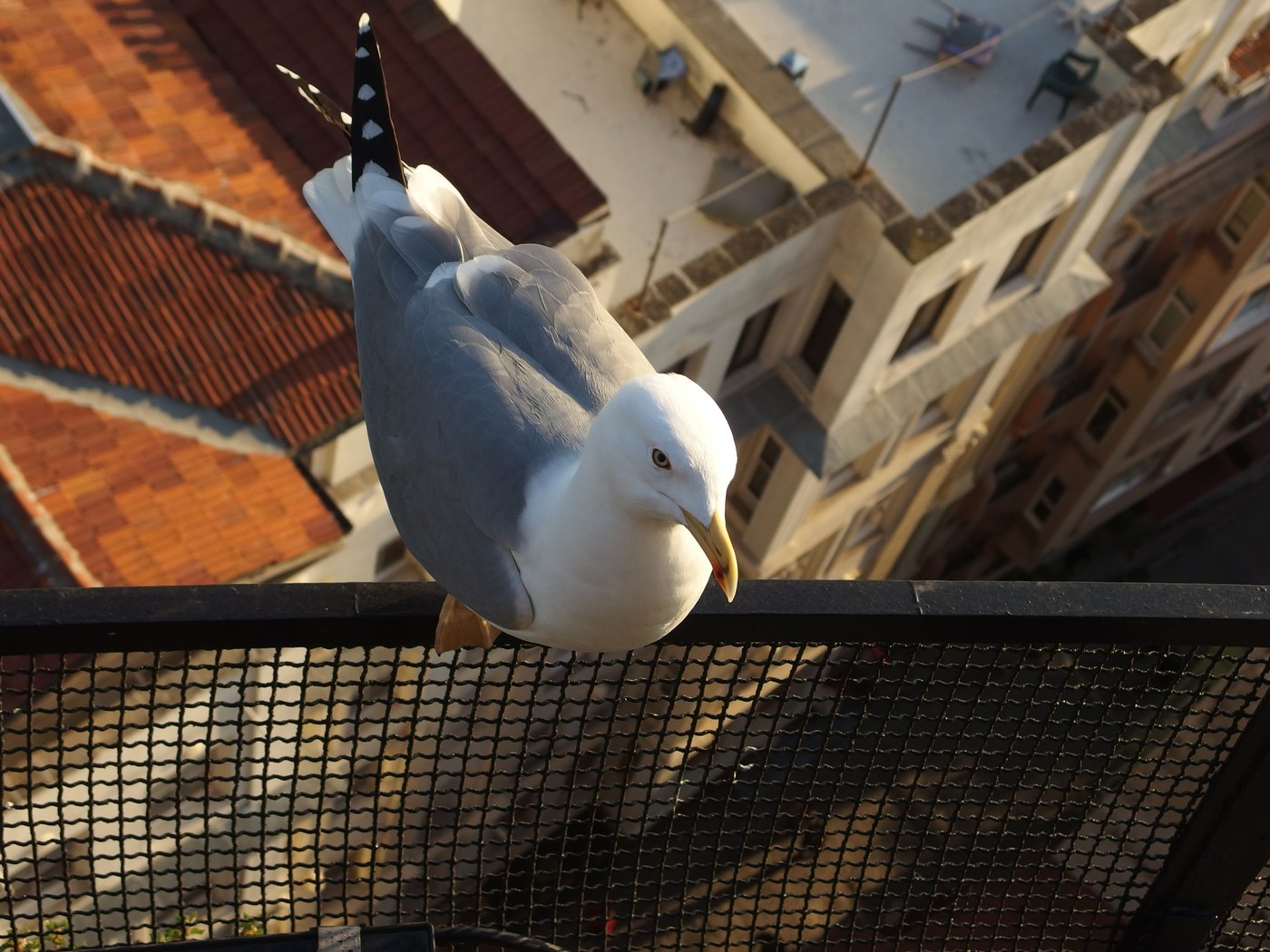
Yellow-legged Gull
Body, wing covert, and flight feathers