
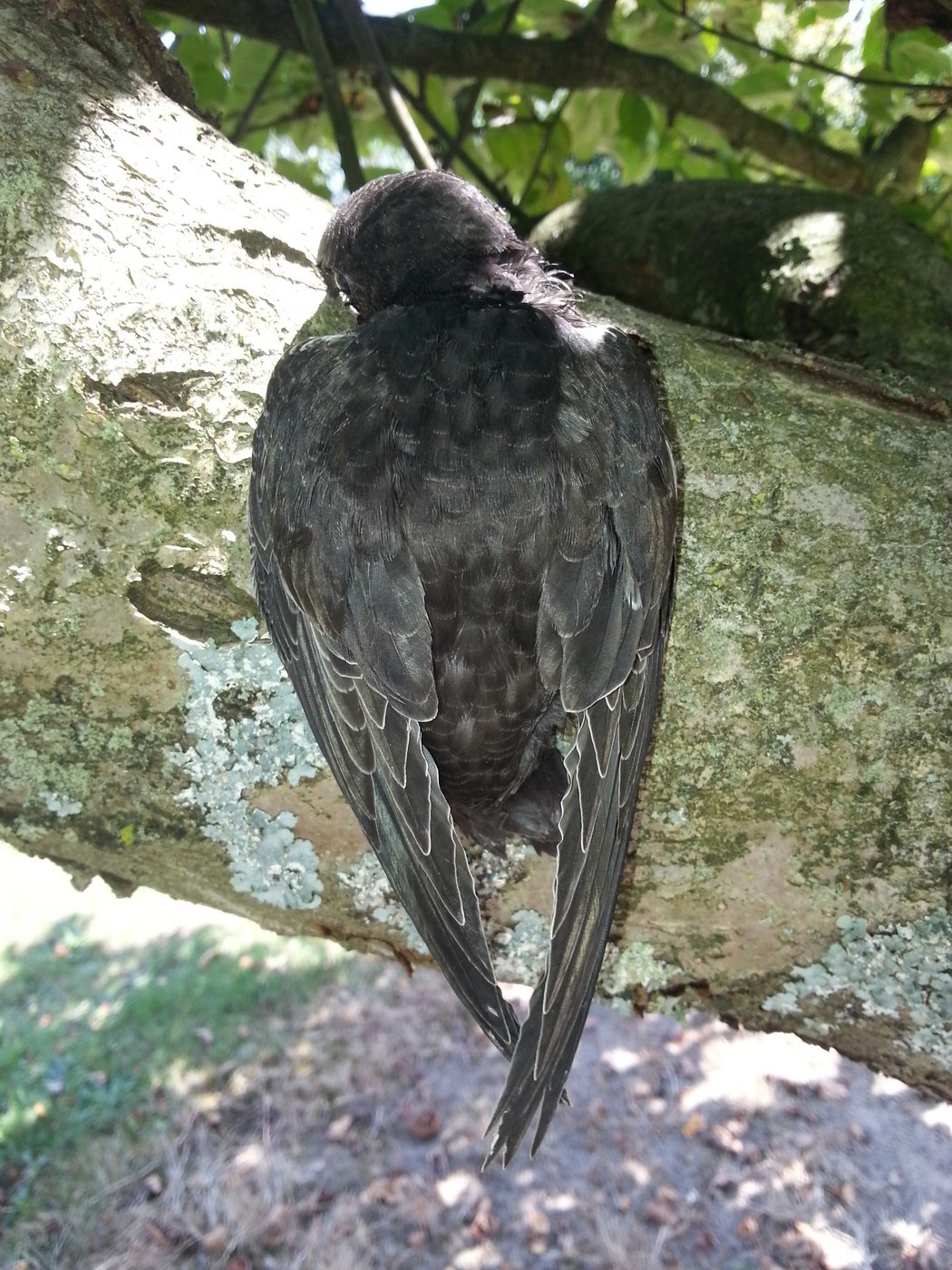
Common Swift
Apus apus
The Common Swift is an almost entirely aerial bird with long, scythe-like flight feathers and uniformly sooty-brown plumage, built for a life spent on the wing far more than any songbird.
- Feather type
- Long, narrow, scythe-shaped flight feathers; stiff aerodynamic body feathers; short forked tail
- Colours
- Overall sooty blackish-brown, with a small pale (whitish) throat patch
- Bird size
- Small-medium, ~16-17 cm, with a long wingspan of ~42 cm
Found a feather like this?
Identify any feather from a photo, free.
Overview
The Common Swift spends nearly its entire life airborne, only landing to nest in crevices on buildings or cliffs. It is not closely related to swallows or martins despite superficial similarities.
Its plumage is almost uniformly sooty blackish-brown, relieved only by a small pale throat patch, an appearance suited to a bird rarely seen at rest.
Because swifts almost never land, feathers are usually found near nest sites such as church towers and roof spaces rather than on open ground.
Identifying the Feather
Size & Shape
- Flight feathers are unusually long, narrow, and scythe-shaped, among the most aerodynamically specialized of any European bird.
- The tail is short and forked; feathers are stiff to support high-speed, sustained flight.
Color & Pattern
- Body feathers are uniformly sooty blackish-brown with little variation, appearing almost black at a distance.
- A small, pale whitish-grey patch on the throat is the only notable plumage contrast.
- Feathers lack any iridescence or gloss found in Swallow or House Martin.
Similar Species
- The uniform sooty-brown color without gloss, combined with extremely long, narrow, curved flight feathers, distinguishes Swift from all hirundines (Swallow, House Martin, Sand Martin), which show white or pale underparts and glossier upperparts.
Plumage & Molt
Overall Plumage
Uniform sooty blackish-brown overall with a small pale throat patch; no strong sexual or age-related color differences visible in the field.
Sex & Age Differences
Sexes look alike. Juveniles show slightly paler feather fringes, giving a faintly scaled look, before their first molt.
Molt
Molt occurs gradually, largely on the African wintering grounds, an adaptation to a life spent continuously in flight.
Habitat & Range
Habitat
Aerial over towns, villages, cliffs, and open country; nests in crevices under roof tiles, in towers, or on cliff faces.
Range
Breeds across Europe, western Asia, and North Africa; winters in sub-Saharan Africa.
Movements
Fully migratory and highly aerial, with some individuals remaining airborne for extended stretches outside the breeding season.
Behavior & Field Notes
Behavior
Spends almost all its life in flight, eating and drinking on the wing; only lands to nest.
Diet
Feeds exclusively on airborne insects and spiders caught in flight.
Nesting
Nests in a crevice, typically under roof tiles or in a tower, using material caught in the air and glued with saliva.
Voice
A loud, screaming call given in fast, low flocks around nest sites, especially at dusk.
Field Notes
Feathers found near roof spaces, church towers, or old buildings with sooty-brown color and long, curved shape are typical of Swift, which almost never lands elsewhere.
Frequently asked questions
How is a Swift feather different from a Swallow feather?
Swift feathers are uniformly sooty brown without gloss and are unusually long and scythe-shaped; Swallow shows a glossy blue-black back and white underparts.
Why are Swift feathers rarely found away from buildings?
Because Swifts spend nearly their whole lives in flight and only land at nest sites in crevices on buildings or cliffs.
What color is a Swift's throat patch?
A small, pale whitish-grey patch, the only notable contrast on an otherwise sooty-brown bird.
Are Swifts related to Swallows and Martins?
No, despite similar aerial lifestyles, swifts belong to a different bird order entirely.
Common Swift guides
In-depth guides for identifying and understanding Common Swift.
Other feathers you may enjoy

Common Cuckoo
Flight and body feathers
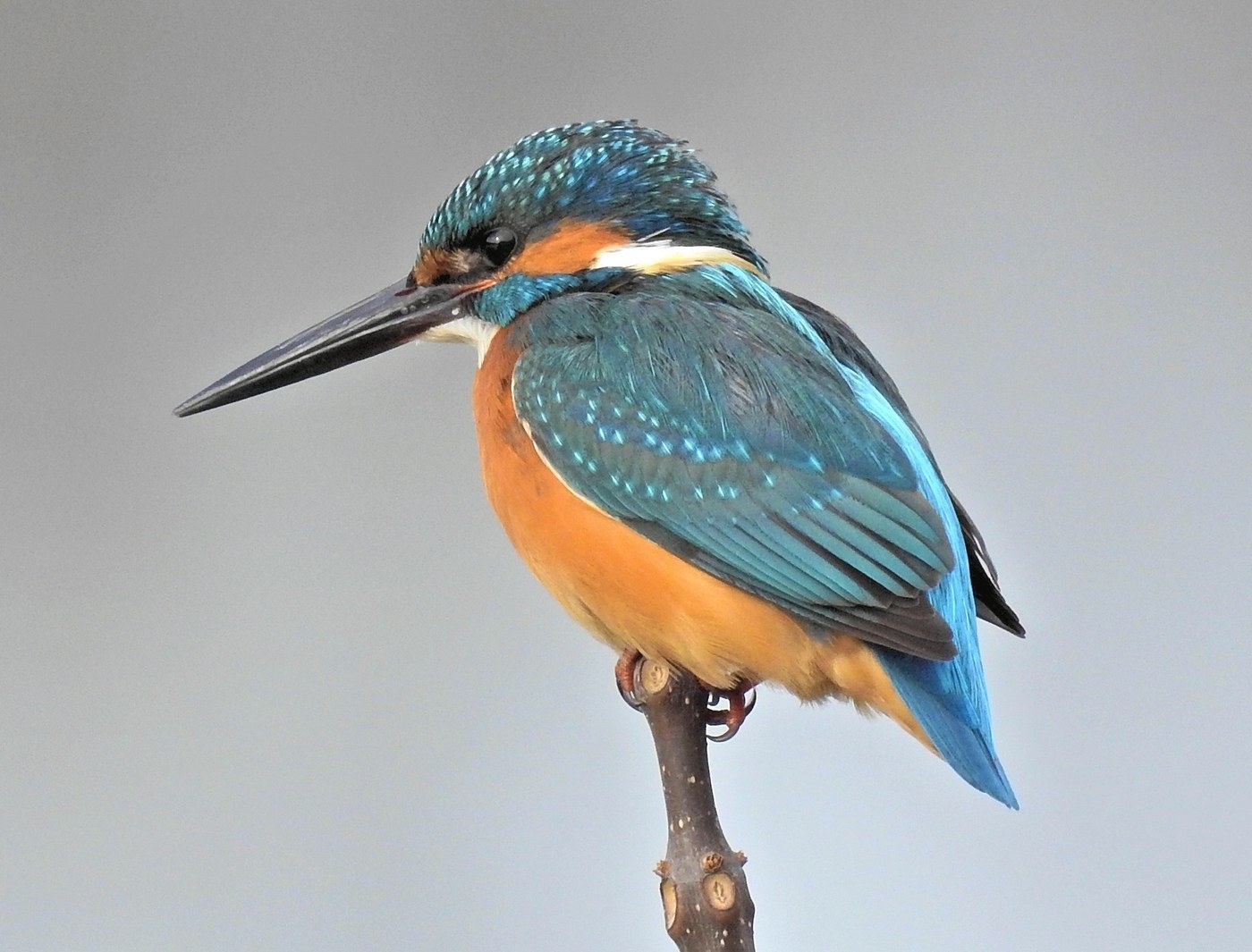
Common Kingfisher
Body (contour) and wing feathers
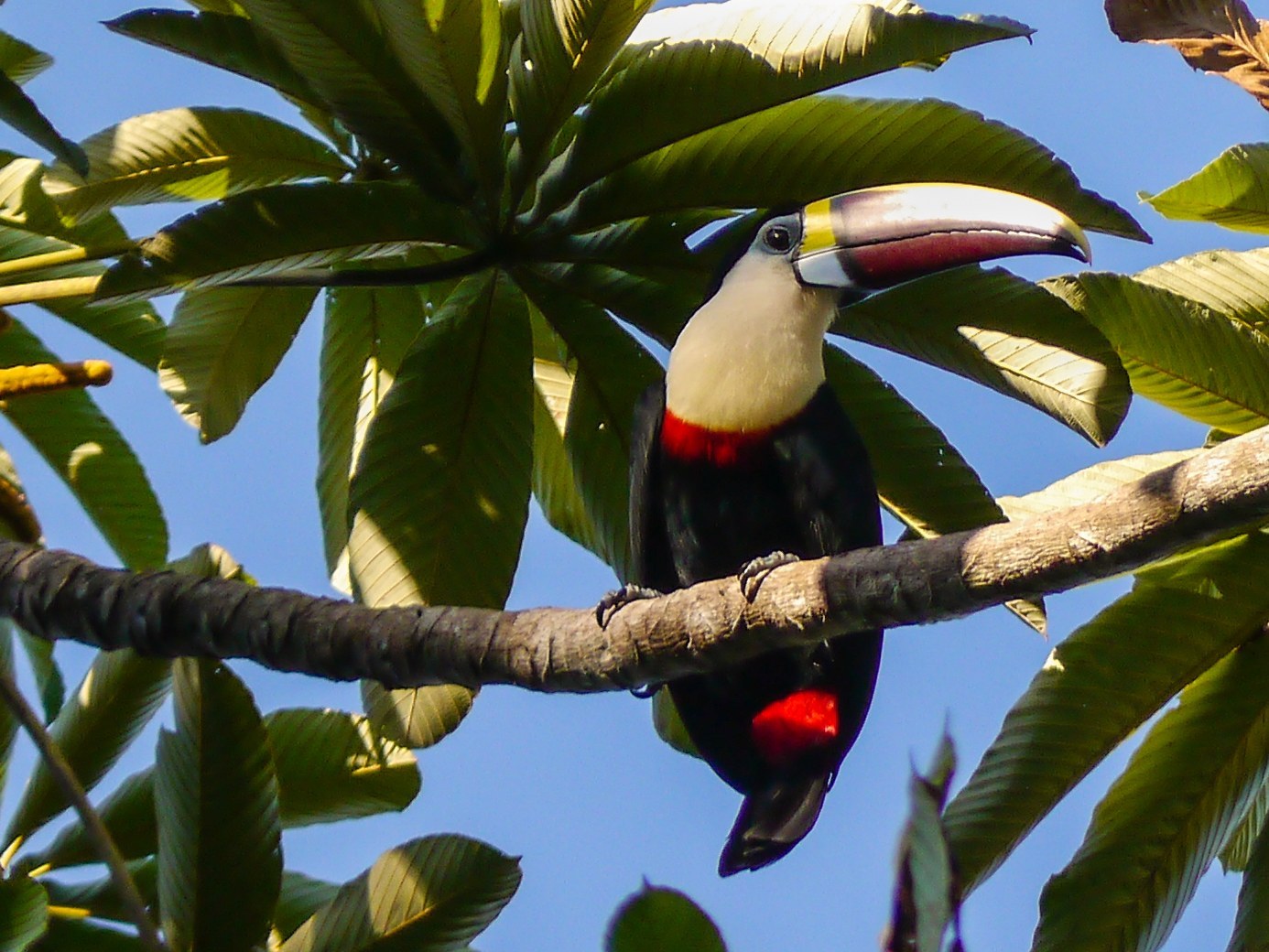
White-throated Toucan
Short rounded contour feathers, short broad wings
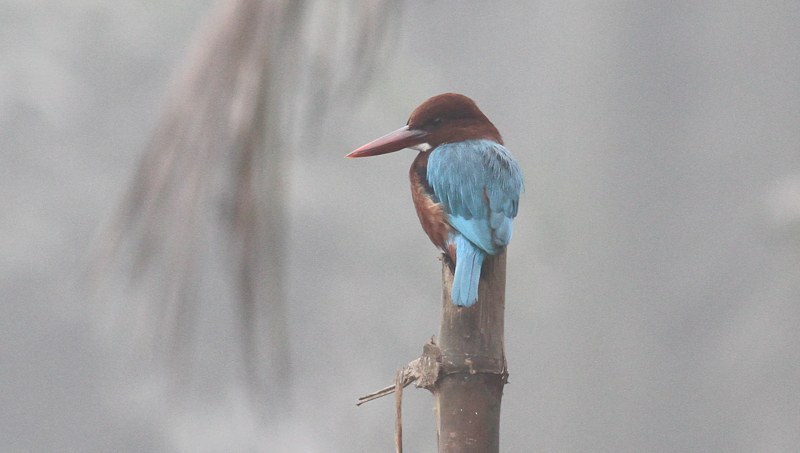
White-throated Kingfisher
Dense contour feathers; broad rounded wings

White-throated Bee-eater
Sleek, aerodynamic contour feathers; elongated central tail streamers
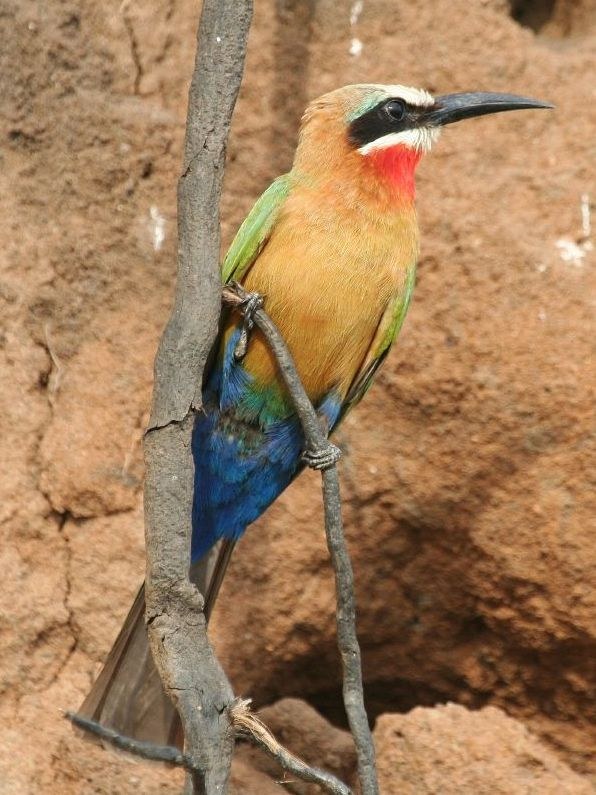
White-fronted Bee-eater
Sleek contour feathers; short tail with slight point

Southern Yellow-billed Hornbill
Slender contour feathers, moderate flight feathers
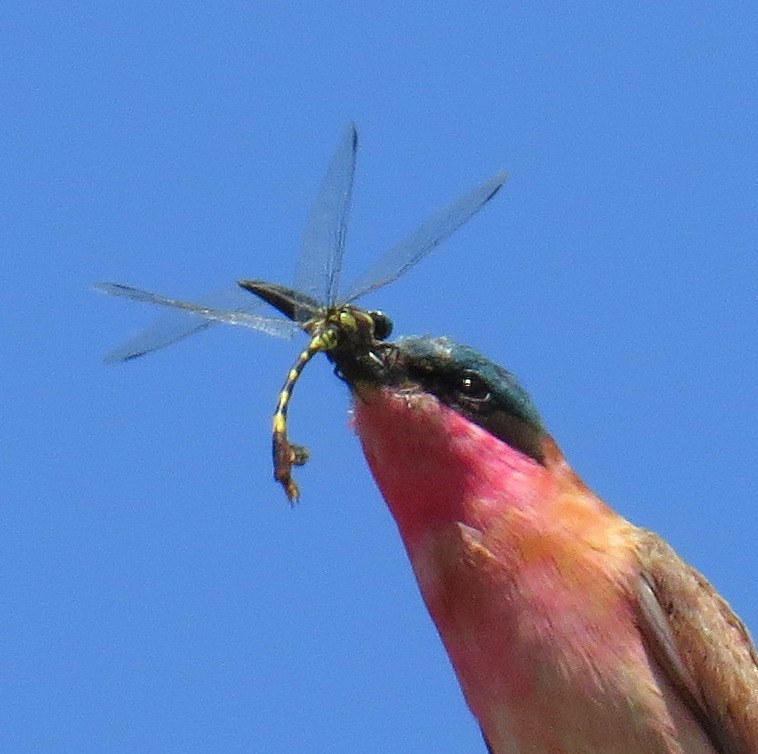
Southern Carmine Bee-eater
Sleek, pointed contour feathers; elongated central tail streamers
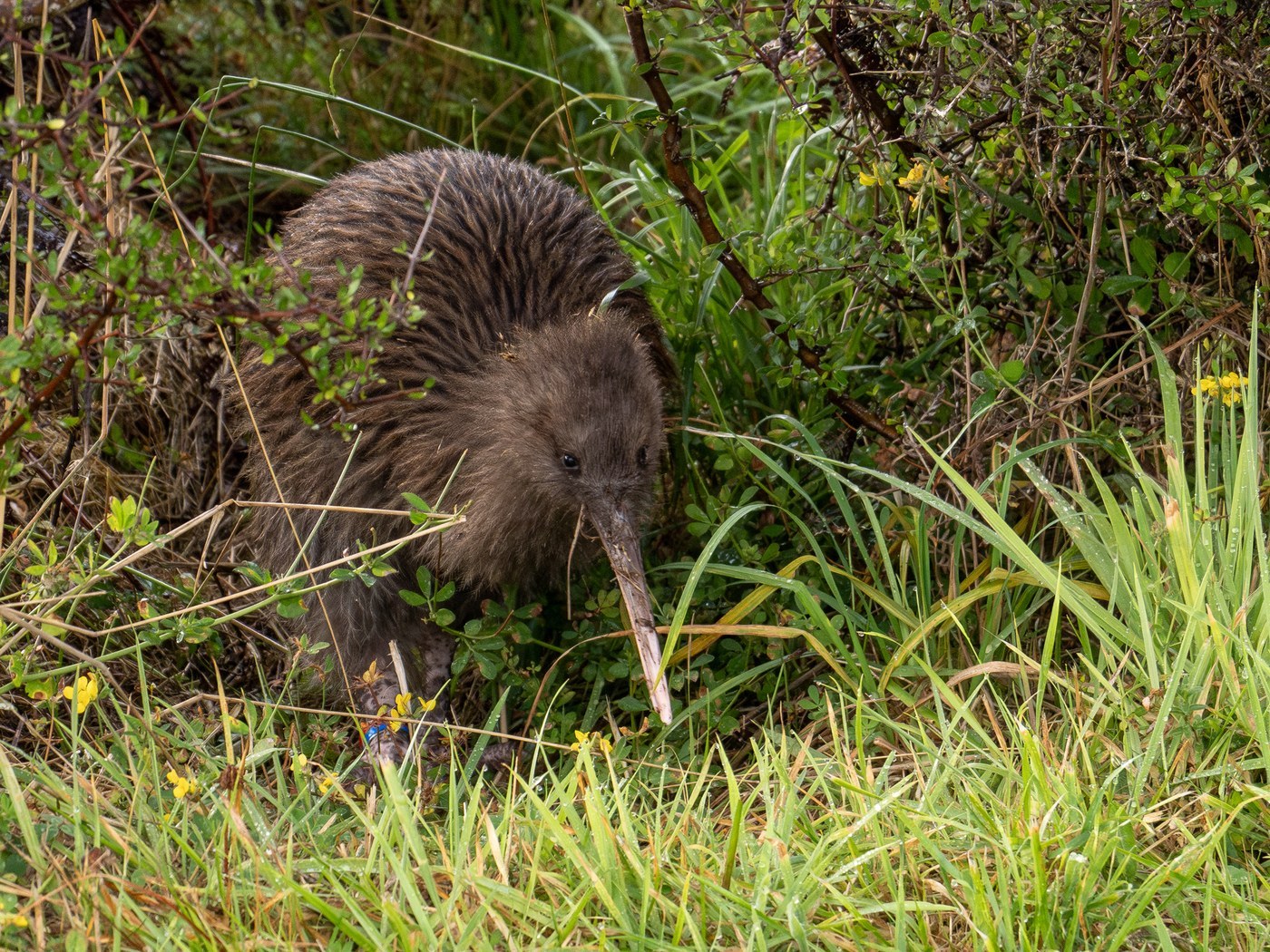
Southern Brown Kiwi
Shaggy, hair-like plumage with loose barbs lacking barbules; flightless, vestigial wings hidden beneath body feathers

Somali Ostrich
Loose, soft plumes lacking interlocking barbules

Wreathed Hornbill
Dense contour feathers, broad flight feathers

Woodland Kingfisher
Firm contour feathers; broad wing feathers