

Common Ostrich
Struthio camelus
The world's largest living bird, flightless with soft, loose plumage, males black-bodied with striking white plumes and females duller greyish-brown.
- Feather type
- Loose, soft plumes lacking interlocking barbules
- Colours
- Male: black body with white wing and tail plumes; Female: greyish-brown
- Bird size
- Very large flightless bird, up to 2.7 m tall
Found a feather like this?
Identify any feather from a photo, free.
Overview
Overview
The Common Ostrich is the largest living bird, native to the savannas, grasslands, and semi-arid regions of Africa. Flightless and heavily built, it relies on powerful legs for speed rather than wings for escape, and its plumage reflects this lifestyle, being soft and loose rather than aerodynamically structured.
Males display bold black body plumage contrasted with striking white plumes on the wings and tail, while females are more subdued in greyish-brown, an arrangement that aids in camouflage during incubation.
Identifying the Feather
Feather Identification
- Male body feathers: black, soft-textured, lacking the tight barbule interlock of flight feathers, giving a loose, decorative appearance
- Male wing and tail plumes: bright white, long, and flowing, historically prized for their striking appearance
- Female feathers: greyish-brown throughout, providing camouflage while incubating eggs in the open
- Shaft: thick and flexible, since these feathers serve display and insulation purposes rather than flight
- The lack of barbicels means ostrich feathers appear fluffy and separated rather than forming a smooth vane, unlike any flying bird's feathers
Plumage & Molt
Plumage Notes
Adult males are black with white plume accents, while females and juveniles are greyish-brown overall, an example of pronounced sexual dimorphism tied to incubation roles. Chicks are downy and mottled for camouflage.
Molt is gradual, with feathers replaced steadily rather than in a rapid synchronized event, consistent with a flightless species that has no urgent need to maintain flight readiness.
Habitat & Range
Habitat & Range
Common Ostriches inhabit open savanna, grassland, and semi-desert areas across much of sub-Saharan Africa. They favor open terrain that allows early predator detection and fast running escape.
The species is non-migratory, though individuals and small groups may range over large territories in search of food and water.
Behavior & Field Notes
Behavior & Field Notes
Ostriches feed on plants, seeds, and small invertebrates while foraging across open ground, often in loose groups. Their powerful legs allow rapid running speeds, their primary means of evading predators.
Nests are simple ground scrapes shared by multiple females, with a dominant female and male sharing incubation duties, the male typically incubating at night when his black plumage offers better concealment. Calls include deep booming sounds during the breeding season.
Frequently asked questions
Why are ostrich feathers so soft and fluffy?
Ostrich feathers lack the interlocking barbules found in flying birds, giving them a loose, plume-like texture instead of a firm vane.
Why do male and female ostriches have different feather colors?
Males are black with white plumes for display, while females are greyish-brown, which provides better camouflage while incubating eggs in the open.
Can ostriches fly using their feathers?
No, ostriches are flightless; their feathers serve for insulation, display, and balance while running rather than flight.
How is ostrich molt different from that of flying birds?
Molt in ostriches is gradual and continuous rather than a rapid synchronized event, since flight capability does not need to be maintained.
Common Ostrich guides
In-depth guides for identifying and understanding Common Ostrich.

Common Ostrich identified by the community
Real feathers identified with Feather Identifier.


Other feathers you may enjoy

Common Cuckoo
Flight and body feathers
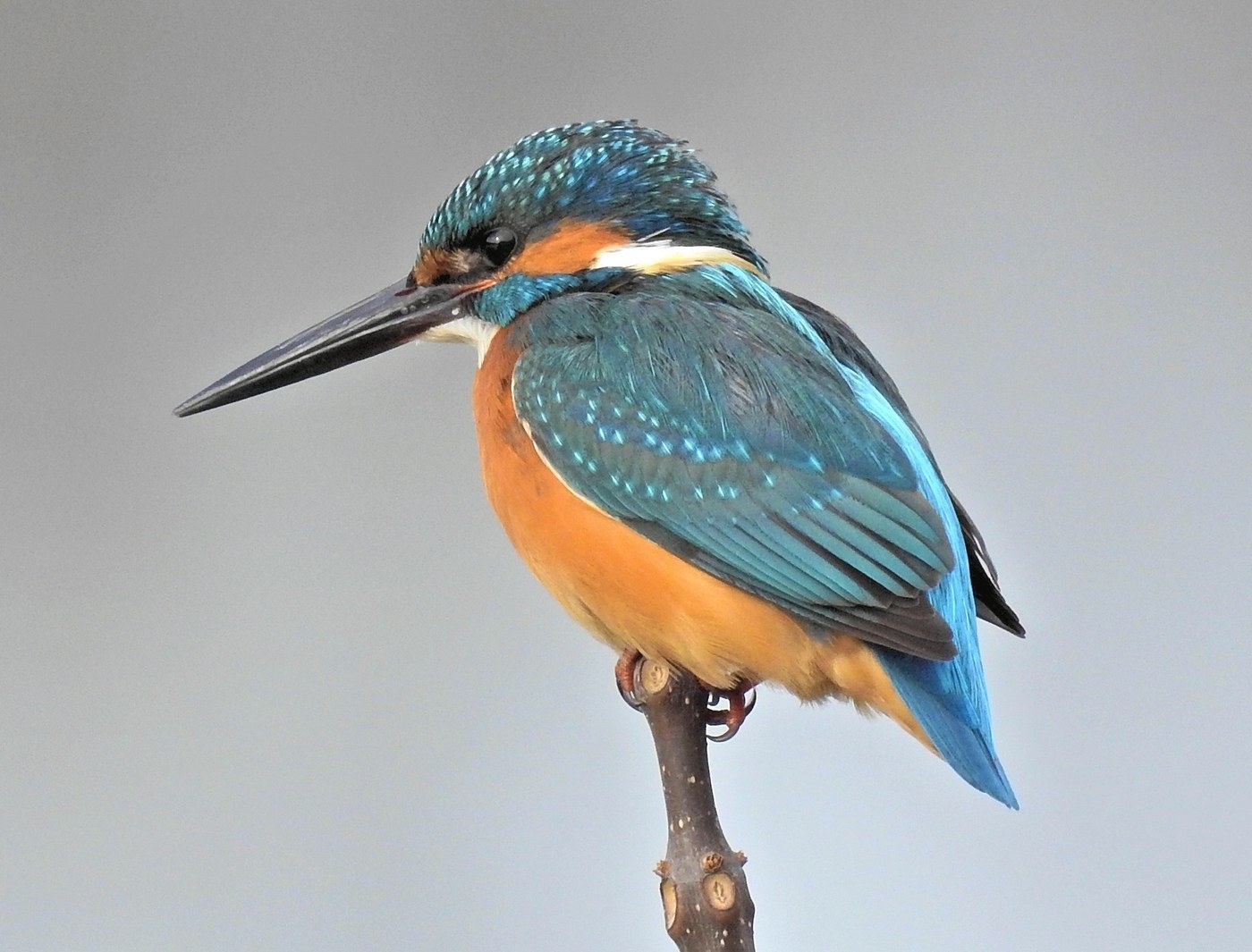
Common Kingfisher
Body (contour) and wing feathers
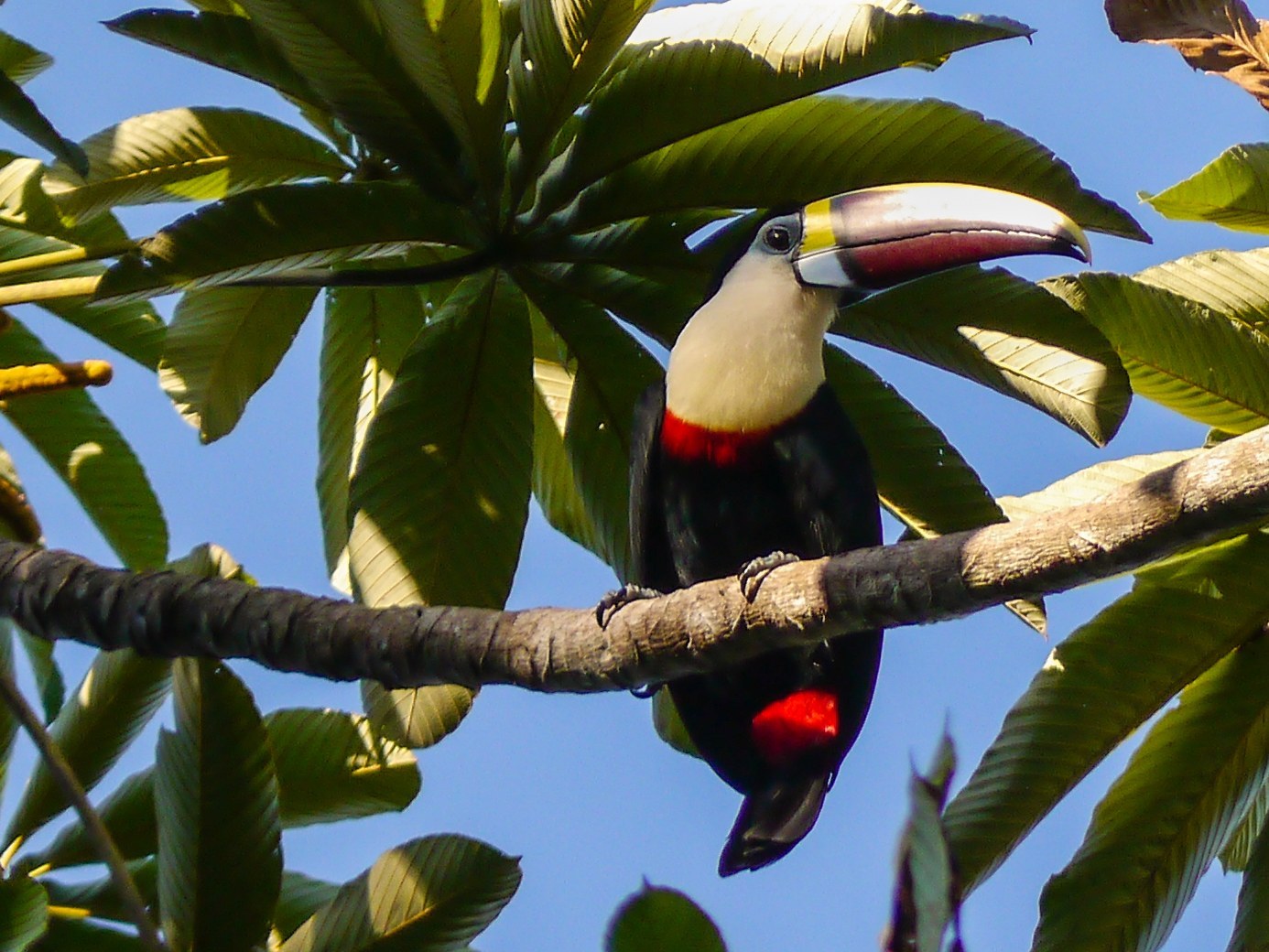
White-throated Toucan
Short rounded contour feathers, short broad wings
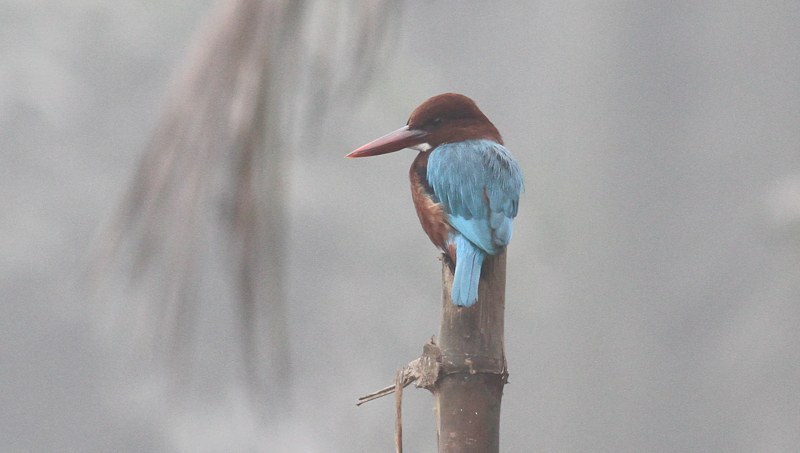
White-throated Kingfisher
Dense contour feathers; broad rounded wings

White-throated Bee-eater
Sleek, aerodynamic contour feathers; elongated central tail streamers
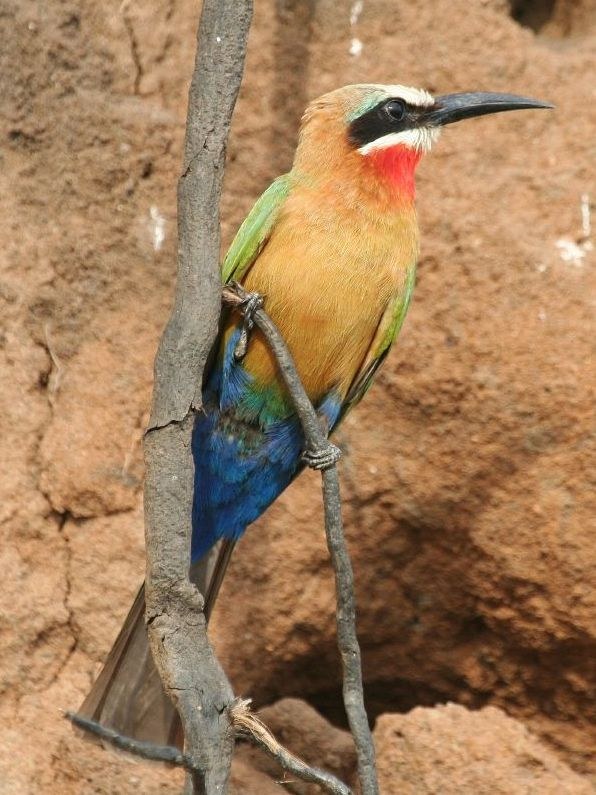
White-fronted Bee-eater
Sleek contour feathers; short tail with slight point

Southern Yellow-billed Hornbill
Slender contour feathers, moderate flight feathers
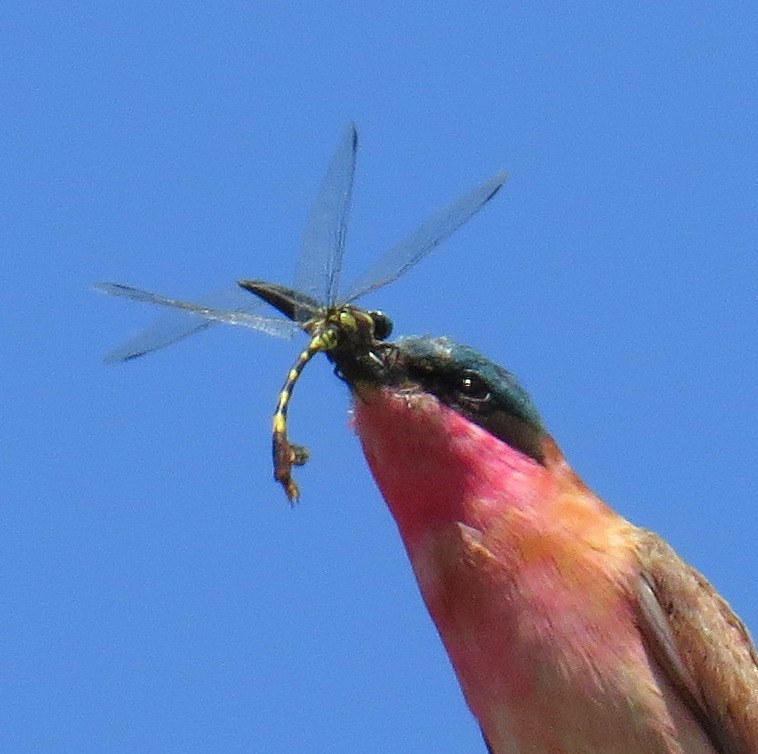
Southern Carmine Bee-eater
Sleek, pointed contour feathers; elongated central tail streamers
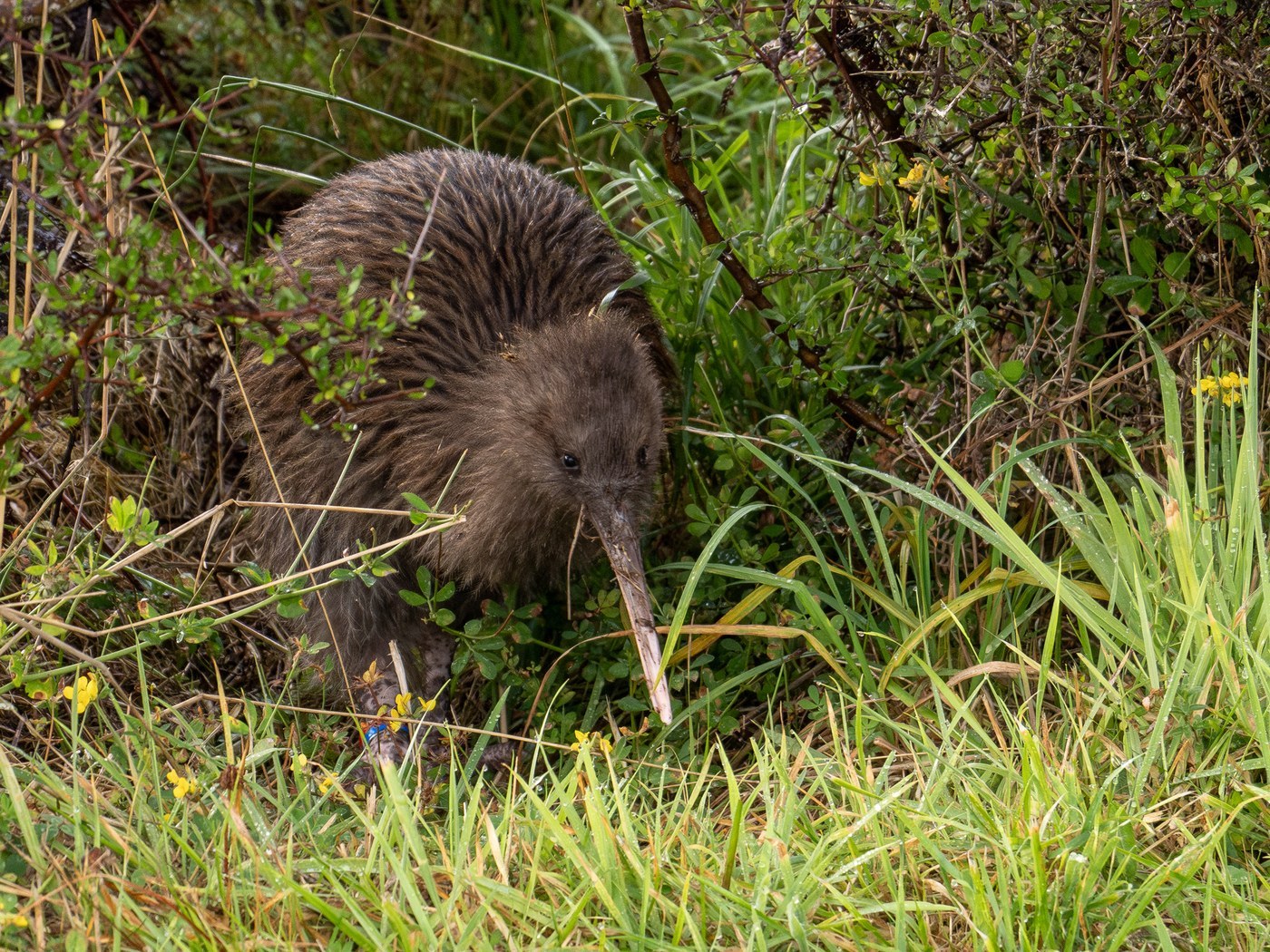
Southern Brown Kiwi
Shaggy, hair-like plumage with loose barbs lacking barbules; flightless, vestigial wings hidden beneath body feathers

Somali Ostrich
Loose, soft plumes lacking interlocking barbules

Wreathed Hornbill
Dense contour feathers, broad flight feathers

Woodland Kingfisher
Firm contour feathers; broad wing feathers